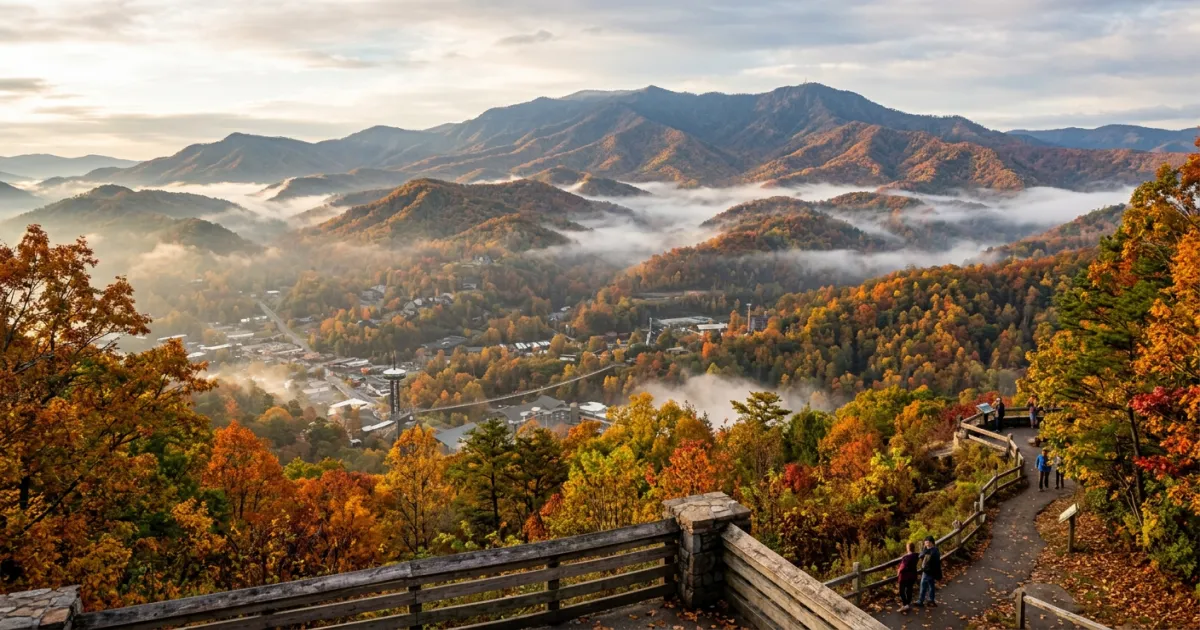
Gatlinburg is the gateway to Great Smoky Mountains National Park, the most visited national park in the United States. This small mountain town in eastern Tennessee sits at the entrance to 800 miles of hiking trails, 200 waterfalls, and some of the best fall foliage in the country. Add cabin stays with mountain views, Dollywood in nearby Pigeon Forge, and a walkable downtown full of family-friendly attractions, and you have one of the best mountain vacations in the eastern U.S. This guide covers everything you need to plan your trip. For a broader approach, see our step-by-step trip planning guide.
Key Planning Facts
- Location: Eastern Tennessee, at the northern entrance to Great Smoky Mountains National Park
- Currency: US Dollar (USD)
- Language: English
- Park entrance fee: Free. Great Smoky Mountains is one of the few national parks with no entrance fee. Parking tags are required at some trailheads ($5 per day or $40 annual)
- Best months to visit: Mid-October (peak fall foliage), April to May (spring wildflowers), June to August (summer hiking)
- Average daily budget: $100 to $250 per person depending on cabin vs. hotel and activities
- Time zone: Eastern Time (ET)
- Nearest airports: McGhee Tyson Airport (TYS) in Knoxville, about 45 minutes west. Asheville (AVL), about 1.5 hours east
- Pigeon Forge: Adjacent town (10 minutes from Gatlinburg) with Dollywood, dinner theaters, and more family attractions
Best Time to Visit Gatlinburg
Fall (October to Early November)
The most popular time. Fall foliage peaks between October 10 and 25 in most years, creating spectacular mountain color. Crowds are heavy and cabin prices peak ($250 to $400+ per night). Book months in advance. The drive along Newfound Gap Road during peak foliage is one of the most scenic in the eastern U.S.
Spring (March to May)
Wildflower season in the Smokies. The park has over 1,500 species of flowering plants, earning it the nickname “Wildflower National Park.” April and May bring blooming dogwoods, rhododendrons, and azaleas. Fewer crowds than fall, with mild temperatures (50 to 70 degrees Fahrenheit).
Summer (June to August)
Warm (70 to 85 degrees Fahrenheit in the valleys, 10 to 15 degrees cooler at higher elevations). The best time for swimming at waterfalls and creeks. Busy, especially on weekends. Afternoon thunderstorms are common. Start hikes early.
Winter (December to February)
Cold (25 to 50 degrees Fahrenheit). Some roads close due to ice and snow (including Clingmans Dome Road). Downtown Gatlinburg has holiday lights and events (Winterfest runs November through February). Lower cabin prices and minimal crowds. A cozy time for a cabin stay with hot tub.
How Long to Spend
3 to 4 days is ideal: one day for the national park (hiking and scenic drives), one day for downtown Gatlinburg and attractions, and one day for Pigeon Forge and Dollywood. 5 to 7 days lets you hike multiple trails, explore Cades Cove, and enjoy the cabin experience at a relaxed pace.
Budget and Costs
Daily Budget Ranges
- Budget: $80 to $140 per person per day. Budget cabin split with a group ($30 to $50 per person per night), pack lunches, free national park, downtown walking
- Mid-range: $150 to $250 per person per day. Private cabin ($150 to $300 per night), restaurant dining, Dollywood or paid attractions
- Splurge: $300 and up per person per day. Luxury cabin with views ($300 to $500+ per night), fine dining, multiple attractions, guided experiences
Key Costs
- Great Smoky Mountains: Free entry. Parking tags: $5/day or $40 annual at popular trailheads
- Dollywood: $95 for a 1-day adult pass, $125 for 2 days. Buy online for discounts. Pigeon Forge, 10 minutes from Gatlinburg
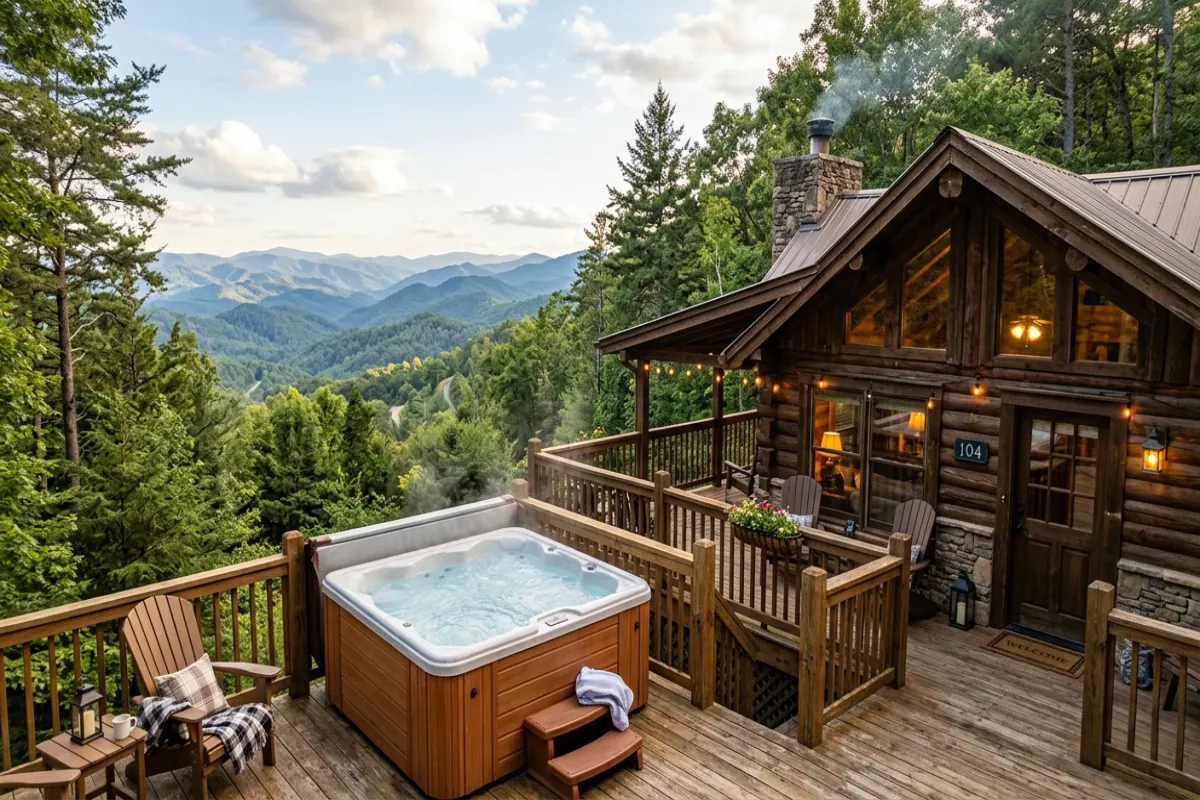
- Cabins: $120 to $500+ per night depending on size, location, and season. Many include hot tubs, fireplaces, game rooms, and mountain views. Best booked through local cabin rental companies
- Gatlinburg SkyLift and SkyBridge: About $30 per adult. Ride to the top and walk the longest pedestrian suspension bridge in North America
- Ripley’s Aquarium: About $35 to $40 per adult. One of the best aquariums in the Southeast
- Meals: Pancake breakfast (a Gatlinburg tradition): $10 to $15. Casual restaurant: $15 to $25. BBQ or Southern food: $12 to $25
Use our free travel budget template to plan your trip expenses.
Getting There and Getting Around
Driving
Most visitors drive. Gatlinburg is about 45 minutes from Knoxville (I-40 to Highway 441). From Nashville: 3.5 hours. From Atlanta: 3.5 hours. From Charlotte: 3 hours. Parking in downtown Gatlinburg can be challenging during peak season ($5 to $15 per day in lots).
Trolley System
Gatlinburg operates a trolley system connecting downtown, the national park entrance, and various lodging areas ($2 per ride). A separate trolley route connects to Pigeon Forge and Dollywood. Leave your car at your cabin or a free lot and use the trolley.
Within the National Park
A car is needed for the park’s scenic drives (Newfound Gap Road, Cades Cove Loop, Roaring Fork Motor Nature Trail). Cades Cove has a one-way 11-mile loop road that can be very slow during peak season (2 to 4 hours). Arrive early to beat traffic.
Must-See Attractions and Experiences
Great Smoky Mountains National Park
The most visited national park in the U.S. (over 12 million visitors annually) and free to enter. Key experiences:
- Newfound Gap Road: A 33-mile scenic drive crossing the Smokies from Gatlinburg to Cherokee, North Carolina. Views of layered mountain ridges. Newfound Gap (5,046 feet) straddles the Tennessee-North Carolina border
- Clingmans Dome: The highest point in the Smokies (6,643 feet) and the highest point in Tennessee. A steep half-mile walk to an observation tower with 360-degree views. Road open April to November
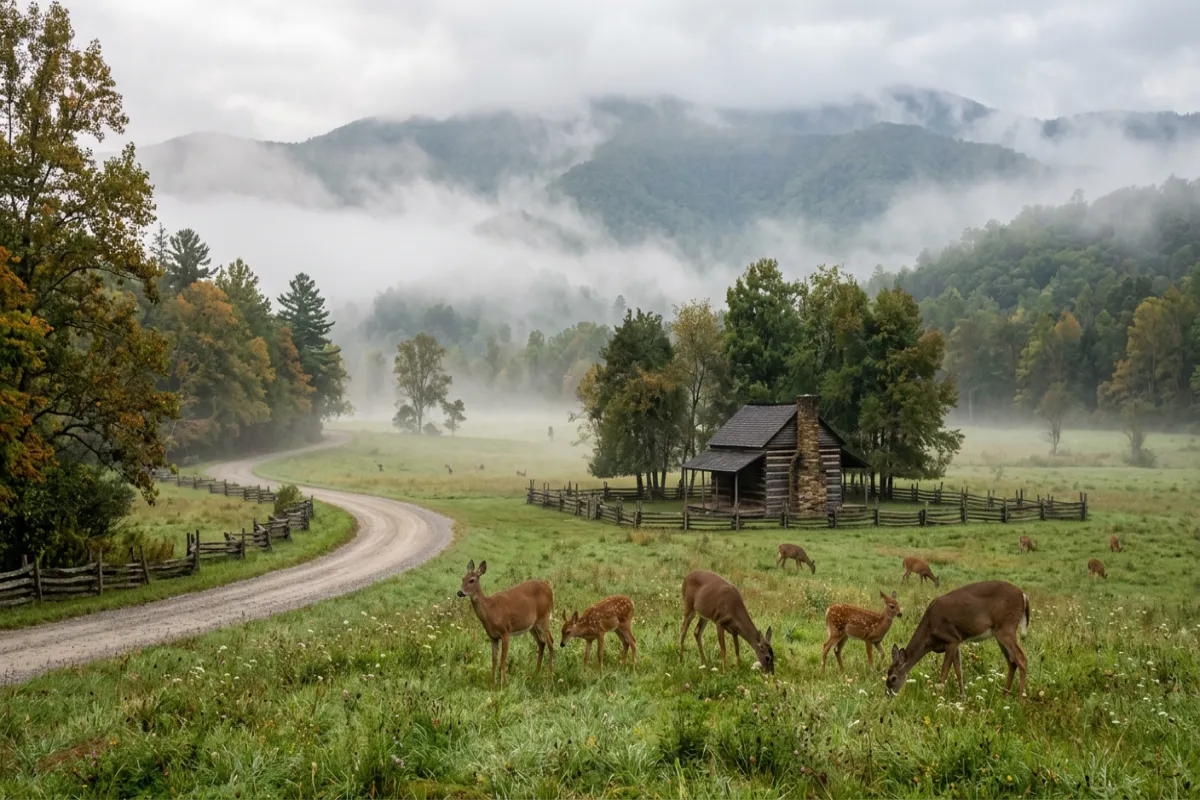
- Cades Cove: An 11-mile one-way loop road through a valley with historic buildings, white-tailed deer, black bears, and wild turkeys. Best at dawn (the road opens to vehicles at sunrise). The most popular area in the park
- Laurel Falls: The most popular waterfall hike. 2.6 miles round trip on a paved trail to an 80-foot waterfall. Stroller-accessible. Arrive before 9 AM for parking
- Chimney Tops: A challenging 4-mile round-trip hike to a rocky summit with panoramic views. One of the most rewarding short hikes in the park
- Roaring Fork Motor Nature Trail: A one-way scenic loop near Gatlinburg through old-growth forest with access to several trailheads and historic buildings. Grotto Falls (2.6-mile hike, walk behind the waterfall) is accessible from this road
Dollywood (Pigeon Forge)
Dolly Parton’s theme park, consistently rated among the best in the world. Roller coasters, Appalachian crafts, live music, Southern food, and seasonal festivals (Festival of Nations in spring, Smoky Mountain Summer Celebration, Harvest Festival in fall, Smoky Mountain Christmas). The 2026 season features NightFlight Expedition, the world’s first indoor family hybrid coaster and whitewater raft ride. Allow a full day.
Downtown Gatlinburg
A walkable strip of shops, restaurants, attractions, and pancake houses. The SkyLift and SkyBridge offer mountain views. The Space Needle observation tower and multiple Ripley’s attractions line the main parkway. It is touristy but fun, especially for families.
Gatlinburg Arts and Crafts Community
An 8-mile loop road east of downtown with over 100 artisan studios and galleries. Watch craftspeople make pottery, leather goods, candles, woodwork, and quilts. A more authentic experience than the downtown strip. Free to browse.
Food and Dining
- Pancake houses: Gatlinburg has more pancake houses per capita than almost anywhere in the U.S. Large, cheap breakfasts with pancakes, waffles, eggs, and country ham. A Gatlinburg tradition. $10 to $15 per person
- Southern BBQ: Smoked pork, brisket, and ribs with cornbread and collard greens. Multiple BBQ restaurants in Gatlinburg and Pigeon Forge
- Trout: Rainbow trout is caught locally and served at many restaurants. Pan-fried or grilled with hush puppies
- Moonshine: Legal moonshine distilleries are scattered through Gatlinburg and Pigeon Forge. Free tastings at most (Ole Smoky Moonshine is the most famous). Apple pie moonshine is the crowd favorite
- Fudge and candy: Candy shops along the parkway make fudge, taffy, and caramel apples. Sample freely
Tipping: 18 to 20 percent at sit-down restaurants.
Safety and Practical Tips
- Bears: Black bears are common in the Smokies (estimated 1,500 in the park). Keep 150 feet away. Store food in your car (not in tents or on cabin porches). Do not approach or feed bears
- Traffic: Gatlinburg and the park roads get very congested during peak season (October, summer weekends, holidays). Arrive at trailheads and Cades Cove early (before 8 AM)
- Weather: Mountain weather is unpredictable. Pack layers. Higher elevations are 10 to 15 degrees cooler than Gatlinburg. Afternoon thunderstorms are common in summer
- Stream crossings: Do not wade or play in streams near waterfalls during or after heavy rain. Water levels can rise rapidly
- Cell service: Limited to nonexistent in the national park. Download offline maps and trail information
- Cabin tips: Book directly through local rental companies for the best selection and rates. Read reviews carefully. Confirm amenities (hot tub, view, game room) before booking. Mountain roads to cabins can be steep and winding
Sample 4-Day Gatlinburg Itinerary
Day 1: Arrival and Downtown
Drive to Gatlinburg. Check into your cabin. Afternoon: walk downtown Gatlinburg. Ride the SkyLift and walk the SkyBridge. Browse shops and grab a moonshine tasting. Evening: pancake dinner (yes, breakfast for dinner is a Gatlinburg tradition) or BBQ.
Day 2: Great Smoky Mountains
Early morning: drive Cades Cove loop (arrive at sunrise for best wildlife viewing and lightest traffic). Watch for bears, deer, and turkeys. Explore historic buildings. Afternoon: hike Laurel Falls (2.6 miles round trip) or Grotto Falls (2.6 miles, walk behind the waterfall). Evening: relax at the cabin.
Day 3: Dollywood
Full day at Dollywood in Pigeon Forge (10 minutes from Gatlinburg). Ride the coasters, watch craftspeople demonstrations, enjoy live music, and eat Southern food. Try the new NightFlight Expedition ride. Return to cabin for evening hot tub.
Day 4: Hiking and Departure
Morning: drive Newfound Gap Road to Clingmans Dome (if open) for panoramic summit views. Or hike Chimney Tops for a more challenging experience. Stop at the Gatlinburg Arts and Crafts Community on the way back for handmade souvenirs. Depart.
Planning Your Gatlinburg Trip
Start building your custom itinerary with our free AI trip planner.
For more trip planning resources:
- Plan a Trip to Nashville
- Plan a Trip to Tennessee
- How to Plan a Camping Trip
- Free Road Trip Itinerary Template
Frequently Asked Questions
Is there an entrance fee for Great Smoky Mountains National Park?
No. The Smokies is one of the few national parks with free admission. Parking tags ($5/day or $40 annual) are required at some popular trailheads.
What is the best time to visit Gatlinburg?
Mid-October for peak fall foliage (most popular, most crowded, highest prices). April to May for wildflowers and fewer crowds. Summer for warm-weather hiking and swimming. Winter for cozy cabin stays and holiday events.
How far is Dollywood from Gatlinburg?
About 10 minutes (Pigeon Forge). Dollywood 1-day adult pass: $95. Buy online for discounts. Allow a full day. The 2026 season features the new NightFlight Expedition ride.
Should I stay in a cabin or hotel?
Cabins are the signature Gatlinburg experience. Mountain views, hot tubs, fireplaces, and more privacy than hotels. Prices range from $120 to $500+ per night. Hotels are available downtown for those who prefer walkability and do not want to drive mountain roads.
Are there bears in the Smokies?
Yes. About 1,500 black bears live in the park. Keep 150 feet away. Store food in your car. They are most active in spring and fall. Bear sightings are common in Cades Cove and along the park roads.
How crowded does it get?
Very crowded during October (fall foliage), summer weekends, and holidays. Arrive at trailheads and Cades Cove before 8 AM. The trolley system helps avoid downtown parking headaches.
What is Cades Cove?
An 11-mile one-way loop road through a scenic valley in the Smokies. Historic buildings, wildlife viewing (bears, deer, turkeys), and mountain views. Best at dawn. Can take 2 to 4 hours during peak traffic.
Do I need a car?
Yes for the national park and getting between Gatlinburg and Pigeon Forge. The Gatlinburg trolley covers downtown and connects to Dollywood, but a car is essential for park scenic drives and trailheads.
What about the wildfire recovery?
Gatlinburg was affected by wildfires in 2016. The town and park have fully recovered. New growth and the rebuilt downtown are thriving. There are no current impacts to visitor experiences.
What should I pack?
Layers (mountain temps vary significantly by elevation), sturdy hiking shoes, rain jacket, sunscreen, insect repellent (summer), swimsuit (swimming holes and cabin hot tubs), and binoculars for wildlife viewing.