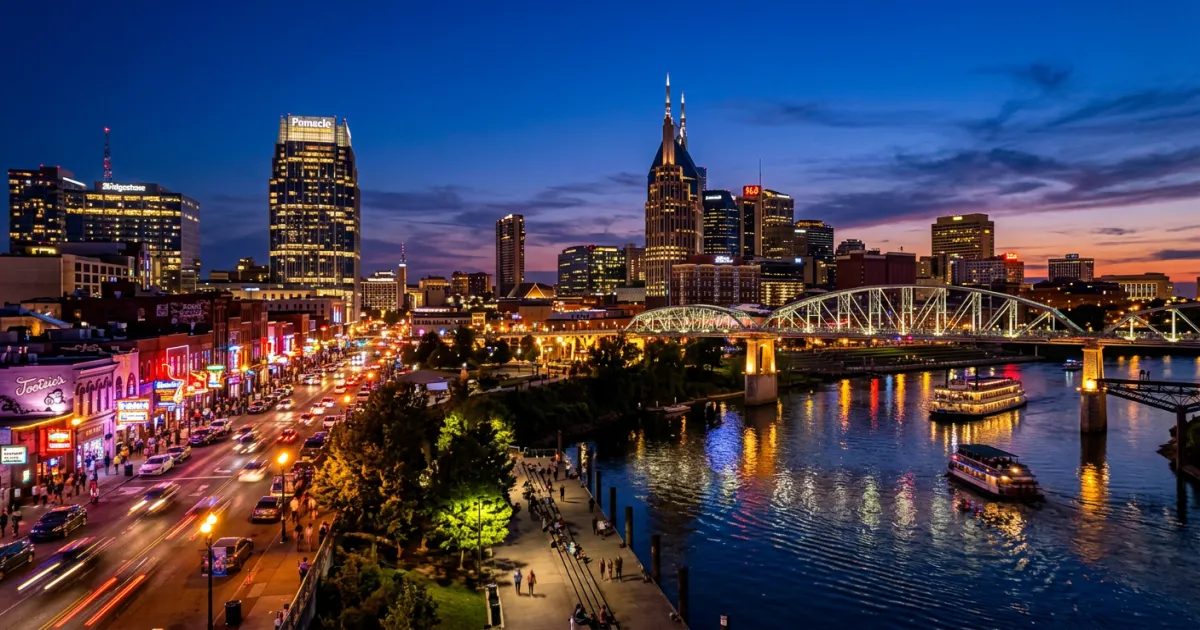
Tennessee stretches from the Great Smoky Mountains in the east to the Mississippi River in the west, with three distinct regions that feel like different states. Nashville brings the music and food, Memphis is the birthplace of rock and roll and blues, and the Smokies offer the most visited national park in the country. Add Dollywood, whiskey distilleries, and a BBQ trail, and Tennessee becomes one of the most rewarding road trip states in the South. This guide covers the whole state. For city-specific planning, see our Nashville guide and Gatlinburg guide.
Key Planning Facts
- Location: Southeastern United States, bordered by 8 states
- Currency: US Dollar (USD)
- Language: English
- Best months to visit: April to June and September to November
- Average daily budget: $100 to $250 per person
- Time zone: Eastern Time (east) and Central Time (west, including Nashville and Memphis)
- Major airports: Nashville (BNA), Memphis (MEM), Knoxville (TYS), Chattanooga (CHA)
- State size: 440 miles from east to west. Nashville to Memphis: 3 hours. Nashville to Gatlinburg: 3.5 hours. Memphis to Gatlinburg: 6 hours
- Music heritage: Nashville (country), Memphis (blues, rock and roll, soul), Bristol (birthplace of country music)
Best Time to Visit Tennessee
Spring (April to June)
Wildflowers bloom in the Smokies (over 1,500 species). Dogwoods and azaleas across the state. Comfortable temperatures (60 to 80 degrees Fahrenheit). Music festivals begin. One of the best times for both cities and nature.
Fall (September to November)
Fall foliage peaks mid-October in the Smokies and late October in Nashville and Memphis. Comfortable temperatures, lower humidity, and a packed concert calendar. October is the most popular month for the Smokies (book ahead).
Summer (July to August)
Hot and humid (85 to 95 degrees Fahrenheit). Summer concerts and festivals are in full swing. The Smokies are busy but still rewarding if you start hikes early. Swimming holes and rivers are at their best.
Winter (December to February)
Cool to cold (30 to 55 degrees Fahrenheit). Fewer tourists. Nashville and Memphis are open year-round with indoor music venues. The Smokies are quieter with occasional snow. Dollywood’s Smoky Mountain Christmas is a highlight. Good hotel deals.
How Long to Spend in Tennessee
A 7 to 10 day road trip covers all three regions: Nashville (2 to 3 days), Memphis (2 days), and Gatlinburg/Smokies (2 to 3 days). If you have less time, pick two of the three. Nashville alone deserves 2 to 3 days. A weekend in Memphis covers the highlights. The Smokies reward 3+ days.
Budget and Costs
Daily Budget Ranges
- Budget: $80 to $140 per person per day. Budget hotels ($60 to $100 per night), BBQ and casual food, free music and parks
- Mid-range: $150 to $250 per person per day. Hotels ($120 to $200 per night), restaurant dining, paid attractions, Dollywood
- Splurge: $300+ per person per day. Boutique hotels ($200 to $400 per night), fine dining, VIP music experiences, private distillery tours
Key Costs
- Great Smoky Mountains: Free entry. Parking tags $5/day at popular trailheads
- Dollywood: $95 per adult (1 day). In Pigeon Forge, 10 minutes from Gatlinburg
- Graceland (Memphis): $45 to $80 per adult depending on tour level. Elvis Presley’s home and the second most-visited private home in America (after the White House)
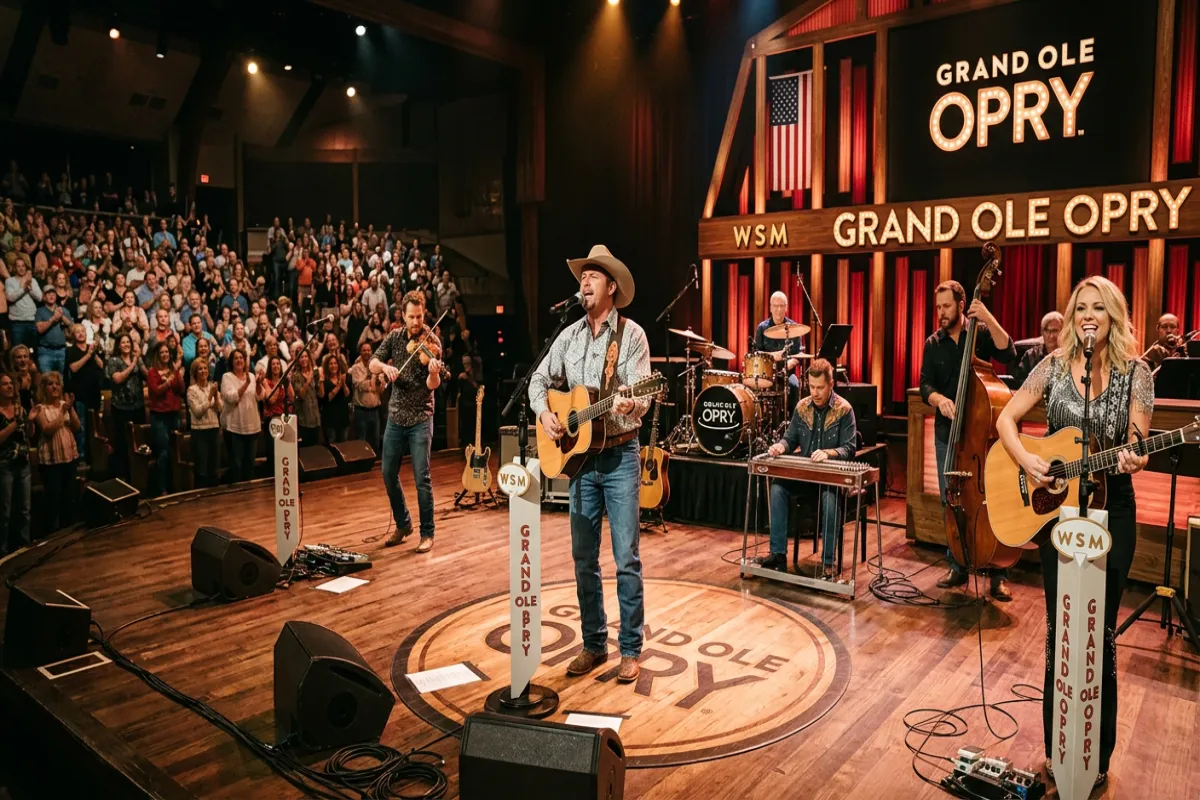
- Grand Ole Opry (Nashville): $45 to $90 per ticket
- Country Music Hall of Fame: $30 per adult
- Jack Daniel’s Distillery (Lynchburg): Free tour, tastings $15 to $20. About 90 minutes south of Nashville
- Meals: BBQ plate: $12 to $22. Hot chicken: $12 to $18. Meat-and-three: $10 to $15. Memphis dry rub ribs: $15 to $25
Use our free travel budget template to plan your trip.
Tennessee’s Three Regions
West Tennessee: Memphis
The birthplace of blues, rock and roll, and soul music. Beale Street is the heart of the Memphis music scene: live blues clubs, neon signs, and BBQ restaurants. Sun Studio is where Elvis Presley, Johnny Cash, Jerry Lee Lewis, and Carl Perkins recorded. Stax Museum of American Soul Music tells the story of Otis Redding, Isaac Hayes, and the Memphis sound. Graceland is Elvis’s home and America’s second-most-visited private residence. Memphis BBQ (dry rub ribs, pulled pork) is legendary and fiercely debated.
Middle Tennessee: Nashville
Music City. Country music heritage (Grand Ole Opry, Ryman Auditorium, Country Music Hall of Fame, Music Row) combined with a booming food scene, craft cocktail bars, and creative neighborhoods. Lower Broadway honky-tonks play live music all day, every day, with no cover charge. Hot chicken is the signature dish. The Gulch, East Nashville, 12South, and Germantown neighborhoods each have distinct character. See our full Nashville guide.
East Tennessee: Smokies, Gatlinburg, Chattanooga
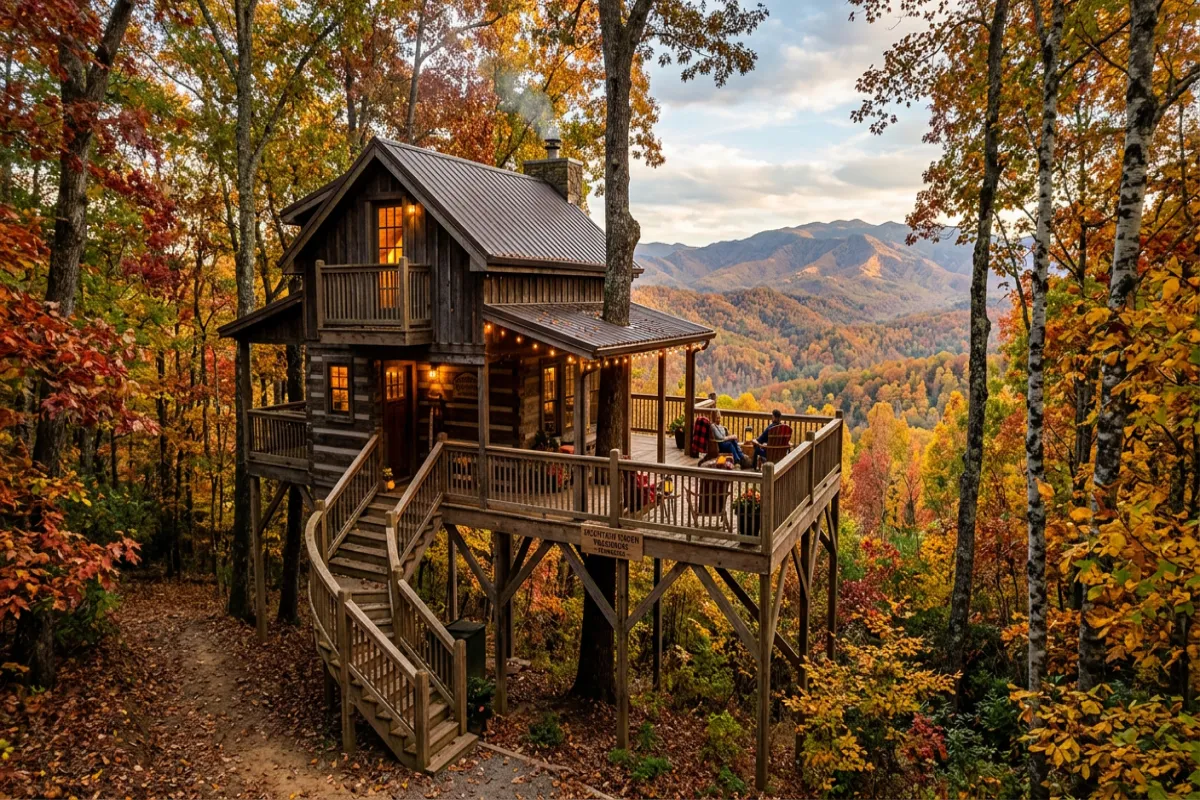
Great Smoky Mountains National Park (the most visited national park in the U.S., free entry) with 800+ miles of hiking trails. Gatlinburg is the gateway town with cabins, pancake houses, and attractions. Pigeon Forge has Dollywood. Chattanooga has the Tennessee Aquarium, Lookout Mountain, and a revitalized riverfront. See our full Gatlinburg guide.
Must-See Experiences
Nashville Honky-Tonks
Walk Lower Broadway and step into any honky-tonk with music pouring out the door. Live bands play from 10 AM to 3 AM daily, no cover charge. Tip the musicians generously.
Beale Street (Memphis)
Three blocks of blues clubs, restaurants, and bars. Live music every night. The sound of the blues echoes off the neon signs. B.B. King’s Blues Club is the most famous venue. Free to walk; some clubs have a cover charge ($5 to $10) on weekends.
Graceland (Memphis)
Elvis Presley’s mansion, preserved as it was when he lived there. The Jungle Room, trophy building, and Elvis’s grave on the grounds. Audio tour narrated by John Stamos. $45 to $80 depending on tour level. Plan 2 to 3 hours.
Great Smoky Mountains
Free national park with 800+ miles of trails, waterfalls, wildlife (bears, elk, deer), and scenic drives. Cades Cove, Newfound Gap Road, and the Roaring Fork Motor Nature Trail are the highlights. Fall foliage peaks mid-October. See our Gatlinburg guide for detailed park planning.
Jack Daniel’s Distillery
In tiny Lynchburg (population 800), about 90 minutes south of Nashville. Free guided tour of the world’s most famous whiskey distillery. Tastings cost $15 to $20. Lynchburg is in a dry county, so you cannot buy a full bottle in town (only at the distillery gift shop). The irony is part of the charm.
Chattanooga
The Tennessee Aquarium is one of the best freshwater aquariums in the world. Lookout Mountain has Rock City (see 7 states from one point), Ruby Falls (underground waterfall), and the Incline Railway (steepest passenger railway in the world). The Riverwalk and Walnut Street Pedestrian Bridge connect the downtown arts and food scene.
Food and Dining
- Nashville hot chicken: Fried chicken coated in fiery cayenne paste on white bread with pickles. Nashville’s culinary icon. Start at “medium” heat
- Memphis BBQ: Dry rub ribs (no sauce, just spice rub) and pulled pork sandwiches. Memphis BBQ is a religion with fierce loyalties. Wet ribs (with sauce) are also available
- Meat-and-three: Choose one meat and three sides at a Southern cafeteria-style restaurant. Mac and cheese, collard greens, fried okra, cornbread. $10 to $15
- Biscuits: Buttermilk biscuits with gravy, honey, jam, or fried chicken. A breakfast staple across the state
- Tennessee whiskey: Jack Daniel’s and George Dickel are the most famous, but the state has a growing craft distillery scene. Tennessee whiskey uses a charcoal filtering process (Lincoln County Process) that distinguishes it from bourbon
- Moonshine: Legal moonshine distilleries are scattered through East Tennessee, especially in Gatlinburg and Pigeon Forge. Free tastings at most
Tipping: 18 to 20 percent at restaurants. Tip musicians at honky-tonks and live music venues.
Safety and Practical Tips
- Safety: Tourist areas in Nashville, Memphis (Beale Street, Graceland, downtown), and the Smokies are generally safe. Standard precautions apply. Memphis has higher crime rates than Nashville; stay in tourist-friendly areas
- Driving: A car is essential for a Tennessee road trip. Nashville to Memphis: 3 hours via I-40. Nashville to Gatlinburg: 3.5 hours. The state is easy to drive with well-maintained highways
- Dry counties: Some Tennessee counties prohibit alcohol sales (including Lynchburg, home of Jack Daniel’s). Check before planning. Nashville and Memphis are fully wet
- Weather variability: Tennessee weather can change quickly, especially in the mountains. Pack layers. Summer afternoons bring thunderstorms
- Smokies parking: Popular trailheads and Cades Cove fill before 9 AM during peak season. Arrive early
- Music etiquette: Tip musicians at honky-tonks ($5 to $20 per set). Tips are their primary income. Do not request “Free Bird”
Sample 8-Day Tennessee Road Trip
Days 1 to 3: Nashville
Fly into BNA. Day 1: Country Music Hall of Fame, Lower Broadway honky-tonks, hot chicken dinner. Day 2: Ryman Auditorium tour, 12South neighborhood (I Believe in Nashville mural), Germantown for brunch and breweries. Evening: Grand Ole Opry show. Day 3: Jack Daniel’s Distillery day trip (90 minutes south). Afternoon: explore East Nashville. Evening: live music at Exit/In or the Basement East.
Days 4 to 5: Memphis
Drive Nashville to Memphis (3 hours). Day 4: Sun Studio tour, Stax Museum, Beale Street for evening blues. Day 5: Graceland (2 to 3 hours), National Civil Rights Museum at the Lorraine Motel (where Martin Luther King Jr. was assassinated, one of the most important museums in America). Afternoon: BBQ crawl. Evening: more Beale Street live music.
Days 6 to 8: Smokies and East Tennessee
Drive Memphis to Gatlinburg (6 hours, or fly Memphis to Knoxville then drive 1 hour). Day 6: Cades Cove scenic drive (arrive at sunrise for wildlife and no traffic). Afternoon: downtown Gatlinburg, SkyLift and SkyBridge. Day 7: hike in the Smokies (Laurel Falls, Grotto Falls, or Chimney Tops). Afternoon: Dollywood in Pigeon Forge (or save for a full day). Day 8: morning hike or one more waterfall. Drive to Knoxville (TYS) for departure.
Planning Your Tennessee Trip
Start building your custom itinerary with our free AI trip planner.
For more trip planning resources:
Frequently Asked Questions
What is the best time to visit Tennessee?
April to June (spring wildflowers, pleasant weather) and September to November (fall foliage, comfortable temperatures). Mid-October is peak in the Smokies. Summer is hot and humid.
How many days do I need?
7 to 10 days for a full state road trip (Nashville, Memphis, Smokies). 2 to 3 days for Nashville alone. 2 days for Memphis. 3+ days for the Smokies and Gatlinburg.
Nashville or Memphis?
Nashville for country music, hot chicken, modern food scene, and nightlife energy. Memphis for blues, soul, BBQ, Elvis, and civil rights history. Both are essential. If you only have time for one, Nashville has more tourist infrastructure and is easier for first-time visitors.
Is the Great Smoky Mountains free?
Yes. One of the few national parks with free admission. Parking tags ($5/day) required at some popular trailheads.
What is Tennessee whiskey?
Like bourbon but filtered through charcoal before aging (the Lincoln County Process). Jack Daniel’s is the most famous. George Dickel, Nelson’s Green Brier, and others offer distillery tours. Lynchburg (Jack Daniel’s) is 90 minutes south of Nashville.
Is Memphis safe?
Tourist areas (Beale Street, Graceland, downtown, Cooper-Young) are generally safe. Memphis has higher crime rates than Nashville overall. Stay in tourist-friendly areas and use rideshare at night.
What is hot chicken?
Fried chicken coated in fiery cayenne paste, served on white bread with pickles. A Nashville invention from the 1930s. Heat levels from mild to extreme. Start at medium.
Do I need a car?
Yes for a state road trip. Nashville’s downtown is walkable, Memphis’s main attractions are spread out (car or rideshare needed). A car is essential for the Smokies.
What is a honky-tonk?
A bar with live music. Nashville’s Lower Broadway has a stretch of honky-tonks playing live country, rock, and Americana music from 10 AM to 3 AM, 7 days a week. No cover charge. Tip the bands.
What should I pack?
Layers (mountain weather varies), comfortable walking shoes, rain jacket, hiking boots for the Smokies, and a going-out outfit for Nashville nightlife (casual but put-together). Sunscreen for outdoor activities.