| St. John, USVI Quick Facts | |
|---|---|
| Territory | US Virgin Islands (US territory) |
| Currency | US Dollar (USD) |
| Language | English |
| Time Zone | Atlantic Standard Time (AST, no DST) |
| Passport | Not required for US citizens |
| Daily Budget | $120 to $500+ per person |
| Best Time | December to April |
| Getting There | Ferry from St. Thomas (20 minutes) |
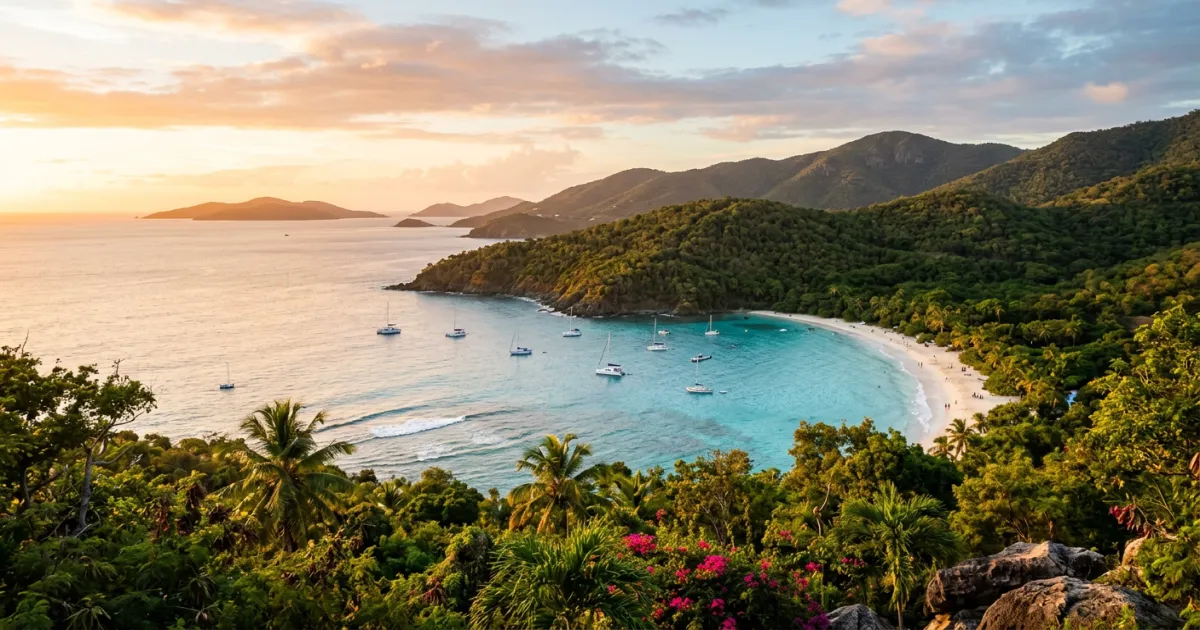
St. John is the smallest and least developed of the three main US Virgin Islands, and that is precisely its appeal. Two-thirds of the island is Virgin Islands National Park, donated by Laurance Rockefeller in 1956 to be preserved in its natural state. The result is an island with some of the most beautiful beaches in the Caribbean, pristine snorkeling reefs, and hiking trails through tropical forest to colonial-era sugar plantation ruins. There are no direct flights to St. John, no chain hotels, and no cruise ship docks. You arrive by ferry and quickly understand why people who discover this island keep coming back.
For a broader framework for organizing any trip, our how to plan a trip guide covers the fundamentals.
Best Time to Visit St. John, USVI
December through April is peak season with dry weather, temperatures in the low to mid-80s F, and calm seas ideal for snorkeling. This is also the most expensive period, especially around Christmas and New Year when many rentals have minimum stays of 1 to 2 weeks. May through November offers lower prices, fewer crowds, and warm weather, but with higher humidity and occasional rain. Hurricane season runs June through November, with the greatest risk August through October.
Getting to St. John, USVI
St. John has no airport. You fly into St. Thomas (STT) and take a taxi to Red Hook (about 30 to 45 minutes from the airport, $15 to $25 per person). From Red Hook, the passenger ferry to Cruz Bay runs every hour (20 minutes, about $14 round trip). A car ferry also operates between Red Hook and Cruz Bay ($50 round trip with vehicle). No passport needed for US citizens. Within St. John, you can rent a Jeep (strongly recommended) or use the limited open-air taxi/safari bus system.
Top Things to Do in St. John, USVI
- Trunk Bay Beach: Ranked among the best beaches in the world. White sand, turquoise water, and an underwater snorkeling trail with signs identifying marine life. National park entry fee: $5 per person.
- Reef Bay Trail: A 2.2-mile downhill hike through tropical forest past sugar mill ruins and Taino petroglyphs. The park service runs guided hikes with a boat return ($30 per person, reserve ahead). One of the best hikes in the Caribbean.
- Cinnamon Bay Beach: A long stretch of beach with calm water, snorkeling along the headlands, and the trailhead for Cinnamon Bay Loop trail through sugar plantation ruins. Camping and eco-tents available.
- Snorkeling at Waterlemon Cay: A small offshore cay accessible by a short swim from the Leinster Bay trail. Excellent reef snorkeling with sea turtles, rays, and tropical fish. Less crowded than Trunk Bay.
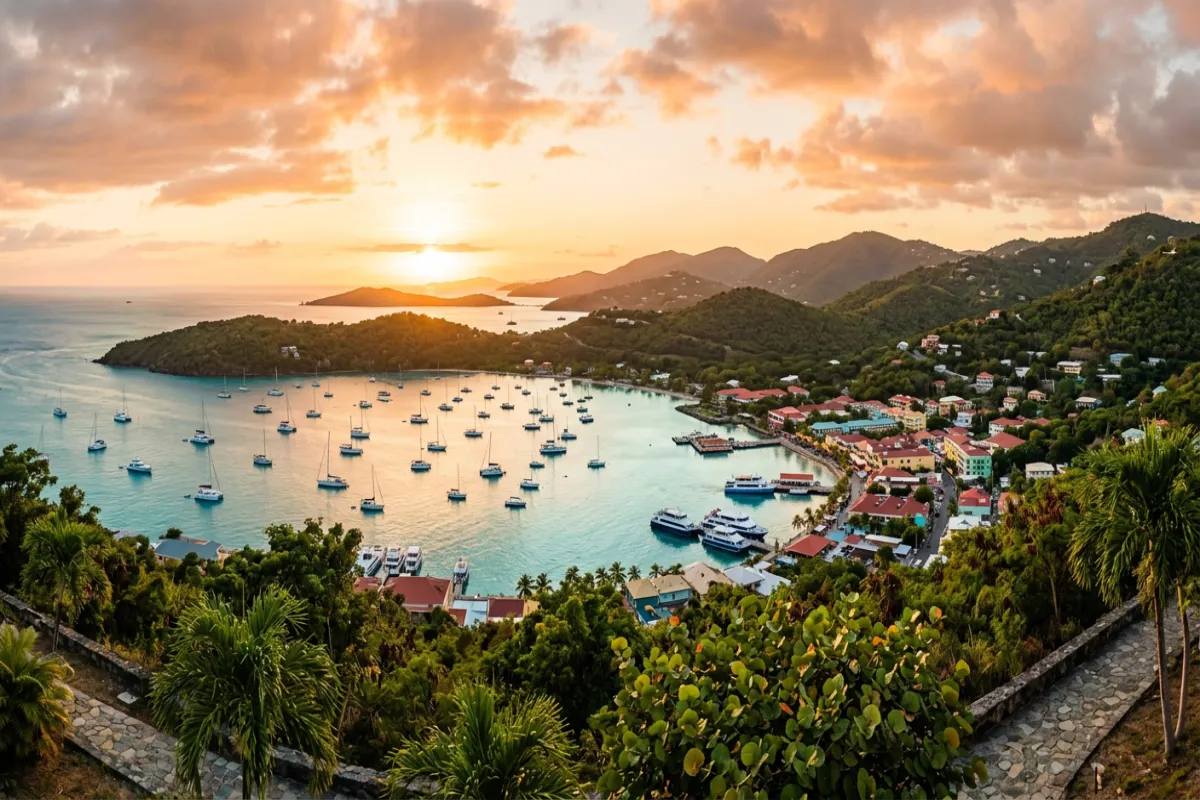
- Cruz Bay Town: The main town on St. John with restaurants, bars, and shops around a compact waterfront. Woody’s Seafood Saloon and The Longboard are local favorites. The Friday night Carnival-style jump up is fun.
- Annaberg Plantation Ruins: Ruins of an 18th-century Danish sugar plantation on the north shore. Self-guided tour with interpretive signs. Free with park entry. Views across to the British Virgin Islands.
Where to Stay
St. John has no large chain hotels. Vacation rentals (VRBO, Airbnb) are the primary accommodation, ranging from Cruz Bay condos ($150 to $300 per night) to hillside villas with views ($300 to $1,000+). Camping at Cinnamon Bay was rebuilt after Hurricane Irma and offers tent sites ($40), eco-tents ($100 to $150), and cottages ($170 to $250). A few small hotels and guesthouses operate in Cruz Bay ($150 to $300). Book early for December through April; inventory is limited.
Sample 3-Day St. John, USVI Itinerary
- Day 1 – Beaches: Ferry from St. Thomas to Cruz Bay. Rent a Jeep and drive to Trunk Bay for a morning of beach and snorkeling. Afternoon at Cinnamon Bay for more relaxed swimming and the plantation trail. Return to Cruz Bay for sunset drinks and dinner.
- Day 2 – Hiking and Snorkeling: Morning Reef Bay Trail hike (guided or self-guided, 2 to 3 hours down). Afternoon snorkeling at Waterlemon Cay or Maho Bay (sea turtles are commonly spotted at Maho). Drive to Annaberg Plantation for the ruins and BVI views. Evening in Cruz Bay.
- Day 3 – Island Exploration: Morning at a less-visited beach like Salt Pond Bay (short hike in) or Francis Bay. Drive the north shore road for viewpoints. Afternoon shopping and lunch in Cruz Bay before the ferry back to St. Thomas.
Budget Estimate
Budget travelers can manage on $120 to $180 per day by camping at Cinnamon Bay, bringing some food from St. Thomas (groceries on St. John are 30 to 50% more expensive), and sticking to free beaches and hiking. Mid-range travelers should plan for $250 to $400 covering a vacation rental, restaurant meals, Jeep rental ($60 to $100 per day), and park entry. Luxury travelers will spend $500+ for a hilltop villa, private charters, and dining at the island’s upscale restaurants. Everything on St. John costs more than the mainland due to shipping.
Planning Tools
Ready to start building your St. John, USVI trip? Our free AI trip planner can generate a custom itinerary based on your dates, budget, and interests.
Frequently Asked Questions
Do you need a car on St. John?
A Jeep or 4×4 rental is strongly recommended. The roads are steep, winding, and narrow, and you drive on the left side (a holdover from Danish colonial days). The taxi safari buses run to major beaches but on limited schedules. Having your own wheels lets you explore at your pace and reach less-visited beaches.
How many days do you need on St. John?
Three to four days covers the main beaches, a hike, and time to relax. A week lets you explore every beach, do multiple hikes, and fully decompress into island pace. Many visitors fall in love and extend their stay, so build in flexibility if you can.
Is St. John expensive?
Yes, it is one of the more expensive Caribbean destinations. Groceries, dining, and accommodations are all pricier than the US mainland. However, the national park beaches and trails are free (aside from a $5 day-use fee), and the natural beauty is the main attraction. Bringing supplies from St. Thomas helps manage costs.