Photo: Google
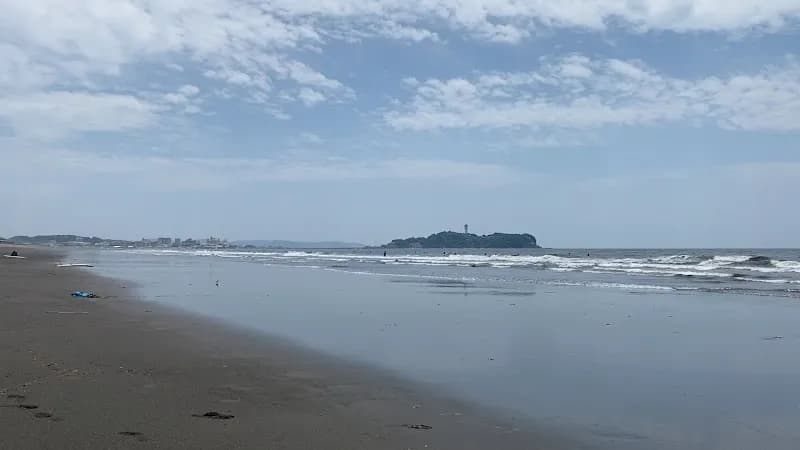
Photo: Google
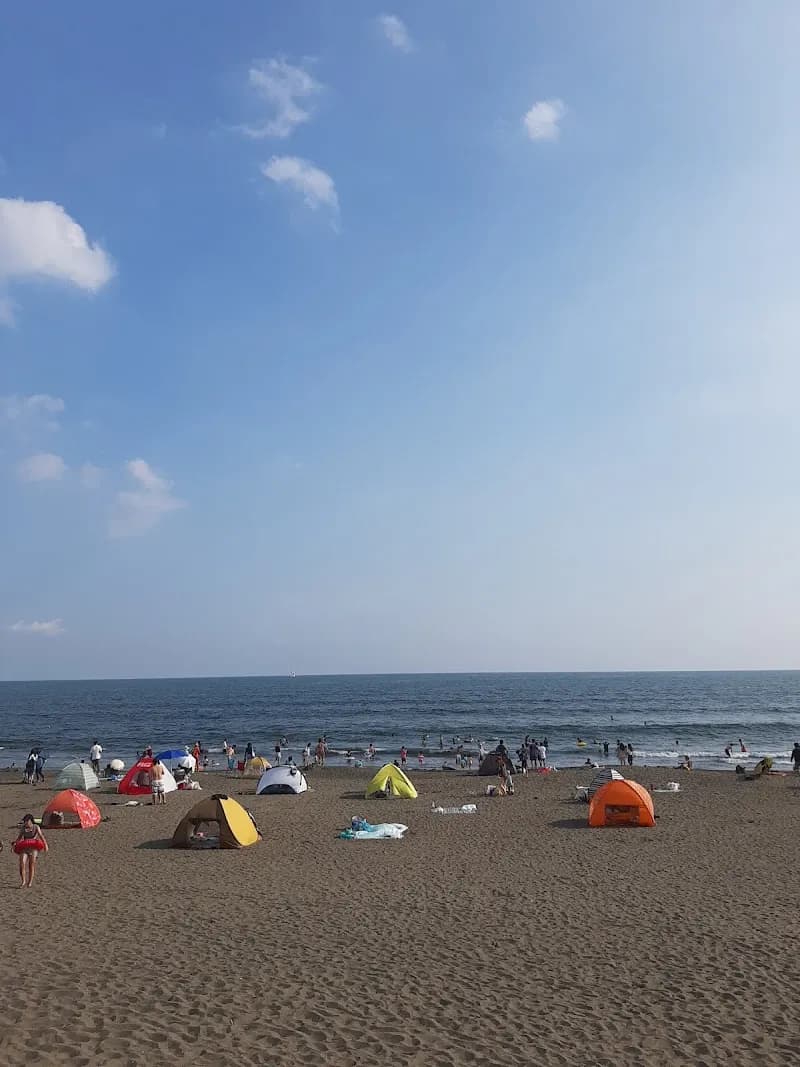
Photo: Google
Tsujido Coast
★4.5(121 reviews)Activity
🕑 3-4 hours👶 Best for ages 2-12. Toddlers and preschoolers love the gentle waves and sandy play areas, while elementary-aged kids enjoy swimming, bodyboarding, and beach games in the supervised waters.🧡 Saved by 80+ families
About
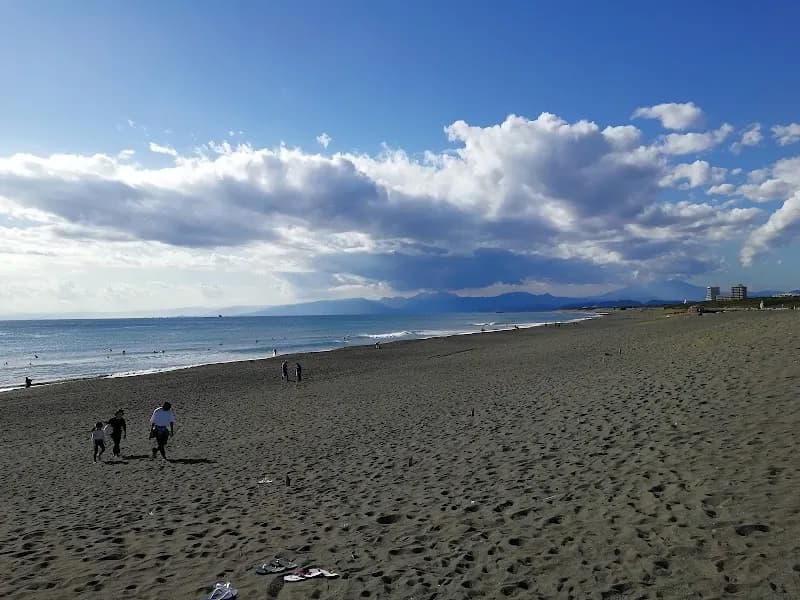
Tsujido Coast offers families a quintessential Japanese beach experience with calm, shallow waters perfect for young swimmers and sandcastle builders. The presence of lifeguards, equipment rental facilities, and proximity to family-friendly restaurants make this a stress-free beach day destination where parents can relax while kids safely explore the shore.
Highlights
- ✓Lifeguard-supervised swimming areas with gentle waves ideal for beginner swimmers
- ✓Equipment rental facilities offering beach umbrellas, chairs, and boogie boards
- ✓Clean, well-maintained sandy beach with designated family zones
- ✓Stunning views of Mount Fuji on clear days
- ✓Shallow water areas perfect for toddlers to splash and play safely
Pro Tips
- 1.Arrive before 10am on weekends to secure good beach space and avoid the midday crowds, especially during summer vacation periods
- 2.Rent beach umbrellas and chairs from the on-site facilities rather than carrying your own from Tokyo or Yokohama
- 3.Download the Japan Lifeguarding Association app for real-time beach condition updates and flag warnings in English
- 4.Bring cash (yen) as many beach vendors and rental shops don't accept credit cards
- 5.Look for the designated swimming zones marked with buoys where lifeguards are most attentive to families with children
Best Time to Visit
Visit on weekday mornings from late June through early September for the warmest water and smallest crowds. Arrive by 9am to claim a good spot and enjoy 3-4 hours before the afternoon heat peaks.
What to Know
Beach access is free, but umbrella and chair rentals cost around 2,000-3,000 yen for the day. Public restrooms and changing facilities are available, and several convenience stores and casual restaurants line the beachfront road within easy walking distance.
Seasonal Notes
Swimming season runs from early July through late August with full lifeguard coverage. The beach is accessible year-round for walking and playing in sand, but lifeguards and rental facilities operate only during summer months. Avoid visiting during Golden Week (late April/early May) and Obon (mid-August) when crowds are heaviest.
Nearby Eats
Beachside cafes along Route 134 offer kid-friendly options like curry rice and yakisoba. For a treat, stop at one of the ice cream shops or shaved ice (kakigori) stands just steps from the sand.
More Activities Near Fujisawa
Nature
Enoshima
★4.5Free❤️7
Enoshima is a magical island adventure just a bridge away from mainland Japan, offering families a perfect blend of nature exploration, beach fun, and cultural discovery. Kids will love hiking the scenic trails, spotting sea creatures in tide pools, and exploring the mystical Enoshima Shrine complex with its caves and ocean views. The compact island is walkable and provides a safe, enclosed environment where families can spend an entire day discovering hidden gardens, observing sailboats, and enjoying authentic Japanese street food.
Aquarium
Enoshima Aquarium
★4.3$$❤️36
Enoshima Aquarium offers an engaging marine adventure for families with interactive touch pools where children can get hands-on with sea creatures, mesmerizing jellyfish displays, and exhibits showcasing local Japanese marine life. With stunning views of Sagami Bay and Mount Fuji on clear days, this aquarium combines educational experiences with beautiful coastal scenery that the whole family will enjoy.
Amusement Park
Shōnan-Enoshima Station
★4.3$$$❤️125
Shōnan-Enoshima Station isn't just a transit hub, it's home to a charming small amusement area perfect for families with young children exploring the Enoshima area. The gentle rides, classic carousel, and arcade games provide a delightful break during your beach day or before heading to nearby Enoshima Island, making it an unexpected family-friendly stop along your journey.
Museum
Fujisawa Ukiyo-e Museum
★4.3$❤️37
This welcoming ukiyo-e (traditional Japanese woodblock print) museum offers hands-on workshops and art classes specifically designed for children, making traditional Japanese art accessible and fun for young visitors. The family-friendly exhibitions showcase colorful prints of landscapes, nature, and everyday life from Japan's Edo period, which often captivate children with their bold designs and storytelling elements.