Photo: Google
Photo: Google
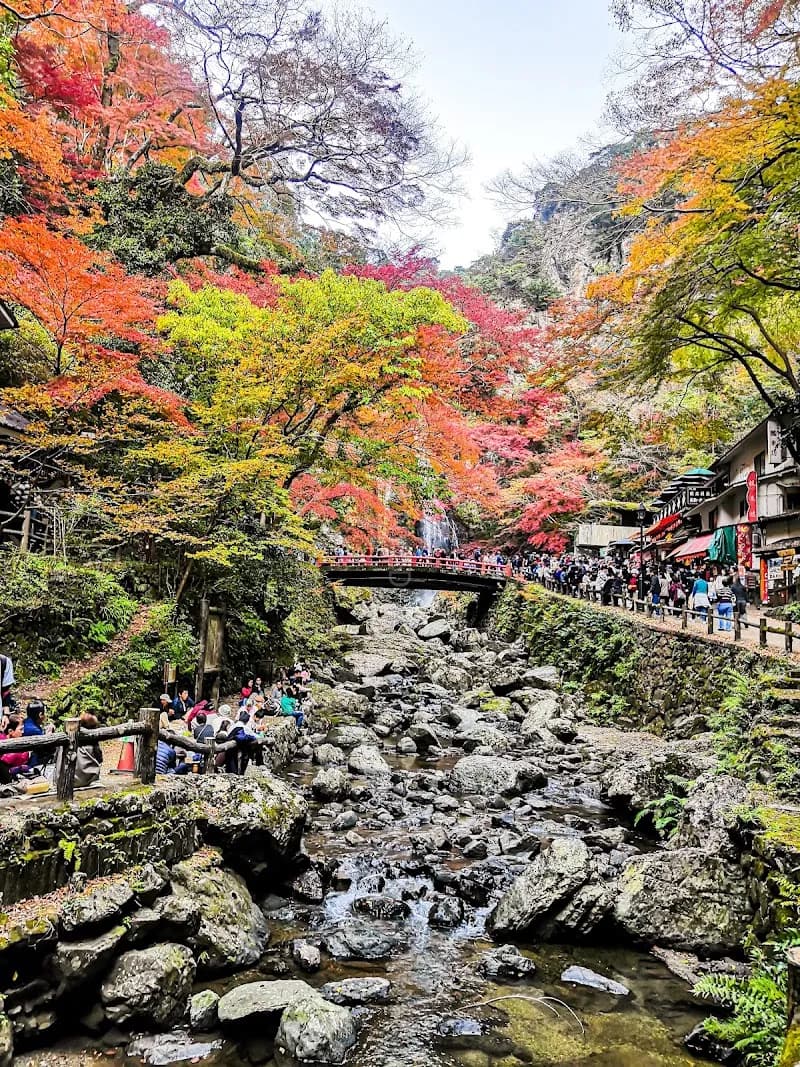
Photo: Google
Mino Children's Plaza
Activity
🕑 2-3 hours👶 Best for ages 1-8. Toddlers and preschoolers will especially love the gentle slides and soft play areas, while early elementary kids enjoy the climbing equipment and interactive activity zones.
About
Mino Children's Plaza is a dedicated indoor play haven designed specifically for young children, offering a safe, climate-controlled environment perfect for active play regardless of the weather. This facility features age-appropriate slides, climbing structures, and various activity zones that encourage physical development and imaginative play in a uniquely Japanese setting.
Highlights
- ✓Age-specific play zones designed for different developmental stages
- ✓Indoor slides and climbing structures safe for young children
- ✓Activity areas promoting creative and imaginative play
- ✓Climate-controlled environment perfect for hot or rainy days
- ✓Japanese-style play culture experience with local families
Pro Tips
- 1.Bring or wear socks, as Japanese indoor play facilities typically require them for hygiene (shoe-free zones are standard).
- 2.Visit on weekday mornings to avoid local weekend crowds, especially during rainy season when indoor facilities get busier.
- 3.Download a translation app before arriving, as staff may have limited English, though facilities are intuitive to navigate.
- 4.Bring a small towel and change of clothes, as active play can get sweaty and some facilities have water play elements.
- 5.Check if the facility requires advance registration online, as some Japanese children's centers use booking systems to control capacity.
Best Time to Visit
Weekday mornings (9-11am) offer the least crowded experience. Avoid weekends, Japanese public holidays, and rainy days when local families flock to indoor activities.
What to Know
Entry fees are typically very affordable (usually under 1000 yen per child). Lockers are available for storing shoes and belongings. Limited English signage is common, but pictorial instructions make navigation easy.
Seasonal Notes
Open year-round, making it especially valuable during Osaka's hot, humid summers (June-September) and rainy season (June-July) when outdoor play is challenging.
Nearby Eats
Mino City has family-friendly restaurants near the station area, including casual udon and ramen shops with picture menus and child-sized portions. The nearby Mino Park area also has seasonal food stalls, especially beautiful during autumn foliage season.
More Activities Near Mino
Adventure
Mino Mountain Trail Network
❤️6
Mino Mountain Trail Network offers families a peaceful escape into nature just outside Osaka, with well-maintained forest paths that wind through beautiful scenery including bamboo groves and seasonal maple trees. The variety of trail difficulties means families can choose routes matching their children's abilities, from gentle walks suitable for young kids to more challenging hikes for adventurous families.
Nature
Mino Waterfall (Mino-no-taki)
Free❤️5
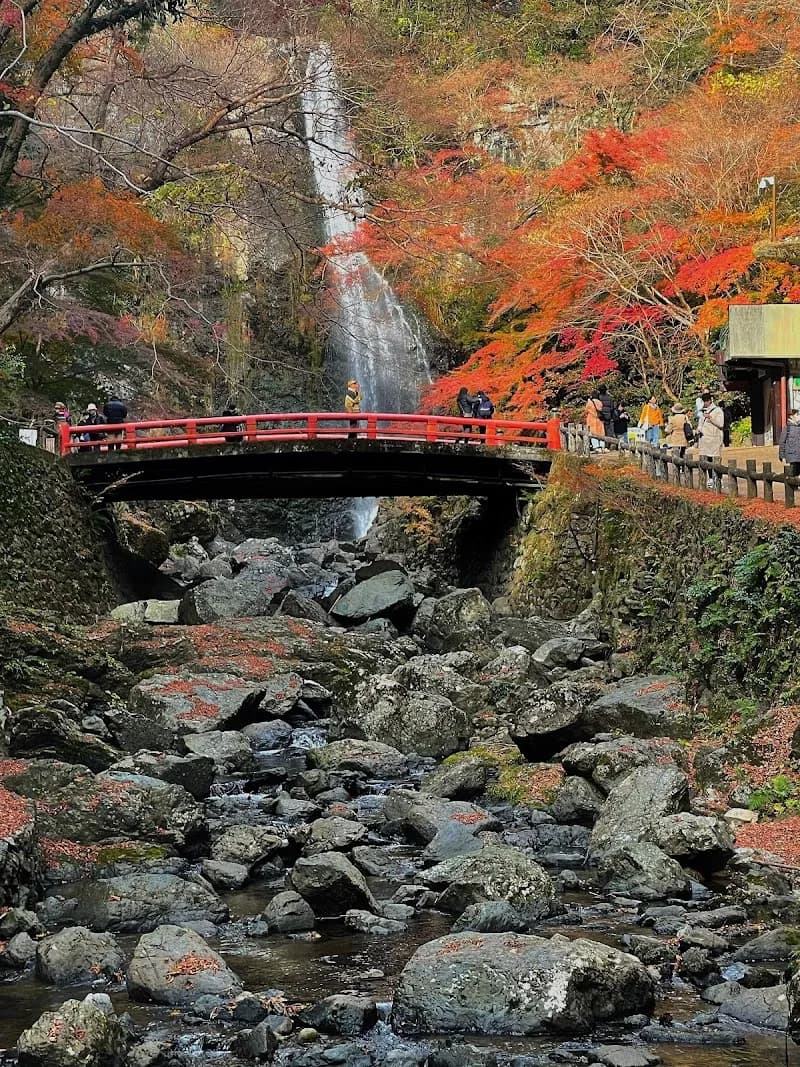
Mino Waterfall offers families a gentle 2.8km forest trail leading to a stunning 33-meter cascade, making it one of the most accessible natural attractions near Osaka. The well-maintained path winds through lush maple forests, crossing charming bridges and passing local shops selling momiji tempura (fried maple leaves), creating an adventure that feels special without being too challenging for little legs.
Museum
Kawai Katsushika Museum
$
This charming art museum in Mino celebrates the whimsical works of local artist Kawai Katsushika, featuring colorful, playful illustrations that captivate children's imaginations. The peaceful Japanese gardens provide a wonderful space for kids to explore after viewing the galleries, making it an ideal blend of cultural education and outdoor discovery.
Park
Tenjin Park
Free
Tenjin Park offers families a peaceful escape in Mino with traditional Japanese neighborhood park charm. Kids can burn energy on playground equipment and open grass areas perfect for picnics and ball games, while parents enjoy the serene walking paths that provide a authentic local experience away from tourist crowds.