Photo: Google
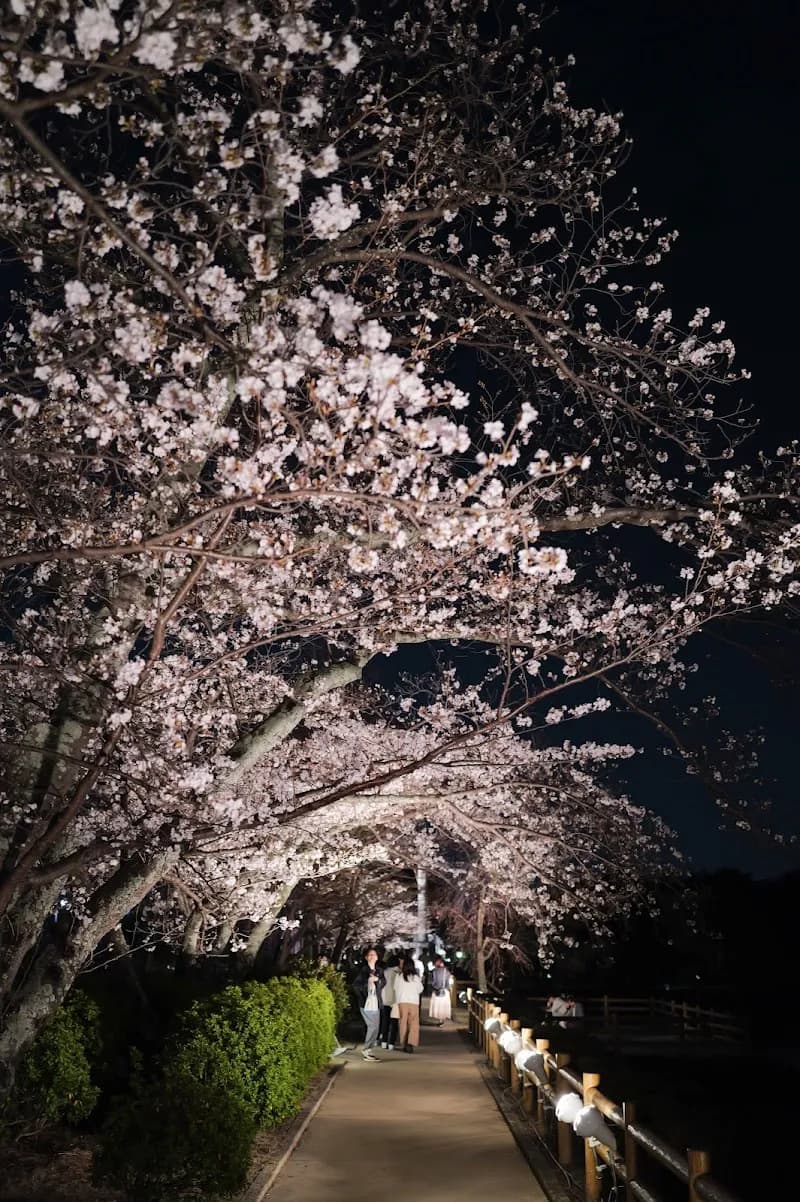
Photo: Google
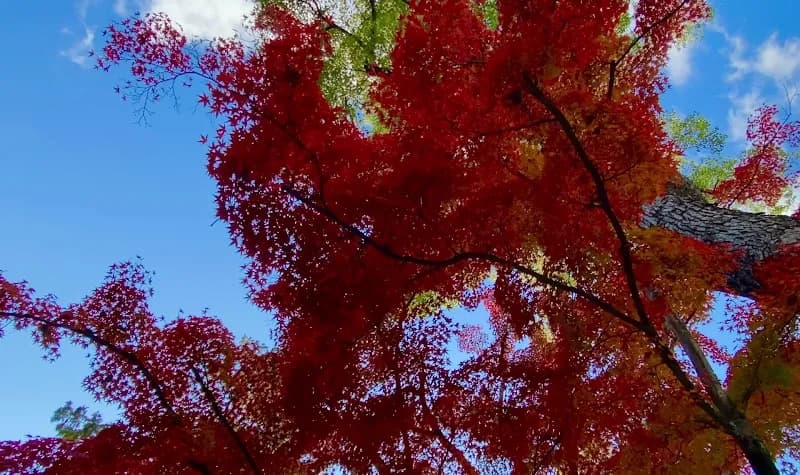
Photo: Google
Nagaoka Tenmangu Shrine
★4.2(2,625 reviews)$Museum
🕑 1.5 to 2.5 hours👶 Best for ages 4-12. Younger children will enjoy the interactive museum exhibits and peaceful shrine grounds, while older kids can appreciate the historical significance and participate in traditional shrine activities like drawing omikuji (fortune papers).🧡 Saved by 150+ families
About
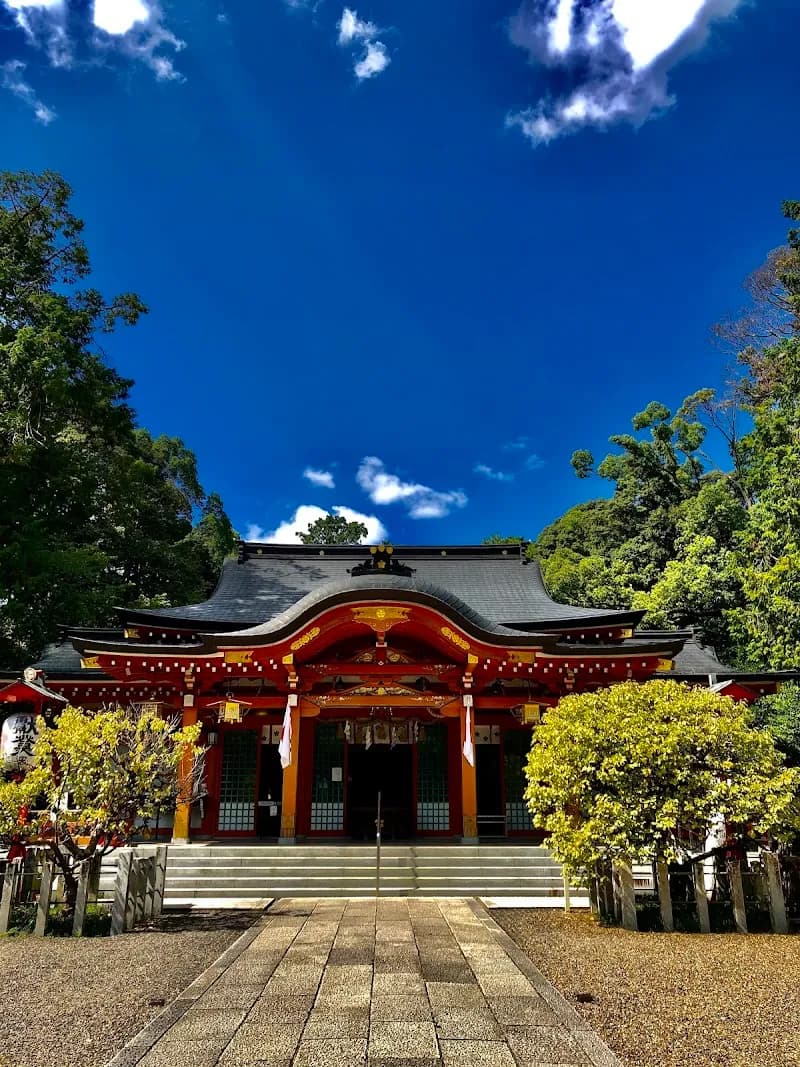
Nagaoka Tenmangu Shrine offers a wonderful blend of cultural heritage and family-friendly learning in Nagaokakyo. This serene Shinto shrine doubles as a local history museum with interactive exhibits specifically designed to engage children, making it an ideal introduction to Japanese culture and traditions for international families.
Highlights
- ✓Interactive museum exhibits designed specifically for children to learn about local history
- ✓Beautiful shrine grounds with traditional architecture perfect for photos and cultural exploration
- ✓Hands-on experiences like drawing omikuji fortunes and hanging ema wish plaques
- ✓Peaceful gardens and outdoor spaces where kids can explore respectfully
- ✓Seasonal festivals and events that showcase traditional Japanese celebrations
Pro Tips
- 1.Visit early morning (9:00-10:00 AM) to experience the shrine at its most peaceful and avoid any school groups that may arrive later.
- 2.Learn a few basic shrine etiquette practices before visiting: bow at the torii gate, cleanse hands at the water basin, and clap twice when praying. Kids love participating in these rituals.
- 3.Bring small coins (5 or 50 yen) for the offering box and to purchase omikuji fortune papers, which children find exciting even if they can't read Japanese.
- 4.Download a translation app beforehand as most exhibit information is in Japanese, though staff are generally helpful to international visitors.
- 5.The shrine is dedicated to the god of learning, so encourage kids to write wishes for good grades on ema (wooden plaques) available for purchase.
Best Time to Visit
Weekday mornings (Tuesday-Thursday, 9:00-11:00 AM) are ideal for a quieter experience. Spring (late March-April) during plum and cherry blossom season offers stunning views, while autumn (November) provides beautiful fall foliage.
What to Know
Entry is very affordable (typically under $5 per person for museum areas, shrine grounds are free). Limited English signage available, but the visual exhibits are engaging regardless. Wear comfortable walking shoes for exploring the grounds.
Seasonal Notes
Cherry blossom season (late March-early April) and autumn foliage (November) are particularly beautiful but more crowded. The shrine hosts special events during New Year (January 1-3) and during exam season when students pray for academic success. These times offer cultural immersion but expect larger crowds.
Nearby Eats
Family-friendly restaurants are available within a 10-minute walk in Nagaokakyo city center, including casual Japanese eateries serving udon, ramen, and rice bowls. Convenience stores like 7-Eleven nearby offer familiar snacks and drinks for picky eaters.
More Activities Near Nagaokakyo
Museum
Nagaokakyo City Museum
$
Nagaokakyo City Museum offers an engaging introduction to local Japanese history through hands-on exhibits specifically designed with young visitors in mind. The interactive displays make learning about the area's rich heritage fun and accessible for children, with plenty of opportunities to touch, explore, and discover at their own pace.
Library
Nagaokakyo Library Children's Corner
Free
Nagaokakyo Library Children's Corner offers a welcoming refuge for families traveling through Japan, featuring an impressive collection of picture books and regular story time programs. This modern, well-organized space provides comfortable study areas where kids can explore Japanese children's literature and take a quieter break from temple visits and busy tourist sites.
Activity
Nagaokakyo Community Center
❤️10
Nagaokakyo Community Center offers visiting families a unique opportunity to experience authentic Japanese community life while participating in children's programs and seasonal events. This municipal facility provides a welcoming space where kids can engage in recreational activities alongside local families, making it an excellent cultural immersion experience in the quieter Kyoto suburbs.
Nature
Katsura River Wetland Park
Free❤️15
Katsura River Wetland Park offers families a peaceful introduction to Japan's natural ecosystems, complete with gentle walking trails perfect for little legs and abundant birdwatching opportunities. The educational signage helps kids learn about local wildlife and wetland habitats, making this free attraction an ideal nature break from Kyoto's busy temples and shrines.