Photo: Google
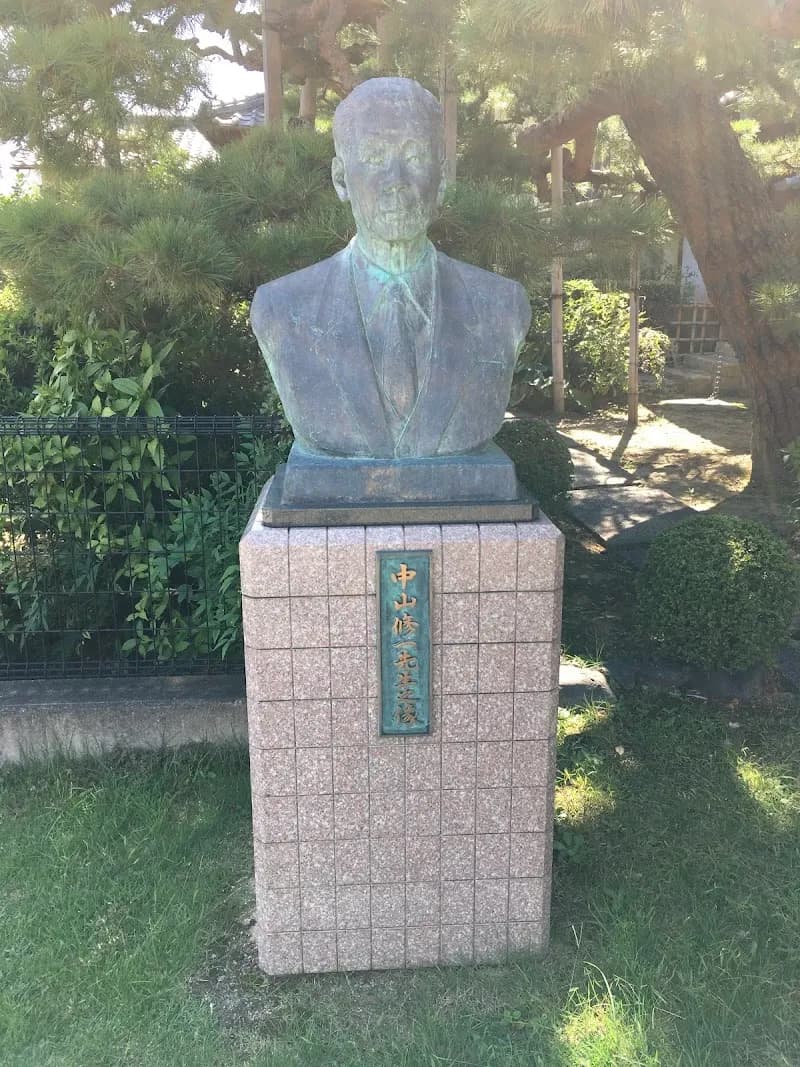
Photo: Google
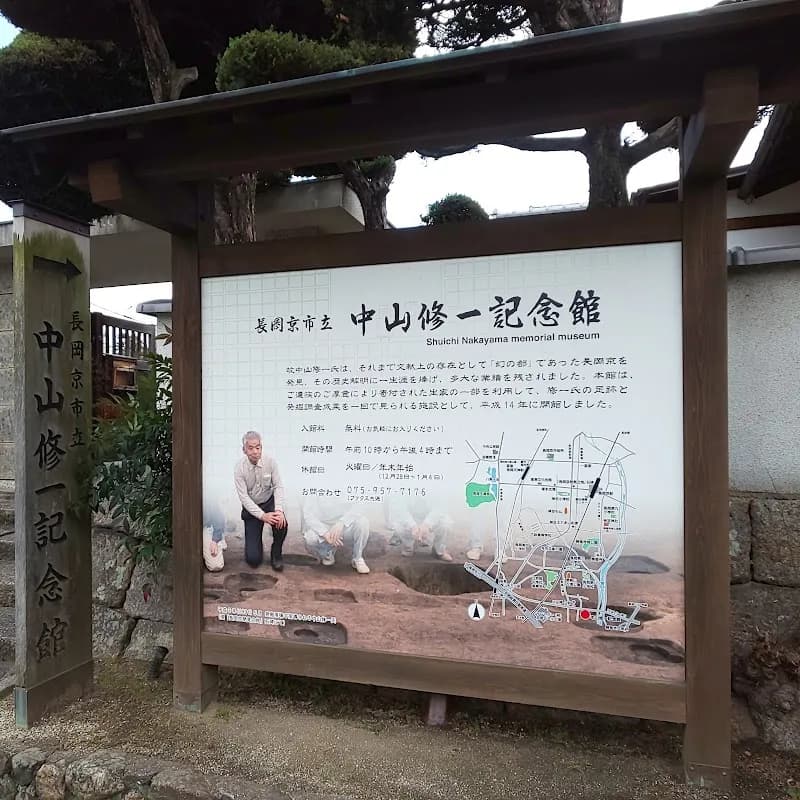
Photo: Google
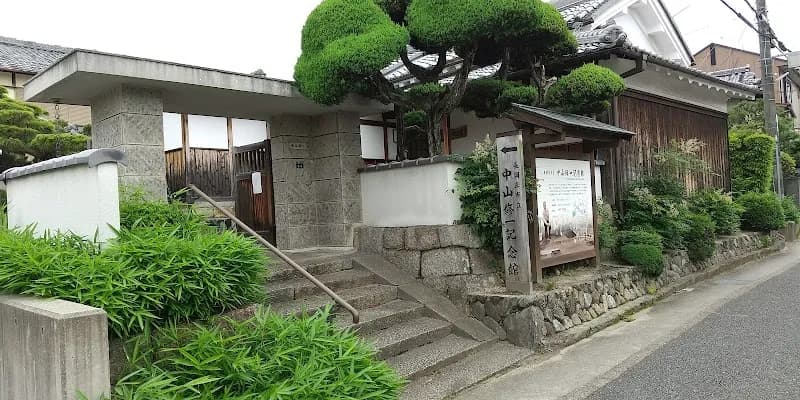
Nagaokakyo City Museum
$Museum
🕑 1-2 hours👶 Best for ages 4-12. Younger children enjoy the tactile interactive elements and visual displays, while older kids can engage more deeply with the historical content and cultural artifacts. Toddlers under 4 may have limited attention span for the exhibits but can still enjoy the interactive areas.
About
Nagaokakyo City Museum offers an engaging introduction to local Japanese history through hands-on exhibits specifically designed with young visitors in mind. The interactive displays make learning about the area's rich heritage fun and accessible for children, with plenty of opportunities to touch, explore, and discover at their own pace.
Highlights
- ✓Interactive exhibits where children can touch replica artifacts and historical items
- ✓Child-height displays designed specifically for young visitors to explore independently
- ✓Models and dioramas showing ancient Nagaokakyo life that captivate visual learners
- ✓Rotating special exhibitions often featuring family-friendly themes and activities
- ✓Educational programs and workshops during school holidays
Pro Tips
- 1.Download a translation app before visiting as most signage is in Japanese, though staff are helpful and some exhibits have English descriptions
- 2.Visit on weekday mornings for a quieter experience when children can explore the interactive exhibits without crowds
- 3.Check the museum's website for special family workshops and seasonal events that often include hands-on craft activities related to local traditions
- 4.Bring slip-on shoes as you may need to remove footwear in certain exhibit areas, following Japanese museum customs
- 5.The museum is compact, making it perfect for families with younger children who may tire quickly at larger museums
Best Time to Visit
Weekday mornings are ideal for a relaxed visit with minimal crowds. Avoid weekends and Japanese national holidays when local families visit. Spring and fall offer comfortable weather for combining your museum visit with exploring the surrounding historic Nagaokakyo area.
What to Know
Entry is very affordable at under $5 per person (children often free or discounted). Limited English signage means preparing with translation tools is helpful. The museum has basic facilities including restrooms, but no on-site cafe.
Seasonal Notes
The museum may have special exhibitions during spring (cherry blossom season) and autumn that highlight local festivals and traditions. Check for extended hours or special programming during Japanese school holidays in late July through August and late December.
Nearby Eats
Family-friendly restaurants can be found near Nagaokakyo Station, about 10-15 minutes away, including casual udon and soba noodle shops that welcome children. Look for conveyor belt sushi restaurants (kaiten-zushi) which are always a hit with kids and offer easy picture-menu ordering.
More Activities Near Nagaokakyo
Museum
Nagaoka Tenmangu Shrine
★4.2$❤️198
Nagaoka Tenmangu Shrine offers a wonderful blend of cultural heritage and family-friendly learning in Nagaokakyo. This serene Shinto shrine doubles as a local history museum with interactive exhibits specifically designed to engage children, making it an ideal introduction to Japanese culture and traditions for international families.
Library
Nagaokakyo Library Children's Corner
Free
Nagaokakyo Library Children's Corner offers a welcoming refuge for families traveling through Japan, featuring an impressive collection of picture books and regular story time programs. This modern, well-organized space provides comfortable study areas where kids can explore Japanese children's literature and take a quieter break from temple visits and busy tourist sites.
Activity
Nagaokakyo Community Center
❤️10
Nagaokakyo Community Center offers visiting families a unique opportunity to experience authentic Japanese community life while participating in children's programs and seasonal events. This municipal facility provides a welcoming space where kids can engage in recreational activities alongside local families, making it an excellent cultural immersion experience in the quieter Kyoto suburbs.
Nature
Katsura River Wetland Park
Free❤️15
Katsura River Wetland Park offers families a peaceful introduction to Japan's natural ecosystems, complete with gentle walking trails perfect for little legs and abundant birdwatching opportunities. The educational signage helps kids learn about local wildlife and wetland habitats, making this free attraction an ideal nature break from Kyoto's busy temples and shrines.