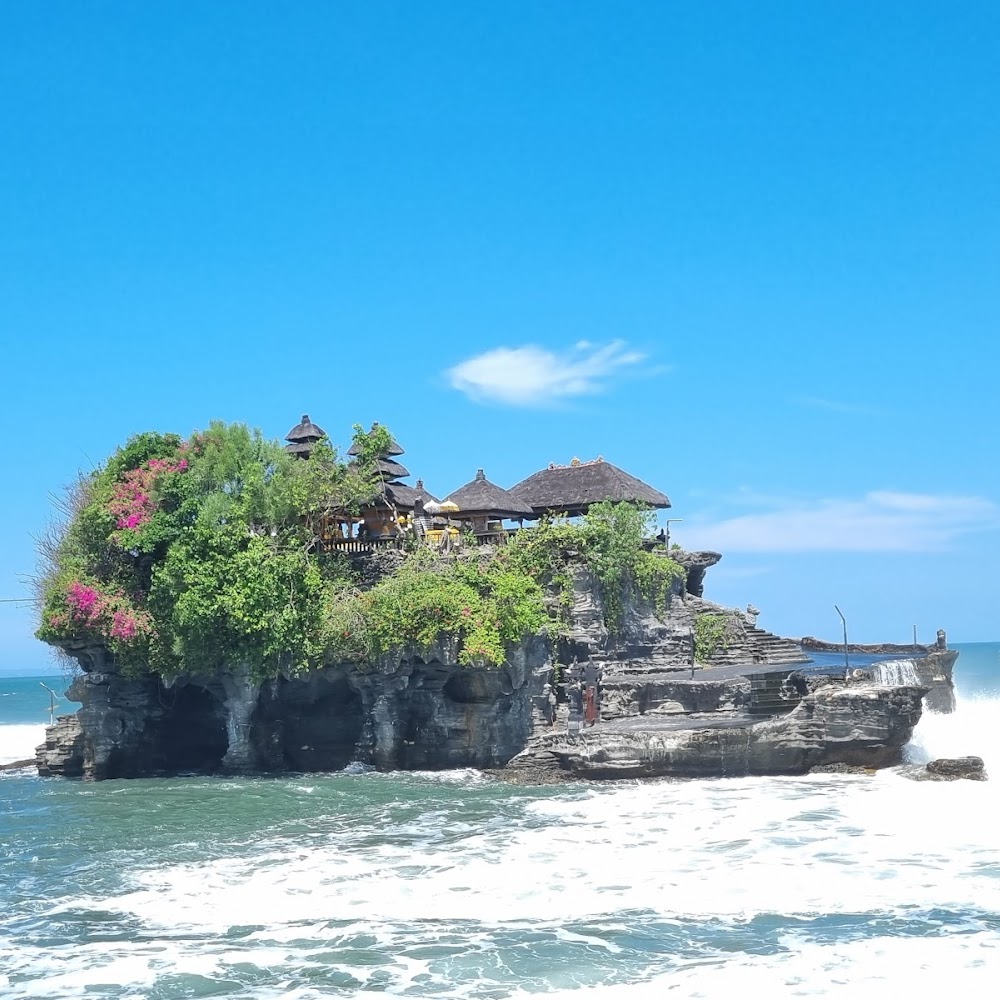


10 Day Bali Itinerary
This 10-day Bali itinerary balances culture and relaxation across three distinct regions. Experience ancient temples and rice terraces in Ubud, surf culture in Canggu, and pristine beaches on Nusa Penida.
Day-by-Day Itinerary
Route Map
Budget Breakdown
Estimated cost per person for 10 days. Includes accommodation, all meals, local transport, activities, and miscellaneous expenses. Does not include international flights or travel insurance.
| Category | Daily | Total |
|---|---|---|
| accommodation | $55 | $550 |
| food | $45 | $450 |
| transport | $20 | $200 |
| activities | $25 | $250 |
| misc | $15 | $150 |
| Total | $160 | $1600 |
* Budget tier: mid-range. Prices in USD per person.
Money-saving tips:
- Eat at local warungs for meals under $5
- Rent scooters instead of taxis for short distances
- Book accommodation outside peak season for 30-40% savings
- Buy water and snacks at local shops, not tourist areas
- Negotiate prices at markets - start at 30% of asking price
When to Go
Dry season with less humidity, perfect weather for outdoor activities
Heavy rains and high humidity during monsoon season
Neighborhood Guide
Get oriented before you arrive — what each area feels like and how to get around.
Central Ubud
good walkabilityThe air carries incense from hidden temples mixed with the aroma of fresh jackfruit from roadside warungs. Every corner reveals another narrow alley lined with stone carvings, and the constant hum of motorbikes creates an oddly meditative soundtrack.
Known for: Traditional arts, healing retreats, and spiritual tourism
Local tip: Shop at Pasar Ubud (traditional market) before 7 AM when locals buy their daily offerings and produce - prices are 50% lower and you'll see authentic Balinese daily life
Transit: Central Ubud has no formal transit - motorbike taxis (ojek) are the primary transport
Best time: early morning
Not stroller-friendly
Canggu Beach Area
moderate walkabilityBare feet on black volcanic sand, the perpetual sound of waves crashing, and bronze-skinned surfers carrying boards past hip cafés blasting indie music. It feels like a laid-back coastal town that got discovered by Instagram influencers.
Known for: Surfing culture, beach clubs, and digital nomad scene
Local tip: Visit Tanah Lot Temple at sunset via motorbike (15 minutes) - tourists pay for overpriced tour packages while locals ride there for 10,000 IDR fuel cost
Transit: No public transit - rent a motorbike or use Gojek/Grab
Best time: late afternoon
Not stroller-friendly
Nusa Penida Island
poor walkabilityRaw limestone cliffs meet turquoise water in dramatic fashion, while narrow dirt roads wind through untouched villages where time moves slower. The island feels wild and untamed compared to mainland Bali's manicured tourism.
Known for: Dramatic clifftop viewpoints and pristine beaches
Local tip: Start all cliff viewpoint visits at 6 AM - you'll have perfect lighting for photos and avoid the tour bus crowds that arrive after 9 AM
Transit: Fast boat from Sanur (35 minutes) or Padang Bai (45 minutes)
Best time: early morning
Not stroller-friendly
What to Eat inBali
Ubud
Eating etiquette
- •Always use right hand for eating
- •Try a small portion of everything offered
- •Remove shoes when entering traditional warungs
Breakfast
Locals eat bubur ayam (rice porridge) from street carts starting at 6 AM - filling, cheap, and authentic
Lunch
Follow the 'nasi campur' rule - mixed rice plates at local warungs cost 15,000-25,000 IDR vs 150,000+ IDR at tourist restaurants
Dinner
Locals eat early (6-7 PM). Many warungs close by 8 PM, while tourist restaurants stay open late but lack authenticity
Dishes you can't miss
Slow-roasted duck in traditional spices - this restaurant perfected the recipe
Bebek Bengil (Dirty Duck) · $12-15
Mixed vegetables with peanut sauce - freshest ingredients at dawn
Pasar Ubud morning market · $2-3
Street food highlights
Canggu
Eating etiquette
- •Beach restaurants expect you to order if using chairs
- •Tipping 10% is normal at western-style establishments
- •Many places are cash-only despite tourist appearances
Breakfast
Açai bowls and avocado toast dominate the scene, but locals eat nasi lemak from street vendors for 1/10th the price
Lunch
Eat at local warungs inland from the beach - same quality food, 50% less cost than beachfront cafés
Dinner
Dinner starts late (7-8 PM) due to surf culture. Many beach clubs require minimum spend during sunset hours
Dishes you can't miss
Authentic Balinese mixed rice away from tourist markup
Warung Bu Mi · $3-4
Fresh catch grilled on the beach with traditional sambal
Jimbaran Bay · $8-12
Street food highlights
Nusa Penida
Eating etiquette
- •Food options are limited - don't be picky
- •Always carry cash - no card payments outside main areas
- •Respect that ingredients come by boat - prices reflect this
Breakfast
Most accommodations include breakfast. Local options are scarce outside main villages
Lunch
Pack snacks for day trips - restaurant options at viewpoints are overpriced and low quality
Dinner
Very limited options. Most visitors eat at their accommodation or simple local warungs
Dishes you can't miss
Island-fresh catch prepared simply with local spices
Local warungs in Toyapakeh · $5-7
Street food highlights
Getting Between Cities
How to book: Book through accommodation or use Grab/Gojek app. For motorbike, rent from local shops on Jalan Raya
Platform: Driver will pick up from accommodation. Main road can be congested 4-6 PM
Luggage: Private drivers have trunk space. Motorbikes require backpack only - leave large luggage
Pro tip: Right side for rice terrace views on rural route
How to book: Book online through operators like Crown Fast Cruises or buy at harbor (risky in peak season)
Platform: Arrive at Sanur harbor 30 minutes early. Boats depart from different jetties
Luggage: Waterproof bag essential - boats can be wet. Weight limit 20kg per person
Pro tip: Sit toward back of boat - less bouncing in rough seas
How to book: Book return ticket when arriving, or through accommodation
Platform: Toyapakeh harbor - arrive early as boats fill up quickly
Luggage: Keep essentials in waterproof bag - sea spray common
Pro tip: Front seats for faster disembark, but expect more spray
Daily Walking Distances
Packing List
Bali's equatorial sun is intense, and coral-damaging sunscreens are banned in marine areas
Nusa Penida cliffside paths are rocky and slippery, regular sneakers won't grip
Fast boats to Nusa Penida spray water, and you'll want photos at cliff viewpoints
Required for temple visits - cheaper to bring than buy tourist versions
Rental helmets are often poor quality and unhygienic - bring a collapsible one
Ubud rice terraces and jungle areas have mosquitos carrying dengue
Many places don't accept cards, and breaking large bills is difficult
High humidity, sudden rain showers, and boat spray will damage devices
Long days exploring remote areas with limited charging opportunities
Temples require shoe removal, but hiking requires protection
Afternoon tropical downpours are common and intense
High heat and humidity cause rapid dehydration, especially when surfing
Shorts and tank tops aren't allowed - bring lightweight long pants
Skip These
Save your time and money — here's what to skip and what to do instead.
2.5 hour drive from Ubud for an overcrowded waterfall with aggressive local 'guides' demanding payment
→ Instead:Visit Tegenungan Waterfall (20 minutes from Ubud) - equally beautiful, much more accessible
$50+ for a crowded 2 AM wake-up call to stand with 200+ tourists on a small peak
→ Instead:Sunrise at Campuhan Ridge Walk in Ubud - free, peaceful, and equally stunning views
Overpriced photo ops ($25-35) with long lines and fake 'jungle' backdrops
→ Instead:Natural swings at Aling-Aling Waterfall - authentic experience for fraction of cost
Overcrowded, polluted beach with aggressive vendors and poor water quality
→ Instead:Stay in Canggu as planned - better surf, cleaner beaches, more authentic vibe
$40-60 for crowded boats to overfished coral spots with poor visibility
→ Instead:Crystal Bay for independent snorkeling - rent gear locally for $5 and avoid crowds
Frequently Asked Questions
Is 10 days enough for Bali?
Yes, 10 days allows you to experience Bali's cultural heart in Ubud, beach life in Canggu, and pristine nature on Nusa Penida. You'll have time for temples, rice terraces, surfing, and relaxation without feeling rushed.
How much does 10 days in Bali cost?
Budget $1600-1800 per couple for mid-range travel. This includes boutique accommodation ($55/night), mix of local and upscale dining ($45/day), private drivers and scooter rentals ($20/day), and activities like surf lessons and cooking classes ($25/day).
What is the best month to visit Bali?
April-June and September-October offer the best weather with minimal rainfall and lower humidity. July-August are driest but most crowded and expensive. Avoid January-February during heavy monsoon rains.
Do I need a visa for Bali?
Most nationalities including US, UK, EU, Australia, and Canada can enter visa-free for 30 days. Your passport must be valid for 6+ months and have blank pages. Check current requirements as policies change.
Is Bali safe for tourists?
Bali is generally very safe. Main concerns are traffic accidents (drive carefully on scooters), petty theft (secure valuables), and strong ocean currents. Drink bottled water and be cautious with street food if you have a sensitive stomach.
Should I rent a scooter in Bali?
Scooters are the most efficient transport in Bali but require caution. Traffic is chaotic, roads can be poor quality, and accidents happen. Consider hiring drivers for longer distances and use scooters only for short trips if you're comfortable.
Travel Tips forBali
Cash is King in Bali
Most warungs and small shops only accept cash. ATMs charge high fees (50k IDR + your bank's fees). Withdraw large amounts to minimize fees. Many places now accept cards but always have cash backup.
Download Gojek and Grab Apps
These ride-hailing apps are essential in Bali. Gojek is cheaper and more local. Use them for both transport and food delivery. Much safer and more reliable than street taxis.
Temple Dress Code is Strict
Shoulders and knees must be covered at all temples. Carry a sarong and scarf. Most temples rent sarongs but bring your own for comfort. Remove shoes before entering prayer areas.
Scooter Safety Essentials
Always wear a helmet (required by law), check brakes before riding, and stick to main roads when possible. Avoid riding at night or in heavy rain. Get travel insurance that covers scooter accidents.
Start Slowly with Spice Levels
Balinese food can be extremely spicy. Always ask 'pedas tidak?' (spicy or not?) and request 'tidak pedas' (not spicy) initially. Sambal (chili sauce) is served on the side - use sparingly at first.
Bargaining Etiquette
Bargaining is expected at markets and with drivers, but not in restaurants or fixed-price stores. Start at 30-50% of asking price. Be polite and smile - aggressive haggling is counterproductive.
Essential Info
Indonesian Rupiah (IDR). Cards accepted at hotels and upscale restaurants but cash needed everywhere else. ATMs widely available but charge high fees.
Tipping not required but appreciated. Round up for good service (10k-20k IDR). Hotels and upscale restaurants may add 10% service charge automatically.
Buy Telkomsel prepaid SIM at airport (50k IDR for 14-day package) or use eSIM providers like Airalo for data-only plans
More Options inBali
Places that didn't make the main itinerary but are worth knowing about.
More Restaurants
More Activities
Bars & Nightlife
Shopping
Cafes & Coffee
Explore Each City
Want to spend more time in a specific city? Check out our city-level deep-dive guides.
Related Itineraries
Ready to plan yourBali trip?
Get this 10-day itinerary in your Yopki trip planner — customize, collaborate, and export to PDF.