
5 Day Budapest Itinerary
Discover Budapest's dual personality across the Danube - from royal Buda's hilltop castles to Pest's vibrant ruin bars. This 5-day itinerary balances iconic thermal baths with hidden courtyards and world-class Hungarian cuisine.
Day-by-Day Itinerary
Gentle introduction to Budapest with Parliament area and thermal baths
Pro tip: Take it easy on arrival day - thermal baths help with jet lag adjustment. Buy a 3-day transport pass tomorrow.
Route Map
Budget Breakdown
Estimated cost per person for 5 days. Includes accommodation, all meals, local transport, activities, and miscellaneous expenses. Does not include international flights or travel insurance.
| Category | Daily | Total |
|---|---|---|
| accommodation | $80 | $320 |
| food | $44 | $221 |
| transport | $8 | $41 |
| activities | $29 | $146 |
| misc | $12 | $60 |
| Total | $157 | $788 |
* Budget tier: mid-range. Prices in USD per person.
Money-saving tips:
- Buy 3-day transport pass for 4150 HUF (saves 30% vs single tickets)
- Thermal bath morning sessions cost 20% less than evening sessions
- Market halls have cheaper food than tourist restaurants - Great Market Hall lunch is excellent value
- Many museums free for EU students under 26 with ID
- Lunch menus at upscale restaurants cost half of dinner prices
When to Go
Mild weather, outdoor thermal pools comfortable, longer daylight, fewer crowds than peak summer
Very cold weather, limited outdoor pool access, short daylight hours, some attractions have reduced hours
Neighborhood Guide
Get oriented before you arrive — what each area feels like and how to get around.
Pest Center
excellent walkabilityThe energy here pulses with trams clanging, street musicians playing, and the constant hum of conversation spilling from grand coffee houses. You'll feel the weight of imperial history in every ornate facade while modern life bustles around you.
Known for: Váci Street shopping, Central Market Hall, and grand coffee house culture
Local tip: Skip Váci Street entirely and walk parallel Ferenciek tere for better cafes and half the crowds
Transit: Ferenciek tere (M3 blue line) or Vörösmarty tér (M1 yellow line)
Best time: morning
Castle Hill
moderate walkabilityWalking these cobblestone streets feels like stepping into a medieval fairy tale, but one that's been perfectly manicured for postcards. The silence up here contrasts sharply with the city below, broken only by the clicking of camera shutters.
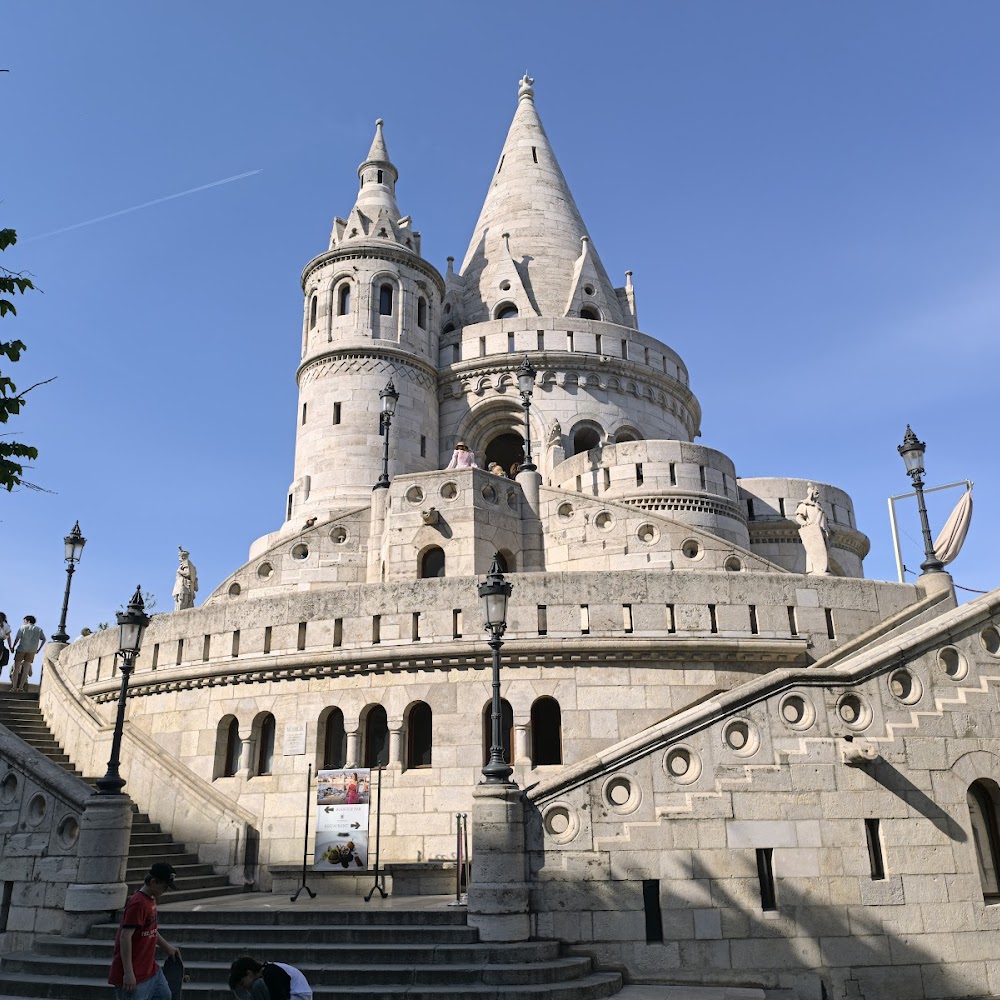
Known for: Buda Castle, Fisherman's Bastion, and panoramic views
Local tip: Take the less crowded northern entrance near Vienna Gate instead of the tourist-packed funicular
Transit: Szél Kálmán tér (M2 red line) then bus 16, or Clark Ádám tér funicular
Best time: early morning
Not stroller-friendly
Jewish Quarter
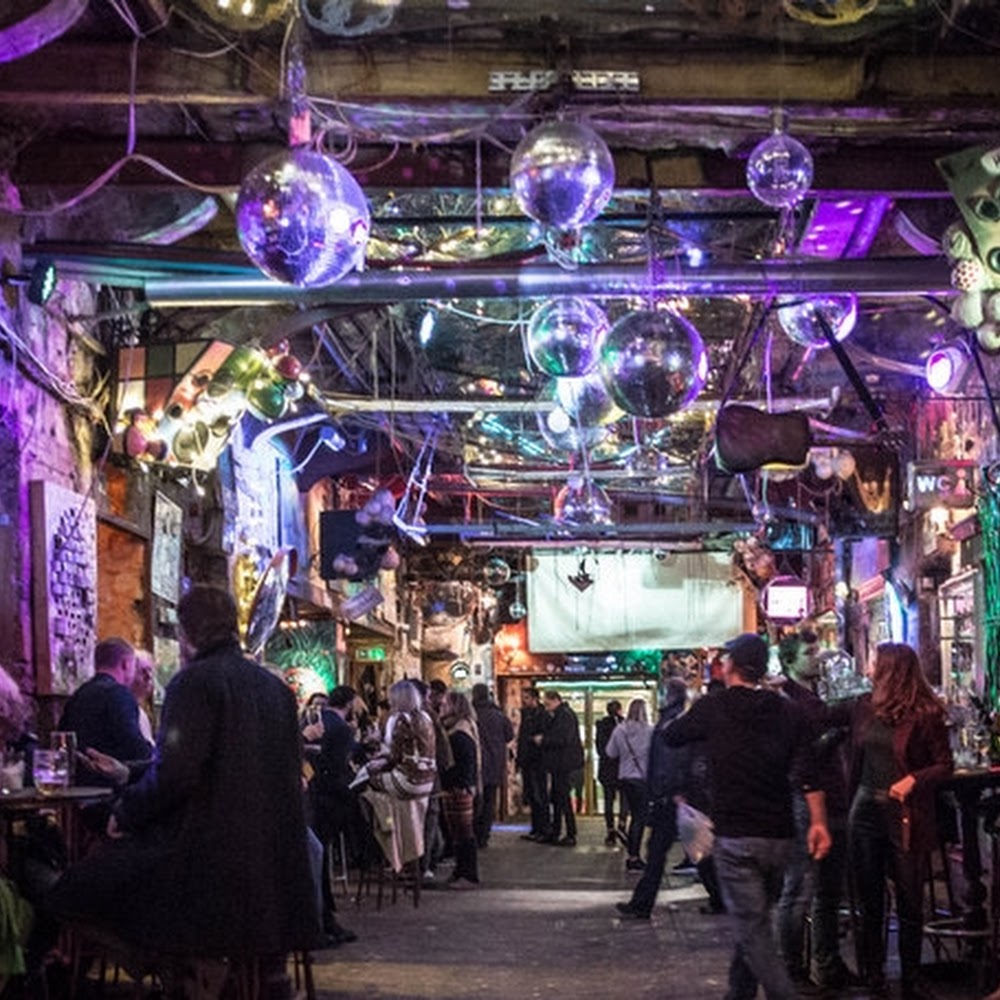
excellent walkabilityBy day, it's contemplative and historic with hidden courtyards revealing street art surprises. By night, it transforms into Budapest's party heartland where ruin pubs spill onto cobblestone streets with infectious energy.
Known for: Ruin pubs, Great Synagogue, and vibrant nightlife
Local tip: Eat at Frici Papa before 7pm when locals dine, not the touristy ruin pub food
Transit: Astoria (M2 red line) or Deák Ferenc tér (M1/M2/M3)
Best time: afternoon
Not stroller-friendly
Parliament Area
excellent walkabilityThe grandeur here is almost overwhelming - every building seems to compete for architectural supremacy while the Danube provides a majestic backdrop. You'll feel small but inspired walking among these monuments to Hungarian ambition.
Known for: Hungarian Parliament, Shoes on the Danube memorial, and riverfront promenades
Local tip: The best Parliament photos are from the Buda side at sunset, not from the crowded Pest riverbank
Transit: Kossuth Lajos tér (M2 red line)
Best time: late afternoon
What to Eat inBudapest
Eating etiquette
- •Round up to nearest 100 HUF for tips (10% max)
- •Say 'Egészségére' (to your health) when toasting
- •Don't clink glasses with beer - it's still considered bad luck by older generations
Breakfast
Locals grab kifli (crescent rolls) and coffee standing at corner bakeries. Hotel breakfasts are tourist traps - find a local pékség (bakery) instead.
Lunch
Look for 'menü' signs showing daily lunch specials (11:30am-2:30pm). These offer authentic dishes at half the price of dinner portions.
Dinner
Hungarians eat early (6-8pm). Reservations essential for popular spots. Many traditional restaurants close Sundays.
Dishes you can't miss
The paprika-rich broth here uses Danube fish and follows centuries-old recipes
Fráter Restaurant · 2,800-3,200 HUF
Impossibly thin, crispy, and larger than your plate - unchanged recipe since 1926
Frici Papa · 2,400 HUF
The sweet spiral bread is made fresh every 20 minutes using traditional Transylvanian methods
Central Market Hall · 800-1,200 HUF
Street food highlights
Daily Walking Distances
Packing List
Castle Hill's ancient cobblestones will destroy new shoes and hurt your feet
Danube creates unpredictable weather changes and riverside walks get windy
Thermal baths require proper swimwear - rental suits are overpriced and limited sizes
Széchenyi and Gellért bath floors are slippery and hot - bare feet are uncomfortable
Bath houses charge 1,500 HUF for towel rental - bring your own
Essential for Danube boat trips and thermal bath photos
Many restaurants, markets, and transport still prefer cash over cards
Pest riverside gets surprisingly cold after sunset even in summer
Danube reflections and white Parliament buildings create intense glare
Long walking days and constant photo-taking will drain your battery
Castle Hill involves steep climbs - hands need to be free
Cobblestones and 5+ km daily walking will test even good shoes
Required for synagogue visit and useful for evening Danube walks
Skip These
Save your time and money — here's what to skip and what to do instead.
Overpriced at 4,000 HUF with minimal English context and deliberately disturbing content that many find exploitative rather than educational
→ Instead:Visit the free Shoes on the Danube memorial for a more moving and authentic historical experience
The 1,000 HUF fee gets you identical views to the free terrace areas - you're paying for nothing extra
→ Instead:Enjoy the same panoramic views from the free sections just 20 meters away
Overpriced international chains, aggressive street performers, and pickpockets - locals avoid it entirely
→ Instead:Explore Fashion Street (Deák Ferenc utca) for better shops or Central Market Hall for authentic Hungarian products
Mediocre food at 15,000+ HUF when you can see better views from the free riverbank or cheap public transport
→ Instead:Take tram 2 along the Danube at sunset for the same views at 350 HUF, then dine at a real restaurant
Overpriced club experience (8,000+ HUF) that ruins the authentic thermal bath atmosphere
→ Instead:Visit Széchenyi Baths in the morning for the genuine Hungarian spa experience at half the price
Frequently Asked Questions
Is 5 days enough for Budapest?
Yes, 5 days is perfect for Budapest. You'll see major sights like Parliament, Castle Hill, thermal baths, and have time for food markets and ruin bars without rushing. A week would allow day trips to Danube Bend or Eger.
How much does 5 days in Budapest cost?
Budget travelers: $400-500 total (hostels, street food, free sights). Mid-range: $700-900 (hotels, restaurant meals, paid attractions). Luxury: $1200+ (upscale hotels, fine dining, private tours). Food and accommodation are very affordable compared to Western Europe.
What is the best month to visit Budapest?
April-May and September offer the best weather with mild temperatures perfect for walking and outdoor thermal pools. Summer (June-August) is warmest but most crowded. Winter thermal baths are magical but very cold between locations.
Do I need a visa for Budapest?
US, UK, and EU citizens need no visa for stays under 90 days. Just bring a valid passport. Hungary is in the Schengen zone, so EU ID cards work for EU citizens. Check your country's specific requirements on the Hungarian embassy website.
Travel Tips forBudapest
Currency and payments
Hungary uses Hungarian forint (HUF). Cards widely accepted but carry cash for markets, trams, and small vendors. ATMs common. Tipping 10% standard at restaurants.
Public transport system
Excellent metro, tram, and bus network. Buy tickets before boarding and validate them. 3-day tourist pass (4150 HUF) covers all transport including airport bus. Download BKK app for routes.
Hungarian etiquette
Hungarians appreciate attempts at their difficult language. 'Köszönöm' (kur-sur-nurm) means thank you. Remove shoes when entering homes. Don't clink glasses when toasting - historical superstition from 1848 revolution.
Dining customs
Lunch 12-2pm, dinner 7-9pm. Try goulash (gulyás), schnitzel, lángos, and chimney cake. Paprika is everywhere. Market halls offer great value meals. Book upscale restaurants ahead.
Safety considerations
Budapest is very safe. Watch for pickpockets in tourist areas and on public transport. Avoid unlicensed taxis - use Bolt app instead. Be cautious in some ruin bars late at night.
Essential Info
Cards widely accepted. ATMs common with fair rates. Keep some cash for markets, public transport, and tips.
10% at restaurants if service charge not included. Round up taxi fares. Tip thermal bath attendants 200-500 HUF.
Airalo eSIM for data, or Telekom/Telenor SIM at airport
More Options inBudapest
Places that didn't make the main itinerary but are worth knowing about.
More Activities
More Restaurants
Shopping
Bars & Nightlife
Cafes & Coffee
Explore Each City
Want to spend more time in a specific city? Check out our city-level deep-dive guides.
Related Itineraries
Ready to plan yourBudapest trip?
Get this 5-day itinerary in your Yopki trip planner — customize, collaborate, and export to PDF.