

7-Day Costa Rica Itinerary: Complete First-Timer's Guide
Experience Costa Rica's incredible biodiversity on this classic route from volcanic hot springs to Pacific beaches. This itinerary balances must-see wildlife encounters with relaxation time, perfect for first-time visitors wanting to see the country's highlights without rushing.
Day-by-Day Itinerary
Route Map
Budget Breakdown
Estimated cost per person for 7 days. Includes accommodation, all meals, local transport, activities, and miscellaneous expenses. Does not include international flights or travel insurance.
| Category | Daily | Total |
|---|---|---|
| accommodation | $86 | $602 |
| food | $47 | $329 |
| transport | $18 | $126 |
| activities | $52 | $364 |
| misc | $15 | $105 |
| Total | $218 | $1526 |
* Budget tier: mid-range. Prices in USD per person.
Money-saving tips:
- Eat at local sodas (small restaurants) for authentic $6-8 casados instead of hotel restaurants
- Choose Baldi Hot Springs ($35) over Tabacón ($85) - more pools, same volcanic water
- Buy groceries and snacks at supermarkets - hotel mini-bars are expensive
- Many hotels include breakfast - confirm when booking to save $15-20 daily
- Book activities directly with operators rather than through hotels to save 20-30%
When to Go
Dry season with minimal rainfall, perfect for outdoor activities and beach time
Peak rainy season with heavy afternoon rains that can disrupt tours and road conditions
Neighborhood Guide
Get oriented before you arrive — what each area feels like and how to get around.
Downtown San José
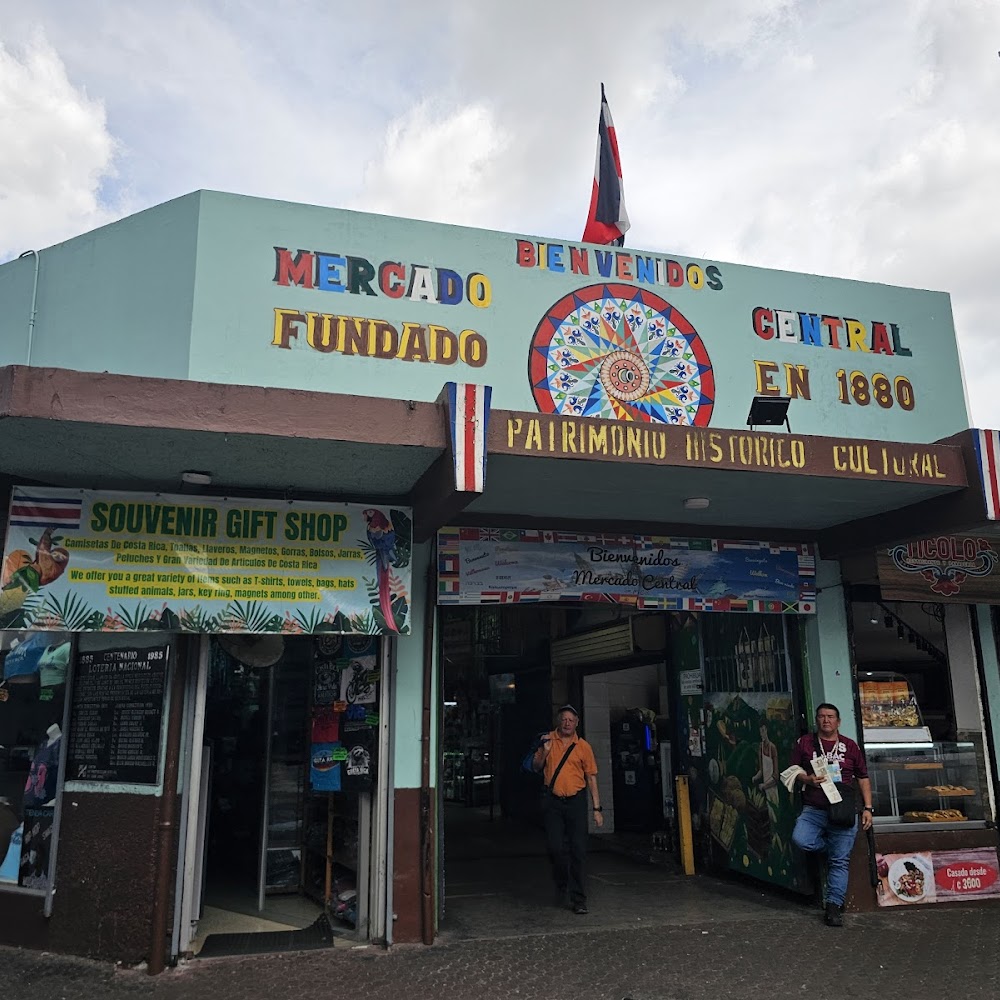
good walkabilityBustling concrete jungle where honking cars mix with street vendors hawking fresh fruit. The energy is intense but friendly, with locals weaving through crowded sidewalks and everyone moving with purpose.
Known for: Central Market, Teatro Nacional, and authentic Tico urban life
Local tip: Locals shop at Mercado Central before 9am for the freshest produce and best prices, then grab coffee at the tiny stands outside
Transit: All major bus routes converge at Terminal Coca-Cola
Best time: morning
Not stroller-friendly
La Fortuna Centro
excellent walkabilitySmall town charm meets adventure tourism. The main street buzzes with tour operators and souvenir shops, but step one block away and you're in residential Costa Rica with kids playing soccer and families on porches.
Known for: Arenal Volcano views, adventure tour headquarters, hot springs
Local tip: Locals eat at sodas (small family restaurants) like Soda Viquez - way cheaper than tourist places and better food
Transit: Main bus terminal on Calle 2
Best time: early morning
Manuel Antonio Beach Zone
moderate walkabilityTropical paradise with a tourist-heavy overlay. Beautiful beaches and jungle sounds compete with restaurant music and tour group chatter. It feels like vacation mode is mandatory here.
Known for: Manuel Antonio National Park, pristine beaches, wildlife watching
Local tip: Locals go to Playa Biesanz (past the national park) - less crowded and better for actual swimming
Transit: Local buses run every 30 minutes along the main road
Best time: early morning
Not stroller-friendly
What to Eat inCosta Rica
San José
Eating etiquette
- •Service charge (10%) is usually included in bills
- •Say 'buen provecho' when passing people eating
- •Tipping extra 5-10% is appreciated but not required
Breakfast
Locals eat gallo pinto (rice and beans) with eggs, cheese, and coffee. Most sodas serve this combo for $3-5. Coffee is served black and strong.
Lunch
Look for 'casados' (set meals) at local sodas between 11:30am-2pm. You get rice, beans, protein, salad, and plantains for $5-8.
Dinner
Dinner is light, often between 6-8pm. Many restaurants close by 9pm except in tourist areas. Reservations rarely needed.
Dishes you can't miss
The national breakfast - perfect rice and beans with sour cream
Soda Tapia or any local soda · $4-6
Complete Costa Rican meal showing how locals actually eat daily
Mercado Central food stalls · $5-7
Street food highlights
La Fortuna
Eating etiquette
- •Tourist restaurants expect 15-20% tips
- •At local sodas, just round up the bill
- •Don't be afraid to ask for extra salsa Lizano
Breakfast
Start early with gallo pinto and fresh fruit. Many places offer 'típico breakfast' packages for tourists, but locals just order à la carte.
Lunch
Avoid restaurants on the main drag. Walk 2-3 blocks toward the residential area for authentic sodas with $6 casados.
Dinner
Most tourists eat early (6-7pm) at hotel restaurants. Locals eat later at family-run places away from the center.
Dishes you can't miss
Fresh trout from local farms, perfectly prepared with twice-fried plantains
Restaurante Don Rufino · $12-15
Traditional beef soup with yuca and vegetables - comfort food perfection
Soda Viquez · $8
Street food highlights
Manuel Antonio
Eating etiquette
- •Beach restaurants charge tourist prices - expect 20%+ tips
- •Many places add service charges automatically
- •Haggling is not done with food prices
Breakfast
Mix of international tourist fare and local food. Fresh fruit and coffee are excellent everywhere. Many hotels include breakfast.
Lunch
Eat lunch early (11:30am) or late (2pm) to avoid crowds. Beachfront places are pricey but convenient. Walk uphill for better prices.
Dinner
Sunset dinners are popular but book ahead. Most restaurants stay open until 10pm. Seafood is freshest Tuesday-Thursday.
Dishes you can't miss
Caught daily by local fishermen, grilled with Caribbean spices and amazing sunset views
Barba Roja Restaurant · $18-22
Super fresh mixed seafood cured in lime with local herbs
El Patio de Café Milagro · $14
Street food highlights
Getting Between Cities
How to book: Rent at SJO airport from major companies. Book online in advance for better rates.
Platform: Take Route 1 to Route 142. Road is paved but has some potholes after Zarcero.
Luggage: All luggage fits in rental car. Lock everything in trunk when stopping.
Pro tip: Driver side gets best volcano views approaching La Fortuna
How to book: Book boat transfer through hotel or tour company. Operates 8am, 10:30am, 2:30pm daily.
Platform: Drive to Arenal Lake dock, park in secured lot ($5/day), boat crosses lake to Rio Chiquito
Luggage: Boat can handle large luggage. Waterproof bags recommended for electronics.
Pro tip: Sit on lake side of boat for Arenal Volcano views during crossing
How to book: Same rental car from arrival
Platform: Take coastal Route 34 to Route 27. Tárcoles bridge is worth a stop for crocodile viewing.
Luggage: Return rental car at SJO airport 2 hours before international flights
Pro tip: Right side passengers get ocean views on coastal section
Daily Walking Distances
Packing List
December is dry season but afternoon showers happen, especially in Arenal cloud forest
Arenal trails are rocky and Manuel Antonio park has steep muddy sections
Intense equatorial sun, Manuel Antonio requires reef-safe products only
Mosquitoes and chitra flies in Arenal area, especially around hot springs
Jungle humidity makes cotton uncomfortable, needed for volcano hikes
Boat transfer to Manuel Antonio and beach activities require protection
Wildlife watching in Manuel Antonio park and bird spotting in Arenal
Night wildlife tours in Arenal and early morning volcano hikes
Rocky hot springs in Arenal and beach walking in Manuel Antonio
National park visits require carrying water and snacks, hotel day trips
Long adventure days with GPS, photos, limited charging opportunities
Sun protection for beach days and hot springs, dries quickly
Sodas, street food, tips, national park fees don't take cards
Protect electronics from humidity, organize wet swimwear, snack storage
Hiking cuts and scrapes, monkey scratches, no pharmacies in remote areas
Skip These
Save your time and money — here's what to skip and what to do instead.
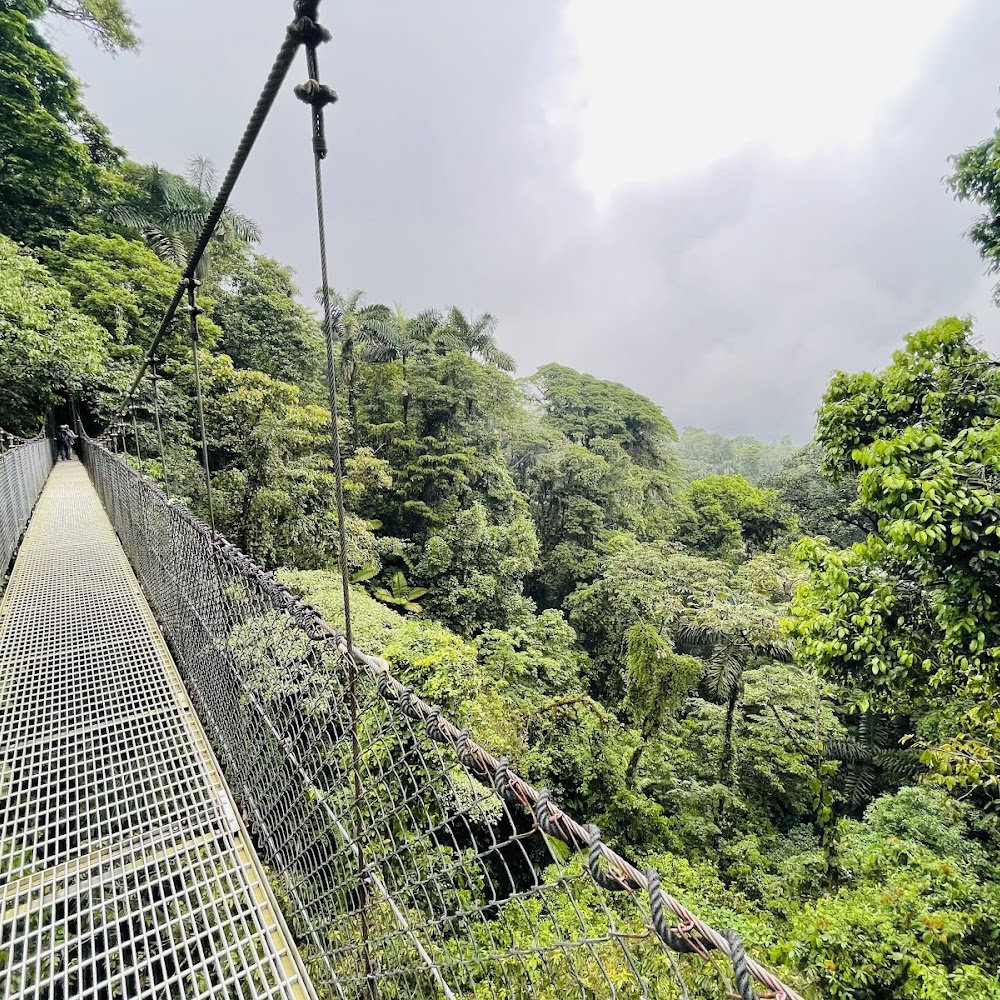
Overpriced tourist trap at $60pp for mediocre bridges with too many crowds and rushed experience
→ Instead:Mistico Arenal Hanging Bridges - less crowded, better wildlife spotting, more authentic cloud forest experience for similar price
Extremely expensive ($85pp) resort experience with crowds, mandatory dinner packages, feels artificial
→ Instead:Eco Termales - smaller, locals go here too, $55pp includes same quality hot springs with better atmosphere and authentic feel
Terrible food quality, massive markup (3x normal prices), slow service focused on tourist turnover not quality
→ Instead:Walk 5 minutes uphill to local sodas in Manuel Antonio village - authentic food, fair prices, better portions, local atmosphere
Unsafe after dark, most interesting shops/markets are closed, not much to see except empty streets
→ Instead:Morning food tour of Mercado Central - vibrant local life, safe, authentic cultural experience, actually learn about Costa Rican food culture
You can't see the volcano at night anyway (clouds), expensive tours just drive you around in darkness
→ Instead:Early morning Arenal Observatory Lodge trail - clear volcano views, active wildlife, better photo opportunities, half the price
Frequently Asked Questions
Is 7 days enough for Costa Rica?
Yes, 7 days allows you to experience Costa Rica's highlights including volcanoes, beaches, and wildlife. This classic route covers San José, Arenal, and Manuel Antonio - the three most iconic destinations that showcase the country's diversity from mountains to coast.
How much does 7 days in Costa Rica cost?
A 7-day Costa Rica trip costs $1,200-1,800 per person for mid-range accommodations, car rental, activities, and meals. Budget travelers can manage $800-1,200 by staying in hostels and eating at local sodas, while luxury travelers spend $2,500+ with upscale resorts and private tours.
What is the best month to visit Costa Rica?
December through April is the best time to visit Costa Rica during dry season. February and March are ideal with minimal rainfall and perfect weather for outdoor activities. Avoid September-October when heavy rains can disrupt tours and make roads difficult.
Do I need a visa for Costa Rica?
US, Canadian, and EU citizens need only a valid passport for stays up to 90 days. No visa required. Your passport must be valid for at least 6 months from entry date. You may need to show proof of onward travel and sufficient funds.
Is it safe to drive in Costa Rica?
Yes, but roads can be challenging. Rent a 4WD vehicle as many roads are unpaved or steep. Mountain roads are winding with limited lighting - drive during daylight hours. GPS can be unreliable; download offline maps. Watch for potholes and take your time.
What should I pack for Costa Rica?
Pack light, breathable clothing, rain jacket, sturdy hiking shoes, sandals, insect repellent, sunscreen (reef-safe), and reusable water bottle. Bring layers as mountain areas are cooler than coast. Don't forget swimwear, camera, and binoculars for wildlife viewing.
Travel Tips forCosta Rica
USD is widely accepted
US dollars are accepted everywhere alongside colones. Smaller bills ($1, $5, $10) work best. ATMs dispense both currencies. Credit cards work in most restaurants and hotels but carry cash for sodas and local shops.
Rent a 4WD vehicle
Many roads to attractions are unpaved or steep, requiring 4-wheel drive. Add 50% to GPS driving times for mountain roads. Avoid driving at night - roads are poorly lit with few signs.
Beach and petty theft awareness
Don't leave valuables unattended on beaches or in cars. Ocean currents can be strong - swim only at designated safe areas. Rip currents are common on Pacific coast beaches outside Manuel Antonio National Park.
Pura Vida and Tico time
Pura Vida means 'pure life' - the national motto reflecting Costa Rica's laid-back approach. Things run on 'Tico time' meaning flexible schedules. Embrace the slower pace and enjoy the relaxed atmosphere.
Wildlife viewing tips
Early morning (6-8am) is best for wildlife activity. Bring binoculars and stay quiet. Never feed animals or get too close. Guided tours with telescopes dramatically improve wildlife spotting success.
Try casado and local sodas
Casado (rice, beans, protein, plantains, salad) is the national dish - filling and cheap at local sodas. Fresh fruit stands are everywhere. Avoid tap water in rural areas; bottled water is widely available.
Essential Info
Costa Rican Colón (₡) and US Dollar both accepted. ATMs dispense both currencies. Credit cards widely accepted in tourist areas. Carry small bills for local purchases.
10% service charge often included in restaurant bills. Round up taxi fares. Tip tour guides $5-10 per person per day. Hotel housekeeping $2-3 per night.
Kolbi or Movistar prepaid SIM cards available at airport and supermarkets. International roaming works well in main tourist areas.
More Options inCosta Rica
Places that didn't make the main itinerary but are worth knowing about.
More Activities
More Restaurants
Shopping
Bars & Nightlife
Cafes & Coffee
Explore Each City
Want to spend more time in a specific city? Check out our city-level deep-dive guides.
Related Itineraries
Ready to plan yourCosta Rica trip?
Get this 7-day itinerary in your Yopki trip planner — customize, collaborate, and export to PDF.