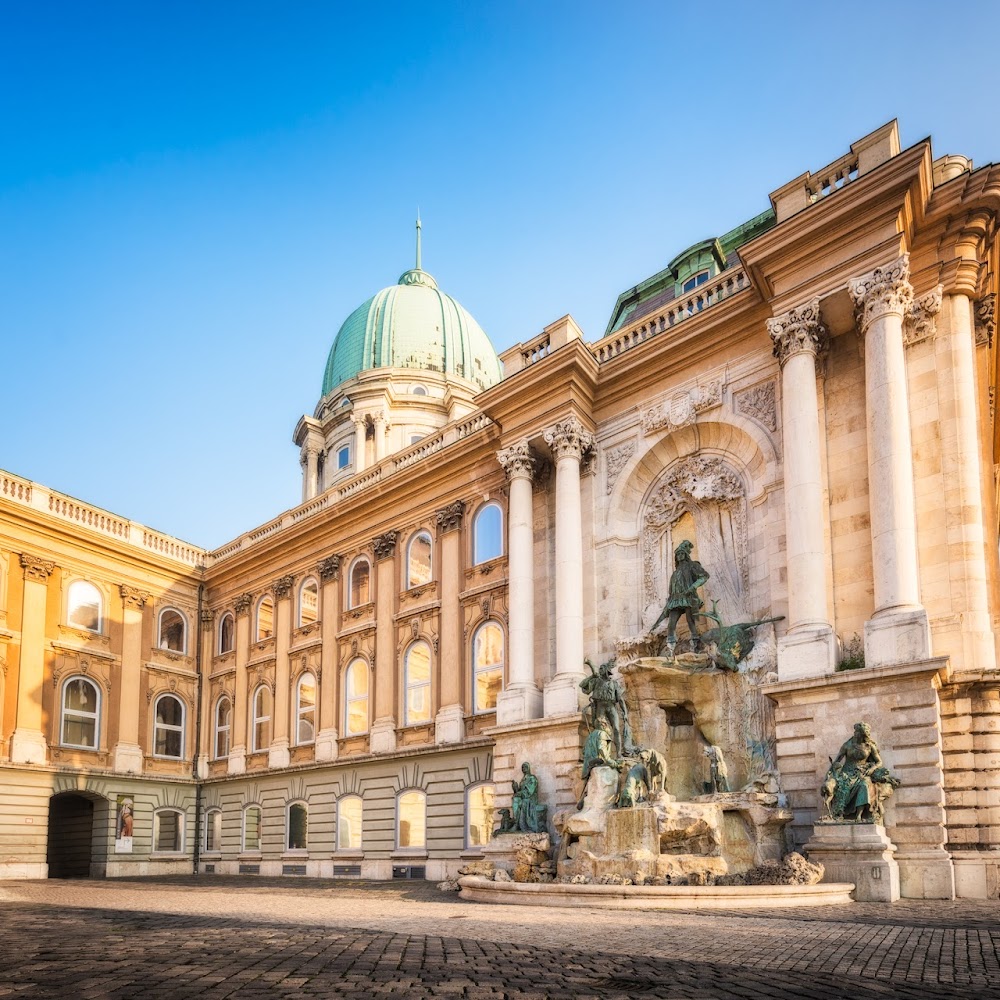
2-Day Budapest Itinerary: Thermal Baths, Ruin Bars & Royal Castles (2026)
Two days is just enough to taste Budapest's essential flavors: soaking in century-old thermal baths, exploring Europe's most famous ruin bars, and crossing the Chain Bridge between Buda's royal hills and Pest's buzzing boulevards.
Day-by-Day Itinerary
Start high above the Danube in Buda's royal quarter, then cross the iconic Chain Bridge to Pest's grand boulevards. This day combines Budapest's most photogenic castle views with its best thermal bath experience and ends with your first taste of ruin bar culture.
Pro tip: Buy a Budapest Card for unlimited public transport plus discounts at thermal baths and museums. The castle funicular is scenic but expensive — walking up is free and good exercise.
Route Map
Budget Breakdown
Estimated cost per person for 2 days. Includes accommodation, all meals, local transport, activities, and miscellaneous expenses. Does not include international flights or travel insurance.
| Category | Daily | Total |
|---|---|---|
| accommodation | $80 | $160 |
| food | $46 | $92 |
| transport | $4 | $8 |
| activities | $49 | $98 |
| misc | $15 | $30 |
| Total | $194 | $388 |
* Budget tier: mid-range. Prices in USD per person.
Money-saving tips:
- Buy the Budapest Card (24/48/72/96/120h options) for unlimited public transport plus 10-50% discounts at baths, museums, and restaurants
- Eat lángos and street food at Great Market Hall instead of tourist restaurants - same quality, half the price
- Many ruin bars are cash-only, so withdraw forints from bank ATMs (better rates than tourist areas)
- Parliament building tours cost 30% less for EU students - bring student ID
- Free walking tours run daily - tip 3000-5000 HUF per person for excellent city orientation
See detailed Hungary budget guide with calculator →
Daily costs, tipping, and trip calculator
When to Go
Perfect weather for outdoor thermal baths, fewer crowds, spring blossoms along the Danube, comfortable walking temperatures
Peak tourist season with highest prices, extreme heat makes city walking uncomfortable, thermal baths overcrowded
Neighborhood Guide
Get oriented before you arrive — what each area feels like and how to get around.
Buda Castle District (District I)
good walkabilityCobblestone streets wind between medieval buildings and baroque palaces, with every corner offering postcard views of the Danube below. It feels like stepping back in time while staying firmly planted in one of Europe's most romantic hilltop districts.
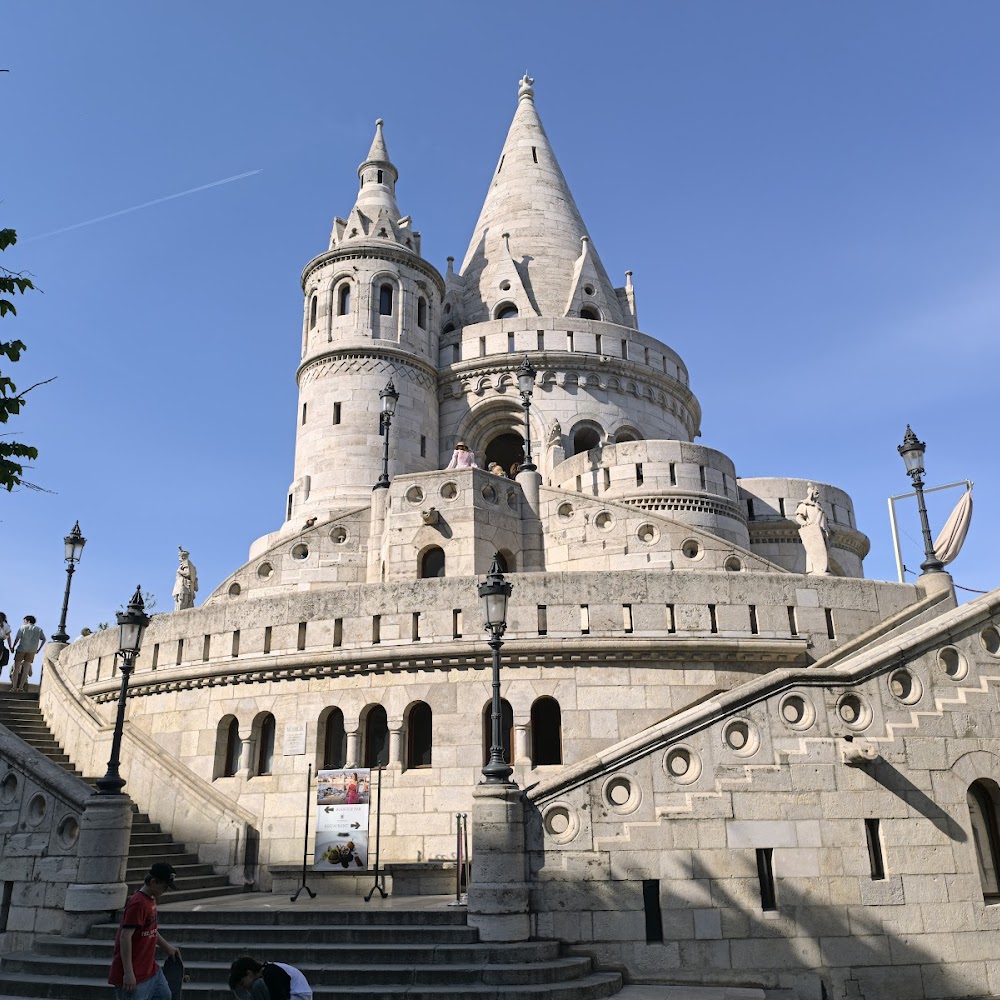
Known for: Royal Palace, Fisherman's Bastion, historic castle grounds, panoramic views
Local tip: Locals avoid the touristy castle restaurants and head down to Batthyány Square for authentic Hungarian food at better prices with the same castle views.
Transit: Bus 16 from Deák Ferenc tér or Castle Funicular
Best time: morning
Not stroller-friendly
Pest Center (District V)
excellent walkabilityGrand boulevards lined with elegant 19th-century buildings create an atmosphere of faded imperial grandeur. The energy is sophisticated yet accessible, with historic cafes, Parliament views, and the constant flow of the Danube just steps away.
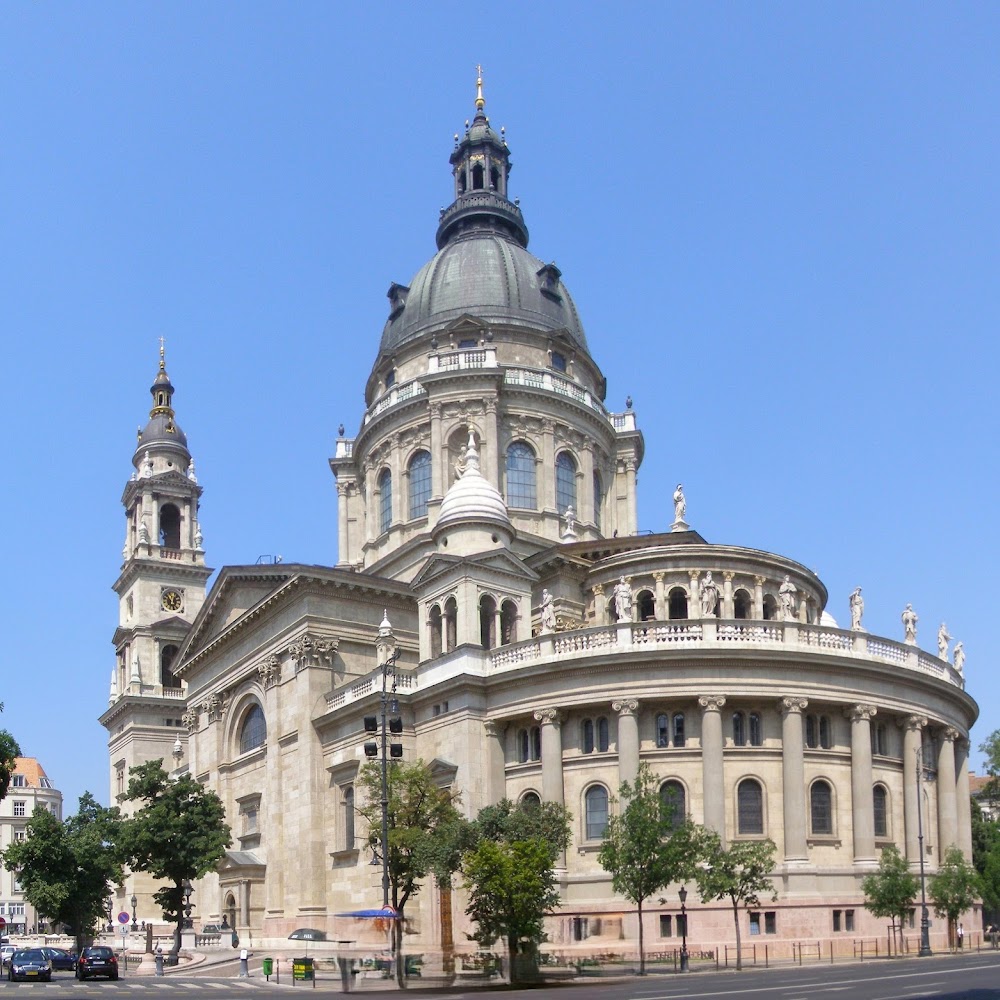
Known for: Parliament building, St. Stephen's Basilica, historic cafes, Danube promenade
Local tip: The area around Kossuth Square (Parliament) empties out after 6pm - perfect for evening photography without crowds.
Transit: Metro M2, M3 at Kossuth Lajos tér and Arany János utca
Best time: anytime
Ruin Bar District (District VII)
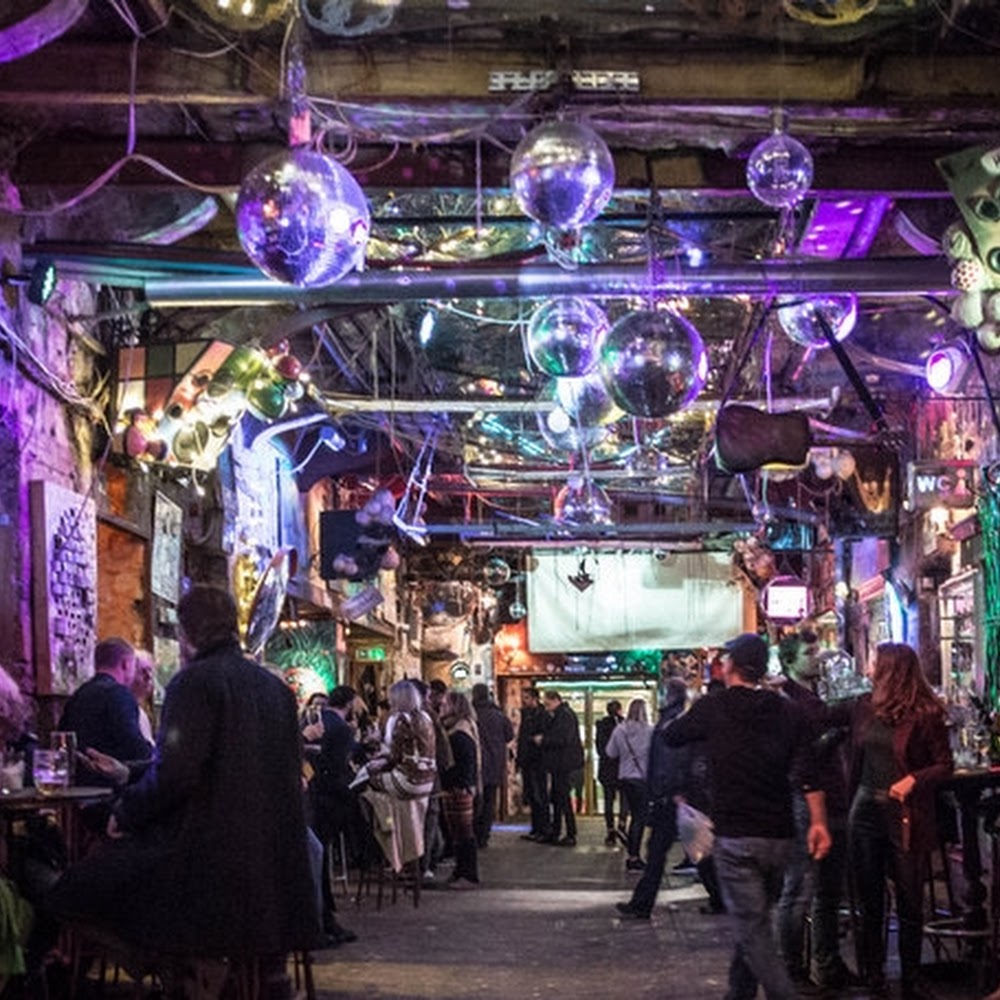
excellent walkabilityCrumbling pre-war buildings house Budapest's most creative bars and restaurants, where bathtub seating and plant-covered walls create a post-apocalyptic garden party atmosphere. By day it's quiet and residential; by night it transforms into the city's cultural heart.
Known for: Szimpla Kert, alternative nightlife, Jewish heritage sites, trendy restaurants
Local tip: Explore the side streets off Kazinczy utca during the day to find vintage shops and quiet cafes that locals frequent before the tourists arrive for nightlife.
Transit: Metro M1, M2, M3 at Deák Ferenc tér, then 5-minute walk
Best time: evening
Great Market Hall Area (District IX)
excellent walkabilityThe aroma of paprika and fresh lángos fills the air around Budapest's grandest market hall, where locals shop for daily groceries alongside tourists hunting for Hungarian specialties. It's authentic commerce with beautiful architecture.
Known for: Great Market Hall, authentic Hungarian food, Danube riverfront, local shopping
Local tip: Visit the market early morning (8-9am) when locals do their shopping and vendors are setting up fresh displays - you'll get better prices and see the real market culture.
Transit: Metro M3 at Kálvin tér, tram 2 along Danube
Best time: morning
What to Eat inBudapest
Eating etiquette
- •Wait to be seated at restaurants
- •Keep hands visible on the table
- •Don't start eating until everyone is served
- •Tip 10% in cash even if paying by card
Breakfast
Light breakfasts with coffee and pastries. Hotels often serve continental breakfast. Locals grab coffee and kifli (crescent rolls) on the way to work.
Lunch
Best value meals are lunch menus (11:30am-2:30pm) at traditional restaurants. Many offer soup, main course, and dessert for 2000-3000 HUF ($5-8).
Dinner
Dinner starts around 7-8pm. Reservations recommended for popular restaurants. Many traditional places close early (9-10pm) so don't arrive too late.
Dishes you can't miss
The real Hungarian version is a thin, paprika-rich soup with tender beef - totally different from thick 'goulash' served elsewhere
Fresco Restaurant or Drum Café · $6-8
Fried dough topped with sour cream and cheese - Hungary's favorite street food and perfect breakfast or snack
Great Market Hall upper level · $3-4
Paprika chicken with nokedli dumplings showcases Hungary's national spice in creamy, comforting perfection
Pest-Buda Bistro · $12-15
Hungarian version rivals Vienna's original with perfectly tender veal and crispy coating
Traditional restaurants citywide · $10-14
Chimney cake rolled in sugar and cinnamon - sweet street food perfect for walking around
Christmas markets or Váci utca street vendors · $4-5
Hungary's famous dessert wine from the Tokaj region pairs perfectly with foie gras or Hungarian cheeses
Wine bars in District V · $8-12/glass
Street food highlights
Daily Walking Distances
Packing List
Mandatory in thermal bath changing areas and useful around pools
Thermal baths charge 2000 HUF ($5) for towel rental
Ruin bars and many small venues are cash-only
Castle District has cobblestones and steep hills
Gellért Hill gets windy and thermal bath outdoor areas need coverage between pools
Essential for thermal baths which are a highlight of any Budapest visit
Skip These
Save your time and money — here's what to skip and what to do instead.
Overpriced and often overcrowded with limited English information. The subject matter is important but presentation is sensationalist.
→ Instead:Visit the free Shoes on the Danube Bank memorial for a more moving Holocaust remembrance, then explore the Jewish Quarter synagogues
Costs 1400 HUF ($4) for a 2-minute ride you can walk in 10 minutes. Always has long queues and doesn't save meaningful time.
→ Instead:Walk up through the charming castle stairs and side streets - better exercise and you'll see more of the historic neighborhood
Beautiful interior but wildly overpriced (coffee costs $15+) and tourist trap atmosphere with rushed service and mediocre food.
→ Instead:Go to historic Café Gerbeaud for similar elegance at half the price, or Central Café for authentic Hungarian coffeehouse culture
More expensive than Széchenyi, smaller, and often overcrowded. The Art Nouveau interior is beautiful but you'll spend more time queuing than soaking.
→ Instead:Széchenyi Baths offer better value, more pools, and the authentic outdoor chess-playing experience Budapest is famous for
Frequently Asked Questions
Is 2 days enough for Budapest?
Yes, 2 days covers the main highlights: Buda Castle, Parliament building, thermal baths, and ruin bars. You'll see both sides of the Danube and experience Hungarian culture, but you'll miss day trips to the Danube Bend, deeper neighborhood exploration, and multiple thermal baths. Consider 3-4 days if you want a more relaxed pace.
Where should I stay in Budapest?
Stay in District V (Inner City) for walking access to Parliament and Danube views, or District VII (Jewish Quarter) for ruin bar nightlife and restaurants. District I (Buda Castle area) is quieter but requires more transport. Avoid Districts VIII-IX south of the center - they're grittier and less convenient for tourists.
How much does 2 days in Budapest cost?
Budget: $150-200 total (hostels, street food, free activities). Mid-range: $350-450 total (3-star hotels, restaurants, thermal baths, tours). Luxury: $600-900 total (5-star hotels, fine dining, private tours, spa treatments). Food and accommodation are significantly cheaper than Western Europe.
What should I not miss in Budapest?
Széchenyi Thermal Baths for the full Budapest experience, Parliament building tour for stunning architecture, Szimpla Kert ruin bar for unique nightlife, Chain Bridge walk for iconic views, and lángos at Great Market Hall for authentic Hungarian food. These five experiences capture Budapest's essence.
What's the best time to visit Budapest?
April-May and September are ideal with mild weather, blooming parks, and smaller crowds. June is peak season with long daylight but bigger crowds. July-August can be uncomfortably hot. Winter (December-February) is cold but atmospheric, especially around Christmas markets and steamy outdoor thermal pools.
Travel Tips forBudapest
Cash for Ruin Bars
Many ruin bars and smaller venues only accept cash. Withdraw Hungarian forints (HUF) from bank ATMs rather than exchange booths for better rates. Avoid airport exchange counters which offer poor rates.
Budapest Card Benefits
The 48-hour Budapest Card (6,990 HUF / $19) includes unlimited public transport plus 10-50% discounts at thermal baths, museums, and restaurants. Buy at metro stations, tourist info, or online. Cards are available for 24/48/72/96/120 hours.
Thermal Bath Etiquette
Wear flip-flops (mandatory in changing areas), shower before entering pools, and don't dive or splash in thermal pools. Many locals play chess in the outdoor pools - it's normal and welcomed. Bring your own towel or rent on-site.
Hungarian Goulash Reality
Real Hungarian goulash (gulyás) is a thin soup with beef, vegetables, and paprika - not the thick stew served elsewhere. Order 'pörkölt' if you want a thick meat stew. Most authentic versions are found at traditional restaurants, not tourist areas.
District Awareness
Budapest is very safe for tourists. Districts I-VII and XIII are completely safe day and night. Districts VIII-IX can be grittier after dark but aren't dangerous. The city has excellent emergency services and English-speaking tourist police in major areas.
Language Basics
Hungarian is unrelated to any other European language but most tourism workers speak English. Learn 'köszönöm' (thank you) and 'egészségére' (cheers). German is more widely understood than English among older locals.
Essential Info
Hungarian Forint (HUF). Cards widely accepted except ruin bars and markets. ATMs everywhere with good exchange rates. Don't exchange money at airport or tourist areas.
Round up bills or 10% at restaurants if service was good. Not obligatory. Tip in cash even if paying by card. No tips needed for thermal bath attendants or public transport.
Vodafone or Telekom prepaid SIMs available at airport and metro stations. EU roaming works. Free WiFi in most cafes, thermal baths, and public areas.
Planning a full Hungary trip?
Our Hungary itineraries cover Budapest and more — with multi-city routes, transit guides, and full budget breakdowns.
Related Itineraries
Ready to plan yourBudapest trip?
Get this 2-day itinerary in your Yopki trip planner — customize, collaborate, and export to PDF.