


14 Day Italy Itinerary
Experience Italy's greatest hits across three iconic cities. This 14-day itinerary balances must-see sights with authentic local experiences, from Roman trattorias to Venetian bacari, with practical day-by-day plans that actually work.
Day-by-Day Itinerary
Route Map
Budget Breakdown
Estimated cost per person for 14 days. Includes accommodation, all meals, local transport, activities, and miscellaneous expenses. Does not include international flights or travel insurance.
| Category | Daily | Total |
|---|---|---|
| accommodation | $90 | $1260 |
| food | $65 | $910 |
| transport | $25 | $350 |
| activities | $30 | $420 |
| misc | $20 | $280 |
| Total | $230 | $3220 |
* Budget tier: mid-range. Prices in USD per person.
Money-saving tips:
- Eat lunch at markets and food halls - dinner at restaurants for best value
- Book trains 1-2 weeks ahead for 30-50% savings on high-speed routes
- Many churches are free with world-class art - perfect museum alternative
- Happy hour aperitivo (6-8pm) often includes free snacks with drinks
- Stay near train stations to avoid taxi costs with luggage
When to Go
Perfect weather, fewer crowds than summer, everything open
Extremely hot, crowded, higher prices, some restaurants close
Neighborhood Guide
Get oriented before you arrive — what each area feels like and how to get around.
Trastevere
good walkabilityCobblestone streets wind between ivy-draped buildings where church bells compete with the clatter of dinner plates. The smell of garlic and basil drifts from doorways while locals lean against medieval walls, gesturing animatedly with wine glasses.
Known for: Authentic Roman nightlife and traditional trattorias
Local tip: Romans come here Sunday afternoons for long lunches that stretch until evening - join a table at Da Enzo al 29 around 2pm
Transit: Tram 8 to Piazza Mastai or walk across Ponte Sisto
Best time: evening
Not stroller-friendly
Centro Storico
excellent walkabilityEvery corner reveals another postcard scene - ancient columns jutting from café walls, fountains gurgling in hidden piazzas, and the constant hum of Vespas weaving through crowds of pilgrims and locals rushing to work.
Known for: Pantheon, Trevi Fountain, and major monuments
Local tip: Duck into Chiesa di Sant'Eustachio for Rome's best coffee - locals drink it standing at the bar with extra sugar
Transit: Multiple bus lines converge at Largo di Torre Argentina
Best time: early morning or late afternoon
Not stroller-friendly
Vatican & Borgo
good walkabilityPilgrims clutch rosaries while street artists sketch tourists against the backdrop of Bernini's colonnade. The air carries whispers in dozens of languages mixed with the scent of gelato and the distant echo of Gregorian chants.
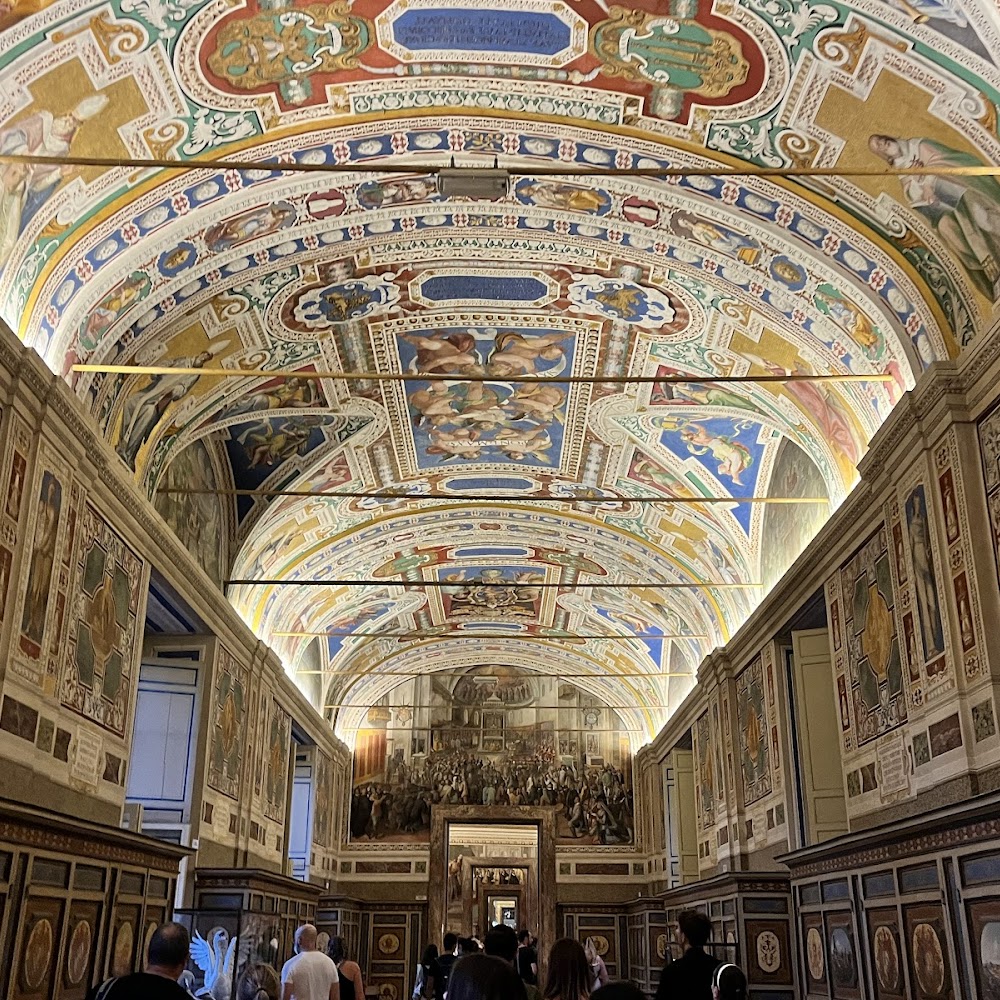
Known for: Vatican Museums, Sistine Chapel, St. Peter's Basilica
Local tip: Skip the expensive Vatican area restaurants - walk 10 minutes to Via Cola di Rienzo where locals actually eat
Transit: Metro A to Ottaviano or Cipro
Best time: early morning before crowds
Oltrarno
excellent walkabilityHammers ring from leather workshops while artisans bend over workbenches in doorways barely wider than a person. This feels like Florence before the tourists discovered it - authentic, gritty, and absolutely magical at sunset from Piazzale Michelangelo.
Known for: Artisan workshops, Pitti Palace, and authentic Florentine life
Local tip: Browse the workshops on Via Santo Spirito in the morning when artisans are working - many speak English and love explaining their craft
Transit: Walk across Ponte Vecchio or take bus 11, 36, 37
Best time: morning or late afternoon
Santa Maria Novella
excellent walkabilityRenaissance palazzos tower over narrow streets where locals duck into wine bars for quick aperitivos. The neighborhood pulses with everyday Florentine life - market vendors shouting prices, businesspeople rushing past ancient churches, and the constant aroma of leather and espresso.
Known for: Central train station, major shopping, and Renaissance architecture
Local tip: Hit Mercato Centrale's second floor food court in the evening when locals come for craft beer and gourmet bites
Transit: Santa Maria Novella train station - main hub
Best time: anytime
Cannaregio
good walkabilityLaundry flutters between buildings like prayer flags while locals wheel shopping carts over ancient bridges. This is Venice without the velvet ropes - where neighborhood cats nap on canal steps and the only sounds are footsteps echoing off stone and water lapping at doorways.
Known for: Jewish Quarter, authentic bacari, and local Venetian life
Local tip: Join locals for cicchetti and spritz at Cantina Do Spade around 6pm - stand at the bar like a Venetian
Transit: Vaporetto Line 1 or 2 to Ca' d'Oro or Rialto
Best time: evening
Not stroller-friendly
San Marco
excellent walkabilityByzantine domes and Gothic arches create a dreamlike backdrop where every reflection in the flooded piazza looks like a painting. The space feels simultaneously grand and intimate, with pigeons swirling overhead and the constant click of cameras mixing with church bells.
Known for: St. Mark's Square, Basilica, and Doge's Palace
Local tip: Visit St. Mark's Basilica at 7am when it opens for prayer - free entry and no crowds for 30 minutes
Transit: Vaporetto Line 1 or 2 to San Marco or San Zaccaria
Best time: early morning or late evening
Not stroller-friendly
What to Eat inItaly
Rome
Eating etiquette
- •Never ask for parmesan on seafood pasta - Romans will judge
- •Cappuccino is only acceptable before 11am
- •Split the bill evenly - Romans rarely pay separately
- •Don't sit down for coffee unless you want to pay 3x more
Breakfast
Romans grab a quick cornetto and cappuccino at the bar, standing up. Total time: 3 minutes. Most hotels serve mediocre breakfast - find a local bar instead.
Lunch
Look for 'menu del giorno' (daily menu) between 12:30-2:30pm for best value. Avoid anywhere with English menus near monuments.
Dinner
Dinner starts at 8pm earliest. Book ahead for popular spots or arrive right at 8pm. Many places don't take reservations - just show up and wait.
Dishes you can't miss
Roman pasta perfection - just cheese, pepper, and pasta water technique passed down generations
Checchino dal 1887 or Da Enzo al 29 · €12-16
Rome's breakfast pastry stuffed with whipped cream - locals eat it as a mid-morning snack
Pasticceria Regoli · €3-4
Roman street food - fried rice balls with molten mozzarella center
Any rosticceria in Trastevere · €2-3
Street food highlights
Florence
Eating etiquette
- •Don't ask for olive oil on your bistecca - the chef chose the preparation
- •Bread has no salt in Tuscany - it's meant to balance salty meats
- •Order house wine by the quarter, half, or full liter
- •Sitting outside costs extra at most cafés
Breakfast
Florentines eat pastries standing at bars with cappuccino. Try bomboloni (Italian donuts) or schiacciata alla fiorentina (sweet flatbread).
Lunch
Hit local osterie between 12:30-1:30pm for fixed-price menus. Avoid Piazza della Signoria area - walk 5 blocks away for authentic prices.
Dinner
Book ahead for dinner, especially weekends. Many kitchens close between 2:30-7:30pm. Florentines eat late but earlier than Romans - 7:30pm is acceptable.
Dishes you can't miss
Massive T-bone from Chianina cattle - Florence's signature dish served rare
Osteria del Sostanza · €40-50/kg
Tuscan bread soup that's better the second day - hence 'reboiled'
Trattoria Za Za or Il Santo Bevitore · €8-12
Sweet focaccia with grapes - only available during harvest season
Forno Sartoni (September only) · €4-6
Street food highlights
Venice
Eating etiquette
- •Cicchetti are eaten standing at the bar
- •Don't sit in St. Mark's Square restaurants unless money is no object
- •Spritz is the local aperitif - Aperol or Campari
- •Fish should smell like the sea, not 'fishy'
Breakfast
Venetians grab coffee and pastries at bacari bars. Try fritelle (carnival donuts) or zaletti (cornmeal cookies) with coffee.
Lunch
Do cicchetti crawls - small plates at different bacari. Start around noon when selection is freshest.
Dinner
Book ahead or eat early (7pm) to avoid waits. Many restaurants close Monday or Tuesday. Kitchen hours are strict - don't arrive late.
Dishes you can't miss
Sweet and sour sardines - Venice's signature antipasto reflecting maritime trade history
Cantina Do Spade · €8-12
Black squid ink risotto - dramatic presentation and pure Adriatic flavor
Osteria alle Testiere · €18-22
Whipped salt cod spread - Venice's answer to French brandade
Antiche Carampane · €10-14
Street food highlights
Getting Between Cities
How to book: Buy online at trenitalia.com or use machines at Roma Termini - validate paper tickets before boarding
Platform: Departs from Roma Termini platforms 16-24, arrive 15 minutes early to find your car
Luggage: Overhead racks fit medium bags, large suitcases go in spaces at car ends
Pro tip: Book window seat on right side for countryside views, car 1-4 are closest to Florence exit
How to book: Book at Firenze Santa Maria Novella station or online - no reservation needed for regional trains but recommended for high-speed
Platform: Departs from platforms 9-19, digital boards show car positions
Luggage: Same as Rome-Florence route, spaces fill quickly so board early
Pro tip: Left side windows for Apennine mountain views, avoid car 8 (bar car noise)
How to book: Purchase at Venezia Santa Lucia station - the main station on the island, not Mestre
Platform: Only 6 platforms, but check departure board for last-minute changes
Luggage: Longer journey so pack snacks, luggage storage same as other routes
Pro tip: Book early for window seats, right side has better coastal views near Rome
Daily Walking Distances
Packing List
Marble church floors and wet Venice bridges are slippery - thousands of steps daily on uneven surfaces
Required for Vatican and church visits - covers shoulders and knees, also useful for evening canal breezes
Heavy camera use for art/architecture, GPS navigation through winding streets, mobile tickets
Hands-free for navigating crowds, climbing stairs, taking photos - avoid backpack in Venice water buses
Rome has free fountains everywhere, Florence and Venice charge €3+ for water, lots of walking
Many Roman trattorias, Venetian bacari, small Tuscan shops don't accept cards under €10-15
Venice acqua alta flooding, sudden Mediterranean showers, provides shade in Rome heat
Intense reflection off marble monuments, Venice canal water, Tuscan countryside sun
Venice vaporetto rides can be choppy, winding Tuscan hill roads to Siena
Italian heating systems and walking dry out skin quickly, especially in winter
Italians dress well for evening meals, some restaurants have informal dress codes
Touching ancient monuments, church doors, vaporetto railings, crowded tourist sites
Required by law to carry ID, keep original safe in hotel
Long flights plus 6-8 miles daily walking on hard stone surfaces
Skip These
Save your time and money — here's what to skip and what to do instead.
Overpriced mediocre food in a city with incredible Roman cuisine - same menu as anywhere else in the world
→ Instead:Eat at Da Enzo al 29 in Trastevere for authentic Roman dishes at half the price with locals
3 hours round trip for a 15-minute photo with a leaning tower - the city itself is underwhelming
→ Instead:Spend the day in Siena instead - stunning medieval architecture, amazing food, and authentic Tuscan culture
Tourist trap pricing (€8 for coffee, €40+ for basic pasta) with mediocre food and aggressive service charges
→ Instead:Walk 5 minutes to Castello neighborhood for authentic Venetian osterie with local prices
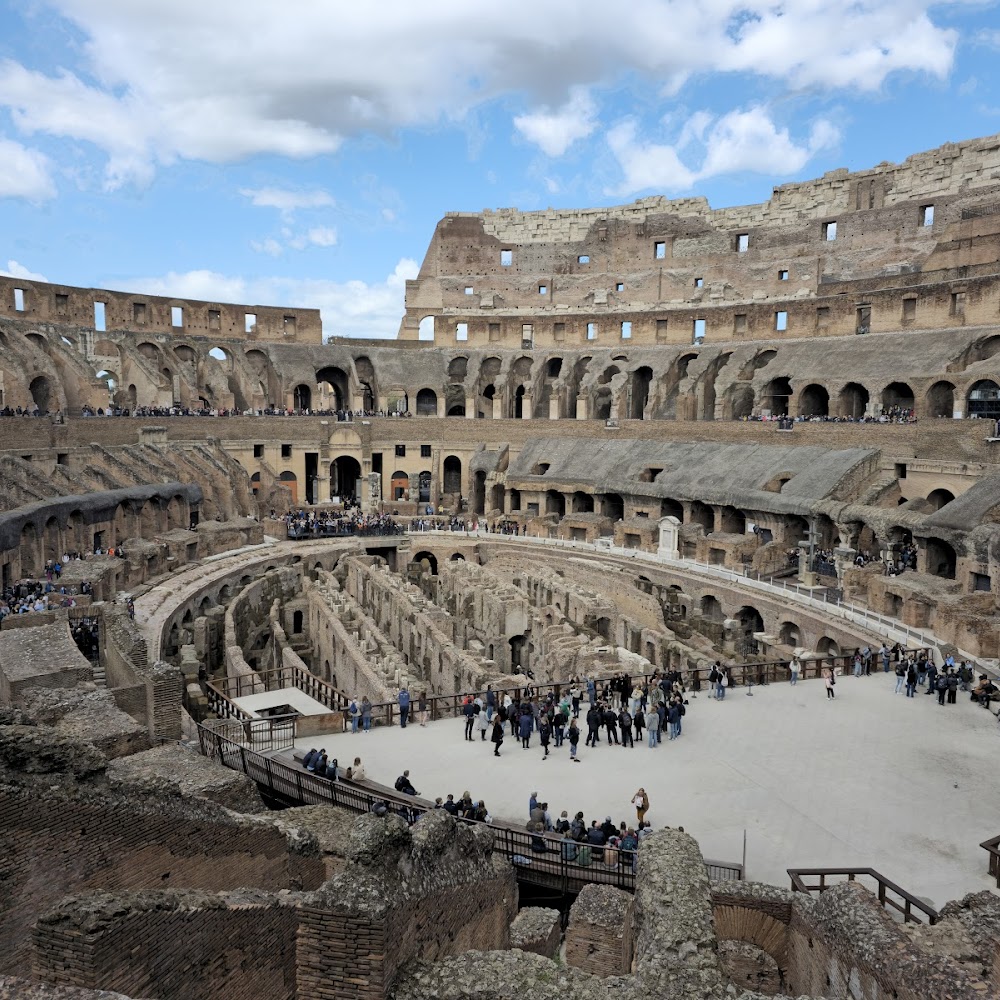
€25+ premium for seeing basement storage rooms - the arena floor view from regular tickets is more impressive
→ Instead:Use the savings for aperitivo in Trastevere and sunset views from Palatine Hill
€80-100 for 30 minutes of manufactured romance with possible pushy gondolier asking for tips
→ Instead:Take vaporetto Line 1 down Grand Canal for €7.50 - same views, local transport, no pressure
Frequently Asked Questions
Is 14 days enough for Italy?
14 days allows you to see the highlights of Rome, Florence, and Venice with day trips, plus time to relax and experience local culture. You could easily spend longer, but this timeframe gives you a solid introduction to Italy's art, food, and history without rushing.
How much does 14 days in Italy cost?
Budget travelers can manage on $1,800-2,200 total, mid-range travelers should expect $2,500-3,500, and luxury travelers $4,000+. Food and accommodation are the biggest expenses, with high-speed trains between cities adding $200-300 to transport costs.
What is the best month to visit Italy?
May and September-early October offer the best combination of great weather, manageable crowds, and open attractions. April can be rainy but beautiful. Avoid July-August if possible due to extreme heat and crowds, especially in Rome and Florence.
Do I need a visa for Italy?
US, UK, Canadian, and Australian citizens need no visa for stays under 90 days. EU citizens can stay indefinitely. Your passport must be valid for at least 6 months beyond your planned departure date.
How do I get between Rome, Florence, and Venice?
High-speed Trenitalia and Italo trains connect all three cities efficiently. Rome to Florence takes 1.5 hours, Florence to Venice takes 2 hours. Book 1-2 weeks ahead for best prices. Driving is not recommended due to ZTL restricted zones in city centers.
What should I pack for Italy?
Comfortable walking shoes are essential for cobblestones. Bring modest clothing for churches (covered shoulders/knees required). Pack layers as weather can change, and a small daypack for daily exploration. Leave room for souvenirs and Italian purchases.
Travel Tips forItaly
Cash is Still King
Many small restaurants, gelaterias, and markets only take cash. ATMs are widely available but notify your bank of travel plans. Tipping isn't expected but rounding up bills is appreciated.
Validate Train Tickets
Regional train tickets must be validated in yellow machines before boarding or face hefty fines. High-speed train tickets don't need validation. Keep tickets until you exit the station.
Italian Dining Hours
Lunch is 12:30-2:30pm, dinner 8-10pm. Restaurants often close 3-7pm. Cappuccino is only for breakfast - order espresso after meals. Cover charge (coperto) is normal and legal.
Aperitivo Happy Hour
6-8pm aperitivo hour often includes free snacks with drink purchase. It's a meal replacement for locals. Try Aperol Spritz or Negroni. Popular in Milan, Rome, and Venice.
Book Ahead for Major Attractions
Uffizi, Accademia (David), Vatican Museums, and Galleria Borghese require advance booking. Colosseum and Duomo dome climb need timed entry tickets. Don't risk disappointment.
Watch for Pickpockets
Tourist areas, crowded transport, and popular restaurants attract petty thieves. Keep valuables secure, avoid displaying expensive items, and be aware of distraction techniques near major attractions.
Essential Info
Italy uses euros (€). Credit cards widely accepted except small vendors. ATMs available everywhere. Notify bank of travel plans to avoid card blocks.
Service charge often included. Round up bills or leave small change for good service. 10% is generous in restaurants. Tip taxi drivers and porters a few euros.
TIM, Vodafone, or WindTre offer tourist SIMs. EU roaming is free for EU residents. Consider eSIM options like Airalo for short visits.
More Options inItaly
Places that didn't make the main itinerary but are worth knowing about.
More Activities
More Restaurants
Shopping
Bars & Nightlife
Cafes & Coffee
Explore Each City
Want to spend more time in a specific city? Check out our city-level deep-dive guides.
Related Itineraries
Ready to plan yourItaly trip?
Get this 14-day itinerary in your Yopki trip planner — customize, collaborate, and export to PDF.