

2-Day Osaka Itinerary: Japan's Kitchen & Street Food Capital (2026)
Osaka is Japan's kitchen, where neon-lit streets buzz with takoyaki vendors and locals queue for the country's best street food. This 2-day guide takes you through the essential neighborhoods where food culture meets urban energy.
Day-by-Day Itinerary
Dive into Osaka's most famous district where glowing signs reflect in the canal and every corner serves up the city's legendary street food. Start at the historic market, then follow your nose through neon-lit streets filled with takoyaki smoke and festival energy.
Pro tip: Download Google Translate camera feature for menus. Most vendors speak basic English.
Route Map
Budget Breakdown
Estimated cost per person for 2 days. Includes accommodation, all meals, local transport, activities, and miscellaneous expenses. Does not include international flights or travel insurance.
| Category | Daily | Total |
|---|---|---|
| accommodation | $80 | $160 |
| food | $45 | $90 |
| transport | $10 | $20 |
| activities | $24 | $48 |
| misc | $15 | $30 |
| Total | $174 | $348 |
* Budget tier: mid-range. Prices in USD per person.
Money-saving tips:
- Buy Osaka Metro 1-day pass (¥800) if taking 3+ subway rides
- Eat kushikatsu for lunch instead of dinner - same food, half the price
- Convenience store breakfast costs ¥300 vs ¥1500 hotel breakfast
- Department store restaurant floors have quality lunch sets under ¥1000
- Free WiFi at all major stations - avoid data roaming charges
See detailed Japan budget guide with calculator →
Daily costs, tipping, and trip calculator
When to Go
Cherry blossoms in spring, comfortable temperatures, clear skies for city views
Extreme humidity and heat make walking uncomfortable, frequent rain
Neighborhood Guide
Get oriented before you arrive — what each area feels like and how to get around.
Dotonbori
excellent walkabilityNeon signs reflect in the canal while the smell of takoyaki fills the air. Tourist-heavy but undeniably energetic, with mechanical crabs and glowing advertisements creating a sci-fi cityscape.
Known for: Iconic neon signs, street food stalls, canal-side dining, nightlife
Local tip: Locals eat here too - look for lines at takoyaki stalls with no English signs for the best quality
Transit: Namba Station (multiple lines), Nippombashi Station
Best time: evening
Not stroller-friendly
Shinsekai
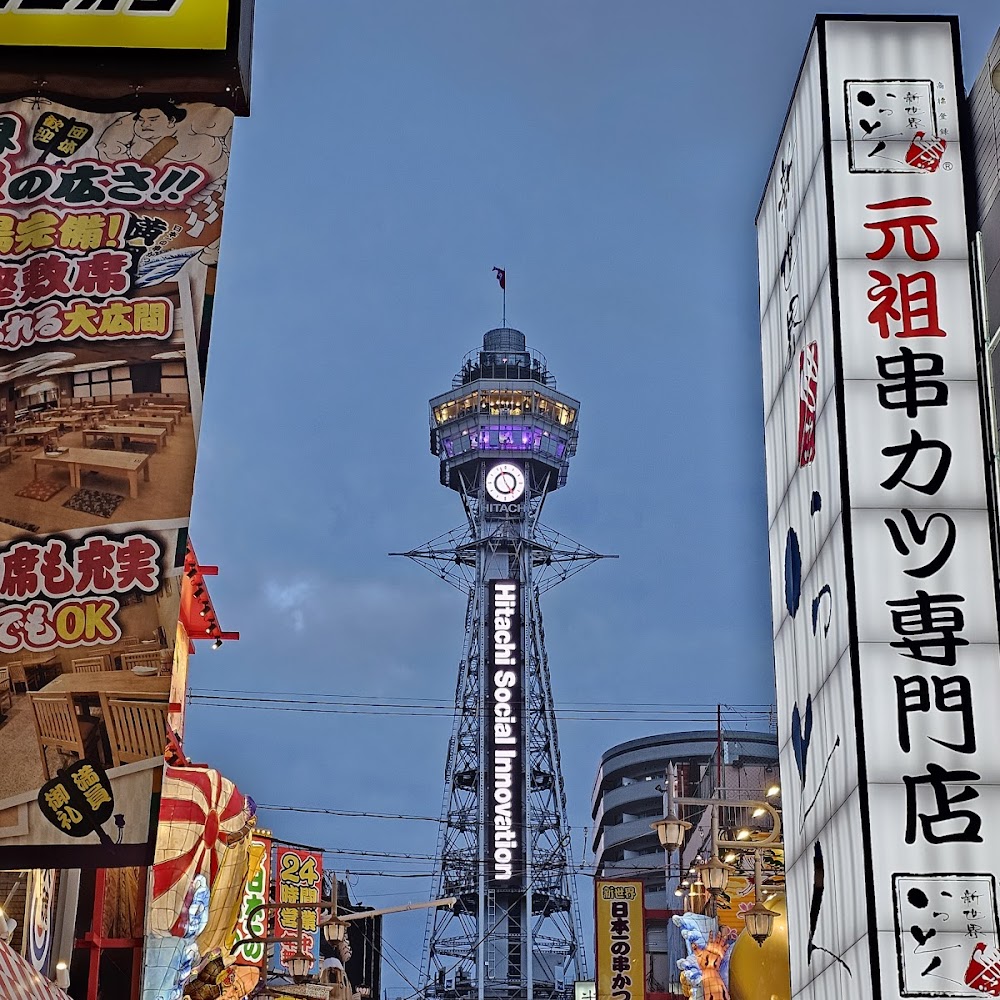
good walkabilityFrozen in the 1950s with retro signage and old-school game parlors. Grittier than other districts but authentic, where elderly locals play shogi in parks and kushikatsu shops haven't changed in decades.
Known for: Tsutenkaku Tower, kushikatsu restaurants, retro atmosphere, working-class culture
Local tip: Visit during the day for the full retro experience - many shops close early
Transit: Ebisucho Station, Dobutsuen-mae Station
Best time: morning
Umeda
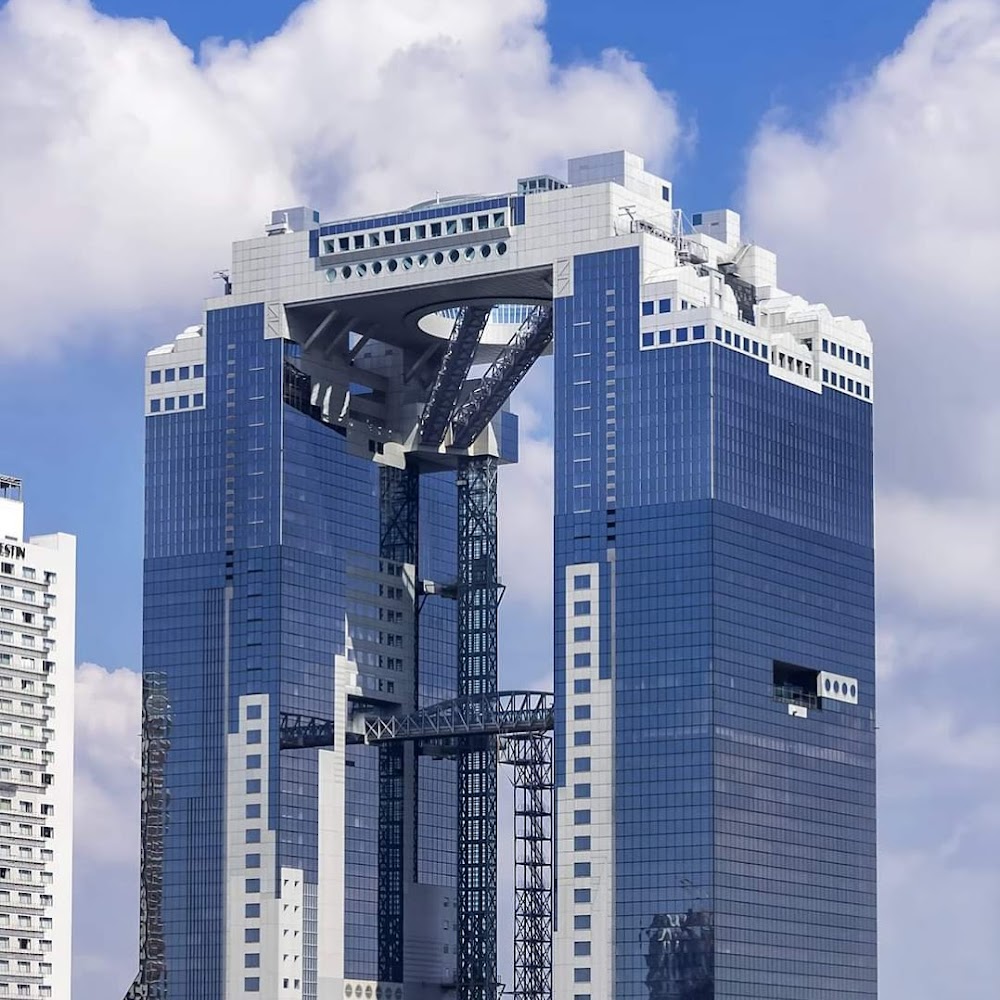
excellent walkabilityGlass towers and underground shopping labyrinths define modern Osaka. Salary workers flood the streets at rush hour, and the underground mall system is so vast you can spend hours without seeing daylight.
Known for: Skyscrapers, underground shopping, business district, department stores
Local tip: The underground shopping connects multiple stations - use it to avoid weather and crowds above ground
Transit: Osaka Station, Umeda Station (multiple lines)
Best time: anytime
Namba
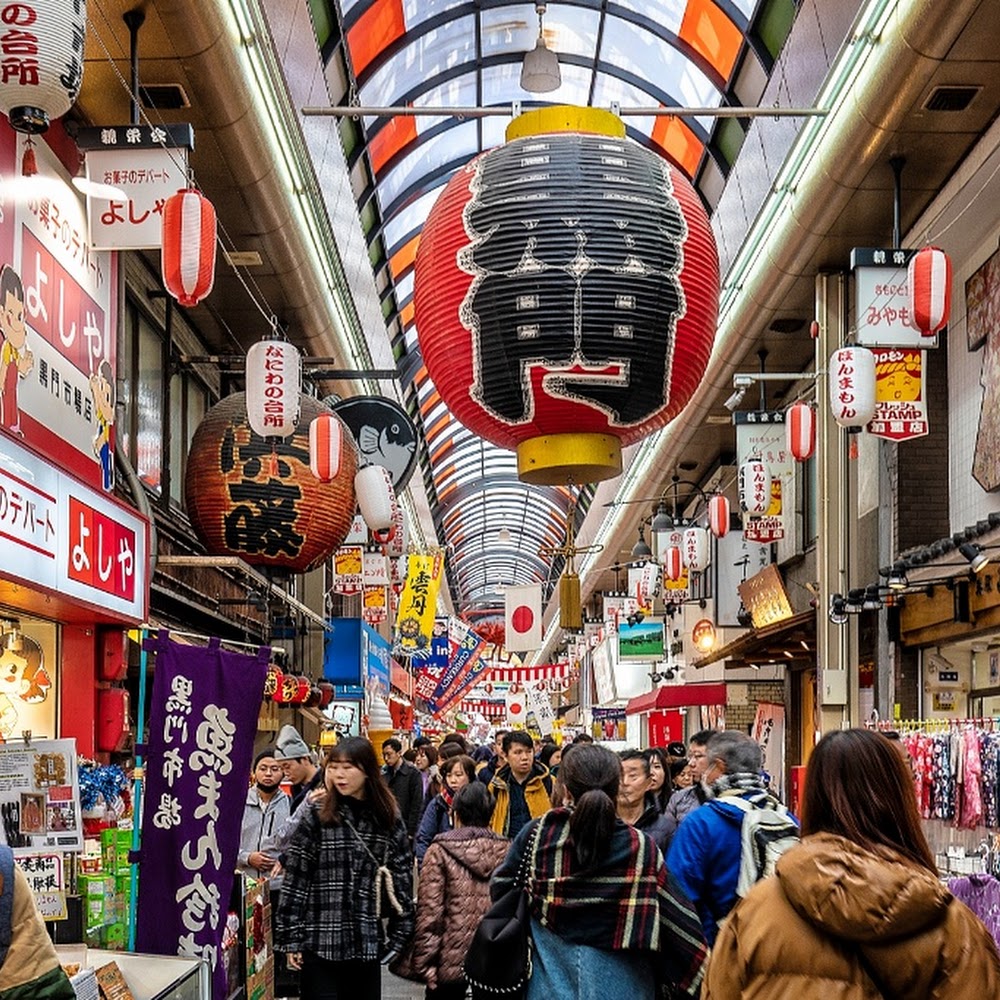
excellent walkabilityThe commercial heart where locals actually shop, not just tourists. Covered shopping arcades protect from weather while mixing international brands with local gems. Less flashy than Dotonbori but more practical.
Known for: Shopping arcades, department stores, transport hub, local restaurants
Local tip: Basement levels of department stores have incredible food courts and takeaway counters
Transit: Namba Station (major hub)
Best time: anytime
What to Eat inOsaka
Eating etiquette
- •Remove shoes in traditional restaurants with tatami
- •Slurp ramen and noodles - it shows appreciation
- •Say 'itadakimasu' before eating, 'gochisousama' when finished
- •Don't stick chopsticks upright in rice
- •Never double-dip sauce at kushikatsu shops
Breakfast
Most locals grab coffee and pastries from convenience stores or eat at hotel breakfast buffets. Traditional breakfast (rice, miso soup, fish) is rare in modern Osaka.
Lunch
Department store restaurant floors offer incredible lunch sets (¥800-1500) from 11am-2pm. Street food and ramen shops have cheaper lunch portions than dinner.
Dinner
Dinner starts early (6-7pm) at traditional places, later (7-9pm) at izakayas. Many popular spots don't take reservations - arrive early or expect waits.
Dishes you can't miss
Osaka invented this octopus ball - crispy outside, gooey inside with bonito flakes dancing on top
Street stalls in Dotonbori · ¥500-800
Savory pancake that's Osaka's comfort food - locals add mayonnaise and brown sauce liberally
Mizuno (Dotonbori) · ¥1200-1800
Fried skewers with strict no-double-dipping sauce rule - pork, vegetables, even ice cream versions
Daruma (Shinsekai) · ¥150-300 per skewer
Rich tonkotsu broth with thin noodles, customizable spice and garlic levels
Ichiran or Ippudo · ¥900-1400
Osaka has incredible beef culture - grill premium cuts yourself at the table
Rokkasen · ¥3000-6000
Round pancakes filled with sweet red bean paste or custard - perfect walking food
Kuromon Market · ¥200-400
Street food highlights
Daily Walking Distances
Packing List
Many places don't accept foreign cards - IC cards work everywhere
Lots of walking on concrete and stairs in metro stations
Heavy map and translation app usage drains battery quickly
Japanese restrooms rarely have paper towels - carry your own
Still a cash-heavy society, especially for street food and small restaurants
Download Japanese offline for menu reading and basic communication
Skip These
Save your time and money — here's what to skip and what to do instead.
Concrete reconstruction from the 1960s feels inauthentic, and you'll see better original castles in other Japanese cities
→ Instead:Spend time in authentic Shinsekai district for real local culture and better photos
Takes a full day and costs ¥8400+ for what's essentially a theme park with Nintendo characters
→ Instead:Explore 3-4 different neighborhoods for authentic Osaka culture and amazing food
Beautiful but requires 45 minutes each way from central Osaka - time better spent elsewhere in a short trip
→ Instead:Visit local temples in central districts while exploring neighborhoods
Frequently Asked Questions
Is 2 days enough for Osaka?
Yes, 2 days covers Osaka's essential experiences - Dotonbori food culture, major neighborhoods, and signature dishes. You'll see the highlights but miss day trips to Nara or Kyoto, and deeper neighborhood exploration. Perfect for a food-focused city break.
Where should I stay in Osaka?
Stay in Namba/Dotonbori for maximum convenience to attractions and nightlife, or Umeda for business district access and train connections. Avoid Osaka Bay area (too far) and Tennoji at night (less safe for tourists).
How much does 2 days in Osaka cost?
Budget: $120/day (hostels, street food, free activities). Mid-range: $175/day (business hotels, restaurant meals, paid attractions). Luxury: $300+/day (high-end hotels, wagyu dinners, private tours).
What should I not miss in Osaka?
Dotonbori neon district, authentic takoyaki and okonomiyaki, kushikatsu in Shinsekai, Kuromon Market for fresh food, and Umeda Sky Building views. These define Osaka's food culture and urban energy.
What's the best time to visit Osaka?
March-May (cherry blossoms, mild weather) and October-November (comfortable temperatures, clear skies). Avoid July-August due to extreme humidity and heat that makes walking uncomfortable.
Travel Tips forOsaka
Street Food Strategy
Eat kushikatsu for lunch instead of dinner - same quality, half the price. Never double-dip sauce at kushikatsu shops (strict house rule). Takoyaki tastes better from street stalls than restaurants.
Metro Efficiency
Buy IC card (Icoca) at any station for seamless travel. Osaka Metro 1-day pass (¥800) pays off with 3+ rides. JR Loop Line connects major districts faster than metro for longer distances.
Cash Culture
Many small restaurants and stalls are cash-only. Withdraw from 7-Eleven ATMs (no foreign fees). Department store restaurant floors offer quality lunch sets under ¥1000.
Dining Etiquette
Slurping ramen is acceptable and shows appreciation. Don't stick chopsticks upright in rice bowls. Say 'itadakimasu' before eating, 'gochisousama' after finishing.
Navigation Tips
Download offline Google Maps - Umeda underground is maze-like. Station exits are numbered - screenshot directions with specific exit numbers. Free WiFi at all major stations.
Essential Info
Japan is cash-heavy. Many places don't accept cards. Withdraw from 7-Eleven or Japan Post ATMs. IC cards work for transport and some shops.
No tipping required or expected. Service charge included in bills at upscale restaurants.
eSIM from Airalo or physical SIM from Bic Camera. Pocket WiFi rental at Kansai Airport.
More Options inOsaka
Places that didn't make the main itinerary but are worth knowing about.
More Restaurants
Bars & Nightlife
Shopping
More Activities
Planning a full Japan trip?
Our Japan itineraries cover Osaka and more — with multi-city routes, transit guides, and full budget breakdowns.
Related Itineraries
Ready to plan yourOsaka trip?
Get this 2-day itinerary in your Yopki trip planner — customize, collaborate, and export to PDF.