
3-Day Mexico City Itinerary: From Ancient Temples to Modern Tacos (2026)
Mexico City packs 700 years of history, world-class museums, and incredible street food into one sprawling metropolis. This 3-day guide takes you through the city's most iconic neighborhoods, from the historic center's ancient Aztec ruins to Roma Norte's hip mezcal bars.
Day-by-Day Itinerary
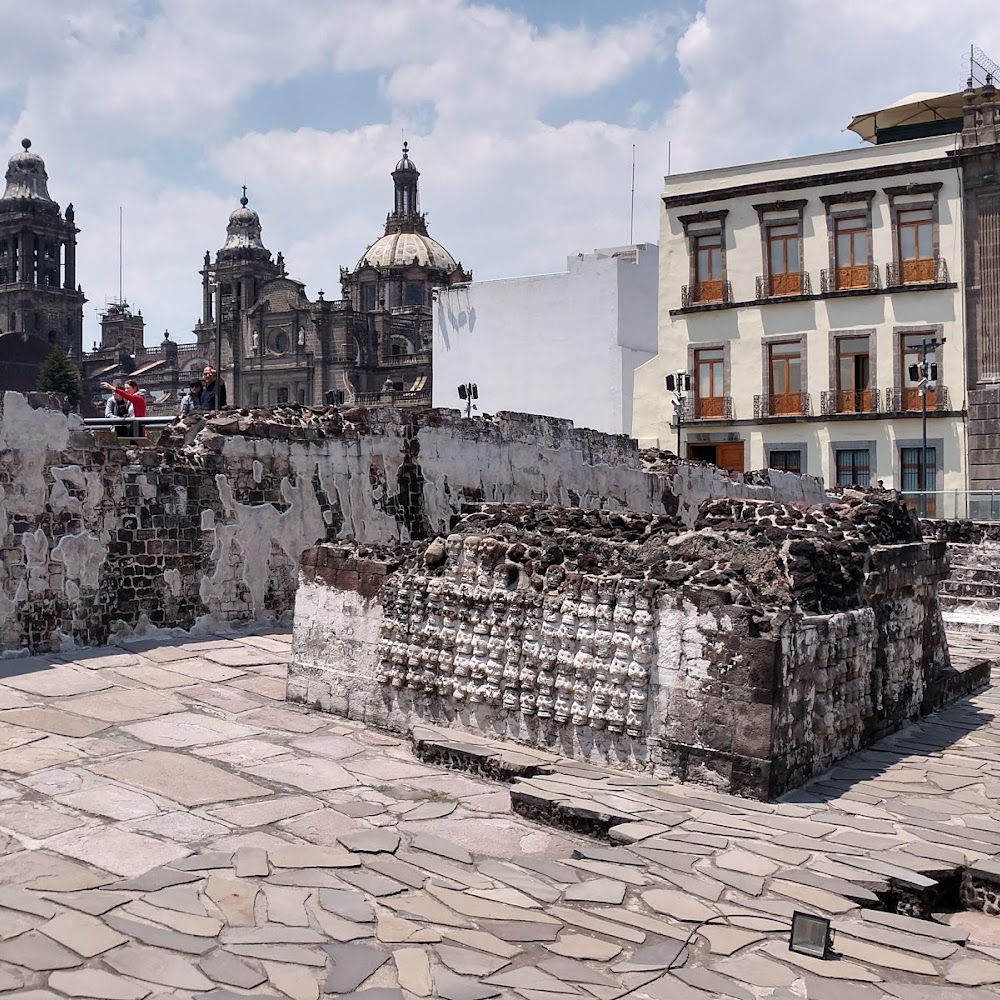
Start your Mexico City journey where it all began, in the heart of the historic center built directly on top of the ancient Aztec capital. You'll walk through 700 years of history, from pre-Columbian temples to Spanish colonial palaces, while sampling some of the city's best street tacos along the way.
Pro tip: Centro Histórico is best explored in the morning when it's less crowded and the light is perfect for photos.
Route Map
Budget Breakdown
Estimated cost per person for 3 days. Includes accommodation, all meals, local transport, activities, and miscellaneous expenses. Does not include international flights or travel insurance.
| Category | Daily | Total |
|---|---|---|
| accommodation | $80 | $240 |
| food | $116 | $348 |
| transport | $9 | $27 |
| activities | $25 | $75 |
| misc | $15 | $45 |
| Total | $245 | $735 |
* Budget tier: mid-range. Prices in USD per person.
Money-saving tips:
- Eat at market stalls and street vendors — the food is excellent and costs $2-5 per meal
- Use the Metro ($0.30 per ride) instead of Uber for longer distances during non-rush hours
- Many museums are free on Sundays for Mexican residents and sometimes for tourists
- Buy mezcal and tequila at Mercado Medellín for 30-50% less than bar prices
- Skip expensive hotel breakfast — bakeries and markets serve better food for a fraction of the cost
See detailed Mexico budget guide with calculator →
Daily costs, tipping, and trip calculator
When to Go
Perfect weather with mild temperatures, minimal rain, and clear skies ideal for walking and outdoor activities
Heavy rainy season with daily afternoon downpours that can flood streets and disrupt outdoor plans
Neighborhood Guide
Get oriented before you arrive — what each area feels like and how to get around.
Centro Histórico
excellent walkabilityWalking through Centro Histórico feels like stepping through layers of history — colonial Spanish buildings rise above Aztec ruins while street vendors sell tacos next to 16th-century cathedrals. It's chaotic, crowded, and completely authentic.
Known for: Historic colonial architecture, Zócalo main square, Templo Mayor ruins, traditional markets
Local tip: Locals avoid the area on weekends when it's packed with tourists, but weekday mornings offer a more authentic experience of Mexico City's historic heart.
Transit: Zócalo Metro station (Line 2), multiple bus routes
Best time: morning
Not stroller-friendly
Roma Norte
excellent walkabilityTree-lined streets filled with young professionals, artists, and digital nomads create a Brooklyn-like atmosphere. Every corner has a specialty coffee shop, boutique, or gallery, and the energy is creative and cosmopolitan.
Known for: Hip restaurants, specialty coffee, boutique hotels, contemporary galleries, nightlife
Local tip: Locals browse the Saturday organic market at Parque España and use the neighborhood as their base for exploring other areas — it's central and well-connected.
Transit: Insurgentes and Sevilla Metro stations, multiple Metrobus routes
Best time: anytime
Condesa
excellent walkabilityArt Deco buildings surround oval parks where locals jog with their dogs and families picnic on weekends. It's more relaxed than Roma Norte, with a residential feel despite the excellent restaurants and bars.
Known for: Art Deco architecture, Parque México, dog-friendly culture, upscale dining
Local tip: Dog ownership is practically mandatory here — locals gather in the parks every evening for impromptu dog socialization sessions.
Transit: Patriotismo Metro station, Metrobus Campeche
Best time: afternoon
Coyoacán
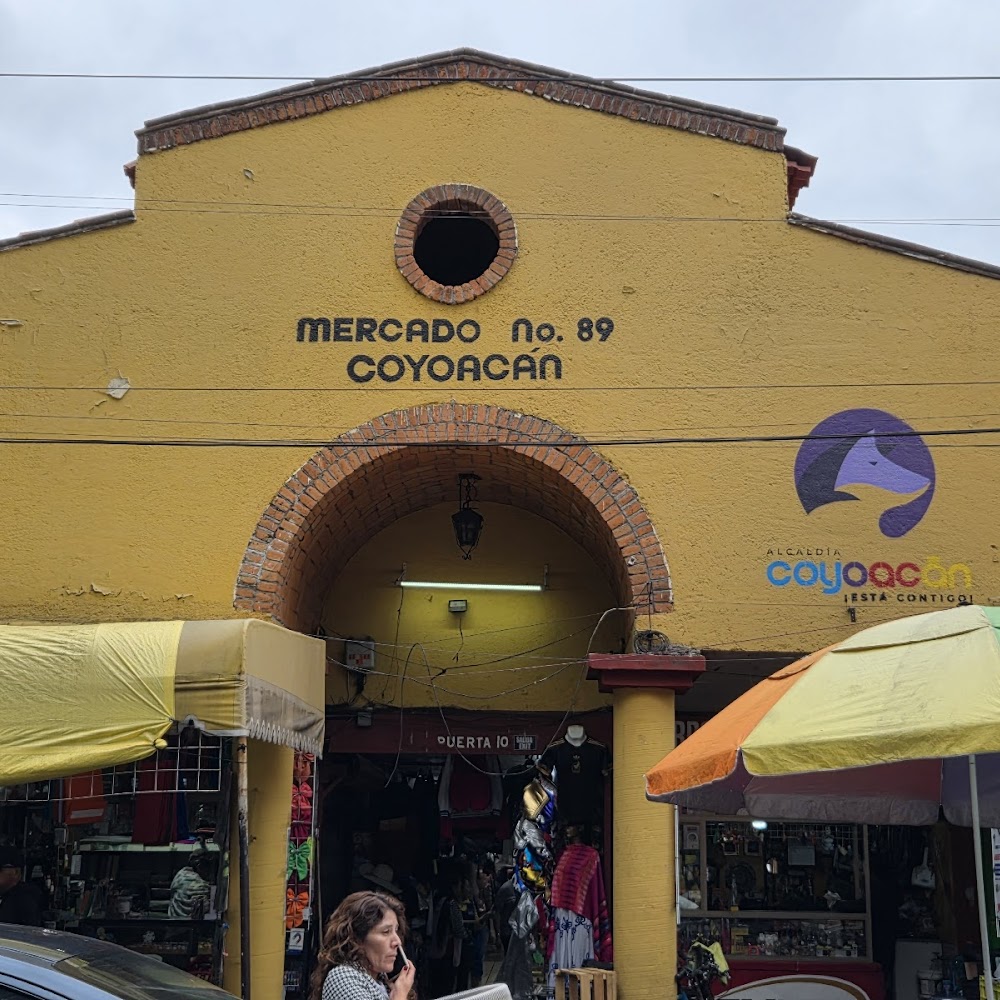
good walkabilityCobblestone streets and colonial architecture create a small-town atmosphere within the megalopolis. Weekend markets fill the plazas, and the pace is notably slower and more traditional than central neighborhoods.
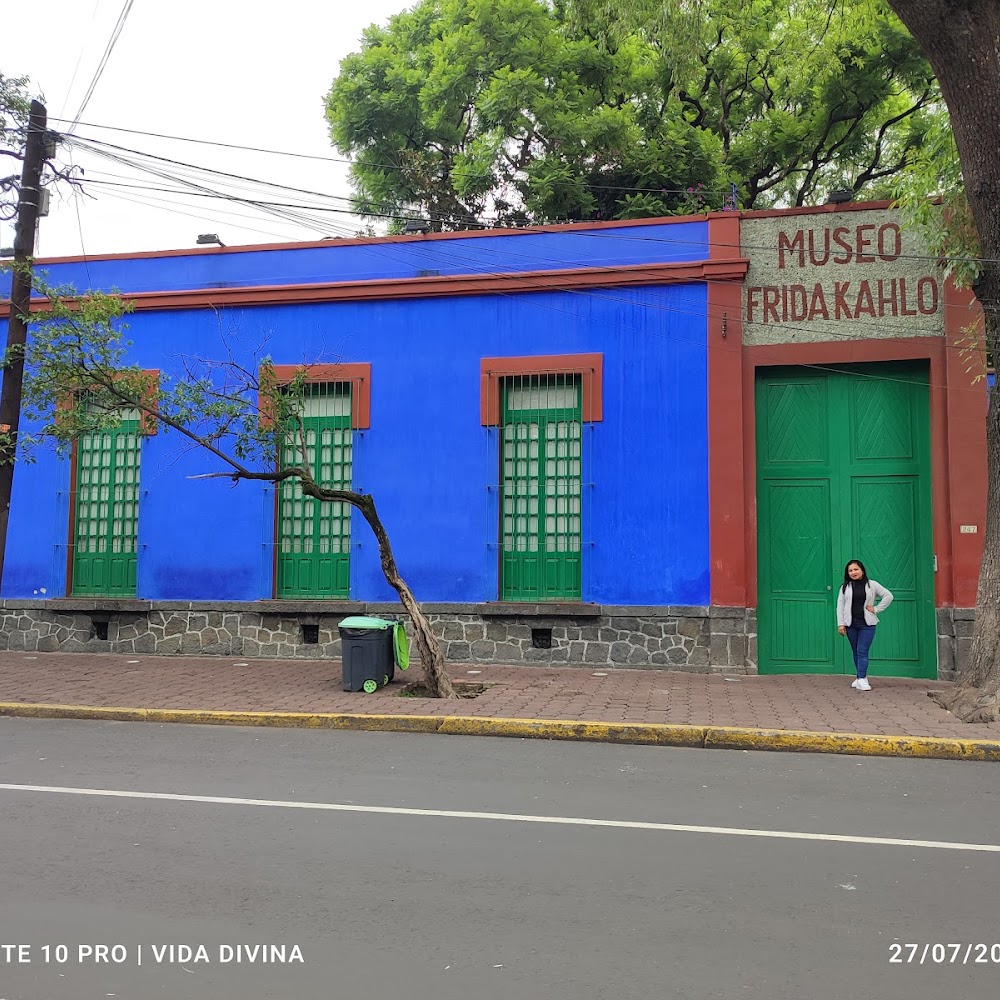
Known for: Frida Kahlo Museum, colonial architecture, weekend markets, traditional Mexican culture
Local tip: Weekends transform the neighborhood with massive street markets and live music — it's when locals come for traditional crafts and street food their grandparents would recognize.
Transit: Coyoacán Metro station (Line 3), various bus routes
Best time: weekend mornings
Not stroller-friendly
What to Eat inMexico City
Eating etiquette
- •Lunch is the main meal, typically eaten 2-4pm
- •Dinner happens late, often after 9pm
- •It's polite to finish everything on your plate
- •Tipping 10-15% is standard at restaurants
- •Street food is eaten standing up — there's usually no seating
Breakfast
Mexicans eat light breakfasts — coffee with pastries or simple egg dishes. Markets open early and serve hearty options like tamales and atole (hot corn drink).
Lunch
Look for 'comida corrida' (set lunch menus) at traditional restaurants — 3-4 courses for $4-8. Many upscale restaurants offer excellent lunch deals that cost half the dinner price.
Dinner
Dinner starts late (9pm+) and is often lighter than lunch unless it's a special occasion. Reservations essential at popular restaurants, especially on weekends.
Dishes you can't miss
Mexico City's signature taco — marinated pork with pineapple, created by Lebanese immigrants
Any trompo (vertical spit) on the street · $0.50-1 each
Slow-roasted pork in banana leaves with achiote seasoning from Yucatan
Mercado San Juan or El Turix · $8-12
Poblano chiles with walnut sauce — Mexico's patriotic dish in flag colors
San Ángel Inn (seasonal: Aug-Sept) · $18-25
Complex sauce with 20+ ingredients including chocolate — Oaxacan masterpiece
Azul Histórico or Pujol · $15-35
Crispy churros with thick hot chocolate — perfect late-night snack
El Moro · $3-5
Steamed corn dough with various fillings — breakfast of champions
Street vendors in the morning · $1-2 each
Grilled fish with red and green sauces — Mexico City's most famous seafood dish
Contramar · $25-30
Raw tuna on crispy tortilla — surprisingly perfect in this landlocked city
Contramar or Mercado Roma · $8-12
Street food highlights
Daily Walking Distances
Packing List
Lots of walking on uneven colonial cobblestones and sidewalks
High altitude means cool evenings even when days are warm
Using maps, translation apps, and Uber constantly drains battery
For before eating street food — a practical precaution
High altitude intensifies UV rays — you'll burn faster than expected
For carrying water, snacks, and purchases while walking neighborhoods
Skip These
Save your time and money — here's what to skip and what to do instead.
Rushed bus tours spend 4 hours in transit for 2 hours at the pyramids, and most miss the best early morning light
→ Instead:Go independently by bus (1 hour, $2) and arrive at opening time, or save it for a longer Mexico trip
Traffic makes it painfully slow, and it mostly covers areas you can easily walk or Metro to
→ Instead:Use Metro and walking for a fraction of the cost and twice the speed
Former tourist district now filled with chain restaurants and tourist traps — locals avoid it completely
→ Instead:Spend time in Roma Norte or Condesa for authentic modern Mexican neighborhood culture
Usually expensive and mediocre compared to incredible local breakfast options
→ Instead:Walk to local markets or bakeries for authentic and cheaper breakfast experiences
Frequently Asked Questions
Is 3 days enough for Mexico City?
Yes, 3 days covers the essential neighborhoods and major attractions, but you'll only scratch the surface. You can see Centro Histórico's colonial architecture, experience Roma Norte's hip food scene, visit Frida Kahlo's house in Coyoacán, and take a trajinera ride in Xochimilco. However, you'll miss Teotihuacán pyramids, Polanco's upscale dining, extensive museum visits, and day trips to surrounding areas.
Where should I stay in Mexico City?
Stay in Roma Norte for the best balance of safety, walkability, and access to restaurants. Condesa is also excellent but pricier. Polanco offers luxury hotels but feels less authentic. Avoid staying in Centro Histórico unless you're specifically interested in colonial architecture — it's crowded and can feel unsafe at night.
How much does 3 days in Mexico City cost?
Budget: $40-60/day (hostels, street food, free activities). Mid-range: $80-120/day (boutique hotels, mix of street food and restaurants, paid attractions). Luxury: $200+/day (high-end hotels, fine dining, private tours). Food is remarkably affordable — excellent street tacos cost $0.50-1 each.
What should I not miss in Mexico City?
The Templo Mayor ruins showing Aztec history, street tacos al pastor from any trompo, Frida Kahlo Museum in Coyoacán, floating through Xochimilco on trajineras, and exploring Roma Norte's café culture. The contrast between ancient indigenous culture and modern Mexican creativity is what makes the city special.
What's the best time to visit Mexico City?
March through May offers perfect weather with warm days, cool nights, and minimal rain. October and November are also excellent. Avoid July-August due to heavy afternoon rains that can flood streets, though morning activities are usually fine.
Travel Tips forMexico City
Master the Metro system
Buy a rechargeable Metro card for 6 pesos at any station and load it with credit. The Metro costs just 5 pesos (30 cents) per ride and connects all major areas. Avoid during rush hours (7-9am, 6-8pm) when cars are packed beyond belief. Women-only cars are at the front during peak hours.
Embrace street food safely
Look for taco stands with high turnover — meat should be cooking actively, not sitting. The best al pastor comes from vertical trompos where the meat is carved fresh. Squeeze lime on everything and don't fear the salsa verde. Markets like Mercado San Juan offer the most variety.
Stay aware but don't panic
Roma Norte, Condesa, Polanco, and Coyoacán are very safe during the day and evening. Avoid flashing expensive jewelry or electronics. Use official Uber instead of street taxis. Don't walk alone late at night in Centro Histórico. The city is generally safer than most American cities of similar size.
Cash is still king
Many markets, street vendors, and small restaurants only accept cash. ATMs are everywhere but check with your bank about international fees. Peso notes are colorful and vary dramatically in size — the 500 peso note is huge while the 20 is tiny. Tipping is 10-15% at restaurants.
Learn basic Spanish phrases
English is limited outside tourist areas and upscale restaurants. Download Google Translate with offline Spanish. Key phrases: 'La cuenta, por favor' (check please), '¿Cuánto cuesta?' (how much?), 'No hablo español' (I don't speak Spanish). Mexicans appreciate any effort to speak Spanish.
Altitude awareness
Mexico City sits at 7,350 feet above sea level. You might feel slightly winded climbing stairs or walking uphill. Stay hydrated and take it easy the first day. Alcohol affects you more strongly at this altitude. The high elevation also means cool evenings even when days are warm.
Essential Info
Mexican peso (MXN). Cards accepted at most restaurants and shops, but bring cash for markets, street food, and small vendors. ATMs widely available.
Restaurants: 10-15%, bars: 10-20 pesos per drink, taxis: round up, hotels: 20-50 pesos per service
Telcel prepaid SIM or international roaming — most US carriers work well in Mexico City
More Options inMexico City
Places that didn't make the main itinerary but are worth knowing about.
More Restaurants
More Activities
Shopping
Bars & Nightlife
Planning a full Mexico trip?
Our Mexico itineraries cover Mexico City and more — with multi-city routes, transit guides, and full budget breakdowns.
Related Itineraries
Ready to plan yourMexico City trip?
Get this 3-day itinerary in your Yopki trip planner — customize, collaborate, and export to PDF.