


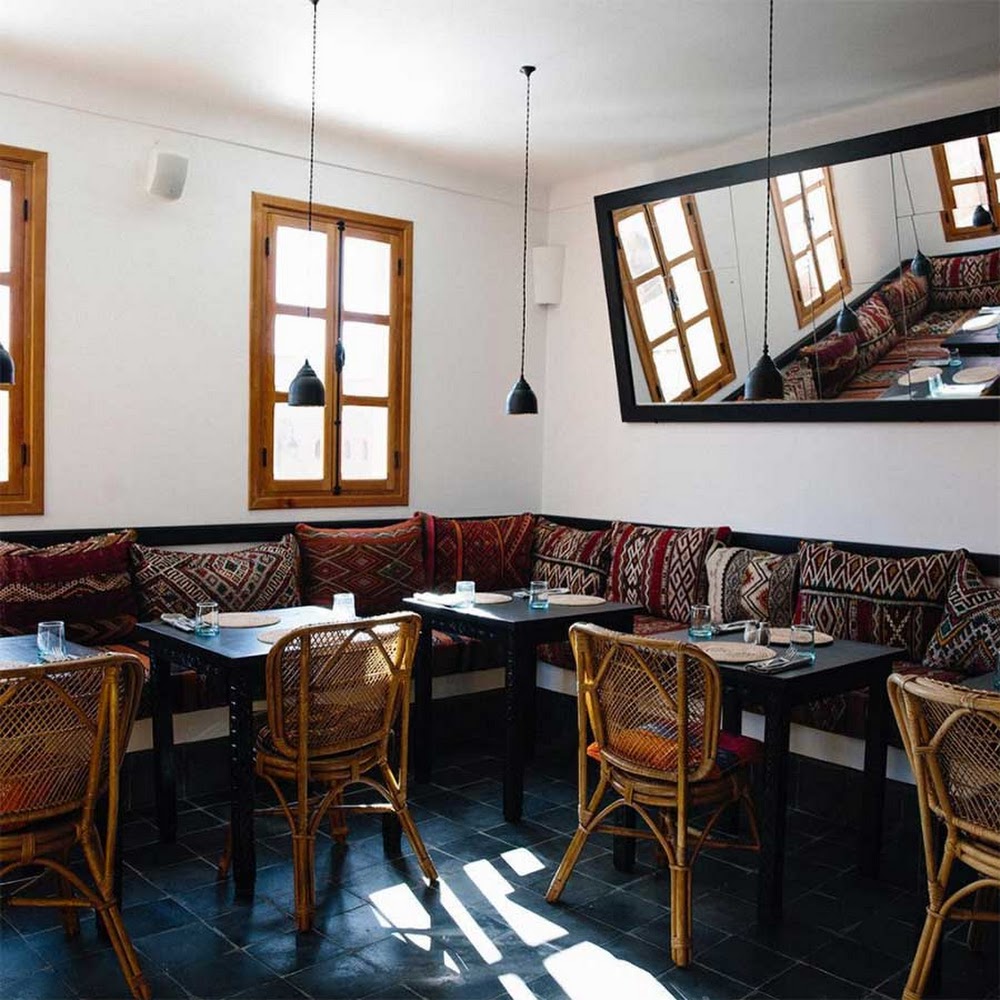
5 Day Morocco Itinerary
Experience Morocco's imperial cities, mountain villages, and vibrant souks in this perfectly paced 5-day journey from Marrakech's bustling Jemaa el-Fnaa to Fes' ancient medina.
Day-by-Day Itinerary
Gentle introduction to Marrakech with medina exploration
Pro tip: Keep small bills handy - most vendors can't break 200 MAD notes.
Route Map
Budget Breakdown
Estimated cost per person for 5 days. Includes accommodation, all meals, local transport, activities, and miscellaneous expenses. Does not include international flights or travel insurance.
| Category | Daily | Total |
|---|---|---|
| accommodation | $75 | $375 |
| food | $43 | $215 |
| transport | $16 | $78 |
| activities | $11 | $57 |
| misc | $15 | $75 |
| Total | $160 | $800 |
* Budget tier: mid-range. Prices in USD per person.
Money-saving tips:
- Eat lunch at local spots - dinner at tourist restaurants. Lunch menus are 50% cheaper.
- CTM buses are comfortable and reliable - much cheaper than private drivers ($20 vs $200).
- Negotiate hard in souks but accept fair prices - start at 30% of asking price.
- Stay in riads within medinas to save on taxi costs - everything walkable.
- Buy mint tea ingredients from markets instead of tourist cafes - 10x cheaper.
When to Go
Perfect temperatures (20-25°C), clear skies, comfortable for walking medinas and mountain travel
Extreme heat (40°C+) makes medina exploration exhausting, Ramadan may affect dining options
Neighborhood Guide
Get oriented before you arrive — what each area feels like and how to get around.
Medina of Marrakech
moderate walkabilityA sensory overload where the scent of mint tea mingles with leather and spices, while the constant hum of motorbikes and haggling voices creates an intoxicating urban symphony. The narrow alleys feel like arteries of a living organism, pulsing with energy from dawn to midnight.
Known for: Djemaa el-Fna square, traditional souks, and historic riads
Local tip: Shop in the late afternoon when vendors are tired and more willing to negotiate. Locals buy spices and textiles in the Mellah quarter for better prices.
Transit: Djemaa el-Fna square accessible by petit taxi
Best time: evening
Not stroller-friendly
Gueliz
excellent walkabilityModern Morocco unfolds along tree-lined boulevards where French café culture meets Moroccan sophistication. The wide sidewalks and contemporary architecture offer a refreshing contrast to the medina's intensity.
Known for: Modern restaurants, shopping centers, and French colonial architecture
Local tip: This is where young Moroccans actually hang out. Head to cafés on Avenue Mohammed V for authentic modern Moroccan social life.
Transit: Bus line 1 and 2, multiple petit taxi routes
Best time: afternoon
Old Medina Chefchaouen
moderate walkabilityWalking through blue-washed streets feels like moving through a living watercolor painting, where every corner reveals another Instagram-worthy scene. The mountain air carries the sound of locals chatting from doorsteps and the gentle bleating of goats.
Known for: Blue-painted buildings and mountain backdrop photography
Local tip: The best blue walls are in the residential areas above Plaza Uta el-Hammam - locals repaint these monthly, so morning light is magical.
Transit: Accessible only on foot from main square
Best time: morning
Not stroller-friendly
Fes el-Bali
poor walkabilityThe world's largest car-free urban area pulses with medieval rhythms where donkeys carry goods through passages unchanged for centuries. The maze-like streets create an otherworldly feeling of time travel, punctuated by the calls to prayer echoing off ancient walls.
Known for: World's oldest university, traditional tanneries, and artisan workshops
Local tip: Follow locals carrying fresh bread in the morning - they'll lead you to the best communal ovens where families still bake daily bread.
Transit: Bab Bou Jeloud gate accessible by petit taxi
Best time: morning
Not stroller-friendly
What to Eat inMorocco
Marrakech
Eating etiquette
- •Eat with your right hand only
- •Bread is sacred - never waste it
- •Accept mint tea offers - it's hospitality
- •Don't refuse food offers from locals
Breakfast
Locals eat light: msemen (flaky bread) with honey, olive oil, and mint tea. Hotel breakfasts are tourist-oriented.
Lunch
Eat your main meal at lunch like locals do. Look for places packed with Moroccan families - they know quality.
Dinner
Dinner is late (8-10pm) and social. Tagines need 30+ minutes to prepare properly - don't rush authentic places.
Dishes you can't miss
Perfect balance of sweet and savory with rooftop medina views
Nomad Restaurant terrace · $18-22
Flaky pastry with pigeon, almonds, and cinnamon - Marrakech's signature dish
Dar Essalam · $15-18
Street food highlights
Chefchaouen
Eating etiquette
- •Mountain hospitality is strong - accept invitations warmly
- •Goat cheese is local specialty - try it fresh
- •Mint grows wild here - tea is exceptionally good
Breakfast
Mountain bread with local honey, goat cheese, and olive oil. Many riads serve traditional Berber breakfast.
Lunch
Rooftop restaurants offer mountain views - book ahead for window seats with valley vistas.
Dinner
Earlier than other Moroccan cities (7-9pm) due to mountain lifestyle. Cozy atmosphere prevails.
Dishes you can't miss
Local goat meat with mountain herbs unavailable elsewhere in Morocco
Restaurant Beldi Bab Ssour · $12-15
Street food highlights
Fes
Eating etiquette
- •Most traditional city - conservative dress in medina restaurants
- •Couscous is Friday specialty
- •Many places close during prayer times
Breakfast
Fassi breakfast includes rghaif (layered bread) and local olive oil. Start early before medina gets crowded.
Lunch
Hidden restaurants in medina offer authentic experiences - ask locals for directions to family-run places.
Dinner
Most traditional dining experience in Morocco. Many restaurants are in restored riads with live traditional music.
Dishes you can't miss
Fes-style couscous with seven vegetables - Friday tradition
Riad Rcif · $16-20
Fes has the best mechoui in Morocco - traditional oven-roasted
Medina Bab Bou Jeloud area · $10-13
Street food highlights
Getting Between Cities
How to book: Book online at ctm.ma or at Marrakech bus station counter. Arrive 30 minutes early.
Platform: Marrakech station is outside medina - take taxi. Chefchaouen station is 2km from center.
Luggage: Large bags go in luggage compartment underneath - keep valuables with you
Pro tip: Right side for Atlas Mountain views after Casablanca
How to book: Buy at small bus station in Chefchaouen - limited English, bring written destination
Platform: Only one platform - buses marked clearly with destination
Luggage: Smaller buses - pack light or pay extra for roof storage
Pro tip: Any seat offers mountain scenery - choose based on comfort
Daily Walking Distances
Packing List
Moroccan medinas have uneven stones and steep stairs - essential for safety
Mosque visits require covered arms/legs, and medinas have conservative dress expectations
Women need head covering for some mosques, plus dust protection in windy medinas
Getting lost in medinas drains battery quickly using GPS - backup power crucial
Hands-free for haggling in souks, zippers deter pickpockets in crowded areas
Intense North African sun, especially in Marrakech courtyards and Chefchaouen mountains
Essential after handling money in souks and before eating street food
Many traditional toilets in medinas don't provide paper
Haggling and tipping culture requires lots of small denominations
Mountain air in Chefchaouen gets cold, desert nights in Marrakech are cool
Incredible photo opportunities but easy to drop on uneven medina streets
Rich tagines and mint tea can upset stomachs not used to Moroccan cuisine
Writing down prices and directions - language barriers common in medinas
Skip These
Save your time and money — here's what to skip and what to do instead.
Overcrowded tourist trap charging $15 for 30 minutes in a small garden with terrible crowds
→ Instead:Visit free Menara Gardens for olive groves and mountain views without crowds, or explore Cyber Park for local families' atmosphere
Aggressive guides demand large tips after showing you commercial leather shops, not authentic process
→ Instead:Find tannery viewpoints yourself (Café Clock has a free terrace view) and buy leather in regular souk shops
Tourist-focused menus charging $40+ for mediocre tagines in Instagram-worthy settings
→ Instead:Eat at local spots like Tangia or family-run places in Gueliz where Moroccans actually dine
The blue medina is small and safe to explore alone - guides charge $25 for unnecessary 2-hour tours
→ Instead:Download offline maps and explore yourself, stopping at local cafés for directions and mint tea
High-pressure sales experiences disguised as cultural education, ending in overpriced saffron purchases
→ Instead:Browse spice shops independently, buy small amounts to test quality, and comparison shop between vendors
Frequently Asked Questions
Is 5 days enough for Morocco?
Five days gives you a solid taste of Morocco's highlights - imperial cities, mountain scenery, and cultural immersion. You'll see Marrakech's souks, Chefchaouen's blue streets, and Fes' ancient medina. For a more relaxed pace or to add desert experiences, consider 7-10 days.
How much does 5 days in Morocco cost?
Budget travelers can do Morocco for $40-60/day, mid-range travelers $80-120/day, and luxury travelers $200+/day. This includes accommodation (riads), food (tagines and street food), transport (CTM buses), and activities. Souvenirs and shopping can add significantly to your budget.
What is the best month to visit Morocco?
March-May and October-November offer ideal weather with temperatures around 20-25°C, perfect for exploring medinas and traveling between cities. Avoid July-August when temperatures exceed 40°C. Winter (December-February) is cooler but pleasant for sightseeing.
Do I need a visa for Morocco?
US, Canadian, UK, EU, and Australian citizens can enter Morocco visa-free for up to 90 days. You need a passport valid for at least 6 months. No vaccinations are required, but travel insurance is recommended.
Is Morocco safe for tourists?
Morocco is generally safe for tourists with standard precautions. Petty theft can occur in crowded medinas, so secure valuables. Women should dress modestly (cover shoulders and knees). Tourist police are present in major sites. Avoid isolated areas at night.
What should I wear in Morocco?
Dress modestly out of respect - cover shoulders, chest, and knees. Loose, breathable fabrics work best. Women should bring a scarf for mosque visits. In medinas, comfortable walking shoes with good grip are essential for cobblestone streets.
Travel Tips forMorocco
Cash is King
Most transactions require cash (dirhams). ATMs are widely available in cities but rare in mountain villages. Credit cards work in upscale restaurants and riads but not in souks or local eateries.
Haggling Etiquette
Bargaining is expected in souks but not in fixed-price shops. Start at 30% of the asking price and settle around 50-60%. Don't haggle aggressively - it's a social interaction, not warfare.
CTM vs. Local Buses
CTM buses are reliable with AC and fixed schedules - worth the extra cost. Local buses are cheaper but overcrowded. For intercity travel, CTM or grand taxis (shared) are your best options.
Medina Navigation
Download offline maps before entering medinas. GPS works poorly in narrow alleys. Look for landmark minarets and gates to orient yourself. Don't be afraid to ask shopkeepers for directions.
Street Food Strategy
Eat where locals eat - high turnover means fresh food. Avoid raw vegetables and unpeeled fruits. Mint tea is safe everywhere. Try tagines, but pastilla (sweet-savory pastry) is Morocco's most unique dish.
Ramadan Considerations
During Ramadan, most restaurants close during daylight hours. Hotels usually serve meals to non-Muslims. Evening iftar meals are incredible cultural experiences, and cities come alive after dark.
Essential Info
Moroccan Dirham (MAD) is the only accepted currency. ATMs widely available in cities. Euros sometimes accepted in tourist areas but at poor rates. Credit cards work in upscale establishments only.
Tip 10% at restaurants, round up taxi fares, give 5-10 MAD to hotel staff, and small tips (5 MAD) for helpful directions or services in medinas. Tipping is appreciated but not always expected.
Orange or Inwi SIM cards available at airports and phone shops. Tourist packages include data and international calls.
More Options inMorocco
Places that didn't make the main itinerary but are worth knowing about.
More Activities
More Restaurants
Cafes & Coffee
Bars & Nightlife
Shopping
Explore Each City
Want to spend more time in a specific city? Check out our city-level deep-dive guides.
Related Itineraries
Ready to plan yourMorocco trip?
Get this 5-day itinerary in your Yopki trip planner — customize, collaborate, and export to PDF.