
3-Day Amsterdam Itinerary: Canals, Culture & Cafés (2026)
Amsterdam rewards slow exploration — bike through tree-lined canals, lose yourself in world-class museums, and discover why locals spend hours in brown cafés. This guide takes you through the city's most authentic neighborhoods without the tourist traps.
Day-by-Day Itinerary
Start with Amsterdam's UNESCO-listed canals and historic center. Walk the Golden Age merchant houses, explore the Royal Palace, and end with your first brown café experience — the perfect introduction to what makes this city special.
Pro tip: Get a GVB day pass tomorrow for trams — today is all walkable within the canal ring
Route Map
Budget Breakdown
Estimated cost per person for 3 days. Includes accommodation, all meals, local transport, activities, and miscellaneous expenses. Does not include international flights or travel insurance.
| Category | Daily | Total |
|---|---|---|
| accommodation | $80 | $240 |
| food | $45 | $135 |
| transport | $5 | $15 |
| activities | $30 | $90 |
| misc | $15 | $45 |
| Total | $175 | $525 |
* Budget tier: mid-range. Prices in USD per person.
Money-saving tips:
- Buy GVB 3-day pass (€21) for unlimited tram/bus/metro instead of single tickets
- Lunch at brown cafés is much cheaper than dinner - same quality, better value
- Free ferry to NDSM and free walking along canals saves transport costs
- Albert Cuyp Market has cheapest fresh stroopwafels (€1.50 vs €4 in tourist areas)
- Many museums have free areas - Rijksmuseum garden and library are always free
See detailed Netherlands budget guide with calculator →
Daily costs, tipping, and trip calculator
When to Go
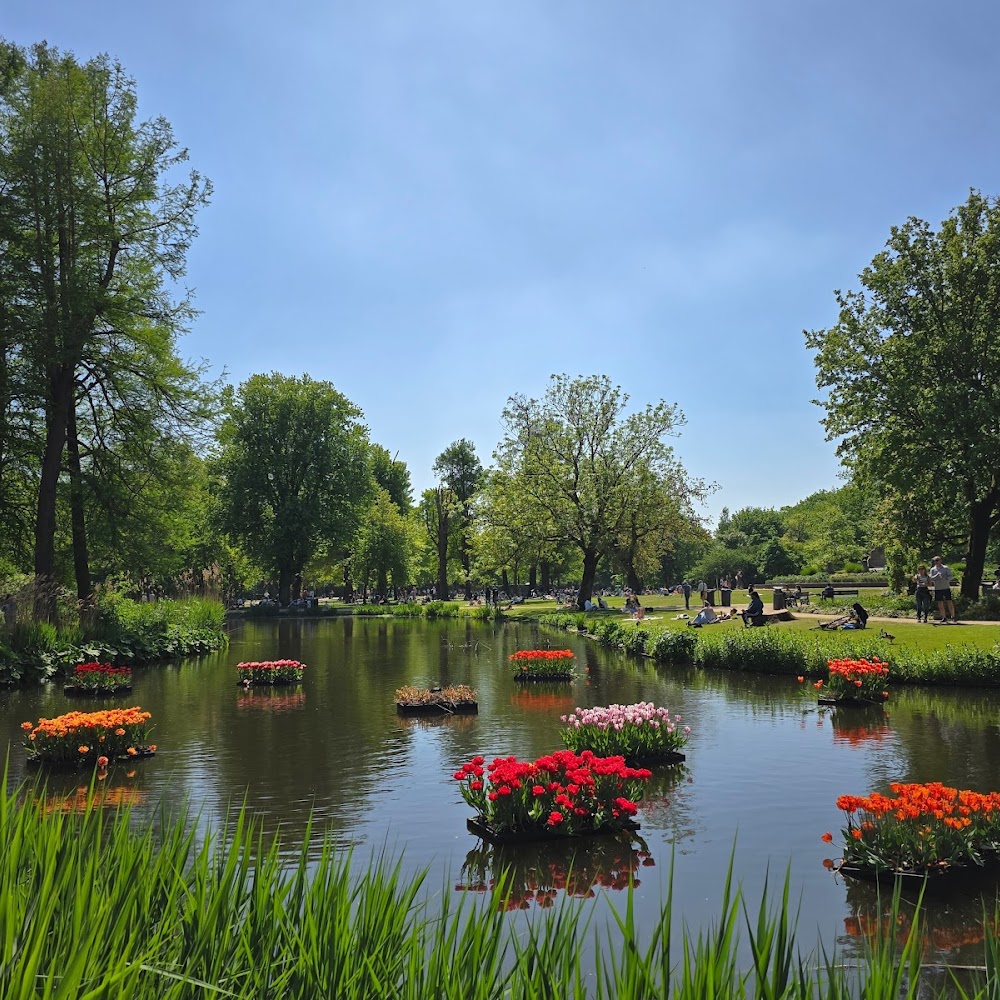
Perfect cycling weather, tulip season (April-May), fewer crowds, mild temperatures
Peak tourist season with crowds and high prices, many locals on vacation
Neighborhood Guide
Get oriented before you arrive — what each area feels like and how to get around.
Canal Ring (Grachtengordel)
excellent walkabilityWalking here feels like stepping into a 17th-century painting - narrow canal houses with gabled roofs reflected in dark water, tiny bridges connecting cobblestone streets. Tourist-heavy but undeniably magical, especially early morning when delivery bikes outnumber tour groups.
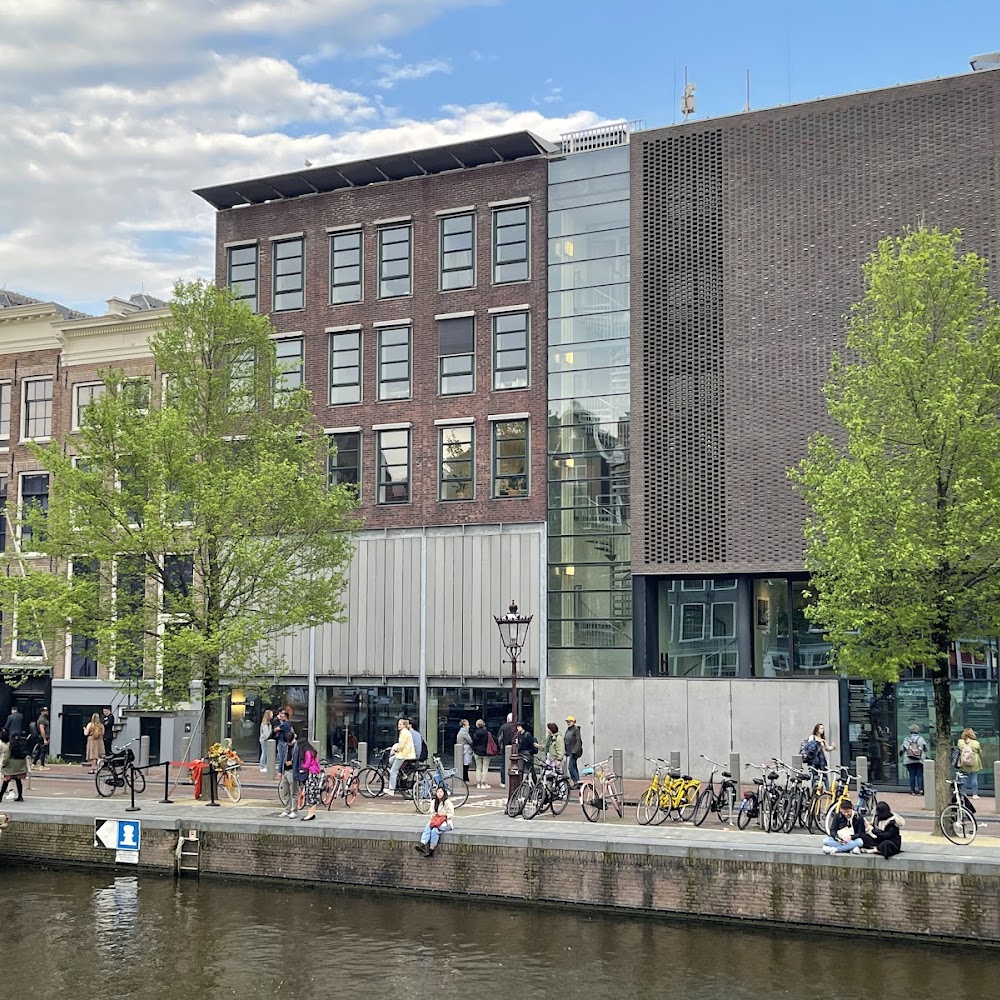
Known for: UNESCO World Heritage canals, Anne Frank House, upscale shopping on Leidsestraat
Local tip: Walk the smaller canals like Reguliersgracht and Bloemgracht rather than the main Herengracht for fewer crowds and better photos
Transit: Central Station, Dam Square, multiple tram stops
Best time: early morning
Not stroller-friendly
Jordaan
excellent walkabilityFormer working-class neighborhood turned artsy enclave where narrow streets open onto hidden courtyards. Feels residential and lived-in with locals cycling to corner bakeries, art galleries tucked into ground floors, and the smell of coffee drifting from brown cafés.
Known for: Art galleries, vintage shops, authentic brown cafés, weekend markets
Local tip: Locals grocery shop at Noordermarkt on Saturdays and browse antiques on Mondays
Transit: Tram 3, 10 to Marnixplein
Best time: anytime
Museum Quarter (Museumkwartier)
excellent walkabilityGrand and cultural with wide tree-lined streets, expensive boutiques, and the constant flow of international visitors. Feels sophisticated and slightly formal - more like Vienna than typical Amsterdam, with outdoor cafés facing manicured Museumplein.
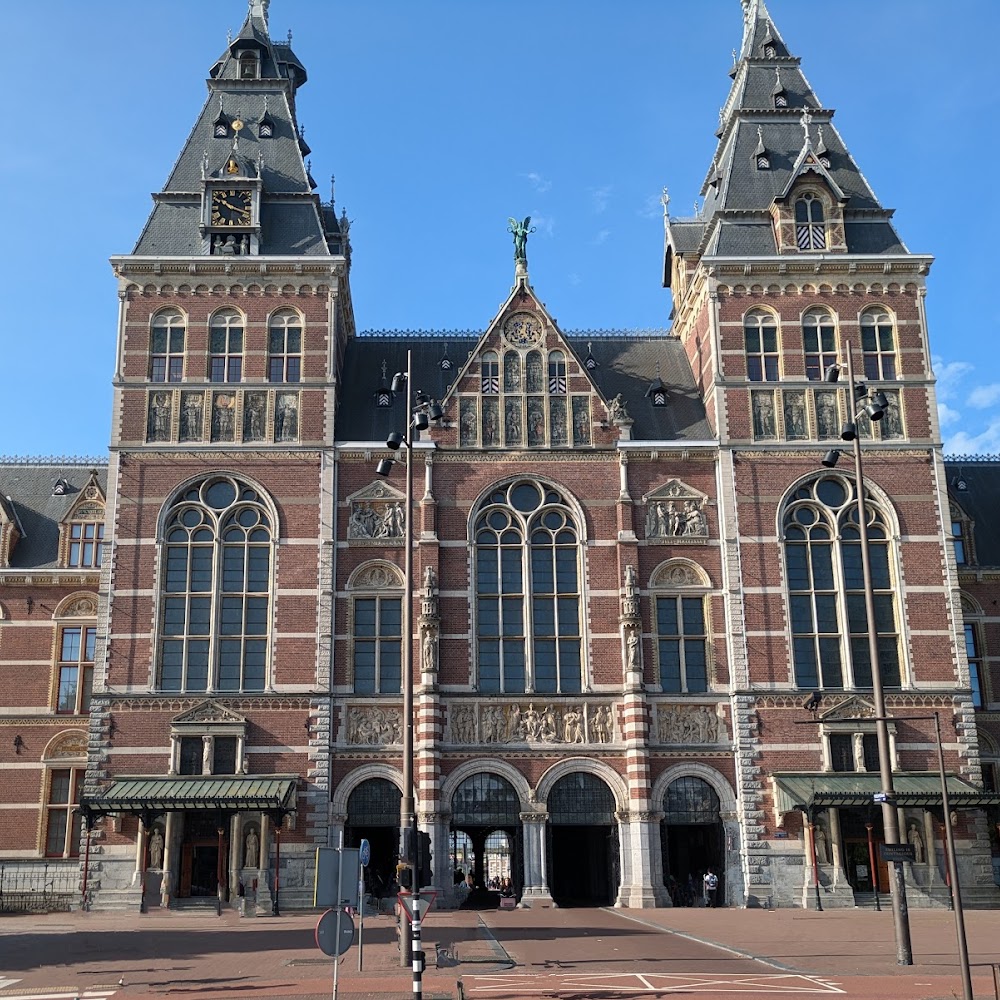
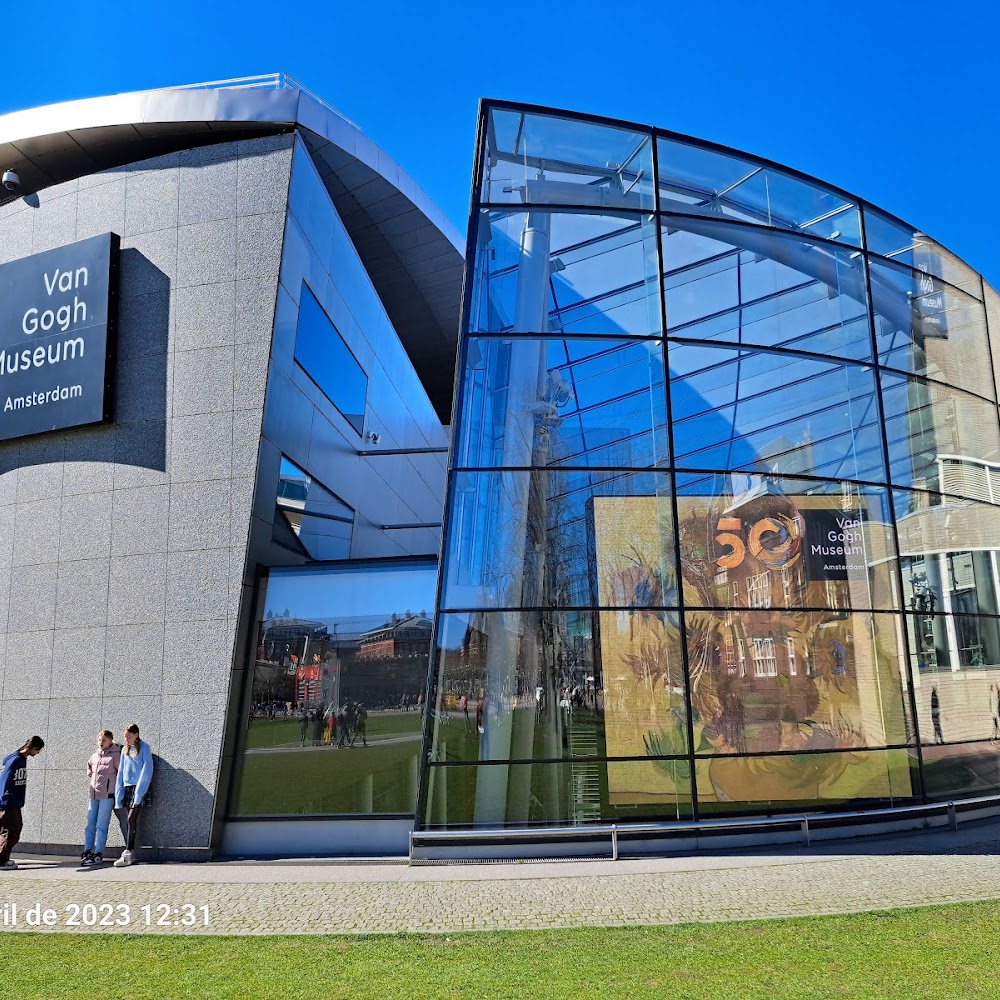
Known for: Rijksmuseum, Van Gogh Museum, Concertgebouw, luxury shopping on PC Hooftstraat
Local tip: The Rijksmuseum garden is free and a peaceful escape from museum crowds
Transit: Tram 2, 5 to Museumplein
Best time: morning for museums
De Pijp
excellent walkabilityHip and diverse with narrow streets packed with international restaurants, vintage stores, and young professionals. Feels like Brooklyn - former immigrant neighborhood that's been gentrified but kept its multicultural character and laid-back energy.
Known for: Albert Cuyp Market, multicultural restaurants, Heineken Brewery, hipster bars
Local tip: Locals eat at Café Berkhout for traditional Dutch lunch and avoid the touristy brewery tour
Transit: Tram 16, 24 to Albert Cuypstraat
Best time: afternoon and evening
NDSM Wharf
good walkabilityPost-industrial creative playground where shipping containers house restaurants and massive warehouse spaces host art installations. Feels like Berlin with Amsterdam's tidiness - raw and experimental but organized, with stunning skyline views across the water.
Known for: Street art, cultural events, creative workspaces, weekend markets, Pllek beach café
Local tip: Check the event calendar - weekends often have festivals, flea markets, or art openings
Transit: Free ferry from Central Station (15 minutes)
Best time: weekend afternoons
What to Eat inAmsterdam
Eating etiquette
- •Wait to be seated at restaurants - don't seat yourself
- •Split bills are common and accepted - just ask 'pinnen apart' (pay separately)
- •Lunch is usually 12-2pm, dinner 6-10pm, many kitchens close early Sunday
- •Brown cafés are for drinking and light snacks, not full meals
Breakfast
Dutch breakfast is simple - bread with cheese, ham, or chocolate sprinkles (hagelslag). Most locals grab coffee and pastry from a bakery rather than sit-down breakfast. Hotel breakfast usually includes local cheeses and cold cuts.
Lunch
Brown cafés serve the best value traditional lunch (uitsmijter, soups, sandwiches) for €8-12. Avoid lunch at dinner restaurants - overpriced and limited menu. Food markets like Albert Cuyp offer authentic street food.
Dinner
Dinner is early (6-7pm) compared to southern Europe. Many restaurants stop serving by 9pm. Reservations recommended for dinner, especially weekends. Tipping 10% if satisfied, round up bills at cafés.
Dishes you can't miss
12+ Indonesian dishes reflecting colonial history - uniquely Amsterdam
Restaurant Blauw or Kantjil & de Tijger · €28-40
Warm caramel syrup between thin waffles - tourist shops charge €4 for inferior versions
Albert Cuyp Market stalls · €1.50
Fried meatballs with mustard - perfect with Dutch beer, locals' favorite bar snack
Any brown café, especially Café Hoppe · €6-8
Eaten with pickles and onions - traditional Dutch fast food, don't be scared
Street stands near Central Station · €3-4
Massive slice with whipped cream - locals say it's Amsterdam's best
Café Winkel 43 · €4.50
Thick hearty soup with sausage - Dutch comfort food, only served in cold months
Brown cafés in winter · €8-10
Street food highlights
Daily Walking Distances
Packing List
Amsterdam gets frequent light rain year-round - umbrellas are impractical on bikes
Cobblestones and bike paths require good grip, avoid heels
Better than shoulder bag for biking, markets, and museum visits
Heavy use of maps, museum apps, and bike rental apps drains batteries
Temperatures can drop quickly near the water, even in summer
Skip These
Save your time and money — here's what to skip and what to do instead.
Overpriced corporate marketing experience (€21) with mediocre beer and long lines
→ Instead:Visit Brouwerij 't IJ under the windmill for actual craft beer and local atmosphere at half the price
Gawky and disrespectful to sex workers, plus the area is more interesting to explore independently
→ Instead:Walk through on your own in the evening when it's atmospheric, visit Red Light Secrets museum for educational context
The famous red letters were permanently removed in 2018 due to overtourism concerns
→ Instead:Take photos at the colorful NDSM street art or classic canal bridges for better Amsterdam memories
€18-25 for basic boat tour when you can walk alongside the same canals for free
→ Instead:Take the free NDSM ferry for water views and bike the canal ring to see the houses up close
Frequently Asked Questions
Is 3 days enough for Amsterdam?
Yes, 3 days covers the essential Amsterdam experience - major museums, canal walks, and local neighborhoods. You'll see the Rijksmuseum, Van Gogh Museum, Anne Frank House, and experience biking culture. However, you'll miss day trips to Keukenhof (tulip season) or nearby cities like Utrecht, and won't have time for all museums or extensive shopping.
Where should I stay in Amsterdam?
Canal Ring (Grachtengordel) offers the most iconic Amsterdam experience with easy walking to major sites. Jordaan is charming and less touristy with great cafés. Museum Quarter puts you near major attractions. Avoid the Red Light District for accommodation unless you want the nightlife scene - it can be loud and crowded.
How much does 3 days in Amsterdam cost?
Budget: $350-400 (hostels, street food, free activities). Mid-range: $500-600 (3-star hotels, mix of casual and nice restaurants, major museums). Luxury: $800-1200 (canal house hotels, fine dining, private tours). Major costs are accommodation (€80-200/night) and museum entries (€22 each for major museums).
What should I not miss in Amsterdam?
Biking the canals (essential local experience), Rijksmuseum for Dutch masters, Anne Frank House for moving history, wandering the Jordaan neighborhood for authentic atmosphere, and trying rijsttafel (Indonesian feast reflecting Dutch colonial history). Skip the I amsterdam sign - it's been removed.
What's the best time to visit Amsterdam?
April-May is ideal: mild weather perfect for biking, tulip season in full bloom, and fewer crowds than summer. September is also excellent with comfortable temperatures and post-summer calm. Avoid July-August due to massive crowds and higher prices. Winter can be charming but expect rain and limited daylight.
Travel Tips forAmsterdam
Bike like a local
Rent a basic Dutch bike (no gears, hand brakes) and follow bike lane etiquette. Ring your bell to pass, don't stop in bike lanes, and always lock both wheels. Bike theft is common - use two locks. Avoid electric bikes unless you're comfortable with speed and weight.
Cash for small vendors
Many small cafés, market stalls, and brown cafés only accept cash or have card minimums. ATMs are widely available but some charge fees. Albert Heijn supermarkets offer free cash back with purchases over €10.
Brown café etiquette
Amsterdam's traditional brown cafés (bruine kroegen) are neighborhood institutions. Order at the bar, don't expect table service, and it's normal to share tables during busy times. These are social spaces where locals read newspapers and play board games.
Indonesian connection
Amsterdam has incredible Indonesian food due to colonial history. Rijsttafel (rice table) with 12+ small dishes is a must-try cultural experience. Look for restaurants in De Pijp or Nieuwmarkt areas for authentic options beyond the tourist-oriented places.
Watch for bikes and trams
Always look both ways before crossing bike lanes - cyclists don't stop for pedestrians. Tram tracks are slippery when wet and bike wheels can get stuck. Stay out of clearly marked bike lanes when walking. Emergency number: 112.
Museum booking strategy
Anne Frank House must be booked weeks in advance. Van Gogh Museum requires timed entry tickets. Rijksmuseum usually available same-day. Buy tickets online to skip lines. Many museums close on Mondays - check individual schedules.
Essential Info
Cards accepted everywhere. Cash needed for small vendors, tips, and some market stalls. ATMs widely available.
Round up bills at cafés. 10% at restaurants if satisfied. No tipping for takeaway or counter service.
Orange Holiday eSIM or KPN prepaid SIM at Schiphol Airport
Planning a full Netherlands trip?
Our Netherlands itineraries cover Amsterdam and more — with multi-city routes, transit guides, and full budget breakdowns.
Related Itineraries
Ready to plan yourAmsterdam trip?
Get this 3-day itinerary in your Yopki trip planner — customize, collaborate, and export to PDF.