

7 Day Portugal Itinerary
Explore Portugal's two greatest cities in perfect rhythm - from Lisbon's hilltop trams and fado music to Porto's port wine cellars and azulejo tiles. This itinerary balances iconic sights with neighborhood wandering and exceptional meals.
Day-by-Day Itinerary
Route Map
Budget Breakdown
Estimated cost per person for 7 days. Includes accommodation, all meals, local transport, activities, and miscellaneous expenses. Does not include international flights or travel insurance.
| Category | Daily | Total |
|---|---|---|
| accommodation | $72 | $504 |
| food | $65 | $455 |
| transport | $12 | $84 |
| activities | $12 | $84 |
| misc | $15 | $105 |
| Total | $176 | $1232 |
* Budget tier: mid-range. Prices in USD per person.
Money-saving tips:
- Lunch menus offer better value than dinner at most restaurants - main meal at midday saves 30-40%
- Buy port wine at supermarkets (Continente, Pingo Doce) for 1/3 the price of tourist shops
- Many churches and viewpoints are free - skip paid attractions like Elevador de Santa Justa if on tight budget
- Tram 28 in Lisbon is tourist trap - walk or use metro instead. Same routes, much cheaper
- Portuguese breakfast is just coffee and pastry - don't pay for elaborate hotel breakfast buffets
When to Go
Perfect weather (18-25°C), fewer crowds, shoulder season prices, and long daylight hours
Peak summer crowds, extreme heat (30°C+), highest prices, and very crowded attractions
Neighborhood Guide
Get oriented before you arrive — what each area feels like and how to get around.
Alfama
moderate walkabilityNarrow cobblestone streets wind upward like a medieval maze, with fado music drifting from tiny tavernas and laundry hanging between ancient buildings. Every corner reveals a new viewpoint or hidden courtyard where old-timers play cards in the afternoon shade.
Known for: Fado music, medieval streets, and authentic Lisbon atmosphere
Local tip: Follow the sound of fado practice sessions in the early evening - locals often gather in small squares to listen for free before the tourist shows start
Transit: Tram 28 stops throughout, Santa Apolónia metro station at the base
Best time: evening
Not stroller-friendly
Baixa
excellent walkabilityGrand 18th-century squares open up like ballrooms, with elegant shops lining geometric streets that feel like an outdoor shopping mall. The energy is commercial and purposeful, with locals rushing to appointments and tourists consulting maps at every corner.
Known for: Shopping, Rossio Square, and Pombaline architecture
Local tip: Shop at Via Catarina shopping center underground level for local prices, not the tourist shops on Rua Augusta
Transit: Rossio metro station (Green/Blue lines), Terreiro do Paço (Blue line)
Best time: morning
Chiado
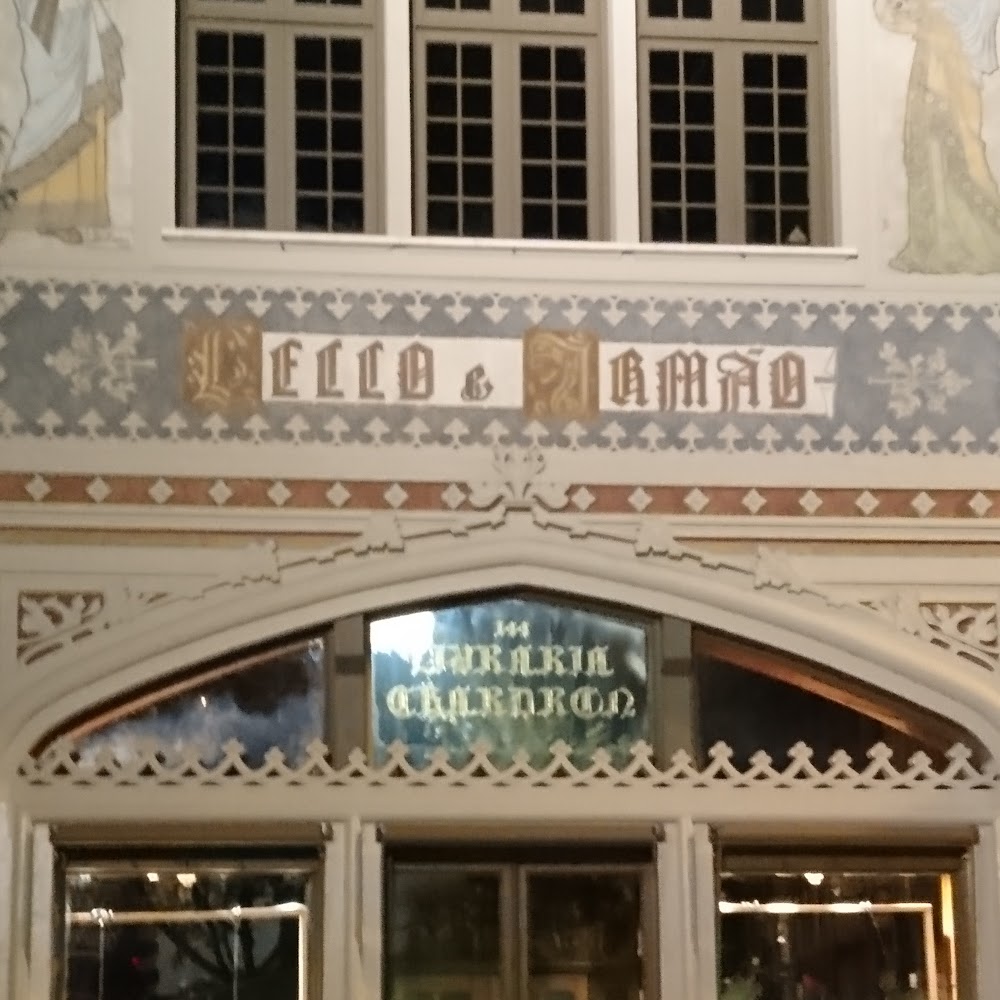
excellent walkabilitySophisticated and literary, with bookshops and cafés where intellectuals debate over bica coffee. The atmosphere feels cultured and slightly bohemian, like wandering through a European novel where every café has a story.
Known for: Literary history, upscale shopping, and historic cafés
Local tip: Visit Livraria Bertrand (world's oldest bookstore) in the morning when locals browse before work
Transit: Baixa-Chiado metro station (Blue/Green lines)
Best time: afternoon
Belém
good walkabilityMonumental and windswept, with vast riverside spaces that echo Portugal's maritime glory. The scale feels imperial, with tourists dwarfed by massive monasteries and monuments, while the Tagus River sparkles beyond manicured gardens.
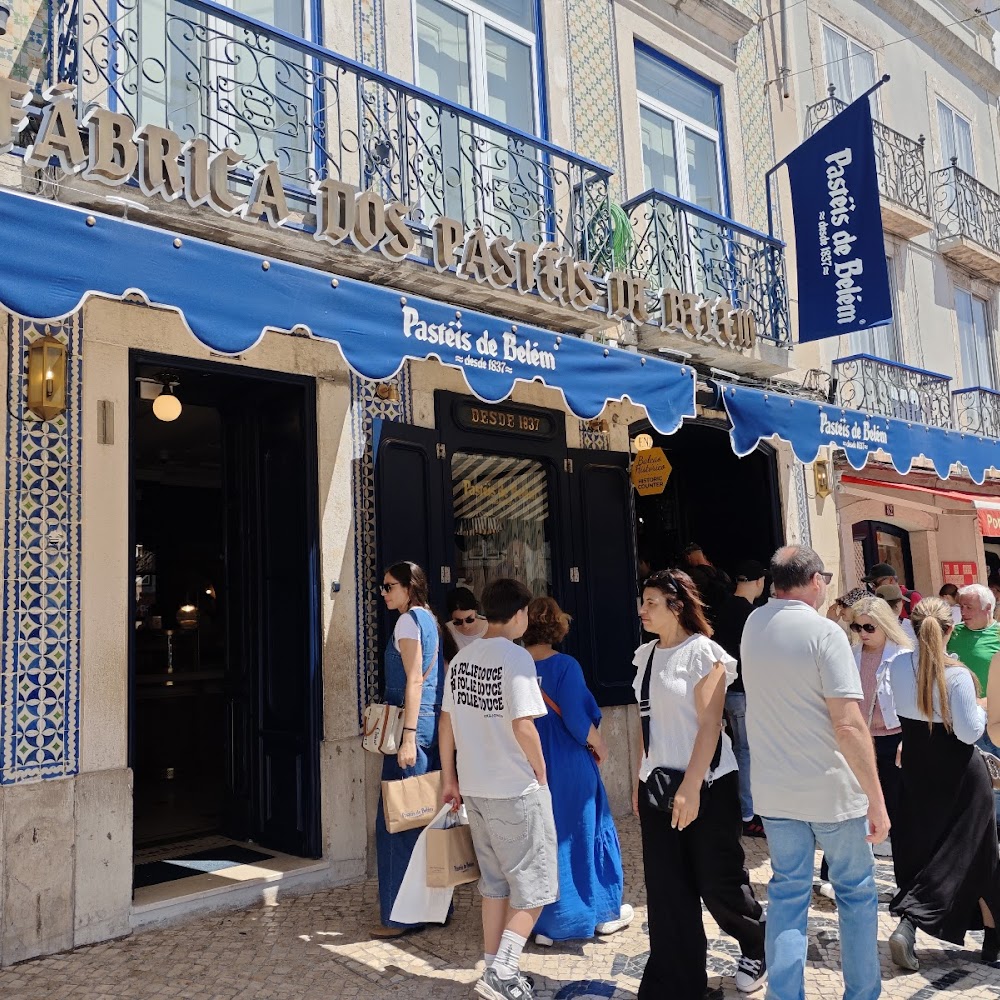
Known for: Jerónimos Monastery, Belém Tower, and pastéis de nata
Local tip: Buy pastéis de nata at Pastéis de Belém before 10am to avoid the massive tourist queues
Transit: Belém train station (suburban line), Tram 15
Best time: morning
Ribeira
moderate walkabilityMedieval and romantic, with pastel-colored houses tumbling down to the river like a watercolor painting. The sound of Porto trams echoes off ancient walls while couples share wine on terraces overlooking the Douro's gentle curves.
Known for: UNESCO World Heritage architecture and riverside dining
Local tip: Locals eat lunch at the tiny tascas on Rua da Fonte Taurina, away from the touristy riverfront restaurants
Transit: São Bento station nearby, multiple tram lines
Best time: afternoon
Not stroller-friendly
Vila Nova de Gaia
good walkabilityIndustrial and wine-soaked, with centuries-old port cellars carved into hillsides overlooking Porto's skyline. The air smells of aging wine and river mist, while the cobblestones echo with the footsteps of pilgrims seeking the perfect vintage.
Known for: Port wine cellars and river views
Local tip: Visit smaller quintas like Quinta do Noval instead of the big names - better wines, fewer crowds, same prices
Transit: Metro linha D to Jardim do Morro, or walk across Dom Luís I Bridge
Best time: afternoon
What to Eat inPortugal
Lisbon
Eating etiquette
- •Round up to nearest euro for tips, not percentage-based
- •Say 'obrigado/a' when receiving food
- •Don't ask for changes to traditional dishes
Breakfast
Locals grab a bica (espresso) and pastel de nata standing at the bar counter before 9am - sitting doubles the price
Lunch
Look for 'prato do dia' (daily special) at local tascas between 12-2pm for authentic meals under €8
Dinner
Dinner starts at 7:30pm earliest - book traditional fado restaurants by 6pm or risk disappointment
Dishes you can't miss
The perfect Portuguese pork sandwich - crispy bread, tender meat, locals' secret hangover cure
Café Beira Gare near Santa Apolónia · €2-3
The original recipe from 1837, still made by hand in the same bakery
Pastéis de Belém · €1.20 each
Perfect introduction to Portugal's cod obsession, creamy and comforting
Tasca Real in Alfama · €12-15
Street food highlights
Porto
Eating etiquette
- •Port wine is for after dinner, not with meals
- •Francesinha is eaten with fork and knife, never hands
- •Coffee is bica in Lisbon but café in Porto
Breakfast
Locals have café com leite and torrada at neighborhood cafés while reading morning papers - very social affair
Lunch
Follow office workers to family-run marisqueiras for massive seafood portions at lunch prices
Dinner
Book francesinha restaurants by 7pm - they're not fancy but fill up with locals fast
Dishes you can't miss
Porto's iconic sandwich smothered in beer sauce - messy, indulgent, perfect
Café Santiago · €8-10
Grilled whole and served simply - taste the Atlantic in every bite
O Diplomata near Bolhão Market · €6-8
Tripe stew that earned locals the nickname 'tripeiros' - polarizing but authentic
Taberna Real do Fado · €10-12
Street food highlights
Getting Between Cities
How to book: Buy online at cp.pt 15 days ahead for best prices, or at Santa Apolónia station ticket machines with English option
Platform: Trains depart from Santa Apolónia - arrive 15 minutes early, platform announced 10 minutes before departure
Luggage: Large luggage racks at car ends, smaller overhead bins like airplanes
Pro tip: Right side for countryside views, left side for ocean glimpses near Porto
Daily Walking Distances
Packing List
Lisbon's steep cobblestones and Porto's uneven medieval streets will destroy flat shoes
Atlantic weather changes quickly even in summer - sudden showers are common
You'll use GPS constantly navigating narrow streets and translation apps in restaurants
Evenings by the river get cool even in summer, air conditioning in museums is strong
Hands-free for steep hills and trams, harder for pickpockets in tourist areas
Strong Atlantic sun reflects off white Portuguese limestone buildings
Many tascas and traditional restaurants don't accept cards, tram tickets need exact change
Free public fountains throughout both cities, saves money and plastic
English limited outside tourist zones, locals appreciate effort
Required for monastery visits, useful for evening river walks
Cobblestones and hills will test even broken-in shoes
Essential for port wine tastings, carrying purchases, and day trips
Standard European two-pin, required for all electronics
Skip These
Save your time and money — here's what to skip and what to do instead.
Expensive ferry ride and elevator fees for a mediocre view that's better from free viewpoints in Lisbon itself
→ Instead:Visit Miradouro da Senhora do Monte at sunset for the best free panoramic view of Lisbon
Overpriced tourist trap with long queues and mediocre food targeting Instagram over taste
→ Instead:Explore authentic Mercado de Arroios where locals shop and eat at half the price
Crowded, rushed, and expensive with basic wines - you're paying for the marketing, not quality
→ Instead:Book intimate tastings at Quinta do Noval or Cockburn's for same price but better wines and stories
Impossible to see properly in one day, involves expensive transport and stressed crowding
→ Instead:Use that day to properly explore Alfama and enjoy fado instead of tourist-checking boxes
Overpriced floating buses with bad commentary and no authentic local interaction
→ Instead:Take the public ferry to Cacilhas for €1.20 and get better views while experiencing local transport
Frequently Asked Questions
Is 7 days enough for Portugal?
Yes, 7 days gives you a solid introduction to Portugal's two main cities. You'll have 3-4 days in Lisbon and 2-3 days in Porto, enough to see major sights, try the food, and get a feel for Portuguese culture. For a more relaxed pace or to include smaller towns like Óbidos or Sintra, consider 10 days.
How much does 7 days in Portugal cost?
Budget travelers can expect $80-100/day ($560-700 total), mid-range travelers $150-200/day ($1050-1400 total), and luxury travelers $300+/day ($2100+ total). Portugal is one of Western Europe's most affordable destinations. Food and accommodation are particularly good value compared to neighboring Spain.
What is the best month to visit Portugal?
May and September are ideal - warm weather (22-26°C), minimal rain, fewer crowds than summer, and shoulder season prices. April and October are also excellent. Avoid July-August if you don't like crowds and heat. Winter (Dec-Feb) is mild but rainy.
Do I need a visa for Portugal?
US, UK, Canadian, and Australian citizens don't need a visa for stays under 90 days. EU citizens can stay indefinitely. Your passport must be valid for 6 months beyond your travel dates. Portugal is part of the Schengen Area.
Is Portugal safe for tourists?
Portugal is one of the world's safest countries with very low crime rates. Petty theft can occur in tourist areas of Lisbon and Porto, especially on Tram 28 and in Rossio Square. Standard precautions apply - don't flash valuables and be aware of pickpockets in crowds.
What should I eat in Portugal?
Don't miss pastéis de nata (custard tarts), bacalhau (cod prepared 365 different ways), francesinha sandwich in Porto, grilled sardines, caldo verde soup, and bifana (pork sandwich). Pair meals with vinho verde or local wines. Port wine is mandatory in Porto.
Travel Tips forPortugal
Skip Tram 28 for actual transport
Tram 28 is overcrowded with tourists and prime for pickpockets. Use it for a quick photo but take the metro or walk for actual transportation. The novelty wears off quickly when you're packed in like sardines.
Lunch menus are the secret to affordable dining
Most restaurants offer lunch menus (menu do dia) for €8-15 that include appetizer, main, dessert, and wine. The same meal at dinner costs €25-35. Eat your main meal at lunch and go light for dinner.
Learn the coffee culture
Portuguese coffee culture is specific - order 'um café' for espresso, 'galão' for latte, 'meia de leite' for half milk/half coffee. Coffee is drunk standing at the bar, not sitting for hours. Most locals finish in 2-3 minutes.
Pastéis de Belém vs pastéis de nata
Pastéis de nata are everywhere, but Pastéis de Belém in Lisbon claims to be the original (since 1837) with a secret recipe. The difference is subtle but locals swear by Belém. Try both and decide for yourself.
Pack for hills and cobblestones
Both Lisbon and Porto are built on hills with cobblestone streets everywhere. Bring comfortable walking shoes with good grip - not just sneakers but shoes that handle uneven surfaces. Your feet will thank you by day 3.
Watch for pickpockets in tourist transport
Tram 28, Elevador de Santa Justa queues, and crowded viewpoints are pickpocket hotspots. Keep valuables in front pockets or hidden pouches. Portuguese crime is very low but tourist areas attract opportunists from elsewhere in Europe.
Essential Info
Euro (EUR). Cards accepted everywhere. ATMs abundant. Cash needed for small cafés and markets.
Round up or 5-10% at restaurants. No tipping for coffee at the bar. Taxi drivers appreciate rounding up.
Vodafone or MEO for best coverage, or use Airalo eSIM for tourists
More Options inPortugal
Places that didn't make the main itinerary but are worth knowing about.
More Activities
More Restaurants
Shopping
Bars & Nightlife
Cafes & Coffee
Explore Each City
Want to spend more time in a specific city? Check out our city-level deep-dive guides.
Related Itineraries
Ready to plan yourPortugal trip?
Get this 7-day itinerary in your Yopki trip planner — customize, collaborate, and export to PDF.