

3-Day Lisbon Itinerary: Trams, Tiles & Tarts (2026)
Lisbon's seven hills reward the curious traveler with azulejo-covered facades, vintage trams threading through narrow streets, and pastéis de nata that taste like edible sunshine. This guide takes you neighborhood by neighborhood through Portugal's capital.
Day-by-Day Itinerary
Start where Lisbon began, in the labyrinthine Alfama district where cobblestones echo with fado melodies and every corner reveals another miradouro with sweeping city views. Wind through the Moorish quarter of Mouraria, sampling ginjinha and discovering authentic tascas before tourists arrive.
Pro tip: Wear comfortable walking shoes with good grip - Alfama's cobblestones are slippery when wet.
Route Map
Budget Breakdown
Estimated cost per person for 3 days. Includes accommodation, all meals, local transport, activities, and miscellaneous expenses. Does not include international flights or travel insurance.
| Category | Daily | Total |
|---|---|---|
| accommodation | $80 | $240 |
| food | $48 | $144 |
| transport | $10 | $30 |
| activities | $17 | $51 |
| misc | $15 | $45 |
| Total | $170 | $510 |
* Budget tier: mid-range. Prices in USD per person.
Money-saving tips:
- Get Lisboa Card for free public transport and museum discounts
- Lunch menus are much cheaper than dinner at the same restaurants
- Buy ginjinha from street vendors (€1.50) rather than tourist bars (€4)
- Many viewpoints and churches are free - save money on paid attractions
- Supermarkets like Pingo Doce have cheap picnic supplies and excellent wine under €5
See detailed Portugal budget guide with calculator →
Daily costs, tipping, and trip calculator
When to Go
Perfect weather (18-25°C), fewer crowds, blooming jacaranda trees, ideal for walking the hills
Extremely hot and crowded, many locals vacation elsewhere, expensive accommodation
Neighborhood Guide
Get oriented before you arrive — what each area feels like and how to get around.
Alfama
good walkabilityStepping into Alfama feels like wandering through a medieval village perched on hillsides, where laundry hangs between ancient buildings and the haunting sound of fado drifts from hidden tascas. Narrow cobblestone alleys twist unpredictably upward, revealing sudden panoramic viewpoints and tiny squares where old men play cards.
Known for: Fado music birthplace, historic architecture, miradouros (viewpoints), Fado Museum, traditional tascas
Local tip: Locals shop at the small grocers on Rua dos Remédios in the morning and gather at Largo do Chafariz de Dentro for evening drinks
Transit: Tram 28 stops, walkable from Baixa
Best time: morning
Not stroller-friendly
Baixa
excellent walkabilityBaixa pulses with the energy of a living city center, where elegant pedestrian streets lined with traditional cafes meet modern shops and the distinctive black-and-white wave patterns of Portuguese pavement create visual rhythm underfoot. The orderly grid of streets rebuilt after the 1755 earthquake feels both historic and thoroughly contemporary.
Known for: Rossio Square, Santa Justa Elevator, pedestrian shopping streets, historic cafes, Rua Augusta Arch
Local tip: Locals grab quick bifana sandwiches from hole-in-the-wall spots and drink ginjinha at tiny bars near Rossio
Transit: Rossio and Terreiro do Paço metro stations
Best time: anytime
Bairro Alto
good walkabilityBy day, Bairro Alto sleeps like a bohemian village with shuttered windows and quiet streets. By night, it transforms into Lisbon's beating heart of nightlife, where every doorway spills music and conversation onto narrow streets packed with revelers clutching plastic cups.
Known for: Nightlife, bars, bohemian atmosphere, Miradouro de São Pedro de Alcântara, traditional fado houses
Local tip: Young locals start their night around 11pm and move between bars on foot - it's perfectly acceptable to drink on the streets
Transit: Elevador da Glória funicular, walkable from Baixa
Best time: evening
Not stroller-friendly
Belém
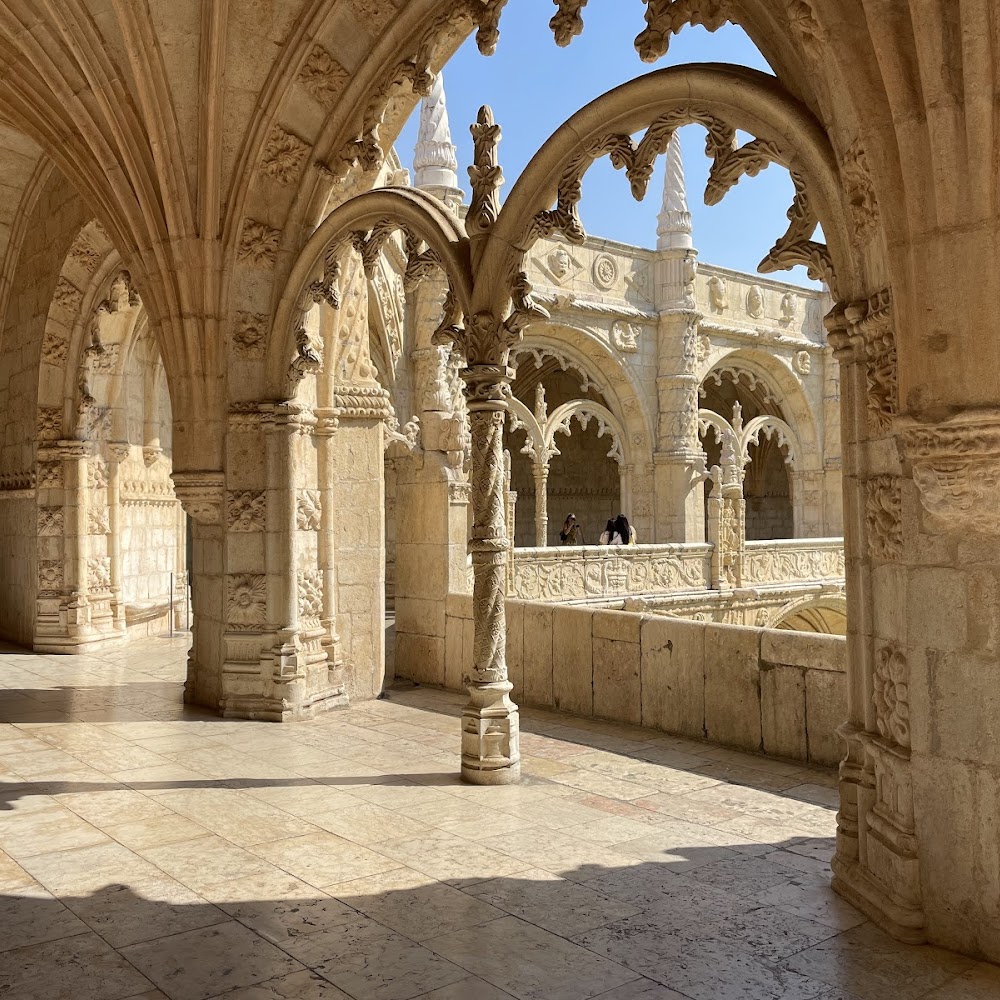
good walkabilityBelém feels like a grand outdoor museum where Portugal's maritime glory is written in ornate stone monuments and reflected in the wide Tagus River. The scale is monumental yet peaceful, with manicured gardens and waterfront promenades perfect for contemplating the age when Portuguese ships ruled the seas.
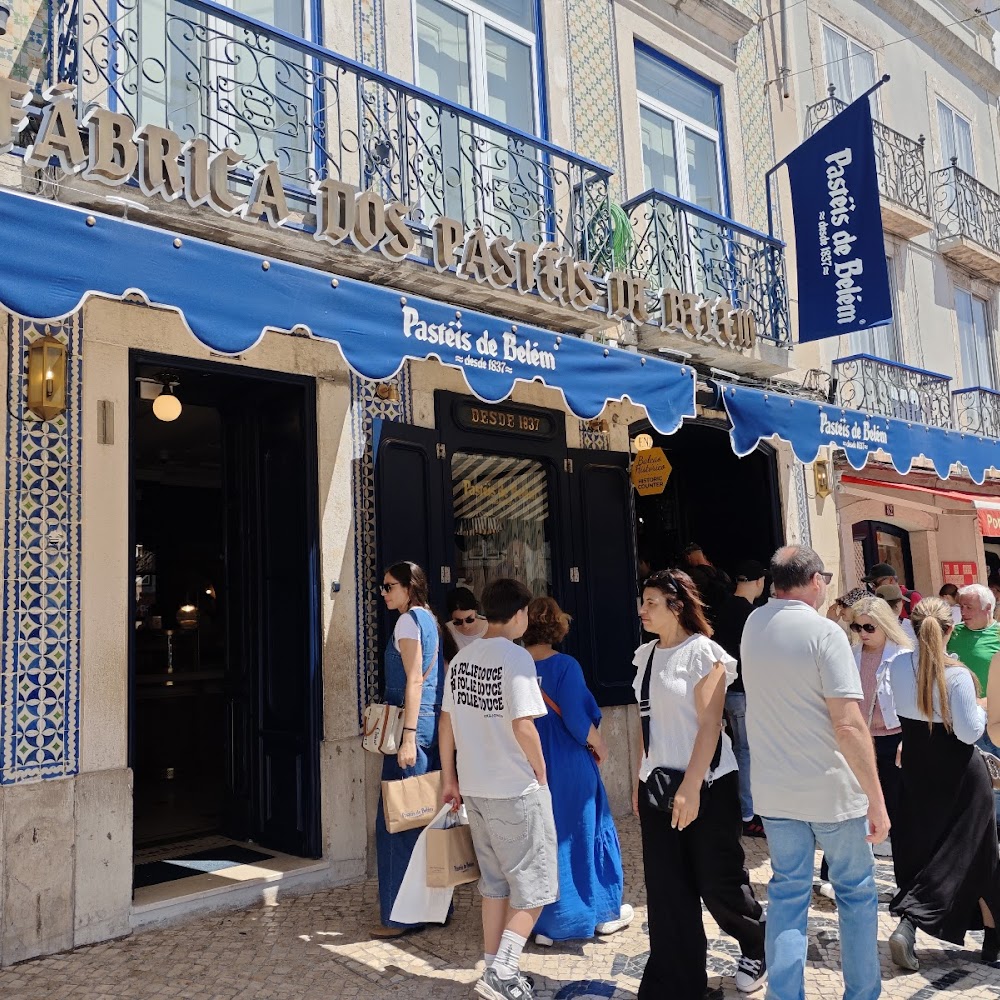
Known for: Jerónimos Monastery, Belém Tower, Discovery Monument, original Pastéis de Belém, maritime museums
Local tip: Locals cycle along the riverfront path on weekends and buy fresh fish at the weekend market near the Cultural Center
Transit: Tram 15, Belém train station
Best time: morning
What to Eat inLisbon
Eating etiquette
- •Wait to be seated at restaurants
- •It's normal to linger over meals - no pressure to leave quickly
- •Bread and olives brought to table usually cost extra
- •Locals eat lunch 12:30-2pm, dinner after 8pm
Breakfast
Simple and coffee-focused. Most locals grab a bica (espresso) and pastel at a neighborhood café. Hotel breakfast often disappointing - eat like locals do.
Lunch
Look for 'prato do dia' (dish of the day) menus for authentic, cheap meals. Many restaurants close 3-7pm between lunch and dinner service.
Dinner
Dinner starts around 8pm, later on weekends. Reservations recommended for nice restaurants. Portuguese wine is excellent and incredibly affordable.
Dishes you can't miss
Portugal's iconic custard tart, best eaten warm with cinnamon and powdered sugar
Pastéis de Belém (original) or Manteigaria · $1.50 each
Portugal's national fish, perfectly chargrilled and served with roasted peppers and bread
Taberna Real do Fado (June-October) · $12-15
Shredded cod with eggs and potatoes - comfort food perfected over centuries
Carmo Restaurant or local tascas · $14-18
Porto's famous sandwich that's popular in Lisbon too - meat, cheese, and beer sauce
Available at many tascas · $8-12
Portugal's beloved pork sandwich - perfect cheap lunch or late-night snack
Street vendors or local cafés · $3-5
Hearty kale and sausage soup that's pure Portuguese comfort food
Traditional restaurants citywide · $4-6
Cherry liqueur served in chocolate cups - Lisbon's traditional shot
A Ginjinha bar near Rossio Square · $1.50
Street food highlights
Daily Walking Distances
Packing List
Lisbon's cobblestones are slippery when wet and hills are steep
Temperature varies between shaded narrow streets and sunny squares
Heavy use for photos, maps, and translation apps
Better than shoulder bag for climbing hills and navigating crowds
Strong Atlantic sun reflects off light-colored buildings
Covers shoulders for churches and adds warmth on windy viewpoints
Skip These
Save your time and money — here's what to skip and what to do instead.
Overhyped Instagram spot that's just a painted street with overpriced tourist bars
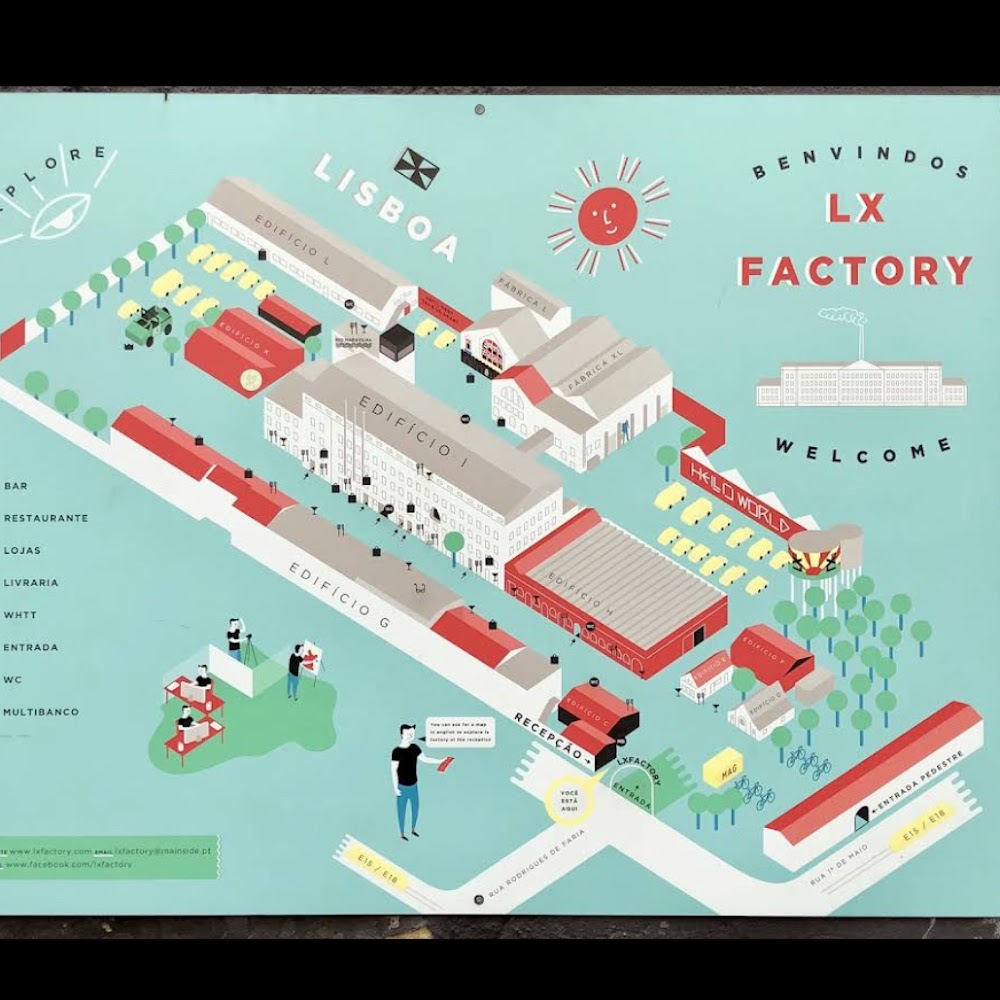
→ Instead:Explore authentic Bairro Alto nightlife or LX Factory for genuinely cool creative spaces
Tourist traps with mediocre food at inflated prices targeting day-trippers
→ Instead:Walk two blocks to local tascas in Alfama or Bairro Alto for authentic Portuguese food
Takes full day away from Lisbon when you barely have enough time to see the city properly
→ Instead:Save Sintra for a longer Portugal trip and focus on Lisbon's neighborhoods instead
Frequently Asked Questions
Is 3 days enough for Lisbon?
Yes, 3 days covers Lisbon's highlights well. You'll see historic Alfama, ride iconic trams, visit Belém's monuments, and experience local food culture. You'll miss day trips to Sintra or Porto, beach time in Cascais, and some museums, but you'll get an authentic taste of the city's neighborhoods and culture.
Where should I stay in Lisbon?
Stay in Baixa (central, walkable to everything), Alfama (historic charm but steep hills), or Príncipe Real (trendy, great restaurants). Avoid Cais do Sodré at night (too noisy) and Oriente area (too far from main attractions). Book accommodations with elevator access if mobility is a concern due to Lisbon's hills.
How much does 3 days in Lisbon cost?
Budget: $85/day (hostels, street food, free attractions). Mid-range: $170/day (good hotels, restaurant meals, paid attractions). Luxury: $350/day (5-star hotels, fine dining, private tours). Food is very affordable - excellent dinners cost $15-25, and wine is incredibly cheap at $3-5/glass.
What should I not miss in Lisbon?
Pastéis de nata at Pastéis de Belém (the original), wandering Alfama's maze-like streets, riding Tram 28, watching sunset from Miradouro da Senhora do Monte, and experiencing fado music in a traditional tasca. Jerónimos Monastery and Belém Tower represent Portugal's maritime heritage perfectly.
What's the best time to visit Lisbon?
April-May and September-October offer perfect weather (18-25°C), fewer crowds, and reasonable prices. Avoid July-August (extremely hot, crowded, expensive) and December-February (rainy, though mild). June is beautiful but getting crowded. Spring brings blooming jacaranda trees throughout the city.
Travel Tips forLisbon
Tram 28 Strategy
Board Tram 28 at Calhariz (Bairro Alto) going toward Graça for better seats. Morning rides (9-11am) are less crowded. Watch for pickpockets during crowded times. Consider walking portions of the route instead of waiting for packed trams.
Pastéis de Nata Protocol
Try pastéis at both Pastéis de Belém (the original) and Manteigaria (modern version). Sprinkle with cinnamon and powdered sugar. Best eaten warm. Don't leave Lisbon without trying at least three different versions to compare.
Dining Cost Hacks
Lunch menus (prato do dia) cost half the price of dinner at the same restaurants. Buy wine at supermarkets - excellent bottles under €5. Bifana sandwiches and pastéis make filling, cheap meals. Tip 10% only at sit-down restaurants.
Fado Etiquette
Silence during fado performances is mandatory - no talking, photos, or phone use. Clap only when the singer finishes completely. Authentic venues are in Alfama and Bairro Alto, not Baixa tourist areas. Expect €10-15 minimum per person during shows.
Hill Navigation
Bring comfortable walking shoes with good grip - cobblestones are slippery when wet. Use elevators and funiculars to avoid steep climbs: Santa Justa Elevator, Elevador da Glória, Elevador da Bica. Plan uphill activities for morning when you have more energy.
Tourist Areas to Watch
Pickpockets frequent crowded trams, Rossio Square, and tourist restaurants in Alfama. Keep valuables in front pockets or hidden. Avoid unlicensed taxi drivers at the airport. Bairro Alto is safe but gets rowdy after midnight on weekends.
Essential Info
Cards widely accepted everywhere. Carry some cash for small tascas, ginjinha vendors, and tips. ATMs abundant with reasonable fees. Contactless payment common.
Round up for coffee/drinks. 10% at restaurants if service charge not included. Taxi drivers: round to nearest euro. Not expected at cafes or for takeaway.
MEO or Vodafone prepaid SIM (€15 for 5GB), or use Airalo eSIM for Portugal (from $4.50)
Planning a full Portugal trip?
Our Portugal itineraries cover Lisbon and more — with multi-city routes, transit guides, and full budget breakdowns.
Related Itineraries
Ready to plan yourLisbon trip?
Get this 3-day itinerary in your Yopki trip planner — customize, collaborate, and export to PDF.