

2-Day Singapore Itinerary: Hawker Centers to Marina Bay (2026)
Singapore packs incredible diversity into a compact city-state. In just two days, you'll sample world-class hawker food, explore colorful heritage districts, and witness futuristic architecture that defines modern Asia.
Day-by-Day Itinerary
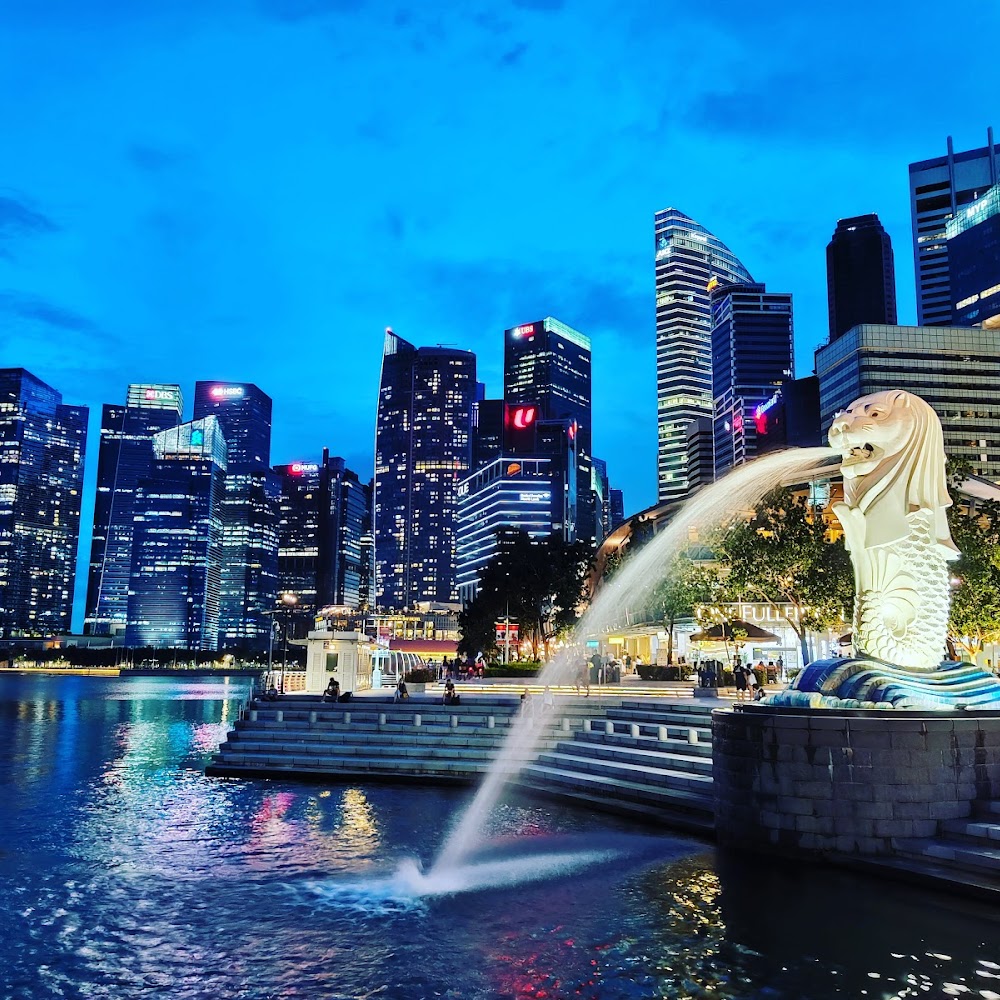
Start with Singapore's futuristic skyline at Marina Bay, then dive into the authentic flavors and traditional shophouses of Chinatown. This day perfectly captures Singapore's blend of cutting-edge modernity and preserved heritage.
Pro tip: Download the EZ-Link app for contactless MRT payments, or buy a physical card at any station for S$5.
Route Map
Budget Breakdown
Estimated cost per person for 2 days. Includes accommodation, all meals, local transport, activities, and miscellaneous expenses. Does not include international flights or travel insurance.
| Category | Daily | Total |
|---|---|---|
| accommodation | $80 | $160 |
| food | $33 | $66 |
| transport | $7 | $14 |
| activities | $23 | $46 |
| misc | $15 | $30 |
| Total | $158 | $316 |
* Budget tier: mid-range. Prices in USD per person.
Money-saving tips:
- Hawker centers offer restaurant-quality food for S$3-8 per dish vs S$20+ at restaurants
- Buy an EZ-Link card (S$5) for 15% savings on all public transport
- Many temples and cultural sites are free - budget S$50 total for paid attractions
- Bring a water bottle - tap water is safe and saves S$2-3 per bottle
- Happy hour drinks (5-7pm) at rooftop bars cost half the evening prices
See detailed Singapore budget guide with calculator →
Daily costs, tipping, and trip calculator
When to Go
Slightly less rain and humidity, better for walking around outdoor attractions and hawker centers
Northeast monsoon brings daily afternoon thunderstorms and highest humidity levels
Neighborhood Guide
Get oriented before you arrive — what each area feels like and how to get around.
Marina Bay
excellent walkabilityWalking through Marina Bay feels like stepping into a sci-fi movie, with the lotus-shaped ArtScience Museum, boat-topped Marina Bay Sands, and giant tree-like Supertrees creating Singapore's most photographed skyline. It's all gleaming surfaces, manicured gardens, and tourists with cameras.
Known for: Iconic architecture, luxury shopping, and the world's most expensive infinity pool
Local tip: Locals come here for evening runs along Marina Bay waterfront and free outdoor concerts at Gardens by the Bay
Transit: Bayfront MRT station
Best time: evening
Chinatown
excellent walkabilityChinatown balances preservation with practicality - restored shophouses house trendy cafes alongside traditional medicine shops, while elderly uncles play xiangqi in void decks. The smells of incense, herbal medicine, and roast duck create an sensory blend unique to Singapore's heritage districts.
Known for: Traditional architecture, hawker food, temples, and souvenir shopping
Local tip: Visit the wet market at Chinatown Complex early morning to see locals buying fresh ingredients
Transit: Chinatown MRT station
Best time: morning
Not stroller-friendly
Little India
excellent walkabilityLittle India assaults your senses in the best way - the air thick with curry spices and jasmine, colorful saris hanging from shop windows, and Tamil music spilling onto Serangoon Road. It feels authentically subcontinental while remaining distinctly Singaporean.
Known for: South Indian culture, temples, spice markets, and authentic cuisine
Local tip: Sunday evenings see migrant workers socializing here - it becomes incredibly lively but respectful visitors are welcome
Transit: Little India MRT station
Best time: morning
Not stroller-friendly
Sentosa Island
good walkabilitySentosa feels like Singapore's vacation mode - palm trees, beach clubs, and resort hotels that could be anywhere in tropical Asia. It's family-friendly fun with a slight artificial edge, like a well-maintained theme park version of a tropical island.
Known for: Beaches, Universal Studios, cable car rides, and resort hotels
Local tip: Locals prefer Tanjong Beach for a quieter, more sophisticated beach club scene away from families
Transit: Sentosa Express monorail from HarbourFront MRT
Best time: anytime
What to Eat inSingapore
Eating etiquette
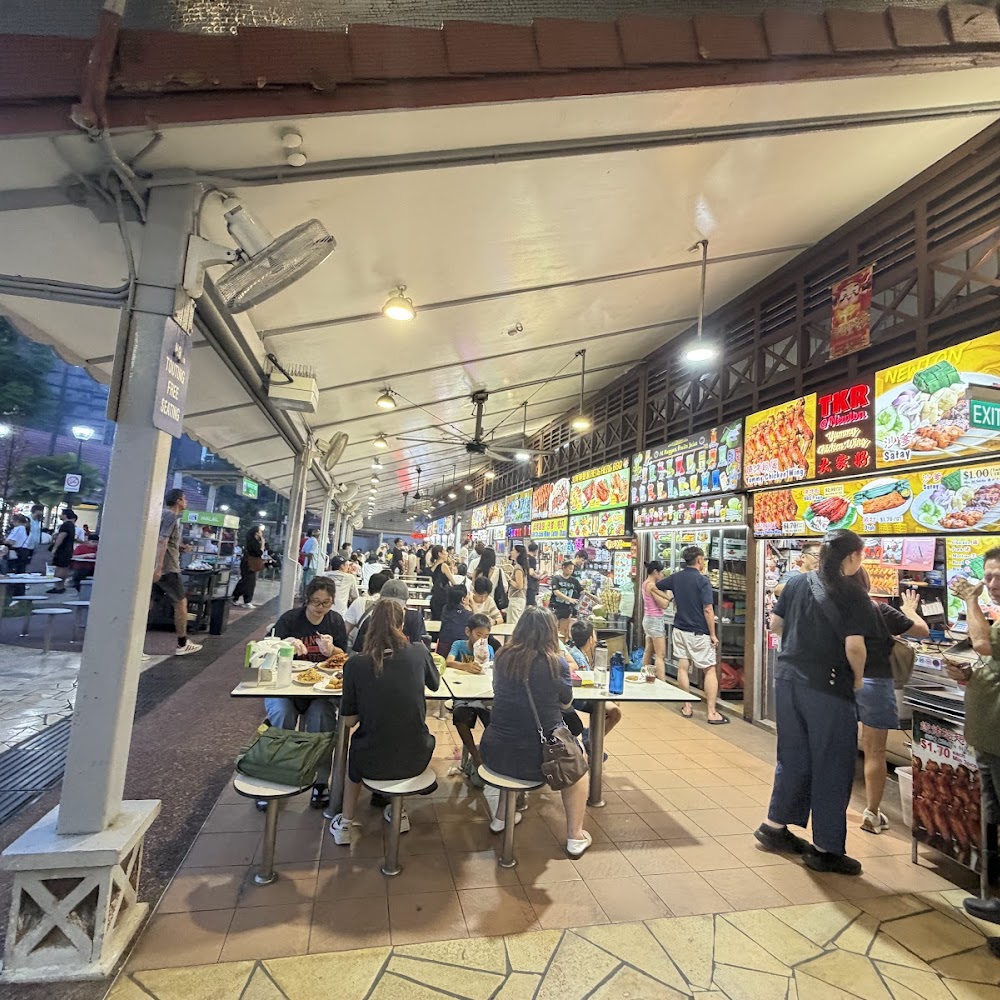
- •Save tables with tissue packets before ordering at hawker centers
- •Slurping soup noodles is normal and expected
- •Use spoon and fork together for most dishes, chopsticks for noodles
- •Don't tip - service charge included at restaurants
Breakfast
Locals start early with kopi (strong coffee with condensed milk) and kaya toast at kopitiams, or grab curry puffs and teh tarik on the way to work
Lunch
Hit hawker centers between 11am-2pm for the freshest food and full selection. Most stalls close mid-afternoon.
Dinner
Dinner happens early (6-8pm) at hawker centers or late (8-10pm) at restaurants. No reservations needed at hawker stalls.
Dishes you can't miss
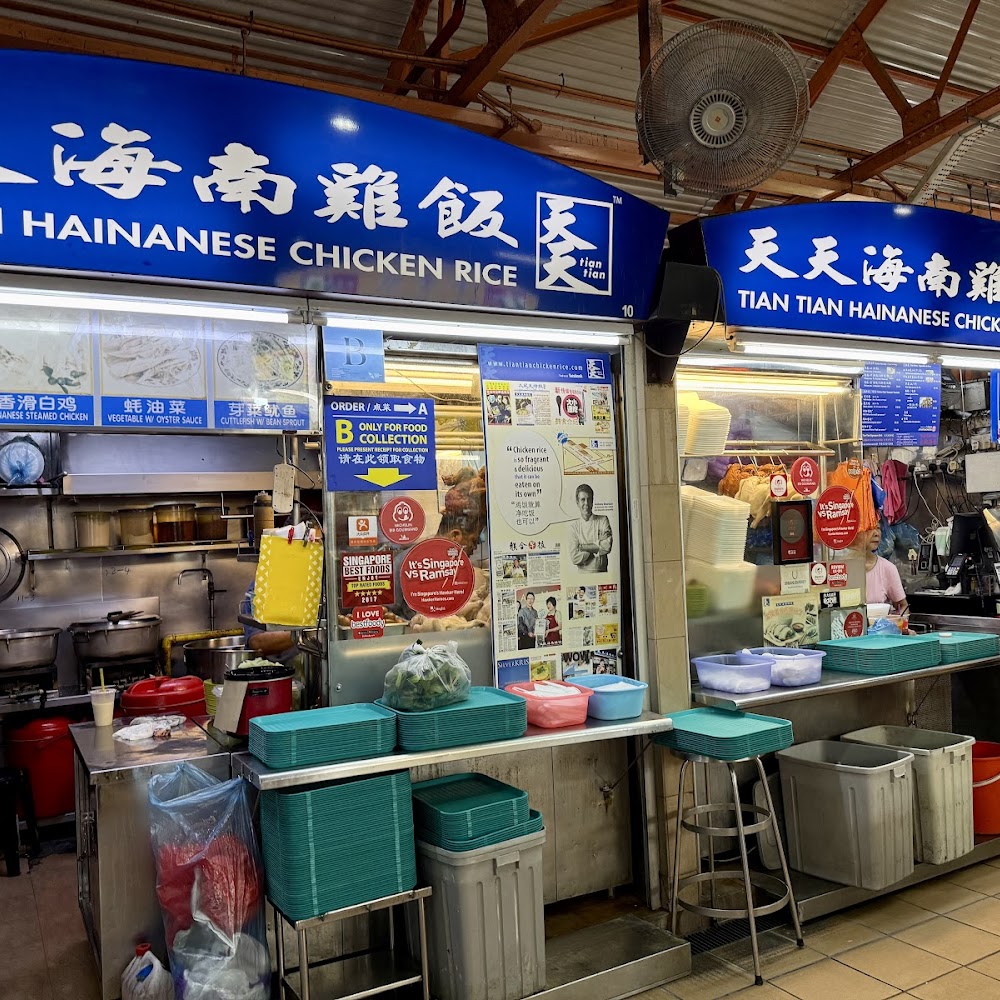
Singapore's national dish - silky chicken with fragrant rice cooked in chicken stock
Tian Tian at Maxwell Food Centre · S$5-7
Coconut curry noodle soup that defines Peranakan cuisine
328 Katong Laksa or hawker centers · S$4-6
Sweet and spicy tomato-based sauce with mud crabs - messy and worth it
Newton Food Centre or Long Beach Seafood · S$25-40
Wok-fried flat rice noodles with dark soy sauce, Chinese sausage, and cockles
Hill Street Tai Hwa Pork Noodle · S$5-8
Herbal pork rib soup that's a local comfort food favorite
Song Fa Bak Kut Teh · S$8-12
Flaky Indian flatbread perfect for breakfast with curry dip
Mr. and Mrs. Mohgan's Super Crispy Roti Prata · S$1.50-3
Street food highlights
Daily Walking Distances
Packing List
Daily afternoon thunderstorms year-round
Hot pavement and lots of walking between air-conditioned buildings
Extreme air conditioning in malls, restaurants, and MRT
Required for temple visits - shoulders must be covered
Heavy camera use and navigation drains batteries fast
Skip These
Save your time and money — here's what to skip and what to do instead.
S$30+ for a mediocre sweet cocktail you can get better versions elsewhere for S$15
→ Instead:Try the original at Long Bar if you must, but Atlas Bar has much better cocktails and ambiance
Same international brands as any major city, with Singapore's high prices and tourist crowds
→ Instead:Browse local designers at Haji Lane or vintage finds at Tiong Bahru for unique Singapore style
The light show and cooler evening temperatures make the S$28 conservatory fee much more worthwhile after dark
→ Instead:Visit for free outdoor gardens in late afternoon, then pay for conservatories during evening light show
Frequently Asked Questions
Is 2 days enough for Singapore?
Yes, but just barely. You can cover the essential sights (Marina Bay, Chinatown, Little India, Sentosa) and sample amazing hawker food, but you'll miss Kampong Glam, Gardens by the Bay at night, and proper shopping time. Consider 3-4 days if you want to include Universal Studios or more relaxed exploration.
Where should I stay in Singapore?
Stay near Raffles Place or Clarke Quay MRT stations for easy access to Marina Bay and heritage districts. Budget travelers should consider Chinatown hostels, while families prefer Orchard Road hotels. Avoid Sentosa unless you're spending multiple days on the island - it's isolated from the city center.
How much does 2 days in Singapore cost?
Budget: S$100-150/day (hostels, hawker food only), Mid-range: S$200-250/day (3-star hotel, mix of hawker and restaurants), Luxury: S$400+/day (Marina Bay Sands, fine dining). Main costs are accommodation (S$60-300/night) and dining choices (S$5 hawker meals vs S$50+ restaurants).
What should I not miss in Singapore?
Marina Bay Sands observation deck for city views, at least 3 different hawker centers for authentic food culture, one heritage neighborhood (Chinatown or Little India), and the Singapore Botanic Gardens or Gardens by the Bay. The contrast between futuristic architecture and traditional culture is Singapore's defining experience.
What's the best time to visit Singapore?
February-March and July-August have slightly less rain and humidity. However, Singapore is hot and humid year-round (26-32°C), so timing matters less than packing light, breathable clothes and an umbrella. Avoid November-January when monsoon rains are heaviest.
Travel Tips forSingapore
Master the MRT System
Singapore's MRT is spotless, air-conditioned, and connects all major attractions. Buy an EZ-Link card for 15% savings vs single tickets. Trains run every 2-5 minutes, making it faster than taxis during peak hours.
Hawker Center Etiquette
Reserve tables with tissue packets before ordering (called 'chope'). Most stalls are cash-only. Try different stalls rather than eating multiple dishes from one - variety is the point of hawker culture.
Dress for Temples and Weather
Carry a light scarf for temple visits (shoulders must be covered). Wear breathable fabrics and comfortable walking shoes - you'll sweat in any climate. Most buildings are heavily air-conditioned, so bring layers.
Cash vs Card Strategy
Hawker centers and small shops prefer cash, while malls and restaurants accept cards. ATMs are everywhere with reasonable fees. Tipping isn't expected - prices include service charge at restaurants.
Singapore Safety Reality
Singapore is extremely safe - solo female travelers face minimal issues even at night. However, avoid illegal drugs completely - penalties are severe including death penalty for trafficking. Chewing gum is restricted but not illegal to consume.
Essential Info
Singapore Dollar (SGD). Credit cards widely accepted except hawker centers. ATMs everywhere with S$2-5 fees. No need to exchange cash before arrival.
No tipping expected. Restaurants add 10% service charge automatically. Round up taxi fares to nearest dollar if you want, but not required.
Airalo eSIM for tourists (5GB for S$12) or SingTel Hi! Tourist SIM at Changi Airport
Planning a full Singapore trip?
Our Singapore itineraries cover Singapore and more — with multi-city routes, transit guides, and full budget breakdowns.
Related Itineraries
Ready to plan yourSingapore trip?
Get this 2-day itinerary in your Yopki trip planner — customize, collaborate, and export to PDF.