

5-Day Seoul Itinerary: From Ancient Palaces to K-Pop Culture (2026)
Five days in Seoul perfectly balances ancient traditions with cutting-edge culture. This guide takes you from royal palaces in Bukchon to street food in Myeongdong, K-pop districts in Hongdae, and late-night BBQ sessions that define Korean social life.
Day-by-Day Itinerary
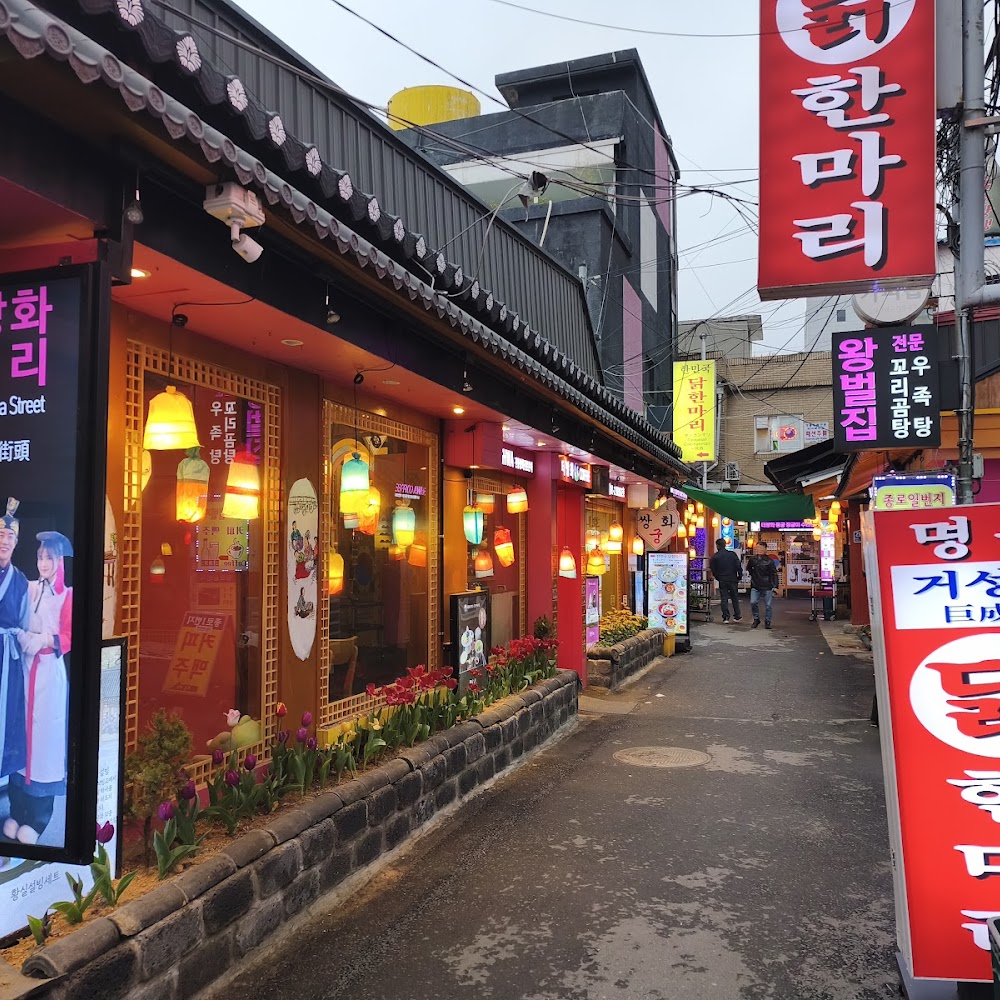
Start your Seoul adventure in the heart of the city with shopping, street food, and your first taste of Korean culture. Myeongdong offers the perfect gentle introduction with its pedestrian-friendly streets and iconic landmarks within walking distance.
Pro tip: Get a T-money card at any subway station today—you'll use it constantly. Myeongdong is touristy but excellent for orientation.
Route Map
Budget Breakdown
Estimated cost per person for 5 days. Includes accommodation, all meals, local transport, activities, and miscellaneous expenses. Does not include international flights or travel insurance.
| Category | Daily | Total |
|---|---|---|
| accommodation | $64 | $320 |
| food | $41 | $204 |
| transport | $9 | $43 |
| activities | $47 | $234 |
| misc | $15 | $74 |
| Total | $175 | $875 |
* Budget tier: mid-range. Prices in USD per person.
Money-saving tips:
- Convenience store meals are genuinely good and cheap—try kimbap and instant ramen
- Palace combination tickets save money if visiting 3+ palaces
- Korean BBQ is expensive for solo diners—pair up with other travelers
- Hongdae has the cheapest drinks and food in central Seoul
- Buy Korean snacks at convenience stores, not airport shops
See detailed South Korea budget guide with calculator →
Daily costs, tipping, and trip calculator
When to Go
Cherry blossoms in spring, perfect autumn weather with mild temperatures and clear skies
Hot, humid summer with monsoon rains making outdoor activities uncomfortable
Neighborhood Guide
Get oriented before you arrive — what each area feels like and how to get around.
Myeongdong
excellent walkabilityPedestrian shopping paradise buzzing with international tourists, street food vendors, and K-beauty stores. Feels like an outdoor mall crossed with an Asian night market.
Known for: Korean cosmetics shopping, street food, and tourist-friendly restaurants
Local tip: Visit early morning (before 10am) to avoid crowds and get the best street food before vendors run out
Transit: Myeongdong Station (Line 4)
Best time: evening
Bukchon Hanok Village
good walkabilityQuiet residential streets lined with traditional wooden houses, offering glimpses into old Seoul. Feels like stepping back 500 years while surrounded by modern city.
Known for: Traditional Korean architecture, cultural workshops, and panoramic city views
Local tip: Many hanoks are private residences—be respectful and don't peek into windows or make noise
Transit: Anguk Station (Line 3)
Best time: morning
Not stroller-friendly
Insadong
excellent walkabilityCultural heart of Seoul where traditional tea houses meet contemporary art galleries. Feels both touristy and authentically Korean—like Kyoto's Gion district but more accessible.
Known for: Traditional crafts, tea culture, art galleries, and cultural workshops
Local tip: Explore the hidden alleys off the main street—that's where locals go for authentic tea experiences
Transit: Anguk Station (Line 3), Jonggak Station (Line 1)
Best time: afternoon
Hongdae
excellent walkabilityUniversity district that never sleeps, packed with indie music venues, underground bars, and 20-something energy. Feels like Seoul's answer to Shibuya or Greenwich Village.
Known for: Nightlife, live music, street performances, and Korean fried chicken
Local tip: The real action starts after 10pm—don't show up too early for nightlife
Transit: Hongik University Station (Line 2, 6)
Best time: evening
Not stroller-friendly
Gangnam
good walkabilityUpscale business district with glass towers, luxury shopping, and expensive everything. Feels like Seoul's Manhattan—polished, fast-paced, and wealth-focused.
Known for: Luxury shopping, K-pop culture, upscale dining, and business centers
Local tip: Underground shopping areas offer the same brands at better prices than street-level stores
Transit: Gangnam Station (Line 2), Apgujeong Station (Line 3)
Best time: anytime
Itaewon
excellent walkabilityInternational bubble where Seoul meets the world—foreign restaurants, English everywhere, and a diverse expat community. Feels like a cosmopolitan district in any major world city.
Known for: International cuisine, multicultural atmosphere, and foreigner-friendly services
Local tip: Best non-Korean food in Seoul, but prices are higher than local Korean options
Transit: Itaewon Station (Line 6)
Best time: anytime
What to Eat inSeoul
Eating etiquette
- •Wait for the eldest person to start eating before you begin
- •Don't stick chopsticks upright in rice—lay them across your bowl
- •Banchan (side dishes) are free and refillable—just ask
- •It's polite to pour drinks for others, not yourself
- •No tipping required or expected anywhere
Breakfast
Koreans often eat rice, soup, and banchan for breakfast, but convenience store options like kimbap and sandwiches are common for busy workers
Lunch
Many restaurants offer great value lunch sets (정식/jeongsik) between 11:30am-2pm. Office workers eat quickly—don't linger during peak hours
Dinner
Dinner is social and often involves multiple courses and drinks. Korean BBQ is best shared with 2+ people. Evening dining starts around 6pm and can go very late
Dishes you can't miss
Social dining experience at the heart of Korean culture
Maple Tree House (Hongdae) or local BBQ joints · $25-40
Perfect introduction to Korean flavors and presentation
Gogung (Myeongdong) or Jeonju-style restaurants · $8-12
Korea's comfort food—spicy, sour, satisfying
Any local restaurant or pojangmacha · $6-10
Cold buckwheat noodles perfect for hot weather
Cheongjinok (Dongdaemun) or Pyongyang restaurants · $8-12
Crispy perfection with beer (chimaek culture)
Kyochon Chicken or any chimaek place · $12-18
Sweet pancake that's Seoul's ultimate street snack
Myeongdong or Gwangjang Market street stalls · $2-3
Hand-cut noodle soup, especially good in winter
Myeongdong Kyoja or traditional noodle shops · $6-9
Street food highlights
Daily Walking Distances
Packing List
Lots of walking on varied surfaces, from palace grounds to shopping districts
Essential for subway navigation, translation apps, and staying connected
Korean hygiene standards are high—having sanitizer shows cultural awareness
For covering shoulders/knees at temples and palaces, plus changeable Seoul weather
Many restaurants, temples, and accommodations require shoe removal
Small vendors, markets, and some restaurants still prefer cash payments
Skip These
Save your time and money — here's what to skip and what to do instead.
Overpriced tourist trap with long waits and mediocre views. The cable car costs extra and the observation deck is expensive for what you get
→ Instead:Go to Yeouido Hangang Park for free Seoul skyline views, or visit the free observation decks at City Hall or IFC Mall
The musical fountain show runs only during specific times and is often crowded with disappointing visibility
→ Instead:Walk along Cheonggyecheon Stream for better urban water features, or enjoy the Han River at quieter Hangang Parks
$20+ for elevator access to views that are nice but not uniquely Korean. Long queues and expensive food options
→ Instead:Spend that money on a Korean BBQ dinner with city views from a restaurant rooftop in Gangnam
Frequently Asked Questions
Is 5 days enough for Seoul?
Yes, 5 days covers Seoul's main highlights well—palaces, markets, neighborhoods, and food culture. You can see Gyeongbokgung, Bukchon, Myeongdong, Hongdae, and Gangnam comfortably. You'll miss day trips to Busan or Jeju Island, and some outer districts, but you'll get a solid foundation of Korean culture and urban life.
Where should I stay in Seoul?
Myeongdong offers the best location for first-timers—central, walkable, great food options, and easy subway access. Hongdae works for younger travelers wanting nightlife. Gangnam is upscale but expensive. Avoid areas north of the Han River if you want to be near the action—stick to Jung-gu, Jongno-gu, or Mapo-gu districts.
How much does 5 days in Seoul cost?
Budget travelers can do Seoul for $60-80/day (hostels, street food, free activities). Mid-range runs $120-180/day (decent hotels, restaurant meals, paid attractions). Luxury travelers spend $250+/day. Food is quite affordable—street food meals cost $3-8, restaurant meals $8-25. Accommodation and shopping drive the biggest cost variations.
What should I not miss in Seoul?
Essential experiences: Gyeongbokgung Palace with changing of guard, Bukchon Hanok Village for traditional architecture, Korean BBQ with soju, Myeongdong street food, and Hongdae nightlife. Gwangjang Market for authentic local food and Insadong for traditional crafts round out the must-dos. Each represents a different aspect of Korean culture.
What's the best time to visit Seoul?
April-May and September-October are ideal—mild temperatures, low humidity, and clear skies. Spring brings cherry blossoms but crowds. Fall offers perfect weather and autumn colors. Avoid July-August (hot, humid, monsoon rains) and December-February (very cold, though hotels are heated). Peak tourist seasons are spring cherry blossom time and fall foliage.
Travel Tips forSeoul
Master the T-money Card
Buy a T-money card at any subway station—it works on all buses and subways and costs 30% less than individual tickets. Load it with ₩30,000-50,000 to start. You can refund the remaining balance and card deposit before leaving.
Bow and Use Both Hands
Light bowing when greeting shows respect. Always receive business cards, money, or gifts with both hands. Remove shoes when entering homes, some restaurants, and all temples. Many restaurants provide shoe lockers.
Korean Dining Etiquette Basics
Don't tip—it's not expected and can be awkward. Wait for the oldest person to start eating. Don't stick chopsticks upright in rice (funeral association). Korean BBQ is communal—one person often cooks for the table. Banchan (side dishes) are free and refillable.
Cash vs Card Strategy
Major credit cards work at hotels, big restaurants, and department stores. Small food stalls, markets, and taxis often require cash. ATMs are everywhere but international cards work best at convenience stores (7-Eleven, CU, GS25) rather than bank ATMs.
WiFi and Connectivity
Seoul has excellent free WiFi in subways, cafes, and many public areas. Convenience stores sell prepaid SIM cards, or rent a pocket WiFi device at the airport. Most signs have English translations in central areas, and subway announcements are bilingual.
Seoul Safety Notes
Seoul is very safe, even for solo female travelers. Main concerns are drunk businessmen in bar districts (easy to avoid) and occasional pickpocketing in crowded markets. Emergency number is 112 for police, 119 for fire/medical. Most police stations have English-speaking officers.
Essential Info
Korean Won (₩). Cards widely accepted at major establishments. Carry cash for markets, street food, and small vendors. International ATMs available at convenience stores.
No tipping expected or required in Korea. Service charges are included in restaurant bills. Tipping can actually be confusing or awkward for local staff.
KT Olleh or SK Telecom prepaid SIMs at convenience stores, or rent pocket WiFi at Incheon Airport
More Options inSeoul
Places that didn't make the main itinerary but are worth knowing about.
More Restaurants
Shopping
More Activities
Bars & Nightlife
Planning a full South Korea trip?
Our South Korea itineraries cover Seoul and more — with multi-city routes, transit guides, and full budget breakdowns.
Related Itineraries
Ready to plan yourSeoul trip?
Get this 5-day itinerary in your Yopki trip planner — customize, collaborate, and export to PDF.