


7 Day Switzerland Itinerary
Experience Switzerland's highlights from cosmopolitan Zurich to the dramatic Matterhorn in Zermatt. This week-long journey combines efficient city exploration with breathtaking Alpine scenery and traditional Swiss experiences.
Day-by-Day Itinerary
Route Map
Budget Breakdown
Estimated cost per person for 7 days. Includes accommodation, all meals, local transport, activities, and miscellaneous expenses. Does not include international flights or travel insurance.
| Category | Daily | Total |
|---|---|---|
| accommodation | $90 | $540 |
| food | $130 | $910 |
| transport | $95 | $665 |
| activities | $25 | $175 |
| misc | $20 | $140 |
| Total | $360 | $2430 |
* Budget tier: mid-range. Prices in USD per person.
Money-saving tips:
- Buy Swiss Travel Pass for 25% savings on mountain railways
- Eat lunch at mountain restaurants - portions are huge and scenic
- Shop at Coop or Migros for snacks instead of tourist shops
- Stay near train stations to save on taxi costs in car-free zones
- Book mountain railways same-day - advance booking rarely needed
When to Go
Clear mountain weather, all cable cars operating, hiking season
Mountain weather unpredictable, some high-altitude transport closed
Neighborhood Guide
Get oriented before you arrive — what each area feels like and how to get around.
Altstadt (Old Town)
excellent walkabilityCobblestones echo with the gentle hum of Swiss efficiency meeting medieval charm. Guild houses lean over narrow streets where luxury boutiques sit quietly beside centuries-old churches, creating an atmosphere of understated prosperity.
Known for: Medieval architecture, luxury shopping, and Grossmünster cathedral
Local tip: Duck into Schipfe quarter early morning when only locals walk their dogs along the Limmat - it's the most photogenic spot without crowds
Transit: Zürich HB (all lines) or Rudolfplatz (tram 4, 15)
Best time: morning
Not stroller-friendly
Kreis 1 (City Center)
excellent walkabilityThe pulse of Swiss banking meets lakefront leisure in perfectly manicured streets. Every corner feels purposeful yet relaxed, with the lake's proximity softening the business district's sharp edges.
Known for: Bahnhofstrasse shopping, Lake Zurich promenade, financial district
Local tip: Take the 15-minute lakeside walk from Bürkliplatz to Bellevue at sunset - locals call it their daily meditation
Transit: Zürich HB, Paradeplatz, Bellevue (multiple tram lines)
Best time: anytime
Jungfraujoch Area
moderate walkabilityThe air crackles with anticipation as cog railways climb impossibly steep grades. Every turn reveals more dramatic Alpine scenery, building to the crescendo of Europe's highest railway station where glacier ice meets sky.
Known for: Jungfraujoch railway, glacier views, Alpine hiking
Local tip: Buy your ticket online 3+ days ahead for 25% discount - locals never pay full price
Transit: Interlaken Ost, then Jungfraubahn railway system
Best time: morning
Not stroller-friendly
Lauterbrunnen
good walkabilityWaterfalls thunder from impossible heights while cowbells echo off valley walls. The dramatic U-shaped valley creates an almost mystical atmosphere where every photo looks like a fantasy painting.
Known for: 72 waterfalls, dramatic valley views, traditional Alpine villages
Local tip: Walk behind Trümmelbach Falls early morning when tour buses haven't arrived - you'll hear the raw power of glacier melt carving through rock
Transit: Lauterbrunnen station (Wengernalpbahn)
Best time: morning
Zermatt Village
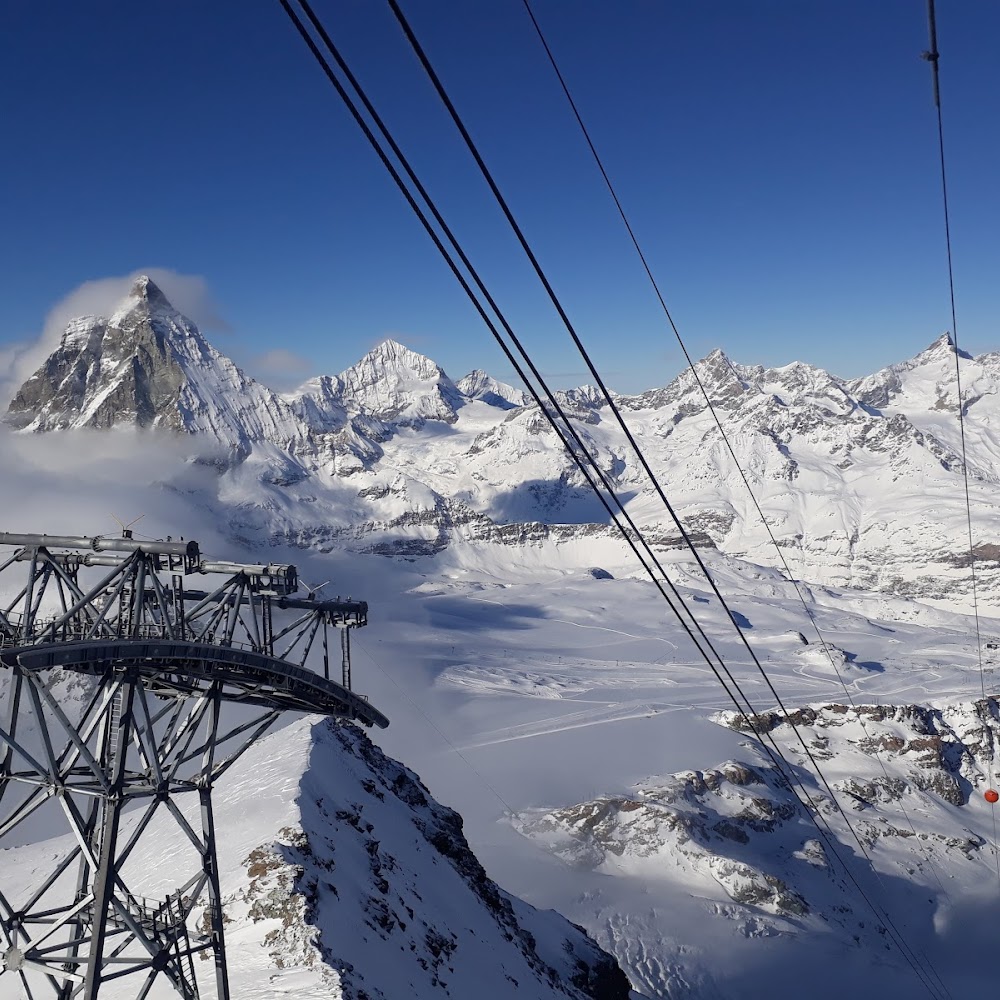
excellent walkabilityElectric taxis buzz past chalets where price tags would make your eyes water, yet the Matterhorn's magnetic presence makes everything else fade away. The air is thin and crisp, charged with Alpine adventure and exclusive mountain luxury.
Known for: Car-free village, Matterhorn views, luxury Alpine resorts
Local tip: Head to the cemetery behind the church at golden hour - locals gather here for the best unobstructed Matterhorn view without paying for a cable car
Transit: Zermatt Bahnhof (terminus of Matterhorn Gotthard Bahn)
Best time: anytime
What to Eat inSwitzerland
Zurich
Eating etiquette
- •Round up bills 5-10% maximum
- •Wait to be seated even in casual places
- •Don't eat or drink on public transport
Breakfast
Locals eat Gipfeli (croissants) with coffee standing at bakery counters before 8am - quick and efficient
Lunch
Look for 'Tagesmenu' (daily menu) at traditional restaurants between 11:30am-2pm for CHF 18-25 instead of à la carte
Dinner
Restaurants open at 6pm sharp, book ahead. Kitchen closes early (9pm) - don't arrive fashionably late
Dishes you can't miss
Zurich's signature veal in cream sauce, perfected in this 650-year-old guildhall
Zunfthaus zur Zimmerleuten · CHF 32-38
Crispy potato cake that locals eat as a side, not main - this place does it authentically
Swiss Chuchi · CHF 16-22
Street food highlights
Interlaken
Eating etiquette
- •Mountain restaurants expect hiking boots, not dress shoes
- •Share tables during peak season - ask 'Ist hier noch frei?'
- •Cash preferred in mountain huts
Breakfast
Early breakfast (6-7am) essential before mountain excursions - hotels serve until 9am but mountain trains leave early
Lunch
Pack lunch for mountain days - restaurant prices double with altitude. Migros has pre-made sandwiches for CHF 4-6
Dinner
Tourist-focused restaurants stay open later than Zurich, but quality varies wildly - stick to places locals recommend
Dishes you can't miss
Alpine mac and cheese with applesauce - hiking fuel that actually tastes good
Restaurant Taverne · CHF 19-24
Mountain cheese aged in local caves - buy some for picnics
Local cheese shops · CHF 25-35/kg
Street food highlights
Zermatt
Eating etiquette
- •Expect luxury prices everywhere
- •Reservations essential in high season
- •Dress smartly even for casual restaurants
Breakfast
Hotel buffets are substantial (included in price) - fuel up for expensive mountain dining ahead
Lunch
Mountain restaurants charge CHF 25+ for simple pasta - bring snacks and enjoy one special meal with Matterhorn views
Dinner
Fine dining capital of the Alps - book weeks ahead for top restaurants. Even pizza costs CHF 20+
Dishes you can't miss
Traditional Valais melted cheese with Matterhorn backdrop - this mountain hut is worth the 30-minute hike
Chez Vrony (Findeln) · CHF 28-35
Local lamb from valley pastures - Zermatt's specialty protein
Restaurant Whymper-Stube · CHF 45-55
Street food highlights
Getting Between Cities
How to book: Use SBB Mobile app or ticket machines at Zürich HB - select 'Interlaken Ost' as destination
Platform: Trains depart from tracks 3-18 at Zürich HB - check departure boards 10 minutes before
Luggage: Large luggage racks at car entrances - board early to secure space
Pro tip: Right side window after Spiez for lake views approaching Interlaken
How to book: Book connection through SBB - change in Visp is timed perfectly
Platform: 5-minute change in Visp - follow signs to 'Zermatt' train on adjacent platform
Luggage: Luggage forwarding service available - send bags ahead for CHF 22/bag
Pro tip: Left side from Visp to Zermatt for Matterhorn first glimpse near Täsch
How to book: Same ticket covers entire journey - buy at Zermatt station
Platform: Allow 8 minutes for connection in Visp - sometimes tight timing
Luggage: Final day - keep essentials in carry-on as luggage space fills up
Pro tip: Face direction of travel on IC portion for comfort on curves
Daily Walking Distances
Packing List
Mountain paths can be icy even in summer - Swiss trails demand proper grip
Alpine weather changes in minutes - afternoon storms are common
Snow reflection at altitude can cause snow blindness
UV intensity doubles every 1000m elevation gain
Temperature drops 6°C per 1000m - Jungfraujoch can be -10°C when Zurich is +15°C
Swiss fountain water is safe and free - save CHF 4-6 per bottle
Cold mountain air drains batteries fast and you'll photograph constantly
Mountain huts and small businesses often cash-only
15,000+ steps daily on cobblestones and concrete
For mountain excursions and train day trips
Essential at 3883m elevation on Jungfraujoch
Mountain air is extremely dry and UV-intense
Gornergrat and Jungfrau railways have steep grades and curves
Switzerland uses unique three-pin plugs
Skip These
Save your time and money — here's what to skip and what to do instead.
2+ hours round trip for falls that are impressive but not uniquely Swiss - you'll see better waterfalls in Lauterbrunnen
→ Instead:Spend extra time in Lauterbrunnen Valley - Staubbach Falls are more dramatic and you're already there
Cheesy ice sculptures in artificial tunnels that cost extra and feel like a tourist trap
→ Instead:Walk the free outdoor glacier trail for actual glacier experience and better photos
Same luxury brands as Paris/London but 30-40% more expensive due to Swiss franc
→ Instead:Window shop for free, then buy Swiss-made items like Victorinox knives or Läderach chocolate
CHF 80+ for mediocre food with gimmicky James Bond theme - view is the only selling point
→ Instead:Take the cable car for photos then eat at Chez Vrony in Findeln for better food and Matterhorn views
Frequently Asked Questions
Is 7 days enough for Switzerland?
Seven days allows you to experience Switzerland's highlights including Zurich, the Bernese Alps, and Zermatt with the Matterhorn. You'll cover the main mountain railways and scenic regions without rushing. For more hiking or additional cities like Geneva or Lucerne, consider 10-14 days.
How much does 7 days in Switzerland cost?
Budget $2,400-2,800 for mid-range travel including accommodation, meals, and transport. Mountain railways are expensive ($100+ per day) but provide spectacular experiences. Save money with Swiss Travel Pass, eating at lunch hours, and staying near train stations.
What is the best month to visit Switzerland?
June through September offers the best weather for mountain activities, with July and August being peak season. May and October are good shoulder season alternatives with fewer crowds but unpredictable mountain weather. Winter (December-March) is beautiful for skiing but many high-altitude attractions close.
Do I need a visa for Switzerland?
US, UK, EU, Canadian, and Australian citizens can visit Switzerland visa-free for up to 90 days. Switzerland is part of the Schengen area, so your passport must be valid for at least 6 months from entry date. No special vaccinations required.
Is the Swiss Travel Pass worth it?
For this 7-day itinerary with multiple train journeys and mountain railways, the Swiss Travel Pass saves approximately 25-30% on transport costs. It includes trains, buses, boats, and discounts on mountain railways like Jungfraujoch and Gornergrat. Most cost-effective for trips with 4+ days of travel.
What should I pack for Switzerland in summer?
Layer clothing for altitude changes - it can be 20°C colder on mountain peaks. Pack waterproof jacket, warm layers, comfortable hiking shoes, sunglasses, sunscreen (essential for snow reflection), and a day backpack for mountain excursions. Summer temperatures range from 15-25°C in cities.
Travel Tips forSwitzerland
Swiss Travel Pass Benefits
The Swiss Travel Pass includes unlimited travel on trains, buses, and boats, plus 25-50% discounts on most mountain railways. For this 7-day itinerary, it typically saves $200-300 versus individual tickets.
Credit Cards Widely Accepted
Switzerland is largely cashless - use contactless cards everywhere including small purchases. Tipping is not expected as service charges are included, but rounding up 5-10% is appreciated for good service.
Punctuality is Sacred
Swiss trains run exactly on schedule - if it says 14:32, it leaves at 14:32. Arrive 2-3 minutes early and listen for platform announcements. Missing a connection can add an hour to mountain journeys.
Lunch Deals Save Money
Many restaurants offer lunch menus (11:30am-2pm) at half the dinner price. Mountain restaurants serve huge portions - sharing one dish often suffices. Grocery stores like Coop and Migros have excellent prepared foods.
Mountain Weather Changes Fast
Check weather forecasts and webcams before expensive mountain railway trips. Clouds can roll in within an hour, obscuring views. Morning departures typically offer clearest conditions.
Altitude Awareness
Some attractions reach 3,800m+ elevation. Stay hydrated, move slowly initially, and descend if you feel unwell. Sun protection is crucial due to snow reflection at altitude - UV rays are 25% stronger per 1,000m.
Essential Info
Swiss Franc (CHF). Credit cards accepted everywhere. ATMs widely available. No need for large cash amounts.
Service included in bills. Round up 5-10% for good service. No tipping required for transportation or standard service.
Airalo eSIM or Swisscom prepaid SIM at airport. Most hotels and trains have free WiFi.
More Options inSwitzerland
Places that didn't make the main itinerary but are worth knowing about.
More Restaurants
More Activities
Cafes & Coffee
Bars & Nightlife
Shopping
Explore Each City
Want to spend more time in a specific city? Check out our city-level deep-dive guides.
Related Itineraries
Ready to plan yourSwitzerland trip?
Get this 7-day itinerary in your Yopki trip planner — customize, collaborate, and export to PDF.