

3-Day New Orleans Itinerary: Jazz, Jambalaya & Joie de Vivre (2026)
New Orleans isn't just a city—it's a feeling. From sunrise beignets in the French Quarter to late-night jazz on Frenchmen Street, this guide takes you through the neighborhoods where locals live, eat, and celebrate life daily.
Day-by-Day Itinerary
Start where it all began in the historic French Quarter, then drift into the bohemian Marigny for authentic jazz and Creole flavors. This day captures the essence of old New Orleans—wrought-iron balconies, street musicians, and that unmistakable joie de vivre that makes this city magnetic.
Pro tip: Don't plan to drive in the French Quarter—parking is expensive and streets are narrow. Walk everywhere and use the streetcar for longer distances.
Route Map
Budget Breakdown
Estimated cost per person for 3 days. Includes accommodation, all meals, local transport, activities, and miscellaneous expenses. Does not include international flights or travel insurance.
| Category | Daily | Total |
|---|---|---|
| accommodation | $85 | $255 |
| food | $100 | $300 |
| transport | $11 | $33 |
| activities | $14 | $42 |
| misc | $20 | $60 |
| Total | $230 | $690 |
* Budget tier: mid-range. Prices in USD per person.
Money-saving tips:
- Many of the best experiences are free—street music, French Quarter architecture, and neighborhood walking
- Eat lunch at po'boy shops ($8-12) and splurge on dinner at famous restaurants
- Buy a Jazzy Pass for public transit if using streetcars frequently
- Happy hour drinks are significantly cheaper than evening prices
- Street musicians on Royal Street and Frenchmen Street often provide better jazz than paid venues
See detailed United States budget guide with calculator →
Daily costs, tipping, and trip calculator
When to Go
Perfect weather for walking, outdoor dining, and jazz festivals without oppressive heat and humidity
Brutal heat, humidity, and afternoon thunderstorms make outdoor exploration uncomfortable
Neighborhood Guide
Get oriented before you arrive — what each area feels like and how to get around.
French Quarter
excellent walkabilityWalking through the French Quarter feels like stepping into a movie set—wrought-iron balconies dripping with ferns, jazz spilling from every doorway, and the constant aroma of coffee and beignets mixing with river breeze.
Known for: Historic architecture, street musicians, Café Du Monde, Jackson Square, and the infamous Bourbon Street nightlife
Local tip: Royal Street in the morning (before 10am) when it's car-free, quiet, and you can actually hear the talented street musicians without crowds
Transit: Streetcar stops on Canal Street and Riverfront
Best time: early morning
Not stroller-friendly
Garden District
excellent walkabilityMajestic antebellum mansions peek through ancient live oak trees while the St. Charles streetcar clangs past. It feels like the Old South's grandest neighborhood, preserved in amber.
Known for: Historic mansions, celebrity homes, Lafayette Cemetery, and the scenic St. Charles streetcar line
Local tip: Walk the side streets (First, Second, Third Streets) rather than just the main drags—the most beautiful houses are tucked away
Transit: St. Charles streetcar line runs through the heart of the district
Best time: afternoon
Frenchmen Street & Marigny
excellent walkabilityThis is where locals go for authentic jazz—intimate clubs where musicians play for the love of it, not for tourist tips. The energy is organic, spontaneous, and genuinely musical.
Known for: Live jazz venues, local bars, authentic nightlife, and the bohemian Marigny neighborhood
Local tip: Start with drinks at a corner bar like Bud Rip's before hitting the music venues—you'll get a local's perspective on where the good music is that night
Transit: Walking distance from French Quarter, or short bus ride
Best time: evening
Not stroller-friendly
Magazine Street
good walkabilitySix miles of local life—from Garden District boutiques to Irish Channel dive bars. This is where New Orleanians actually shop, eat, and hang out, making it feel authentic rather than performative.
Known for: Local shopping, trendy restaurants, antique stores, and authentic neighborhood restaurants
Local tip: Focus on the section between Napoleon and Louisiana Avenue for the highest concentration of good shops and restaurants
Transit: Bus line runs the length, or walk from Garden District
Best time: afternoon
Warehouse District
good walkabilityConverted industrial buildings now house world-class museums and galleries. It feels modern and cultural, a refreshing contrast to the historical weight of other neighborhoods.
Known for: National WWII Museum, Contemporary Arts Center, galleries, and riverfront views
Local tip: Walk to the riverfront area near the Hilton for great sunset views of the Mississippi River
Transit: Streetcar and bus connections to downtown
Best time: afternoon
What to Eat inNew Orleans
Eating etiquette
- •Po'boys are messy—embrace it and ask for extra napkins
- •Don't put anything on gumbo except hot sauce if you must
- •Jazz brunch is a real thing—make reservations for weekend brunch with live music
- •Tipping 18-20% is standard at sit-down restaurants
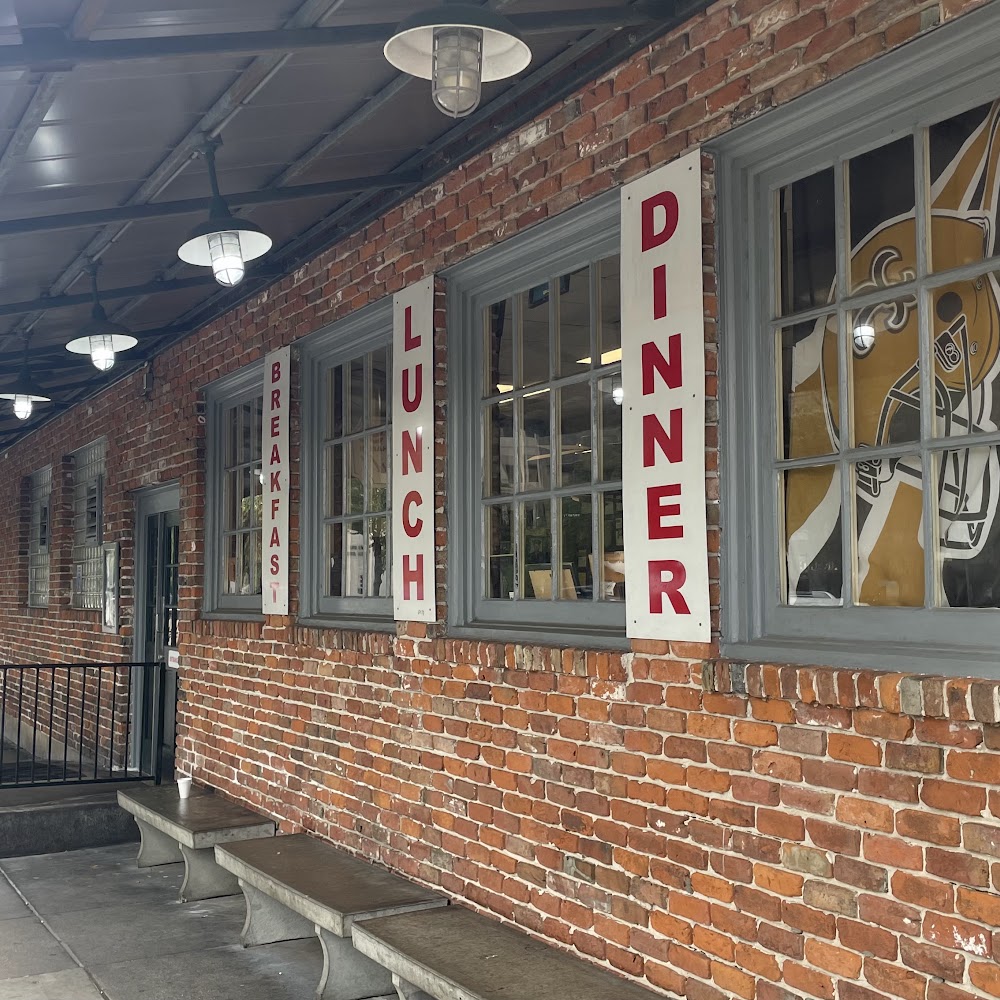
Breakfast
New Orleans takes breakfast seriously. Café au lait (coffee with chicory and hot milk) is the traditional morning drink. Beignets are dessert masquerading as breakfast. Grits appear in both sweet and savory preparations.
Lunch
Po'boys are the ultimate lunch value—authentic ones from neighborhood shops cost $8-12 and are enormous. Many upscale restaurants offer lunch specials that cost half their dinner prices.
Dinner
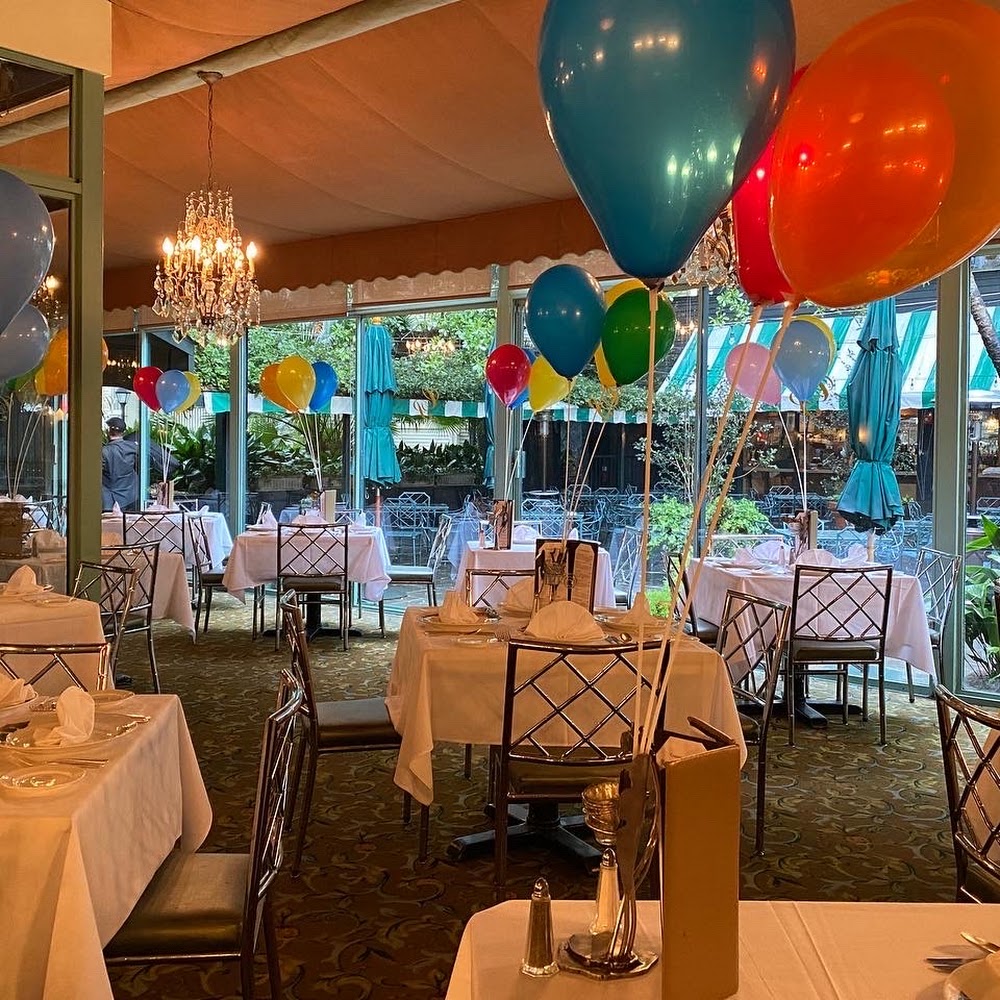
Dinner starts later than other Southern cities, typically 7-8pm. Fine dining restaurants require reservations 1-2 weeks ahead. Casual Creole restaurants are first-come, first-served but expect waits.
Dishes you can't miss
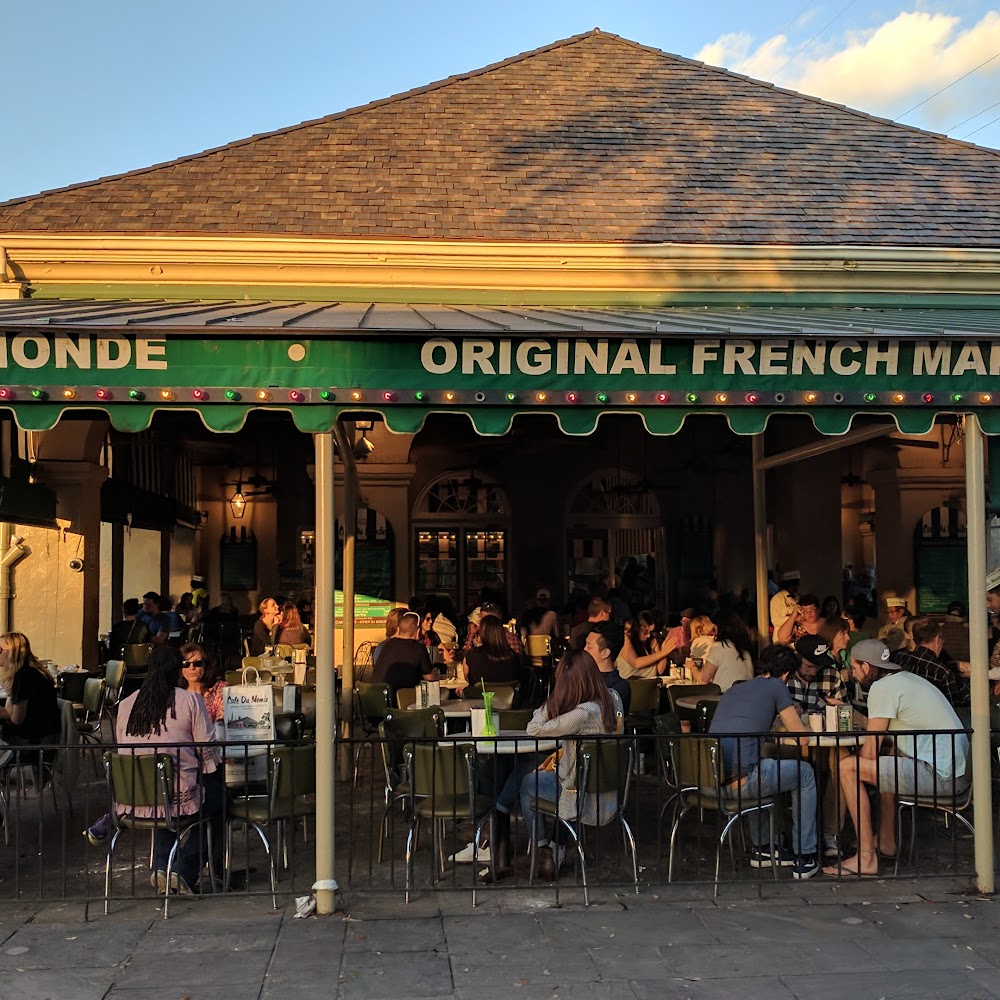
The original since 1862—hot, pillowy doughnuts buried in powdered sugar
Café Du Monde (French Quarter) · $3
Fried shrimp or oysters on New Orleans French bread—a complete meal
Johnny's Po-Boys or Parkway Bakery · $10-14
The ultimate Creole stew—roux, okra, and whatever protein defines the type
Dooky Chase's or Gumbo Shop · $12-16
Rice dish with sausage, chicken, and seafood—Spanish paella meets Creole spice
Mother's or Jacques-Imo's · $14-18
Italian sandwich with olive salad that's become a New Orleans classic
Central Grocery · $16
Grilled with garlic butter and herbs—a New Orleans innovation
Acme Oyster House or The Original French Market · $12-15
Flambéed banana dessert created in New Orleans in 1951
Brennan's (where it was invented) · $12
Street food highlights
Daily Walking Distances
Packing List
Uneven sidewalks and lots of walking—avoid heels or new shoes
Afternoon thunderstorms are common, especially in summer
Long days of photography and navigation drain batteries quickly
Many authentic restaurants and bars are cash-only, plus tips for musicians
Restaurants and bars are heavily air-conditioned year-round
Skip These
Save your time and money — here's what to skip and what to do instead.
Overpriced tourist traps with mediocre food and aggressive touts handing out menus
→ Instead:Eat on Frenchmen Street or Magazine Street where locals actually dine
Expensive ($75+) for average food and cheesy entertainment, plus you miss the real nightlife
→ Instead:Take the cheaper daytime harbor cruise and spend evenings in live music venues
Now requires paid tours only, and it's become overcrowded and commercialized
→ Instead:Visit free Lafayette Cemetery No. 1 in the Garden District—equally beautiful, less crowded
International chain restaurant in a city famous for unique local cuisine—completely misses the point
→ Instead:Any local restaurant serving Creole or Cajun food will be more authentic and often cheaper
Frequently Asked Questions
Is 3 days enough for New Orleans?
Yes, 3 days covers the essential New Orleans experience—French Quarter charm, Garden District mansions, authentic jazz on Frenchmen Street, and iconic Creole cuisine. You'll taste the city's soul but miss deeper neighborhood exploration, plantations, and catching multiple live music performances. A perfect first visit length.
Where should I stay in New Orleans?
French Quarter for historic charm and walkability to everything, but expect crowds and higher prices. Garden District offers elegant B&Bs with local flavor and streetcar access. Marigny provides authentic neighborhood feel near Frenchmen Street. Avoid staying far from these core areas unless you want to drive everywhere.
How much does 3 days in New Orleans cost?
Budget: $400-500 total (hostels, po'boys, streetcar). Mid-range: $600-800 (historic hotels, mix of casual and upscale dining). Luxury: $1000+ (boutique hotels, Commander's Palace, private tours). Food is the biggest variable—you can eat amazingly well for cheap or splurge on world-class restaurants.
What should I not miss in New Orleans?
Beignets at Café Du Monde, live jazz on Frenchmen Street (not Bourbon), a po'boy from a local shop, walking the Garden District mansions, and experiencing the streetcar on St. Charles. These capture New Orleans' unique culture—European architecture, African musical heritage, and Creole culinary traditions.
What's the best time to visit New Orleans?
October through March offers the best weather for walking and outdoor dining. Mardi Gras season (February-March) is magical but crowded and expensive. Summer (June-August) is brutal with heat and humidity. Fall and winter have perfect temperatures for exploring neighborhoods on foot.
Travel Tips forNew Orleans
Master the Streetcar System
The St. Charles line is scenic but slow—budget 45 minutes from downtown to Audubon Park. Buy a Jazzy Pass if taking multiple rides. The Canal Street line goes to cemeteries. Streetcars run on time but have limited routes.
Avoid Bourbon Street for Food
Bourbon Street restaurants are overpriced tourist traps. Real New Orleans food is on Magazine Street, Frenchmen Street, and neighborhood joints in Treme and Marigny. If someone hands you a menu on Bourbon Street, keep walking.
Tip the Street Musicians
The jazz musicians on Royal Street and Frenchmen Street are world-class professionals. A few dollars in the case is expected and appreciated. These aren't buskers—they're carrying on a centuries-old tradition.
Stay in the Tourist Core at Night
French Quarter, Garden District, and Frenchmen Street are well-patrolled and safe for tourists. Beyond these areas, especially north of Claiborne Avenue, be more cautious after dark. Use rideshares for late-night transport.
Carry Cash for Local Spots
Many authentic places (Willie Mae's, corner bars, street food) are cash-only. ATMs in the French Quarter charge high fees—use bank ATMs on Canal Street or Magazine Street instead.
Embrace the Slow Pace
New Orleans runs on 'island time.' Restaurants take longer, streetcars are leisurely, and conversations happen. Fighting this will frustrate you—lean into the relaxed rhythm and you'll have a better time.
Essential Info
Credit cards accepted everywhere in tourist areas. Many local spots prefer cash. No need to exchange money—US dollars only. Tip 18-20% at restaurants, $1-2 per drink at bars.
Restaurants: 18-20%. Bars: $1-2 per drink. Street musicians: $2-5 per song. Tour guides: $5-10 per person. Taxis/Uber: 15-20%. Hotel housekeeping: $2-5 per night.
Most US carriers work well. Verizon has the best coverage in Louisiana. International visitors can get prepaid SIM cards at airports or use eSIM services like Airalo.
More Options inNew Orleans
Places that didn't make the main itinerary but are worth knowing about.
More Restaurants
More Activities
Shopping
Planning a full United States trip?
Our United States itineraries cover New Orleans and more — with multi-city routes, transit guides, and full budget breakdowns.
Related Itineraries
Ready to plan yourNew Orleans trip?
Get this 3-day itinerary in your Yopki trip planner — customize, collaborate, and export to PDF.