
3-Day Washington DC Itinerary: Monuments, Museums & Neighborhoods (2026)
Experience America's capital through its iconic monuments, world-class museums, and diverse neighborhoods. This 3-day guide takes you from the National Mall's famous landmarks to Georgetown's cobblestone streets and U Street's Ethiopian food scene.
Day-by-Day Itinerary
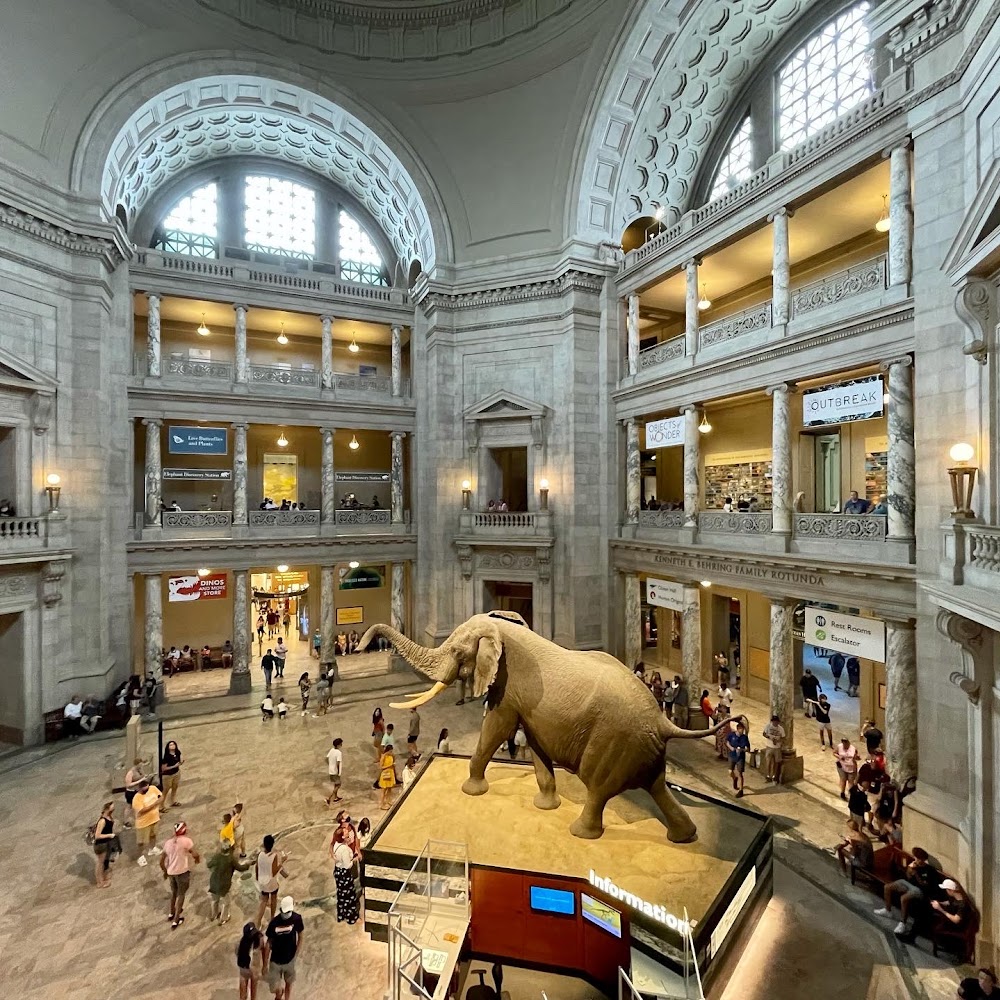
Start your DC journey with the city's most famous sights on the National Mall. You'll walk among monuments that define American history, explore world-class Smithsonian museums, and end at the Capitol building where democracy unfolds daily.
Pro tip: The National Mall is 2+ miles long - wear comfortable shoes and expect 8-10k steps today
Route Map
Budget Breakdown
Estimated cost per person for 3 days. Includes accommodation, all meals, local transport, activities, and miscellaneous expenses. Does not include international flights or travel insurance.
| Category | Daily | Total |
|---|---|---|
| accommodation | $120 | $360 |
| food | $79 | $236 |
| transport | $4 | $11 |
| activities | $0 | $1 |
| misc | $15 | $45 |
| Total | $218 | $653 |
* Budget tier: mid-range. Prices in USD per person.
Money-saving tips:
- Most Smithsonian museums are completely free including Natural History and African American History
- Buy a Metro day pass for $14.50 instead of individual rides if you're taking 6+ trips
- Museum cafeterias offer decent lunch deals $12-15 vs $25+ at nearby restaurants
- Ethiopian restaurants offer huge portions - combination platters easily feed 2 people
- Ben's Chili Bowl breakfast costs under $10 vs $18+ at hotel restaurants
See detailed United States budget guide with calculator →
Daily costs, tipping, and trip calculator
When to Go
Cherry blossoms in spring, perfect weather, comfortable walking temperatures
Brutally hot and humid summers, less pleasant for walking the National Mall
Neighborhood Guide
Get oriented before you arrive — what each area feels like and how to get around.
National Mall
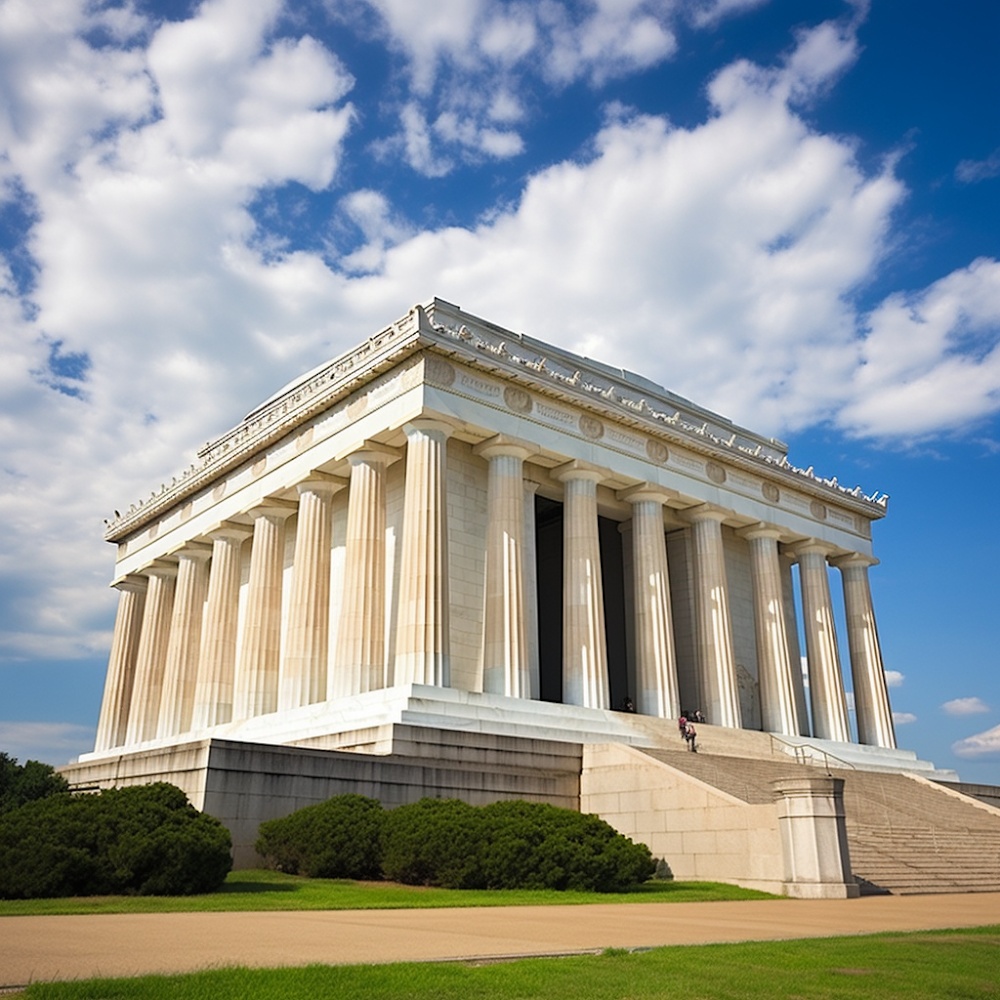
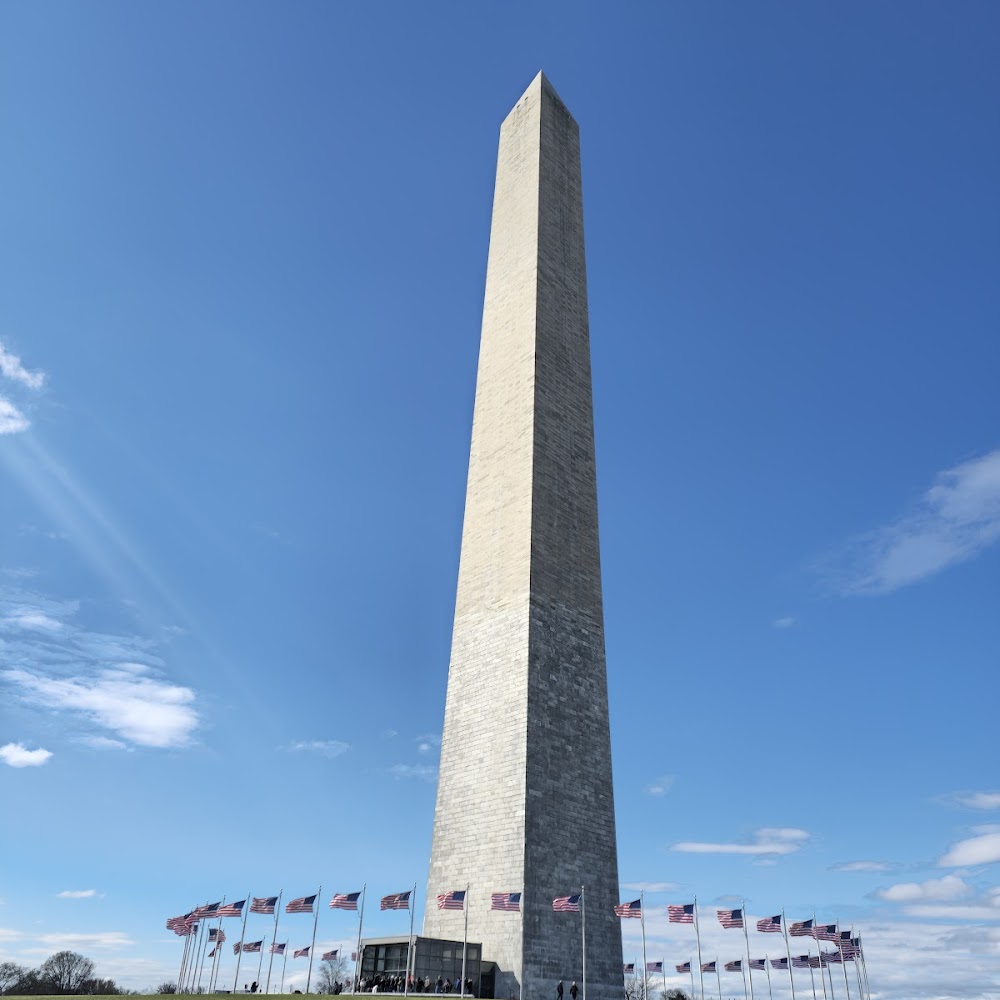
excellent walkabilityWide open lawns stretched between iconic monuments and world-class museums, filled with tourists, school groups, and the occasional protest or festival. It feels like America's front yard.
Known for: Smithsonian museums, Lincoln Memorial, Washington Monument, Capitol building
Local tip: Early morning (before 9am) is magical - monuments without crowds and soft light for photos
Transit: Multiple Metro stops: Smithsonian, L'Enfant Plaza, Union Station
Best time: morning
Georgetown
excellent walkabilityCobblestone streets lined with federal-style townhouses, upscale boutiques, and sidewalk cafes. Feels like a wealthy college town with Potomac River views.
Known for: Shopping on M Street, Georgetown University, waterfront dining, historic architecture
Local tip: Explore the residential streets north of M Street for beautiful historic homes and quieter walks
Transit: Circulator bus from downtown, or Blue line to Rosslyn then 15-min walk
Best time: afternoon
Not stroller-friendly
U Street Corridor
good walkabilityHistoric jazz district with African American heritage murals, Ethiopian restaurants, and a mix of longtime residents and young professionals. Feels authentic and lived-in.
Known for: Ben's Chili Bowl, Ethiopian food, jazz history, nightlife
Local tip: Thursday through Saturday nights have the best live music scene at venues like 9:30 Club
Transit: Green/Yellow line U Street station
Best time: evening
Adams Morgan
good walkabilityDC's most international neighborhood with Latin American markets, vintage shops, and cuisines from every continent. Has a slightly bohemian, multicultural energy.
Known for: International restaurants, vintage shopping, nightlife, cultural diversity
Local tip: Saturday mornings at the farmers market are when locals shop and the vibe is most authentic
Transit: Woodley Park Metro then uphill walk, or Dupont Circle then walk
Best time: afternoon
Not stroller-friendly
Penn Quarter
excellent walkabilityDowntown business district transformed into arts and dining hub, with mix of office workers by day and theater-goers by evening. Modern but with historic touches.
Known for: Restaurants, theaters, Chinatown arch, National Gallery
Local tip: Pre-theater dinner deals at upscale restaurants 5-7pm offer the best value
Transit: Gallery Place-Chinatown Metro hub
Best time: evening
What to Eat inWashington DC
Eating etiquette
- •Tipping 18-20% is standard at sit-down restaurants
- •Ethiopian food is eaten communally with hands using injera bread
- •Many upscale restaurants require business casual dress
Breakfast
Coffee shops and quick bites are popular for weekday breakfast. Weekend brunch is a major social activity.
Lunch
Museum cafeterias offer good value $12-15 meals. Food trucks gather near office buildings. Many restaurants have lunch specials.
Dinner
Dinner typically 6:30-9pm. Upscale restaurants require reservations. Happy hour 4-7pm is popular.
Dishes you can't miss
DC's signature sausage, part hot dog part smoked sausage, best with chili
Ben's Chili Bowl · $6-8
DC has the best Ethiopian food outside Ethiopia, try doro wat and kitfo
Zed's or Dukem · $18-25
Fresh Maryland blue crab, minimal filler, Old Bay seasoning
Tony & Joe's or The Wharf · $22-28
Sweet and tangy sauce unique to DC, Chinese carryouts serve the best versions
Any carryout · $8-12
Large Salvadoran population makes DC's pupusas among America's best
Mount Pleasant · $3-4 each
Street food highlights
Daily Walking Distances
Packing List
National Mall is 2+ miles long, expect 8-12k steps per day on pavement
Security restrictions at most museums, small bag easier than large purse
Long museum days drain batteries, limited charging stations
Museums are heavily air conditioned even in summer
Summer thunderstorms are common and intense
Skip These
Save your time and money — here's what to skip and what to do instead.
Overpriced at $25+ when most DC museums are free, tourist trap with mediocre exhibits
→ Instead:Visit free National Gallery of Art which has world-class collections and stunning architecture
$30+ for wax figures when you can see real presidential history for free at Smithsonian
→ Instead:National Portrait Gallery has actual presidential portraits and is completely free
Expensive hop-on hop-off tours $45+ when Metro reaches all the same places for $15
→ Instead:Use Metro and walk, or take free National Park Service ranger tours at major monuments
Always long lines for mediocre cupcakes made famous by TV show
→ Instead:Baked & Wired nearby has better cupcakes with no wait and local atmosphere
Frequently Asked Questions
Is 3 days enough for Washington DC?
Yes, 3 days covers the essential monuments, top Smithsonian museums, and 2-3 neighborhoods. You'll see the National Mall highlights, Capitol, and experience Georgetown plus U Street's food scene. You'll miss some museums and day trips to Mount Vernon or Alexandria.
Where should I stay in Washington DC?
Dupont Circle offers walkability and Metro access. Downtown/Penn Quarter puts you near museums. Georgetown is charming but not on Metro. Avoid staying east of the Capitol or in Southeast DC for safety. Budget travelers should consider hostels in Columbia Heights.
How much does 3 days in Washington DC cost?
Budget: $400-500 (hostels, street food, free museums). Mid-range: $650-800 (hotels, restaurant meals, some paid attractions). Luxury: $1200+ (upscale hotels, fine dining). Most Smithsonian museums are free which keeps costs down significantly.
What should I not miss in Washington DC?
Lincoln Memorial at sunset, National Museum of African American History (book ahead), walking the full National Mall, Ben's Chili Bowl half-smoke, Ethiopian food on U Street, and Georgetown's waterfront. The Capitol tour is excellent if you book in advance.
What's the best time to visit Washington DC?
April-May for cherry blossoms and perfect weather, or October for fall colors and comfortable temperatures. Avoid July-August when humidity makes walking the National Mall miserable. Winter is quiet but many outdoor activities aren't pleasant.
Travel Tips forWashington DC
Metro vs Walking Strategy
Buy a Metro day pass ($14.50) if taking 6+ rides. The National Mall is 2+ miles long - use Metro between distant museums. Georgetown isn't on Metro, take Circulator bus or budget 20 min walks.
Free Museum Timed Tickets
Major Smithsonians are free but African American History Museum requires advance timed tickets. Book weeks ahead online. Other museums like Natural History are walk-in but can be crowded 11am-3pm.
Ethiopian Food Etiquette
DC has America's best Ethiopian scene. Order combination platters, eat with your hands using injera bread as a utensil. Portions are huge - one combo feeds 2 people easily. Don't miss the coffee ceremony.
Capitol Tour Booking
Free Capitol tours must be booked 90 days in advance at visitthecapitol.gov. Bring photo ID. Walk-up tours sometimes available but don't count on it during peak season.
Neighborhood Awareness
Stay west of the Capitol and north of the National Mall after dark. U Street and Adams Morgan are safe but can get rowdy on weekend nights. Georgetown is very safe. Avoid east of the river areas.
Weather Contingency Plans
Summer heat is brutal - plan indoor museums during hottest part of day (1-4pm). If cherry blossoms are rained out, visit the indoor conservatory at US Botanic Garden next to Capitol.
Essential Info
Credit cards accepted everywhere. Carry some cash for Ben's Chili Bowl and food trucks. ATMs widely available.
Restaurants 18-20%, bars $1-2 per drink, taxis 15-20%, hotel housekeeping $2-5 per night
T-Mobile or Verizon eSIM, or prepaid SIM from any carrier at airport
More Options inWashington DC
Places that didn't make the main itinerary but are worth knowing about.
More Restaurants
More Activities
Shopping
Bars & Nightlife
Planning a full United States trip?
Our United States itineraries cover Washington DC and more — with multi-city routes, transit guides, and full budget breakdowns.
Related Itineraries
Ready to plan yourWashington DC trip?
Get this 3-day itinerary in your Yopki trip planner — customize, collaborate, and export to PDF.