


10 Day Vietnam Itinerary
This 10-day Vietnam itinerary takes you from Ho Chi Minh City's bustling streets to Hoi An's lantern-lit canals and Hanoi's French colonial charm. Perfectly paced for first-time visitors with authentic food spots and cultural experiences.
Day-by-Day Itinerary
Route Map
Budget Breakdown
Estimated cost per person for 10 days. Includes accommodation, all meals, local transport, activities, and miscellaneous expenses. Does not include international flights or travel insurance.
| Category | Daily | Total |
|---|---|---|
| accommodation | $40 | $400 |
| food | $35 | $350 |
| transport | $30 | $300 |
| activities | $35 | $350 |
| misc | $10 | $100 |
| Total | $150 | $1500 |
* Budget tier: mid-range. Prices in USD per person.
Money-saving tips:
- Eat street food and local restaurants instead of tourist places - saves 50-70%
- Use Grab app for transparent taxi pricing - no haggling needed
- Book domestic flights 2-3 weeks ahead for 30-40% savings
- Stay in Old Quarter Hanoi and District 1 HCMC to walk everywhere
- Buy Vietnamese coffee beans in bulk from local roasters for great gifts under $5
When to Go
Dry season with pleasant temperatures 20-28°C and minimal rainfall
Hot, humid weather with heavy monsoon rains and potential typhoons
Neighborhood Guide
Get oriented before you arrive — what each area feels like and how to get around.
District 1 Center
good walkabilityThe air buzzes with motorbike engines and the constant hum of commerce, while French colonial buildings stand like elegant grandparents watching over the chaos. Every corner pulses with energy as street vendors, office workers, and tourists weave through narrow sidewalks in a carefully choreographed dance.
Known for: Historic landmarks, luxury shopping, and the heart of colonial Saigon
Local tip: Locals duck into the air-conditioned malls like Saigon Centre during midday heat, not just to shop but to escape and people-watch from the food courts
Transit: Ben Thanh Market bus station, multiple bus routes
Best time: early morning
Not stroller-friendly
District 3
excellent walkabilityQuieter tree-lined streets where locals actually live, with neighborhood cafes that smell of strong Vietnamese coffee and the sound of mahjong tiles clicking in the background. This feels like stepping into everyday Saigon rather than tourist Saigon.
Known for: Local markets, authentic eateries, and residential charm
Local tip: Morning coffee culture here is serious - locals sit on tiny plastic stools for hours, so grab a ca phe sua da and settle in for proper people watching
Transit: Tao Dan Park bus stops, Route 03 and 19
Best time: morning
Hoi An Ancient Town
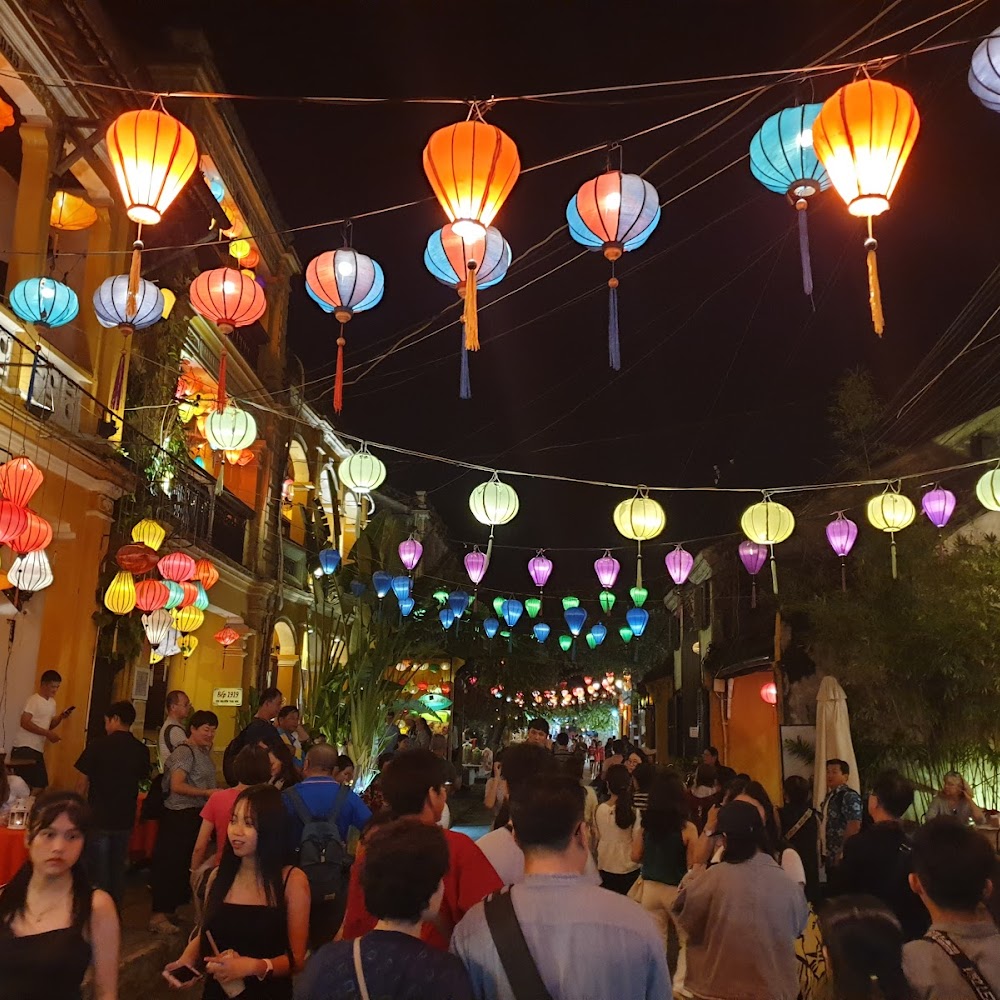
excellent walkabilityLanterns cast a warm golden glow over weathered wooden shophouses while the Thu Bon River laps gently nearby, creating an almost movie-set atmosphere that somehow still feels authentically lived-in. The narrow alleys echo with the soft pad of footsteps and distant conversations in multiple languages.
Known for: UNESCO World Heritage architecture, tailor shops, and lantern festivals
Local tip: Locals avoid the main tourist streets during peak hours and instead use the parallel back alleys - follow Tran Phu's back streets for the same destinations without crowds
Transit: Walking distance from most accommodations, taxi/motorbike from bus station
Best time: early morning
Not stroller-friendly
An Bang Beach
good walkabilitySalt air mingles with the aroma of grilling seafood as local fishermen's boats bob in the distance, while coconut palms provide natural shade over a beach that still feels undiscovered despite growing popularity. The pace here moves with the rhythm of gentle waves rather than tourist schedules.
Known for: Pristine sand, beachfront seafood, and laid-back atmosphere
Local tip: Vietnamese families come here for weekend picnics - rent a beach mat from vendors and order fresh seafood directly from the fishing boats for the best prices
Transit: 15-minute bicycle ride from Ancient Town, motorbike taxis available
Best time: afternoon
Hanoi Old Quarter
excellent walkabilityNarrow streets pulse with the organized chaos of street food vendors, while motorbikes navigate between tiny plastic stools where locals slurp pho and sip bia hoi. The air carries the complex aroma of herbs, charcoal fires, and urban energy that makes your senses come alive with every breath.
Known for: Street food paradise, night markets, and traditional crafts
Local tip: Follow the locals' dinner rhythm - start with street food around 6pm, then move to bia hoi corners by 8pm when the crowds thin out
Transit: Hoan Kiem Lake area, walkable to most attractions
Best time: evening
Not stroller-friendly
French Quarter
excellent walkabilityWide boulevards lined with mustard-yellow colonial buildings create a European elegance that feels like stepping into 1920s Indochine, while sidewalk cafes buzz with both local business meetings and expat conversations. The atmosphere here moves at a more measured pace than the frenetic Old Quarter.
Known for: Colonial architecture, upscale dining, and cultural institutions
Local tip: This is where Hanoi's professionals take their coffee breaks - join them at sidewalk cafes around 3pm for the best people watching and strongest coffee
Transit: Hoan Kiem Lake central, bus routes 8, 14, 36
Best time: afternoon
What to Eat inVietnam
Ho Chi Minh City
Eating etiquette
- •Don't stick chopsticks upright in rice bowl
- •Slurping soup is perfectly acceptable
- •Share dishes family-style when eating with others
- •Don't tip - round up the bill if anything
Breakfast
Start with pho or banh mi from 6am street stalls. Locals eat breakfast early and standing up. Coffee comes after, not with food - ca phe sua da is the standard order.
Lunch
Follow office workers to local com tam (broken rice) places between 11:30am-1pm for authentic, cheap meals. Look for places packed with locals in business attire.
Dinner
Dinner starts early around 6pm and happens on the street. No reservations needed - just find a plastic stool. Most street food vendors close by 9pm.
Dishes you can't miss
Third-generation family recipe with 24-hour bone broth that locals line up for daily
Pho Le on Le Thanh Ton Street · $3-4
Legendary pate and cold cuts combination that created the modern banh mi standard
Banh Mi Huynh Hoa · $1-2
Broken rice with grilled pork that represents true Saigon comfort food
Com Tam Ba Ghien · $4-5
Street food highlights
Hoi An
Eating etiquette
- •Don't eat cao lau outside Hoi An - it's made with local well water
- •Mix your own nuoc cham dipping sauce to taste
- •White rose dumplings should be eaten immediately while steaming hot
Breakfast
Start with cao lau or banh mi from 6am. Unlike other Vietnamese cities, Hoi An breakfast often includes the city's specialty dishes rather than just pho.
Lunch
Avoid Ancient Town restaurants during peak tourist hours. Head to local areas like Cam Chau for authentic meals at 1/3 the price.
Dinner
Night markets come alive after 6pm. Street food vendors set up along the river. Tourist restaurants close early, but local spots serve until 10pm.
Dishes you can't miss
Made with century-old well water and ash from nearby islands - impossible to replicate elsewhere
Thanh Restaurant on Bach Dang · $3-4
Only one family knows the traditional recipe and supplies the whole city
White Rose Restaurant · $2-3
Anthony Bourdain's favorite spot with French-Vietnamese fusion perfected over generations
Phuong Bread on Hoang Dieu · $1-2
Street food highlights
Hanoi
Eating etiquette
- •Finish your pho bowl completely - leaving broth shows waste
- •Bia hoi is meant to be consumed fresh - don't save it
- •Bun cha should be eaten by dipping noodles in the broth, not mixing
Breakfast
Pho bo dominates morning hours from 6-10am. Locals eat standing at sidewalk stalls. Xoi (sticky rice) is the quick grab-and-go alternative.
Lunch
Follow the lunch rush to bun cha places around noon. Look for charcoal grills and crowds of office workers. Most places sell out by 2pm.
Dinner
Dinner is social and happens on tiny stools on the sidewalk. Bia hoi corners fill up after 5pm. Food markets close early, street food peaks 6-8pm.
Dishes you can't miss
50-year-old recipe with no changes - what pho tasted like in old Hanoi
Pho Gia Truyen on Bat Dan · $2-3
Where Obama and Bourdain ate together, but the recipe hasn't changed for tourists
Bun Cha Huong Lien (Obama's spot) · $3-4
Original inventor's family still runs this hidden cafe where egg coffee was created in 1946
Giang Cafe on Nguyen Huu Huan · $2
Street food highlights
Getting Between Cities
How to book: Book online in advance or at airport. Check-in opens 2 hours early. Use airline apps for mobile boarding passes.
Platform: Tan Son Nhat domestic terminal is smaller - arrive 90 minutes early. Da Nang airport taxi counter has fixed rates posted.
Luggage: Domestic flights allow 20kg checked, 7kg carry-on. No liquids restrictions for domestic routes.
Pro tip: Right side for coastal views when landing in Da Nang
How to book: Book at least 3 days ahead for better prices. Vietnam Airlines and VietJet both serve this route multiple times daily.
Platform: Da Nang airport is 45 minutes from Hoi An - arrange hotel pickup. Noi Bai has airport bus #17 to city center.
Luggage: Domestic baggage allowance same as Ho Chi Minh route. Pack essentials in carry-on for quick access.
Pro tip: Left side for mountain views, right side for coastal scenery on takeoff
Daily Walking Distances
Packing List
November can have sudden tropical downpours in all three cities
Easy to slip off for temples and navigate wet streets during rain
Long days exploring and using maps/translation apps drain batteries fast
Street food and markets rarely accept cards, small bills prevent overcharging
Street food eating and general cleanliness when facilities aren't available
Temple visits require covered shoulders, also useful for dusty motorbike rides
Evening street food and Ha Long Bay overnight trip
Street food adjustment period for sensitive stomachs
High humidity and frequent washing in hotel sinks
Ha Long Bay boat trip and potential rain
Cu Chi Tunnels and extensive city walking on uneven surfaces
Daily essentials and market purchases, avoid looking too touristy
Intense tropical sun, especially at Ha Long Bay and An Bang Beach
Many street vendors speak limited English, shows respect for local culture
Skip These
Save your time and money — here's what to skip and what to do instead.
Overpriced elevator ride with mediocre views often obscured by smog and construction cranes
→ Instead:Chill Skybar for sunset drinks with better views and atmosphere, or EON Heli Bar for rooftop experience
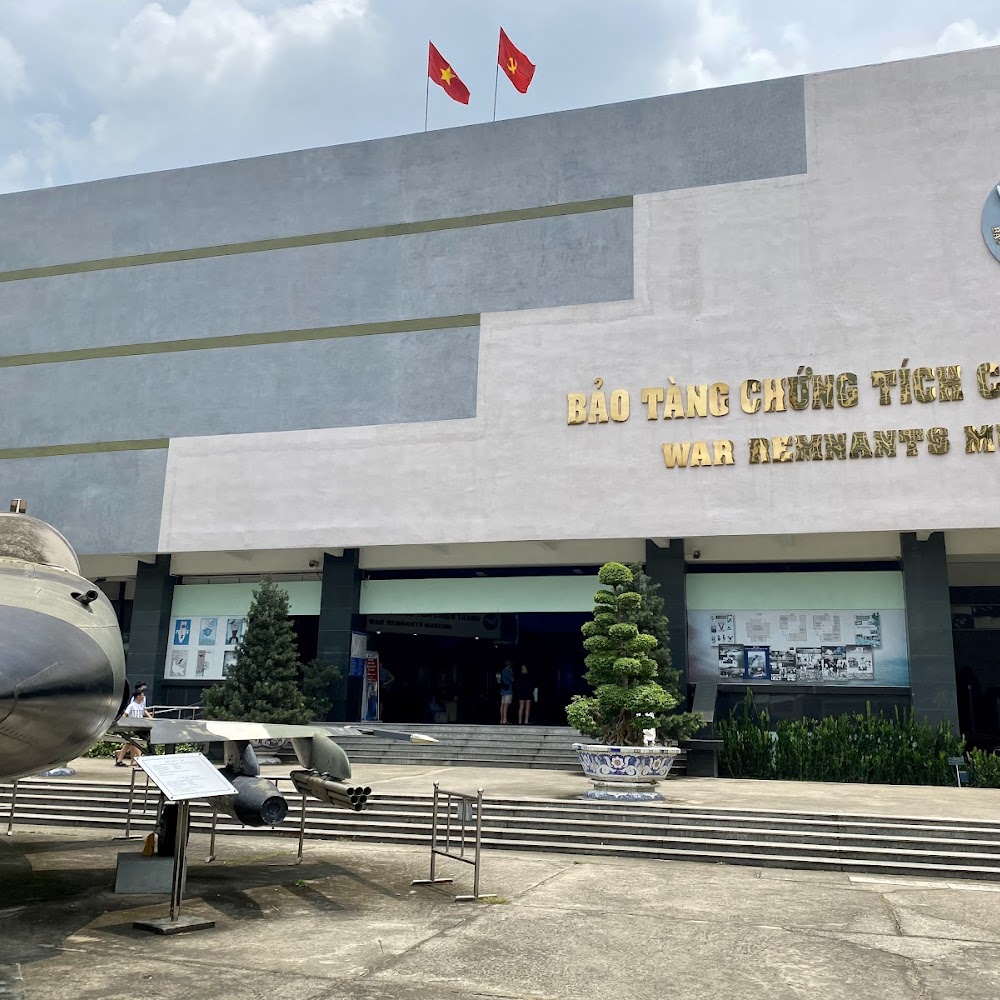
Heavy one-sided propaganda presentation that lacks historical context and can be emotionally overwhelming
→ Instead:Cu Chi Tunnels for hands-on war history experience and Vietnamese Reunification Palace for political history
Tiny bridge swarmed with selfie-taking tourists, impossible to appreciate peacefully and often under renovation
→ Instead:Walk the Thu Bon River promenade at sunset for better photo ops and peaceful atmosphere
Heavily commercialized tourist trap with inflated cafe prices and trains often cancelled or rerouted
→ Instead:Long Bien Bridge at sunset for authentic train experience and amazing Red River views without crowds
Underwhelming compared to other Vietnamese temples, often crowded with tour groups and lacks spiritual atmosphere
→ Instead:Bach Ma Temple in Old Quarter for authentic local worship experience or Ngoc Son Temple on Hoan Kiem Lake
Frequently Asked Questions
Is 10 days enough for Vietnam?
Yes, 10 days covers the highlights well. You can see Ho Chi Minh City, Hoi An, and Hanoi with day trips to Cu Chi Tunnels and Ha Long Bay. For deeper exploration or to include Sapa/Mekong Delta, consider 14 days.
How much does 10 days in Vietnam cost?
Budget travelers can manage on $40-60/day ($400-600 total), mid-range travelers need $80-120/day ($800-1200 total), while luxury travelers spend $200+/day. Street food and local transport keep costs low.
What is the best month to visit Vietnam?
March-April and November-December offer the best weather with minimal rain and comfortable temperatures 20-28°C. Avoid June-September monsoon season with heavy rains and high humidity.
Do I need a visa for Vietnam?
Most visitors need a visa. US citizens can get 30-day e-visas for $25 online. EU citizens get 45-day visa exemption. Check current requirements as policies change frequently. Apply 3-5 days before travel.
Is it safe to travel solo in Vietnam?
Vietnam is very safe for solo travelers, including solo women. Petty theft exists in tourist areas - watch belongings. Traffic is chaotic but predictable. Use Grab for reliable transport and stay in well-reviewed accommodations.
What should I pack for Vietnam?
Pack light cotton clothes, rain jacket, comfortable walking shoes, sunscreen, insect repellent, and conservative clothing for temples (covered shoulders/knees). Bring adapter for Type A/C outlets and cash in small bills.
Travel Tips forVietnam
Cash is King
Many places only accept cash, especially street food and local transport. ATMs are everywhere but notify your bank before travel. Keep small bills - vendors often can't change 500,000 VND notes.
Download Grab App
Grab works like Uber and shows upfront pricing - no haggling needed. Much safer and more reliable than flagging taxis. Also works for food delivery and motorbike taxis.
Follow the Crowds for Street Food
Busy street food stalls turn over ingredients quickly and are usually safest. Look for places full of locals. Avoid empty stalls or pre-cooked food sitting under heat lamps.
Dress Modestly at Temples
Cover shoulders and knees at religious sites. Many temples provide cover-ups at entrance. Remove shoes before entering temple buildings and speak quietly inside.
Cross Streets Confidently
Traffic looks chaotic but is predictable. Walk at steady pace - motorbikes will flow around you. Never stop suddenly or run. Eye contact with drivers helps them anticipate your movement.
Learn Basic Vietnamese Phrases
Xin chào (hello), cảm ơn (thank you), and xin lỗi (excuse me) go a long way. Younger people often speak some English, but older generations typically don't. Google Translate works offline.
Essential Info
Vietnamese Dong (VND) only. Credit cards accepted at hotels and upscale restaurants but cash needed everywhere else. ATMs everywhere but notify bank first. US dollars accepted at some tourist spots.
Tipping not expected but appreciated. Round up taxi fares. Tip tour guides 100,000-200,000 VND per day. Restaurant service charge sometimes included - check bill.
Buy Viettel or Mobifone SIM at airport for 200,000 VND with 30GB data. eSIM options: Airalo Vietnam plan for $4-8
More Options inVietnam
Places that didn't make the main itinerary but are worth knowing about.
More Activities
More Restaurants
Cafes & Coffee
Shopping
Bars & Nightlife
Explore Each City
Want to spend more time in a specific city? Check out our city-level deep-dive guides.
Related Itineraries
Ready to plan yourVietnam trip?
Get this 10-day itinerary in your Yopki trip planner — customize, collaborate, and export to PDF.