
Budget Vacations That Do Not Feel Budget
The internet is full of “cheap vacation” lists that suggest you sleep in your car and eat granola bars. That is not a vacation. That is a bad weekend.
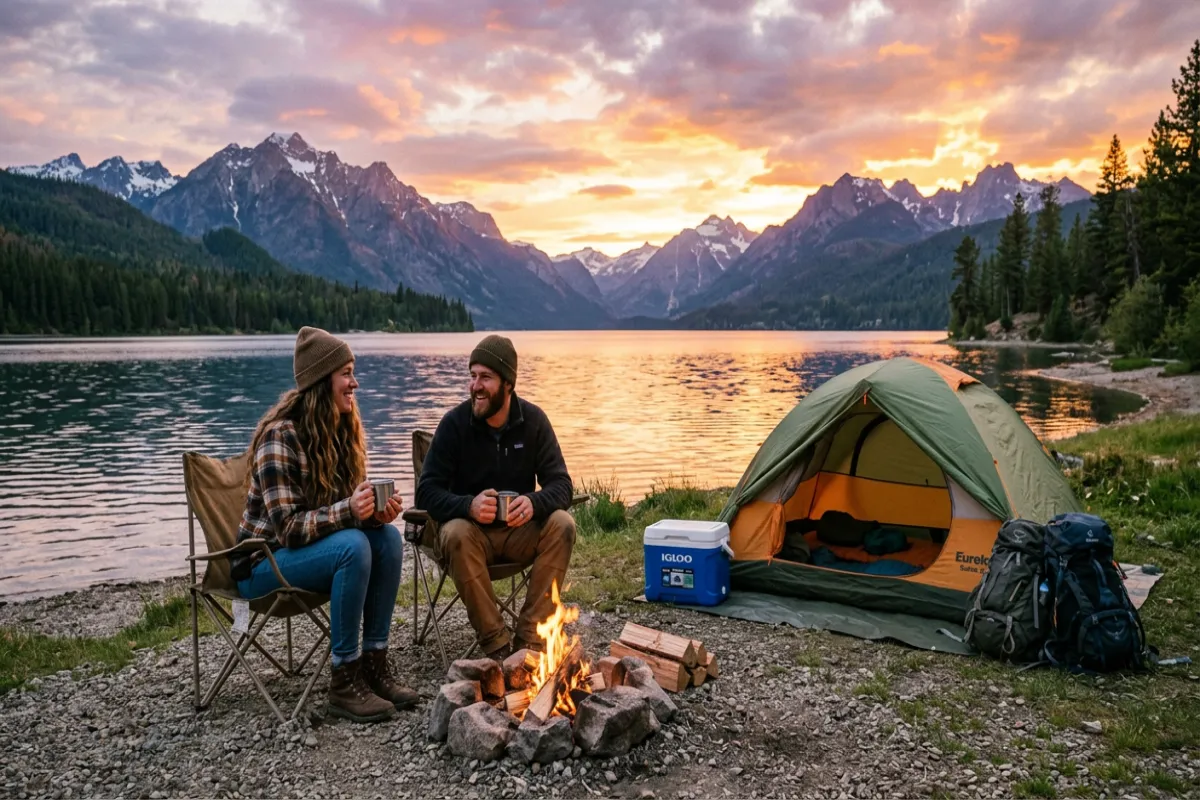
A good cheap vacation still has comfortable lodging, real meals, and experiences worth remembering. The trick is not suffering through a trip on the smallest possible budget. It is choosing destinations where your money goes further, visiting at the right time, and skipping the tourist traps that overcharge for mediocre experiences.
Every idea on this list costs under $1,000 per person for a 4-5 day trip. That includes transportation, lodging, food, and activities. Some come in well under $500. None of them will feel like you are cutting corners.
Domestic Road Trips (5 Ideas)
Road trips are the original budget vacation. No flights, no baggage fees, no airport parking. Split gas and lodging costs with a travel partner and the per-person price drops fast.
1. Great Smoky Mountains, Tennessee/North Carolina
Estimated cost: $300-500 per person (4 days)
The most visited national park in the US, and one of the few with no entrance fee. That alone saves you $35 compared to most national parks.
- Lodging: Cabins in Gatlinburg or Pigeon Forge start at $80-120 per night and sleep 4-6 people. Split between a group, that is $20-30 per person per night.
- Activities: Hiking (free), Cades Cove scenic loop (free), waterfalls (free), Dollywood ($85 per day, worth it once), and charming small towns to explore.
- Food: The Pancake Pantry for breakfast, local BBQ joints for $10-15 lunches, and cabin cookouts for dinner.
- Best time: October for fall foliage, June for wildflowers. Avoid July and holiday weekends when traffic through Gatlinburg is bumper-to-bumper.
Why it works: Free park entry, affordable cabins, and enough hiking to fill a week. The Smokies are within a day’s drive of most of the eastern US.
2. Pacific Coast Highway, California
Estimated cost: $600-900 per person (5 days)
Drive from San Francisco to Los Angeles (or the reverse) along one of the most scenic highways in the world. Big Sur, Monterey, Hearst Castle, Santa Barbara, and dozens of beach towns along the way.
- Lodging: Mix budget hotels ($90-130) with one night of camping at a state beach ($25-50). Hostels in Santa Barbara and Monterey run $40-60 per bed.
- Activities: Beach walks (free), Bixby Bridge viewpoints (free), Monterey Bay Aquarium ($55), Hearst Castle tour ($25-40), and wine tasting in Paso Robles ($15-25 per winery).
- Food: Fish tacos at every stop for $8-12. Clam chowder at Fisherman’s Wharf. Picnic lunches from grocery stores.
- Best time: September-October for warm weather and smaller crowds. Summer is busier and foggier along parts of the coast.
Why it works: The drive itself is the attraction. You do not need to pay for expensive experiences when every pullout has a view worth stopping for.
3. Texas Hill Country Loop
Estimated cost: $350-600 per person (4 days)
Start in Austin or San Antonio and loop through Fredericksburg, Wimberley, and the Hill Country wine region. This is one of the most underrated road trip routes in the US.
- Lodging: Vacation rentals and guesthouses in Fredericksburg run $100-150 per night. Budget motels along the route are $70-90.
- Activities: Enchanted Rock State Natural Area ($8 entry), Hamilton Pool Preserve (free with reservation), wineries along US-290 ($10-15 tastings), tubing the Guadalupe River ($20-30), and San Antonio’s River Walk (free to walk).
- Food: BBQ is the main event. Franklin Barbecue in Austin (expect a line), or less-famous spots in Lockhart (the BBQ capital of Texas) with no wait and prices under $15 per plate.
- Best time: March-April for wildflower season (bluebonnets everywhere) or October-November for pleasant temperatures.
Why it works: Texas is affordable, the food scene is incredible, and the Hill Country is gorgeous without the national park crowds.
4. New England Fall Foliage Drive
Estimated cost: $500-800 per person (4 days)
Drive through Vermont, New Hampshire, and Maine during peak foliage season. Covered bridges, white steepled churches, and every shade of red, orange, and gold you can imagine.
- Lodging: B&Bs and inns run $120-180 per night during foliage season. Book early, since October in Vermont sells out.
- Activities: Scenic drives (free), Ben and Jerry’s factory tour ($6), cider mill visits ($5-10 for tastings), hiking (free), and covered bridge hunting (free).
- Food: Apple cider donuts at every roadside stand, lobster rolls in coastal Maine ($15-20), farm-to-table dinners in small towns.
- Best time: Last week of September through mid-October. Track foliage reports starting in September to time your visit.
Why it works: The scenery is world-class and it is mostly free. Your biggest expense is lodging, and even that stays reasonable if you avoid luxury inns.
5. Utah’s Mighty 5 National Parks
Estimated cost: $500-800 per person (5-6 days)
Arches, Canyonlands, Capitol Reef, Bryce Canyon, and Zion. Five national parks in one state, all connected by scenic highways.
- Lodging: Camp inside the parks ($20-30 per site) or stay in gateway towns like Moab ($80-130 per night). The $80 America the Beautiful pass covers all park entries for a year.
- Activities: Hiking in every park (free with park entry), the Delicate Arch trail in Arches, Angels Landing in Zion, the Navajo Loop in Bryce, and stargazing at Capitol Reef (one of the darkest skies in the US).
- Food: Pack coolers with groceries and cook at campsites. Moab has good restaurants for $12-20 per meal.
- Best time: April-May or September-October. Summer temperatures in southern Utah exceed 100 degrees and the parks are packed.
Why it works: The landscapes are unlike anything else in the US. Camping keeps costs low, and the parks are close enough together to hit all five in under a week.
Need help organizing a multi-stop road trip? Yopki’s AI planner can build a day-by-day itinerary with drive times between stops.
Off-Season Destinations (5 Ideas)
The cheapest way to visit popular places is to go when everyone else is not there. Off-season travel means lower prices, fewer crowds, and often better weather than you would expect.
6. New Orleans in Summer (June-August)
Estimated cost: $400-700 per person (4 days)
New Orleans in summer is hot and humid. It is also 30-50% cheaper than Mardi Gras season, and the food, music, and culture are exactly the same year-round.
- Lodging: French Quarter hotels that cost $250+ during Mardi Gras drop to $100-150 in summer. Boutique hotels in the Marigny or Bywater are even less.
- Activities: Live jazz on Frenchmen Street (free), French Quarter walking (free), Garden District stroll (free), WWII Museum ($32), and swamp tours ($30-50).
- Food: Po’boys ($8-12), beignets at Cafe Du Monde ($4), gumbo, jambalaya, and crawfish at neighborhood restaurants for $12-18 per entree.
- Best time: June or early July. August is the hottest month and hurricane season picks up.
7. Outer Banks, North Carolina in September
Estimated cost: $400-600 per person (4 days)
After Labor Day, the Outer Banks empties out but the ocean is still warm. Rental houses that cost $3,000 per week in July drop to $1,000-1,500 in September.
- Lodging: Beach house rentals split 4-6 ways come to $40-60 per person per night. Many include full kitchens.
- Activities: Beach time (free), Wright Brothers Memorial ($10), Jockey’s Ridge sand dunes (free), kayaking in the sound ($30-40), and wild horse tours in Corolla ($50).
- Food: Seafood markets sell fresh catch for cooking at the house. Restaurant meals run $12-20.
- Best time: September through mid-October. Water temperature stays in the low-to-mid 70s through September.
8. San Diego in Winter (January-February)
Estimated cost: $500-800 per person (4 days)
San Diego’s “winter” means highs of 65 degrees and sunshine. Hotel rates drop 20-30% from summer peaks, and crowds thin out at major attractions.
- Lodging: Hotels in the Gaslamp or Mission Beach run $120-180 in winter, versus $200-300 in summer.
- Activities: Balboa Park museums ($15-20 each, or free on rotating Tuesdays), La Jolla Cove (free), Sunset Cliffs (free), USS Midway Museum ($26), and whale watching tours ($40-60, peak season is January-March).
- Food: Fish tacos ($4-8), Mexican food across the border in Tijuana (a day trip by trolley), and craft breweries throughout the city ($5-8 per pint).
- Best time: January-February for whale watching season and the lowest hotel rates.
9. Savannah, Georgia in January
Estimated cost: $350-550 per person (3-4 days)
Savannah’s squares, Spanish moss, and historic architecture look the same in January as they do in April, but hotel rates are 30-40% lower and the humidity is gone.
- Lodging: Historic district B&Bs and hotels run $90-140 per night in winter. Summer rates for the same rooms are $160-250.
- Activities: Walking the 22 squares (free), Forsyth Park (free), Bonaventure Cemetery (free), Cathedral of St. John the Baptist (free), and a ghost tour ($15-25).
- Food: Southern comfort food at Mrs. Wilkes Dining Room ($30, family-style), shrimp and grits at local spots ($14-18), and Leopard’s Lounge for cocktails.
- Best time: January-February. Temperatures are mild (50s-60s) and the city is quiet.
10. Sedona, Arizona in March
Estimated cost: $500-750 per person (4 days)
March is shoulder season in Sedona, right before spring break drives prices up. The red rock scenery is at its most photogenic with clear skies and comfortable hiking temperatures.
- Lodging: Hotels and vacation rentals in the Village of Oak Creek (10 minutes from town) run $100-160 per night, compared to $200-350 for in-town resorts.
- Activities: Hiking Cathedral Rock, Devil’s Bridge, and Bell Rock (all free), scenic drives through Red Rock Country (free), Slide Rock State Park ($10 per vehicle), and a jeep tour ($80-100).
- Food: Lunch spots in Sedona run $12-18 per meal. The Tlaquepaque Arts and Shopping Village has several good restaurants.
- Best time: March for perfect hiking weather (60s-70s) and pre-spring-break pricing.
Outdoor and Camping Adventures (5 Ideas)
If you are willing to camp, your lodging cost drops to nearly zero. These destinations are built around the outdoors and deliver experiences that luxury resorts cannot match.
11. Olympic National Park, Washington
Estimated cost: $300-500 per person (4 days)
Three ecosystems in one park: rainforest, mountains, and Pacific coastline. Olympic is one of the most diverse national parks in the system.
- Lodging: Campsites in the park run $15-25 per night. Kalaloch Campground overlooks the ocean. Sol Duc has hot springs nearby.
- Activities: Hoh Rainforest walk (otherworldly moss-covered trees), Hurricane Ridge viewpoints, Rialto Beach tide pools, Sol Duc Hot Springs ($15 entry), and the Marymere Falls trail.
- Food: Pack in groceries and cook at camp. The town of Port Angeles has restaurants for $10-15 per meal.
- Best time: July-September for the driest weather. The rest of the year is rainy (this is the Pacific Northwest).
12. Boundary Waters Canoe Area, Minnesota
Estimated cost: $250-450 per person (4-5 days)
Over a million acres of pristine lakes and forests along the Canadian border. No motors, no roads, no cell service. Just you, a canoe, and one of the quietest places in the lower 48 states.
- Lodging: Backcountry campsites are free with a permit ($16 per person for the trip). Entry permits are required May through September.
- Activities: Canoeing between lakes (the point of the trip), fishing (walleye, bass, northern pike), stargazing (no light pollution), and wildlife spotting (loons, moose, bald eagles).
- Gear: Outfitters in Ely, MN rent full canoe packages (canoe, paddles, tent, cooking gear, food packs) for $60-80 per person per day.
- Best time: July-August for warmest water and best fishing. June has fewer mosquitoes than you might expect.
13. Big Bend National Park, Texas
Estimated cost: $300-500 per person (4 days)
Big Bend is one of the least visited major national parks, which means solitude that parks like Yellowstone and Zion lost decades ago. It sits on the Rio Grande at the Mexican border, with dramatic desert canyons and mountain trails.
- Lodging: Campsites run $16-20 per night. The Chisos Mountain Lodge inside the park has rooms for $130-170 (book months ahead, since it is the only lodging in the park).
- Activities: Santa Elena Canyon hike (one of the best short hikes in any national park), the Window Trail (sunset views), hot springs on the Rio Grande (free), and stargazing (Big Bend has the darkest skies of any national park in the lower 48).
- Food: The park has one restaurant. Bring groceries and a cooler.
- Best time: November-March. Summer temperatures in the desert exceed 110 degrees.
14. Acadia National Park, Maine
Estimated cost: $400-650 per person (4 days)
Rocky Atlantic coastline, Cadillac Mountain (the first place to see sunrise in the US from October to March), and the charming town of Bar Harbor right at the park entrance.
- Lodging: Blackwoods Campground in the park runs $30 per night. Budget motels in Bar Harbor are $90-140 outside peak summer.
- Activities: Cadillac Mountain sunrise (free), Jordan Pond trail (free), carriage roads for biking ($25-35 bike rental), whale watching from Bar Harbor ($60), and Acadia’s Park Loop Road (free with park entry).
- Food: Lobster rolls at roadside shacks ($16-22), popovers at Jordan Pond House ($5), and blueberry pancakes at local diners.
- Best time: September-October for foliage and fewer crowds than summer. June is also excellent.
15. Michigan’s Upper Peninsula
Estimated cost: $350-550 per person (4-5 days)
The UP is one of the best-kept secrets in American travel. Waterfalls, Great Lakes beaches that look like the Caribbean (seriously), and almost no crowds.
- Lodging: State park campsites are $18-33 per night. Cabins and motels in Munising or Marquette run $80-120.
- Activities: Pictured Rocks boat tour ($45) or kayak tour ($65), Tahquamenon Falls (free with state park pass), beach time at Miners Beach or Lake Superior shoreline (free), Mackinac Island day trip ($27 ferry), and chasing waterfalls (the UP has over 300).
- Food: Pasties (the UP’s signature meat pie) for $8-12, whitefish dinners for $15-20, and craft beer in Marquette.
- Best time: July-August for the warmest weather and swimmable lake temperatures.
For help picking the best time to visit any US destination, our guide on the best time to travel in the USA breaks it down by region and season.
International Budget Picks (5 Ideas)
International travel on a budget is absolutely possible. The key is choosing destinations where the exchange rate works in your favor and avoiding peak tourist season.
16. Mexico City, Mexico
Estimated cost: $500-800 per person (5 days, including flights)
One of the world’s great cities, with food, art, history, and architecture that rivals Paris or Tokyo. And everything costs a fraction of what you would pay in a US city.
- Flights: $150-300 round trip from most US cities. Mexico City is one of the cheapest international flights from the US.
- Lodging: Boutique hotels in Roma or Condesa neighborhoods run $50-90 per night. Airbnbs are $30-60.
- Activities: The National Museum of Anthropology ($5), Frida Kahlo Museum ($14), Chapultepec Castle ($5), Teotihuacan pyramids day trip ($5 entry plus $20-30 transport), and lucha libre wrestling ($10-15).
- Food: Street tacos for $0.50-1 each. Sit-down restaurants in trendy neighborhoods serve excellent meals for $8-15. A food tour costs $30-50.
- Best time: October-May for dry weather. November-December for Day of the Dead celebrations.
17. Puerto Rico
Estimated cost: $600-900 per person (5 days, including flights)
No passport needed. No currency exchange. No international phone plan. Puerto Rico gives you a Caribbean vacation with none of the logistical headaches of international travel.
- Flights: $150-250 round trip from East Coast cities. $250-350 from the Midwest and West Coast.
- Lodging: Guesthouses in Old San Juan or Rincon run $70-120 per night. Paradores (locally owned inns) across the island are $60-100.
- Activities: Old San Juan historic walk (free), El Yunque National Forest ($2 reservation), bioluminescent bay kayak tour ($55-65), Flamenco Beach on Culebra (free, ferry $4.50 round trip), and surfing in Rincon ($50-70 lesson).
- Food: Mofongo for $8-12, empanadillas from roadside stands for $1-2, and fresh seafood at local “chinchorros” (casual open-air eateries) for $10-15.
- Best time: December-April for dry season. September-November is cheapest but carries hurricane risk.
18. Guatemala
Estimated cost: $500-800 per person (6-7 days, including flights)
Guatemala is one of the most affordable countries in Central America, with Mayan ruins, volcanic lakes, colonial cities, and incredible food.
- Flights: $200-350 round trip from Houston, Miami, or LAX.
- Lodging: Hotels in Antigua run $30-70 per night. Lake Atitlan guesthouses are $20-50. Budget hostels are $8-15.
- Activities: Tikal ruins ($22 entry), Lake Atitlan boat tours ($3-5 per ride between towns), Antigua walking tours ($10-15), volcano hikes ($30-50 guided), and Chichicastenango market (free to browse).
- Food: Local meals for $3-5. Restaurant meals in Antigua for $6-12. Street food is excellent and safe at busy stalls.
- Best time: November-April (dry season). June-October is rainy but cheaper.
19. Portugal in Shoulder Season (March-April or October-November)
Estimated cost: $700-1,000 per person (5 days, including flights)
Portugal is Western Europe’s budget champion. Lisbon and Porto offer world-class food, history, and nightlife at prices that would be unthinkable in Paris, London, or Rome.
- Flights: $300-500 round trip during shoulder season, especially from East Coast hubs. Watch for TAP Air Portugal sales.
- Lodging: Hotels in Lisbon’s Alfama or Bairro Alto neighborhoods run $60-100 per night in shoulder season. Porto is even cheaper.
- Activities: Tram 28 through Lisbon’s hills ($3.50), Belem Tower ($10), Jeronimos Monastery ($12), Porto wine cellars ($10-20 per tasting), and Sintra palace day trip ($15 entry).
- Food: Pastel de nata (custard tart) for $1, grilled sardines with potatoes for $8-12, and a full seafood dinner with wine for $20-30 per person.
- Best time: March-April or October-November for mild weather, lower prices, and fewer crowds than summer.
20. Colombia
Estimated cost: $600-900 per person (6 days, including flights)
Colombia has transformed over the past decade into one of South America’s best travel destinations. Cartagena’s colonial old town, Medellin’s mountain setting, and Caribbean beaches offer incredible variety.
- Flights: $200-400 round trip from Miami, Fort Lauderdale, or Houston. JetBlue and Spirit run frequent sales.
- Lodging: Hotels in Cartagena’s old town run $40-80 per night. Medellin’s El Poblado neighborhood has boutique hotels for $35-70. Hostels throughout the country are $10-20.
- Activities: Walking Cartagena’s walled city (free), Guatape day trip from Medellin ($15-20), Rosario Islands boat trip ($30-40), Comuna 13 street art tour (free to walk, guided tours $10-15), and coffee farm tours in the Coffee Triangle ($20-30).
- Food: Arepa con queso from street vendors ($1-2), set lunch menus (almuerzo) at local restaurants for $3-5, and upscale dining in Cartagena for $15-25.
- Best time: December-March and July-August for dry season. Medellin’s “City of Eternal Spring” has pleasant weather year-round.
How to Keep Any Vacation Under $1,000
Regardless of where you go, these strategies keep costs under control without sacrificing the experience.
Transportation
- Set fare alerts for your destination and wait for a deal. A $150 drop in airfare pays for two dinners.
- Fly on Tuesdays or Wednesdays when possible. Or shift dates by a day or two to catch lower fares.
- Drive instead of fly for anything under 5-6 hours. Gas for a 300-mile drive costs $30-50 total.
- Use public transit at your destination instead of rental cars and taxis.
Lodging
- Split vacation rentals with friends. A $200 per night Airbnb split four ways is $50 per person.
- Stay outside the tourist center. A hotel 15 minutes from downtown is often 30-50% cheaper.
- Book refundable rates early, then re-book if prices drop.
- Consider camping for at least part of the trip. One or two nights in a campsite saves $100-200.
Food
- Eat your big meal at lunch. Many restaurants offer lunch specials that are 30-40% cheaper than dinner.
- Cook one meal a day if you have kitchen access.
- Eat where locals eat, not where tourists eat. The restaurants on the main square are always the most expensive and rarely the best.
- Carry a water bottle and snacks. This sounds minor, but $3 waters and $5 snacks add up fast over a week.
Activities
- Prioritize free and low-cost experiences. Hiking, beach time, city walking, markets, and parks cost nothing and are often the highlight of any trip.
- Limit paid activities to 1-2 per day. You do not need a tour for everything. Self-guided exploration is free and often more memorable.
- Look for city passes if you plan to visit multiple museums or attractions. CityPASS and similar programs save 20-40% on bundled admissions.
For more detailed money-saving strategies, check out our complete guide to saving money on travel. And when you are ready to plan, Yopki’s budget template helps you track spending before and during the trip.
Frequently Asked Questions
What is the cheapest vacation you can take?
The cheapest vacations are camping road trips to nearby state or national parks. Your main costs are gas, food, and a campsite fee of $15-35 per night. A 4-day camping trip with shared transportation can cost under $200 per person. If camping is not your thing, off-season visits to beach towns or mid-size cities are the next cheapest option, typically running $300-500 per person for a long weekend including a budget hotel, meals, and activities.
Where can I go on vacation for $500?
For $500 per person, you have solid options. Domestic picks include a road trip to the Smoky Mountains, a long weekend in New Orleans (summer rates), the Outer Banks after Labor Day, or camping in Utah’s national parks. With budget flights on sale, $500 can also stretch to cover Puerto Rico or even Mexico City for 3-4 days including airfare, since both destinations have low food and lodging costs once you arrive.
What are the cheapest US destinations?
The most affordable US vacation destinations include San Antonio, New Orleans (summer), Savannah (winter), the Outer Banks (September), the Smoky Mountains, Tucson, Gulf Shores, and most national parks. These destinations share common traits: hotel rates under $150 per night, affordable local food ($10-18 per meal), and plenty of free or low-cost attractions. National parks are especially budget-friendly when you camp, since the entry fee is $35 or less and campsites run $15-35 per night.
Is international travel affordable on a budget?
Yes, especially to destinations where the exchange rate favors the US dollar. Mexico City, Guatemala, Colombia, and Southeast Asia offer comfortable travel for $50-80 per person per day including lodging, food, and activities. Portugal is the best budget option in Western Europe. The biggest variable is airfare, but setting fare alerts and booking during sales can cut international flight costs to $200-400 round trip from major US hubs.
How do I save money on vacation without missing out?
Focus on three areas: timing, lodging, and food. Visit destinations in shoulder or off-season when prices drop 20-40%. Split vacation rental costs with travel partners. Eat your biggest meal at lunch when restaurants offer specials, and cook one meal a day if you have kitchen access. Skip overpriced tourist-trap restaurants and ask locals where they eat. Prioritize free experiences like hiking, beaches, walking tours, and markets over paid tours and attractions. The best travel memories rarely cost the most money.