

10 Day Ireland Itinerary
From Dublin's historic pubs to Galway's traditional music sessions, this 10-day Ireland adventure combines must-see sights with authentic local experiences. Perfect for groups wanting to experience the Emerald Isle's culture, dramatic landscapes, and legendary hospitality.
Day-by-Day Itinerary
Route Map
Budget Breakdown
Estimated cost per person for 10 days. Includes accommodation, all meals, local transport, activities, and miscellaneous expenses. Does not include international flights or travel insurance.
| Category | Daily | Total |
|---|---|---|
| accommodation | $130 | $1300 |
| food | $55 | $550 |
| transport | $25 | $250 |
| activities | $18 | $180 |
| misc | $12 | $120 |
| Total | $240 | $2400 |
* Budget tier: mid-range. Prices in USD per person.
Money-saving tips:
- Rental cars are cheaper than tour buses for groups and offer flexibility
- Many museums in Dublin are free - National Gallery, Chester Beatty Library
- Pub lunches cost half the price of dinner at the same establishments
- Glendalough and many scenic drives have free access with only parking fees
- Traditional music sessions are free entertainment - just buy a pint
When to Go
Mild weather, longer days, fewer crowds than peak summer
Short daylight hours, frequent rain, many attractions have reduced hours
Neighborhood Guide
Get oriented before you arrive — what each area feels like and how to get around.
Temple Bar District
excellent walkabilityCobblestone streets buzz with live traditional music spilling from every doorway, while tourists and locals weave through narrow lanes lined with colorful Victorian buildings. The energy is infectious but can feel like a stage set during peak hours.
Known for: Traditional Irish pubs and live music venues
Local tip: Hit the pubs before 6pm for cheaper drinks and better craic with actual Dubliners before the tourist crowds arrive
Transit: Tara Street DART station, 3-minute walk
Best time: afternoon
Not stroller-friendly
Phoenix Park Area
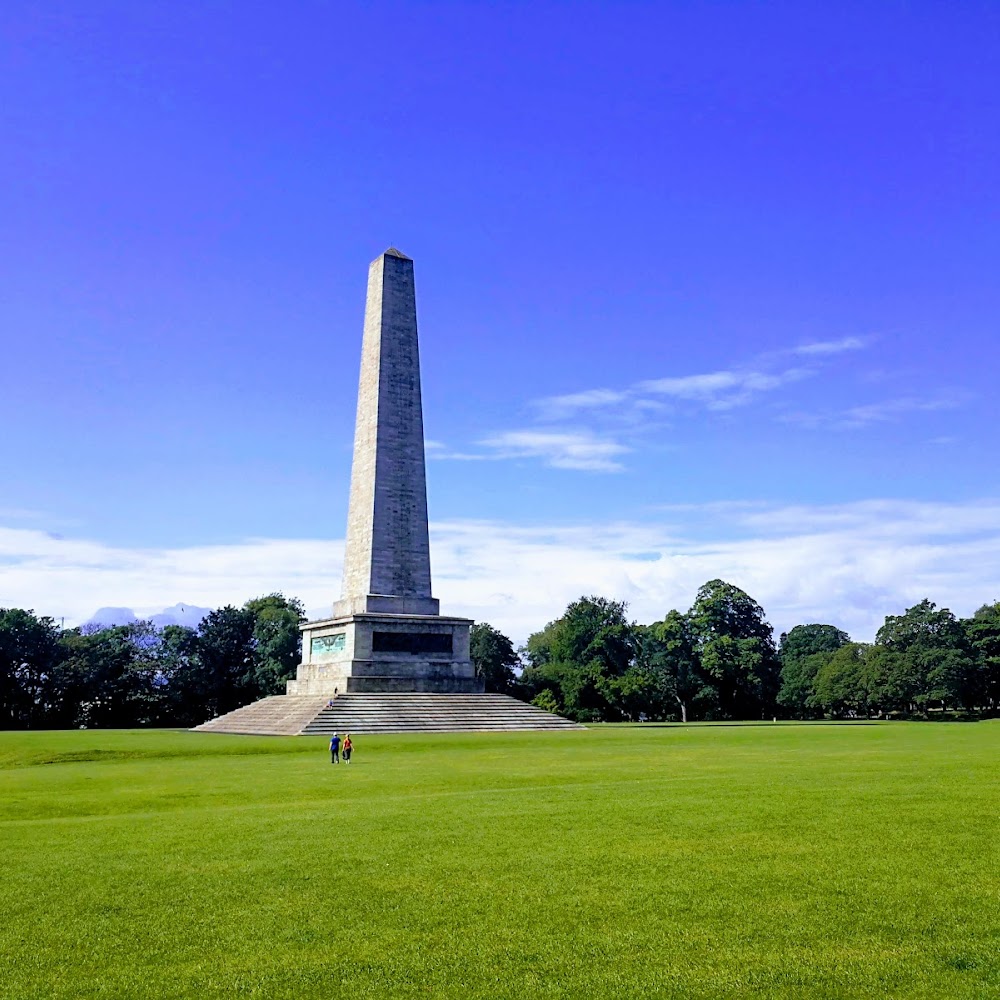
excellent walkabilityEurope's largest enclosed park feels like stepping into the Irish countryside without leaving the city. Morning joggers share paths with grazing deer while families picnic under ancient oak trees.
Known for: Wild deer herds and Guinness Storehouse proximity
Local tip: Bring carrots for the deer - they're friendly but don't chase them for photos
Transit: Heuston Station, 8-minute walk to main gate
Best time: morning
Galway City Centre
excellent walkabilityMedieval streets pulse with spontaneous street performances and the salty Atlantic breeze. Colorful shop fronts and cozy pubs create an intimate village feel despite being a proper city.
Known for: Street musicians and traditional Irish culture
Local tip: Follow locals to Tig Coili for proper sean-nós singing sessions on Sunday afternoons
Transit: Galway Bus Station, city center is walkable
Best time: evening
Not stroller-friendly
Killarney Town
excellent walkabilityTour buses and jaunting cars create organized chaos while mountains loom dramatically overhead. It's touristy but genuinely charming, like a postcard come to life.
Known for: Gateway to Ring of Kerry and Killarney National Park
Local tip: Skip the expensive jaunting cars and rent bikes from O'Sullivan's - locals cycle everywhere
Transit: Killarney Train Station, 10-minute walk to center
Best time: morning
Dingle Town
excellent walkabilityBrightly painted houses huddle around a working fishing harbor where Gaelic flows as freely as English. Salt air mixes with turf smoke while fishing boats bob alongside pleasure craft.
Known for: Gaeltacht culture and Fungie the dolphin
Local tip: Chat with fishermen at the harbor around 4pm when boats return - they'll tell you the real Dingle stories
Transit: Bus Éireann from Tralee, 1.5 hours
Best time: afternoon
What to Eat inIreland
Dublin
Eating etiquette
- •Tipping 10-12% is standard for good service
- •Saying 'How's the form?' to staff shows you know Dublin
- •Don't ask for Irish coffee after dinner - it's a tourist trap
Breakfast
Full Irish breakfast is weekend fuel - weekdays grab a butty (sandwich) and tea from corner shops
Lunch
Hit early bird menus at nice restaurants (12-2pm) for dinner quality at lunch prices
Dinner
Dinner starts around 6-7pm, book ahead for weekends, pubs serve food until 9pm typically
Dishes you can't miss
Dublin's signature comfort food - sausage and bacon stew that locals actually eat
Brazen Head pub · €14-16
Best blood sausage in the city with proper potato bread
Queen of Tarts · €12-15
Street food highlights
Galway
Eating etiquette
- •'How's she cuttin'?' is proper Galway greeting
- •Seafood is ordered by weight - ask current prices
- •Pints come with conversation - don't rush
Breakfast
Galway Bay prawns and brown bread at harbor cafes around 9am
Lunch
Follow fishermen to Moran's Oyster Cottage for lunch - 20 minutes out but worth it
Dinner
Book seafood restaurants day-of, traditional music starts around 9pm in pubs
Dishes you can't miss
Harvested meters away - doesn't get fresher
Moran's Oyster Cottage · €2 each
Family recipe using Claddagh fishing fleet catch
McDonagh's · €8-10
Street food highlights
Killarney
Eating etiquette
- •Tourist menus vs local menus - ask what locals order
- •Kerry lamb is regional pride - try it
- •Don't mention Cork - Kerry food rivalry is real
Breakfast
Hearty breakfasts before Ring of Kerry drives - fuel up proper
Lunch
Pack picnic supplies from SuperValu for Ring of Kerry stops
Dinner
Early dinners before traditional music sessions start at 9pm
Dishes you can't miss
Mountain-grazed lamb that tastes like the landscape
Bricin Restaurant · €24-28
Potato pancake done the Kerry way with local butter
Murphy's Pub · €12-15
Street food highlights
Dingle
Eating etiquette
- •Some menus in Irish - don't be shy to ask
- •Fish of the day depends on weather - trust the recommendation
- •Slàinte before drinking - it's expected
Breakfast
Fishing harbor breakfast watching boats return around 8am
Lunch
Whatever came off boats that morning - ask what's freshest
Dinner
Book ahead always - only a few restaurants for the whole peninsula
Dishes you can't miss
Caught this morning in the bay you're looking at
Out of the Blue · €16-20
Island sheep taste of Atlantic salt air
Doyle's Seafood Bar · €22-26
Street food highlights
Getting Between Cities
How to book: Online at buseireann.ie or at Dublin Busáras station counter - book seats online
Platform: Busáras Terminal, Platform 5-7 for Galway services
Luggage: Large bags go in hold underneath - keep valuables with you
Pro tip: Left side for countryside views after Athlone
How to book: Galway Bus Station ticket office or driver (exact change preferred)
Platform: Galway Bus Station, Bay 3 for Cork/Kerry services
Luggage: Limited space - pack light or book extra luggage online
Pro tip: Right side for Cliffs of Moher glimpses near Lahinch
How to book: Killarney Bus Station or pay driver
Platform: Departs from Killarney Outlet Centre bus stop
Luggage: Small bus - one large bag per person maximum
Pro tip: Right side for Connor Pass mountain views
How to book: Bus ticket from driver, train ticket at Tralee station or irishrail.ie
Platform: Tralee Station Platform 1 for Dublin trains
Luggage: Train has proper luggage storage above seats
Pro tip: Train: left side for Wicklow Mountains approaching Dublin
Daily Walking Distances
Packing List
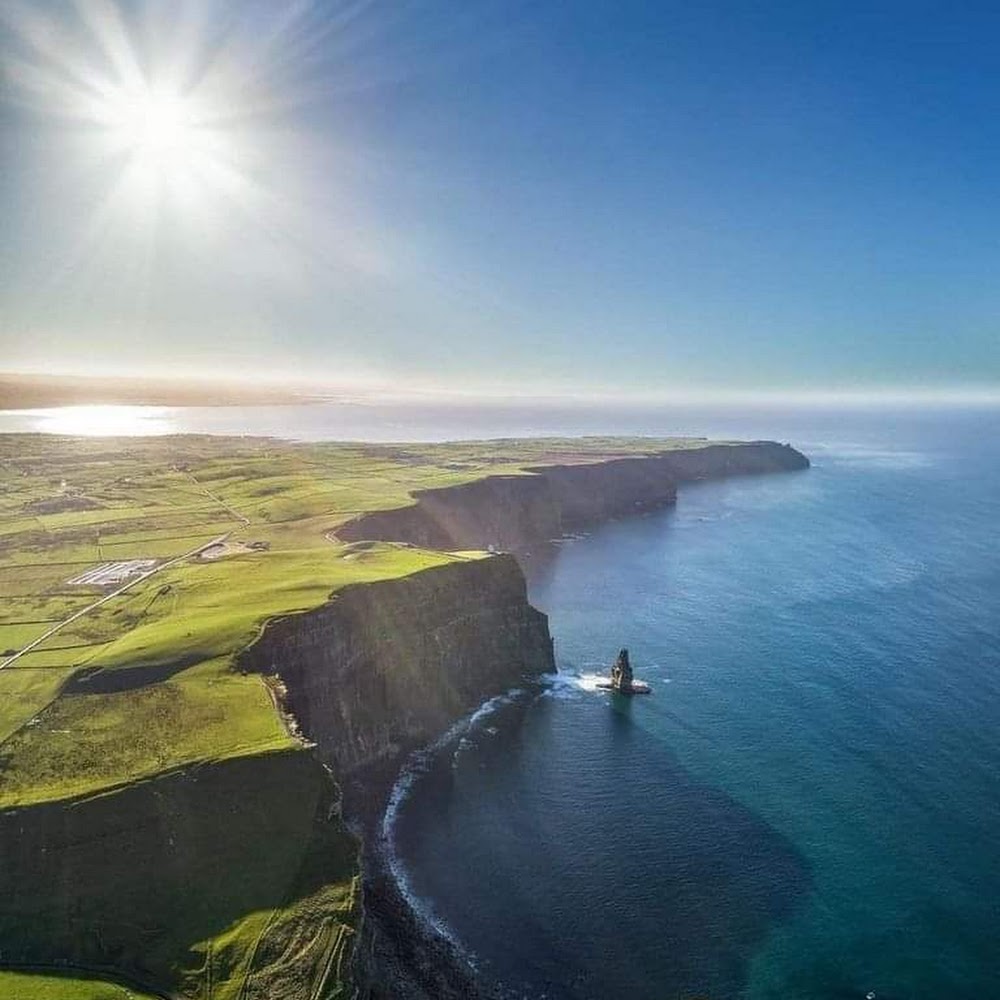
Irish weather changes every 10 minutes - essential for Cliffs of Moher and Ring of Kerry
Cobblestones in cities plus muddy countryside paths and cliff walks
You'll get caught in rain - jeans stay wet for days in Irish humidity
Even summer evenings are cold, especially on Atlantic coast
Ring of Kerry and Dingle Peninsula have limited facilities - carry water/snacks
GPS navigation crucial for Ring of Kerry - rural areas have limited charging
Many pubs and B&Bs still cash-only, bus drivers prefer exact change
Sideways rain defeats most hoods - compact umbrella for cities
Surprising amount of bright days, plus essential for scenic drives
March can be properly cold, especially on boats to Blasket Islands
Atlantic winds are brutal - essential for Cliffs of Moher and coastal walks
Hotel rooms small - keep wet gear separate from clean clothes
Useful for outdoor activities and cold pub gardens
Once-in-lifetime scenery but cold drains batteries fast
Blasket Islands ferry and Cliffs of Moher boat trips can be rough
Skip These
Save your time and money — here's what to skip and what to do instead.
€25 for a pint you can get for €5 elsewhere - the view is nice but overpriced tourist trap
→ Instead:Gravity Bar at Guinness for view, then actual pint at Brazen Head (Ireland's oldest pub)
Books out weeks ahead and rushed groups of 40+ people - you'll see nothing properly
→ Instead:GPO Witness History exhibition - more intimate, better technology, easier to book
Fungie died in 2020 but tours still run hoping to see 'other dolphins' - expensive disappointment
→ Instead:Blasket Islands ferry - same boat trip but to actual destination with history and views
2+ hour detour from your itinerary for unhygienic tourist gimmick with coach loads
→ Instead:Ross Castle in Killarney - actual medieval castle on lake with boat trips
Triple London prices for mediocre food and watered drinks in pure tourist bubble
→ Instead:Cross river to vintage pubs in Stoneybatter - where actual Dubliners drink
Frequently Asked Questions
Is 10 days enough for Ireland?
Yes, 10 days allows you to see the main highlights including Dublin, the Ring of Kerry, Cliffs of Moher, and Dingle Peninsula. You'll get a good taste of Irish culture, landscapes, and history without feeling too rushed.
How much does 10 days in Ireland cost?
Budget around $2,400 per person for mid-range travel including accommodation, rental car, food, and activities. Budget travelers can do it for $1,800, while luxury travelers might spend $4,000+. Rental cars are essential and cost $300-500 for 10 days.
What is the best month to visit Ireland?
May, June, and September offer the best combination of mild weather, long daylight hours, and fewer crowds. July-August are warmest but most crowded and expensive. Avoid January-February due to short days and frequent rain.
Do I need a visa for Ireland?
US, Canadian, Australian, and EU citizens need only a valid passport for stays up to 90 days. UK citizens can visit freely. Check current requirements as Brexit has changed some rules for extended stays.
Should I rent a car in Ireland?
Yes, absolutely. Ireland's best scenery (Ring of Kerry, Dingle Peninsula, Cliffs of Moher) requires a car. Driving is on the left side with manual transmission standard. Book automatic in advance if needed.
What should I pack for Ireland?
Layers are essential - waterproof jacket, warm sweater, and comfortable walking shoes. Weather changes quickly. Bring an umbrella and clothes for both rain and sunshine in the same day.
Travel Tips forIreland
Rent a car for maximum flexibility
Public transport is limited outside cities. Rental cars let you explore at your own pace and reach scenic spots like Ring of Kerry and Dingle Peninsula that buses can't access easily.
Bring a rain jacket, not an umbrella
Irish weather changes quickly and wind is common. A good waterproof jacket works better than umbrellas which blow inside out. Layers are key as temperatures can vary 10°C in one day.
Pub culture is central to Irish social life
Pubs are community centers, not just drinking spots. Traditional music sessions (usually 9pm onwards) are the best cultural experience. Buy a pint and listen - don't request songs.
Try traditional Irish breakfast and fresh seafood
Black pudding, white pudding, and soda bread are authentic Irish experiences. Coastal areas have excellent fresh seafood - particularly good in Dingle and Galway.
Book accommodations ahead in summer
Ireland is small with limited hotel rooms. Summer (June-August) and weekends require advance booking. Smaller towns like Dingle have very few options.
Essential Info
Euro (€) - cards widely accepted but carry cash for small pubs and markets. ATMs everywhere with reasonable fees
10-15% at restaurants if service charge not included. Round up taxi fares. €1-2 per drink for bartenders. Not obligatory but appreciated
Three Ireland or Vodafone offer best coverage. eSIM options available through Airalo or local providers
More Options inIreland
Places that didn't make the main itinerary but are worth knowing about.
More Activities
More Restaurants
Bars & Nightlife
Shopping
Cafes & Coffee
Explore Each City
Want to spend more time in a specific city? Check out our city-level deep-dive guides.
Related Itineraries
Ready to plan yourIreland trip?
Get this 10-day itinerary in your Yopki trip planner — customize, collaborate, and export to PDF.