


3-Day Rome Itinerary: Ancient Wonders to Authentic Neighborhoods (2026)
Three days in Rome is enough to experience the ancient heart of the empire, explore atmospheric neighborhoods, and eat like a local. This guide takes you from the Colosseum to hidden piazzas, with everything organized by neighborhood for maximum efficiency.
Day-by-Day Itinerary
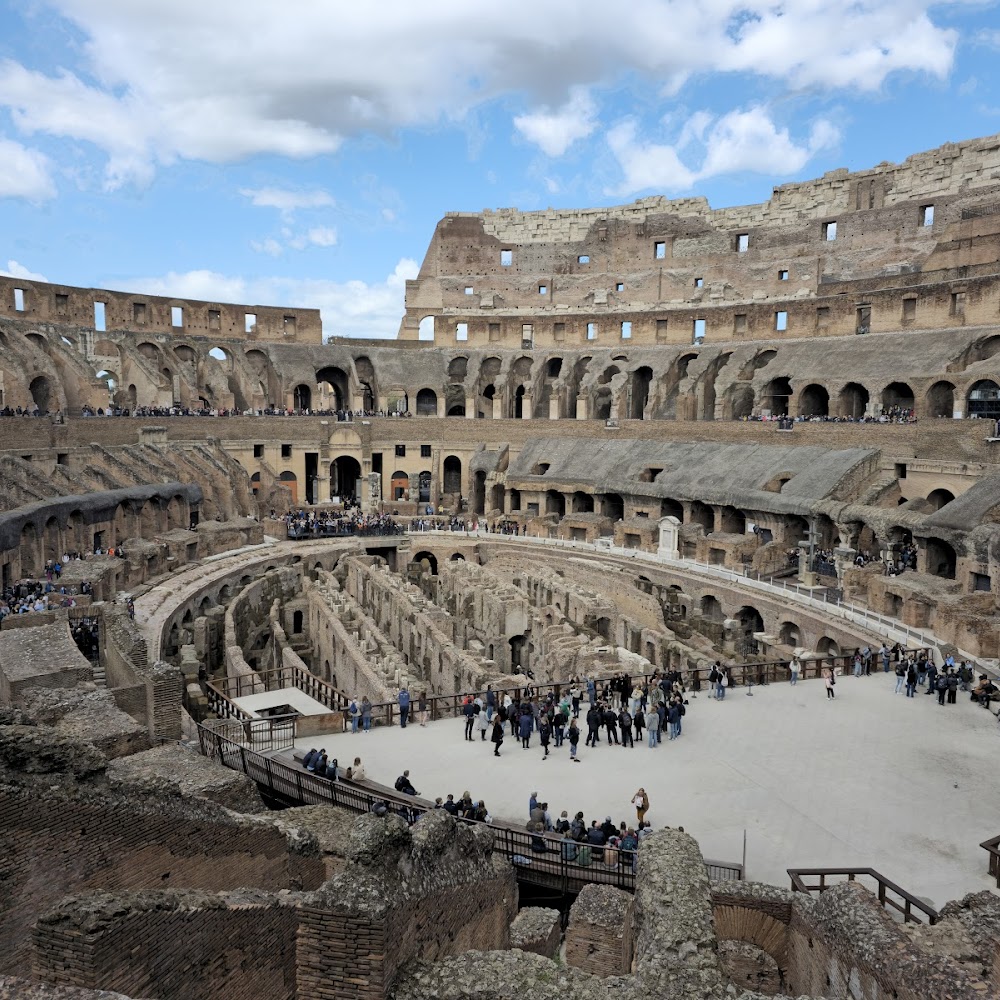
Start with Rome's most iconic symbol, then weave through the ancient forums where emperors once walked. End in the political heart of modern Rome, where the energy shifts from ancient stones to bustling piazzas and aperitivo culture.
Pro tip: Wear comfortable walking shoes with good grip — Roman cobblestones are slippery when wet.
Route Map
Budget Breakdown
Estimated cost per person for 3 days. Includes accommodation, all meals, local transport, activities, and miscellaneous expenses. Does not include international flights or travel insurance.
| Category | Daily | Total |
|---|---|---|
| accommodation | $80 | $240 |
| food | $50 | $150 |
| transport | $5 | $15 |
| activities | $26 | $78 |
| misc | $15 | $45 |
| Total | $176 | $528 |
* Budget tier: mid-range. Prices in USD per person.
Money-saving tips:
- Eat lunch at tavola calda spots for €8-12 instead of sit-down restaurants
- Buy Roma Pass only if visiting 3+ paid attractions — otherwise individual tickets are cheaper
- Drink coffee standing at the bar (€1-2) vs sitting at tables (€4-6)
- Many churches with incredible art are free — skip paid exhibitions at smaller museums
- Happy hour aperitivo (6-8pm) includes free snacks with your €8-12 drink
See detailed Italy budget guide with calculator →
Daily costs, tipping, and trip calculator
When to Go
Perfect weather for walking, fewer crowds than summer, everything open
Extreme heat, crowded attractions, many locals away on vacation
Neighborhood Guide
Get oriented before you arrive — what each area feels like and how to get around.
Centro Storico
excellent walkabilityWalking these narrow streets feels like moving through layers of history — ancient Roman columns supporting Renaissance palaces, medieval churches tucked between bustling trattorias, and the constant sound of scooters echoing off stone walls.
Known for: Pantheon, Piazza Navona, Campo de' Fiori market, densest concentration of historical sites
Local tip: Romans avoid Campo de' Fiori at night (too touristy) but love the morning market for fresh produce and people-watching
Transit: Bus routes converge here, closest metro is Spagna (Line A)
Best time: morning
Not stroller-friendly
Trastevere
excellent walkabilityLaundry hangs from medieval windows above cobblestone streets where locals gather at wine bars and tourists hunt for the perfect Instagram shot. It's authentically Roman but knows it's beautiful.
Known for: Nightlife, authentic restaurants, Santa Maria in Trastevere, bohemian atmosphere
Local tip: Eat dinner on the side streets (Via del Moro, Via della Scala) rather than the main squares for better food and prices
Transit: Tram 8 from Largo Argentina, or walk across any Tiber bridge
Best time: evening
Not stroller-friendly
Vatican & Borgo
good walkabilityThe weight of centuries of faith and power is palpable here. Pilgrims mix with tourists while Swiss Guards stand at attention, and every street corner offers views of St. Peter's dome.
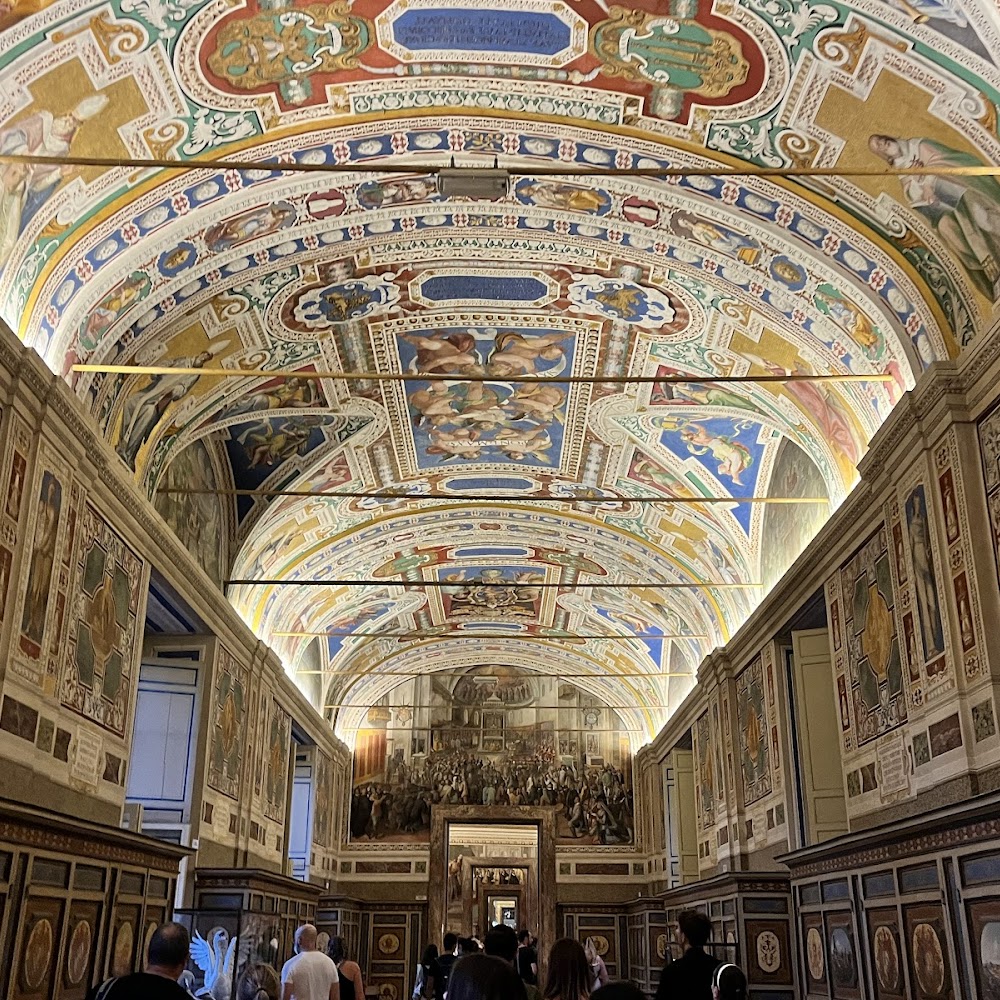
Known for: Vatican Museums, St. Peter's Basilica, Sistine Chapel, religious art and history
Local tip: Borgo Pio is the one street near Vatican that feels authentically Roman rather than tourist-focused
Transit: Metro Line A to Ottaviano or Cipro
Best time: early morning
Jewish Quarter
excellent walkabilityAncient history lives alongside daily life in Europe's oldest Jewish community. Kosher bakeries sit next to Roman ruins while the synagogue's dome rises above centuries-old streets.
Known for: Great Synagogue, Jewish history museum, carciofi alla giudia, Via del Portico d'Ottavia
Local tip: Visit the morning market at nearby Campo de' Fiori then walk through the Jewish Quarter for the best food combination
Transit: Walking distance from Centro Storico, bus routes along Lungotevere
Best time: morning
Not stroller-friendly
What to Eat inRome
Eating etiquette
- •Never order cappuccino after 11am — Romans drink espresso all day
- •Coperto (cover charge) of €1-3 per person is standard, not a scam
- •Bread is for cleaning your plate, not an appetizer with olive oil
- •Don't ask for Parmesan on seafood pasta — it's considered wrong
Breakfast
Romans grab quick cornetto and cappuccino at a bar counter. Sweet pastries, not savory breakfast.
Lunch
Tavola calda (hot table) spots offer quality food for €8-12. Many restaurants offer prix fixe lunch menus cheaper than dinner.
Dinner
Dinner starts at 8pm earliest, 9pm typical. Reservations recommended for weekend dinners at popular spots.
Dishes you can't miss
Rome invented this dish — try it where they make it with proper guanciale and Pecorino Romano
Flavio al Velavevodetto or Checchino dal 1887 · $16-20
Deceptively simple pasta with just cheese and black pepper, but technique matters
Dal Toscano near Vatican · $14-18
Jewish-Roman fried artichokes, only available when artichokes are in season
Ba'Ghetto in Jewish Quarter · $12-15
Veal with prosciutto and sage — a Roman classic done right
Osteria delle Commari · $18-22
Roman rice balls with mozzarella center — perfect street food snack
Street vendors near Pantheon · $3-4
Sweet bread filled with whipped cream — traditional Roman breakfast pastry
Any pasticceria in morning · $3-5
Street food highlights
Daily Walking Distances
Packing List
Cobblestone streets everywhere, expect 15,000+ steps daily
Required for church visits — shoulders must be covered
Heavy navigation and photo use drains batteries fast
For water, snacks, and purchases while sightseeing
Little shade at outdoor sites like Roman Forum
Many small places prefer cash, especially under €10
Skip These
Save your time and money — here's what to skip and what to do instead.
Long queues to put your hand in a marble face. It's just a tourist photo op with no historical significance
→ Instead:Visit Santa Maria in Cosmedin church it's located in — beautiful medieval mosaics without the crowds
Overpriced mediocre food with aggressive touts. €25 for basic pasta that costs €12 elsewhere
→ Instead:Walk 2 blocks away to find authentic local restaurants at half the price
Sitting or eating on the steps is now illegal with €400 fines. Crowded and not much to see at the top
→ Instead:Visit Villa Borghese gardens nearby for actual green space and better city views
Frequently Asked Questions
Is 3 days enough for Rome?
Yes, 3 days covers the essential highlights: Colosseum, Vatican, major piazzas, and one authentic neighborhood. You'll see the iconic sights but miss day trips to Tivoli, extensive museum time, and deeper neighborhood exploration that a week would allow.
Where should I stay in Rome?
Stay in Centro Storico (walkable to everything), Monti (trendy with great restaurants), or near Termini Station (budget-friendly with transport links). Avoid Borgo near Vatican (dead at night) and areas south of Termini after dark.
How much does 3 days in Rome cost?
Budget: $300-400 total (hostels, street food). Mid-range: $500-600 (hotel, restaurant meals). Luxury: $800+ (4-star hotels, fine dining). Food and accommodation are your biggest costs.
What should I not miss in Rome?
Colosseum with underground access, Vatican Museums early morning, sunset from Gianicolo Hill, authentic carbonara in Trastevere, and wandering the Jewish Quarter. Skip tourist traps near major sites.
What's the best time to visit Rome?
April-May and September offer perfect weather and manageable crowds. Avoid July-August (extreme heat, packed attractions) and December-February (many outdoor restaurants closed, shorter days).
Travel Tips forRome
Walk the historic center
Rome's ancient center is compact — you can walk from the Colosseum to Vatican in 45 minutes. Metro is useful for reaching outlying areas but most major sights are walkable from each other.
Follow Roman meal times
Lunch 1-2:30pm, dinner not before 8pm. Many restaurants close 3-7pm. Never order cappuccino after 11am (locals drink espresso all day). Coperto (cover charge) of €1-3 per person is standard.
Cash for small purchases
Many bars and gelaterias prefer cash for purchases under €10. ATMs are everywhere but avoid tourist-area exchange bureaus. Tipping isn't expected but rounding up is appreciated.
Dress for churches
Shoulders and knees must be covered in all churches and Vatican. Carry a scarf or light cardigan. Security at St. Peter's and major sites is airport-level strict.
Book major attractions ahead
Vatican Museums, Colosseum underground, and Borghese Gallery sell out weeks in advance. Buy skip-the-line tickets online to avoid 2+ hour queues in peak season.
Essential Info
Euro (EUR) cash preferred for small purchases. Cards accepted at restaurants and shops. ATMs widely available.
Not expected but appreciated. Round up bills or leave 5-10% for exceptional service. No tipping for bar coffee.
TIM or Vodafone Italy prepaid SIM, or Airalo eSIM for visitors
More Options inRome
Places that didn't make the main itinerary but are worth knowing about.
More Restaurants
More Activities
Shopping
Planning a full Italy trip?
Our Italy itineraries cover Rome and more — with multi-city routes, transit guides, and full budget breakdowns.
Related Itineraries
Ready to plan yourRome trip?
Get this 3-day itinerary in your Yopki trip planner — customize, collaborate, and export to PDF.