


4-Day Rome Itinerary: Ancient Wonders to Modern Neighborhoods (2026)
Experience Rome's iconic monuments, authentic neighborhoods, and legendary cuisine in four perfectly paced days. This guide organizes each day by neighborhood to minimize walking while maximizing your time in the Eternal City.
Day-by-Day Itinerary
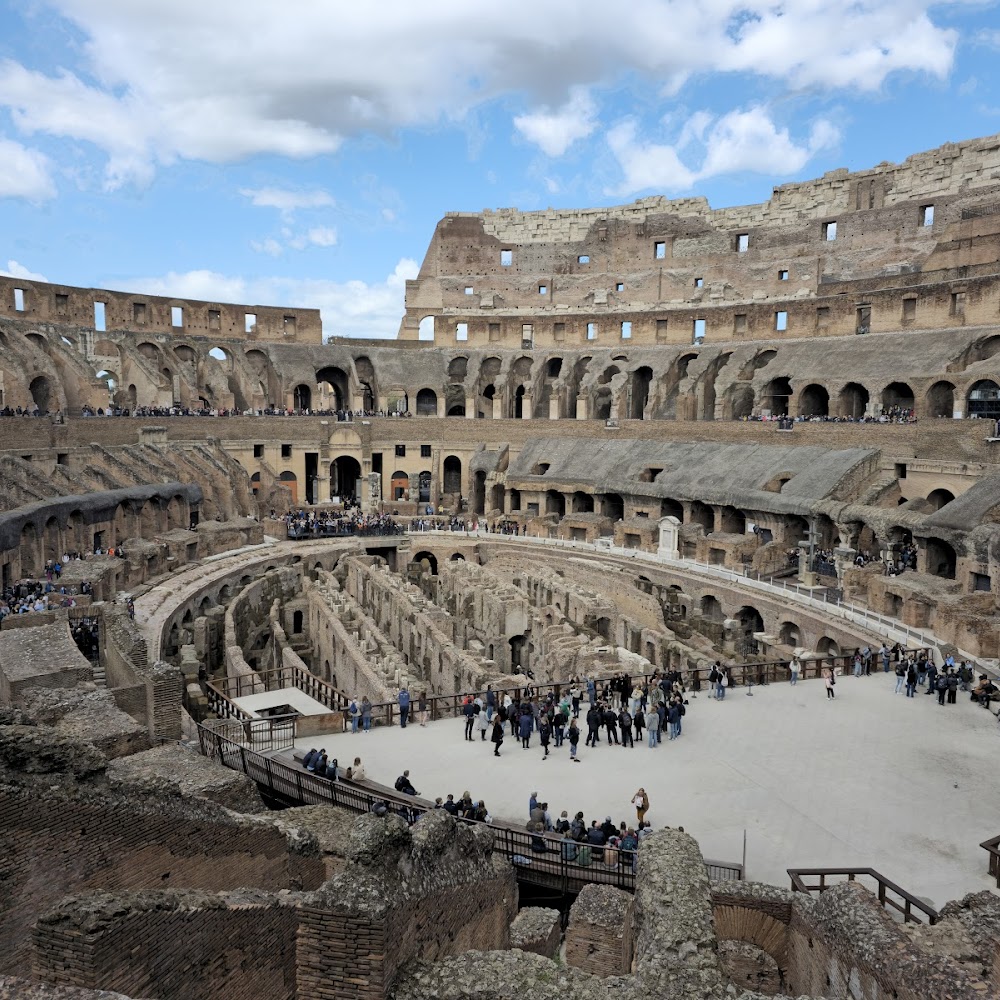
Start your Roman adventure with the Colosseum and Forum, then wind down in the trendy Monti neighborhood. This day covers the heart of ancient Rome before exploring one of the city's most charming local areas for aperitivo and dinner.
Pro tip: Wear comfortable walking shoes with good grip — cobblestones can be slippery. Start early to beat crowds at major sites.
Route Map
Budget Breakdown
Estimated cost per person for 4 days. Includes accommodation, all meals, local transport, activities, and miscellaneous expenses. Does not include international flights or travel insurance.
| Category | Daily | Total |
|---|---|---|
| accommodation | $85 | $340 |
| food | $82 | $330 |
| transport | $3 | $11 |
| activities | $29 | $115 |
| misc | $15 | $60 |
| Total | $214 | $856 |
* Budget tier: mid-range. Prices in USD per person.
Money-saving tips:
- Eat breakfast standing at the bar for 40% lower prices than table service
- Buy a 3-day Roma Pass for €38.50 - includes metro and discounts at major sites
- Shop for lunch supplies at local markets rather than tourist restaurant near monuments
- Aperitivo (6-8pm) includes free snacks with your drink - can replace dinner
- Bring refillable water bottle - Rome has free drinking fountains throughout the city
See detailed Italy budget guide with calculator →
Daily costs, tipping, and trip calculator
When to Go
Perfect weather (18-25°C), fewer crowds than summer, restaurants open normal hours
Extreme heat (often 35°C+), many restaurants close in August, extremely crowded
Neighborhood Guide
Get oriented before you arrive — what each area feels like and how to get around.
Centro Storico
excellent walkabilityWalking through Centro Storico feels like an outdoor museum where every corner reveals ancient ruins, baroque fountains, or medieval churches. The narrow streets buzz with locals rushing to work, tourists snapping photos, and the constant hum of Vespas navigating between pedestrians and outdoor cafe tables.
Known for: Pantheon, Piazza Navona, Trevi Fountain, and the highest concentration of historic monuments per square meter in the world
Local tip: Romans shop for books at Feltrinelli International near Pantheon and grab their morning coffee at any bar along Via del Corso - never the tourist cafes facing major squares
Transit: Multiple bus lines, walking distance to Spagna Metro
Best time: morning
Not stroller-friendly
Trastevere
excellent walkabilityTrastevere feels like a village within the city, with ivy-covered buildings, narrow cobblestone alleys, and the constant sound of Roman dialect floating from windows. By day it's sleepy and authentic, by night it transforms into Rome's liveliest dining and nightlife district.
Known for: Authentic Roman restaurants, nightlife, Santa Maria in Trastevere church, and the most photogenic streets in Rome
Local tip: Young Romans pregame at cheap bars around Piazza San Calisto before heading to dinner, then return for late-night drinks - follow their lead for the best spots
Transit: Tram 8 from Largo Argentina, or 15-minute walk across Ponte Sisto
Best time: evening
Not stroller-friendly
Monti
excellent walkabilityMonti perfectly balances ancient Rome with modern Roman life - boutiques and wine bars nestle between Roman ruins and medieval churches. The atmosphere is relaxed and creative, attracting young professionals, artists, and visitors who want to experience Rome beyond the major monuments.
Known for: Vintage shopping on Via del Boschetto, trendy restaurants, proximity to Colosseum, and Rome's best aperitivo scene
Local tip: Saturday morning brings a small local market in Piazza degli Zingari where Romans buy vintage clothes and handmade jewelry - much better finds than touristy markets
Transit: Walking distance to Cavour Metro station (Line B)
Best time: afternoon
Vatican & Borgo
good walkabilityThe area around Vatican City feels grand and international, with wide boulevards built for papal processions and crowds of pilgrims from every continent. Borgo Pio maintains a quieter, residential feel with family-run restaurants serving Vatican workers and locals who've lived here for generations.
Known for: Vatican Museums, St. Peter's Basilica, Castel Sant'Angelo, and the best access to papal audiences
Local tip: Vatican employees lunch at small trattorias on Borgo Pio - follow the Swiss Guards and museum staff to find authentic, reasonably-priced meals away from tourist traps
Transit: Metro Line A to Ottaviano station, multiple bus lines
Best time: early morning
Testaccio
excellent walkabilityTestaccio feels like the most Roman neighborhood in Rome - working-class, unpretentious, and obsessed with good food. The morning market bustles with nonnas selecting ingredients, while evenings bring young Romans to traditional trattorias and modern wine bars. It's authentic without trying to be.
Known for: Traditional Roman cuisine, Testaccio Market, nightlife scene, and the ancient Monte Testaccio (ancient pottery shards hill)
Local tip: Romans consider Testaccio the best neighborhood for traditional offal dishes and authentic cacio e pepe - even if you don't eat offal, the neighborhood's food obsession means every restaurant is excellent
Transit: Metro Line B to Piramide, short walk across bridge
Best time: evening
What to Eat inRome
Eating etiquette
- •Pay for coffee at cashier first, then order at bar with receipt
- •Never order cappuccino after 11am or with meals
- •Coperto (cover charge) 2-4 euros is normal
- •Restaurants charge extra for table service vs bar service
Breakfast
Romans eat standing at bars: espresso + cornetto (Italian croissant). Sweet breakfast only - never eggs or savory items before noon.
Lunch
Best lunch deals 12:30-2pm at trattorias. Try 'menu del giorno' (daily menu) for 2-3 courses around €15-20. Markets close at 2pm for siesta.
Dinner
Dinner starts 8pm earliest, peaks at 9pm. Book ahead for popular spots. Aperitivo 6-8pm with free snacks can replace dinner.
Dishes you can't miss
Rome invented it - eggs, pecorino, guanciale, black pepper. Never cream.
Armando al Pantheon or Checchino dal 1887 · $18-22
Deceptively simple: pasta, pecorino cheese, black pepper. Roman technique required.
Il Flavio al Velavevodetto · $14-16
Roman street food - fried rice balls with mozzarella center
Trapizzino or any pizza al taglio shop · $2-3
Traditional Roman sweet bread filled with whipped cream
Roscioli Caffè or Pasticceria Regoli · $4-5
Veal with prosciutto and sage, 'jumps in your mouth'
Da Enzo al 29 · $16-18
Look for 'produzione propria' sign for house-made gelato
Giolitti or Fatamorgana · $3-5
Street food highlights
Daily Walking Distances
Packing List
Cobblestone streets throughout historic center can be slippery when wet
Required for church visits - must cover shoulders and knees at religious sites
Rome has free drinking fountains (nasoni) throughout the city
Better security than tote bags in crowded areas, hands free for photos
Long walking days drain phone batteries quickly
Skip These
Save your time and money — here's what to skip and what to do instead.
Overpriced tourist trap near Spanish Steps charging €25+ for burgers you can get better anywhere
→ Instead:Try Trapizzino for creative Roman street food or any neighborhood trattoria for authentic flavors at half the price
€8 espresso and €35 pasta just for the location - food quality is poor and service is rushed
→ Instead:Walk 2 blocks to side streets for the same view from your table at half the cost and double the quality
Generic chain stores with airport prices and crowds - nothing uniquely Roman
→ Instead:Browse Via del Corso for international brands or Monti neighborhood for unique Roman boutiques and vintage finds
€25-30 for what you can walk or metro for €1.50 - Rome's center is compact and traffic makes buses slow
→ Instead:Walk with a good map or take the €2 bus #40 express that connects all major sites
Frequently Asked Questions
Is 4 days enough for Rome?
Yes, 4 days covers Rome's major highlights well. You'll see the Colosseum, Vatican, main piazzas, and get a taste of Roman neighborhood life. However, you'll miss day trips to Tivoli or Ostia Antica, deeper museum exploration, and some charming neighborhoods like Garbatella. Rome rewards longer stays, but 4 days gives you a solid first visit.
Where should I stay in Rome?
Stay in Centro Storico (walkable to everything), Monti (trendy with great restaurants), or near Termini Station (budget-friendly with metro access). Avoid staying near Vatican (too far from other sites) or Trastevere (charming but requires crossing the river frequently). Book accommodations with AC if visiting May-September.
How much does 4 days in Rome cost?
Budget: $120-150/day (hostels, street food, walking). Mid-range: $200-250/day (hotels, restaurant meals, skip-the-line tickets). Luxury: $400+/day (upscale hotels, Michelin dining, private tours). Major expenses: accommodation (40%), food (35%), activities (20%), transport (5%).
What should I not miss in Rome?
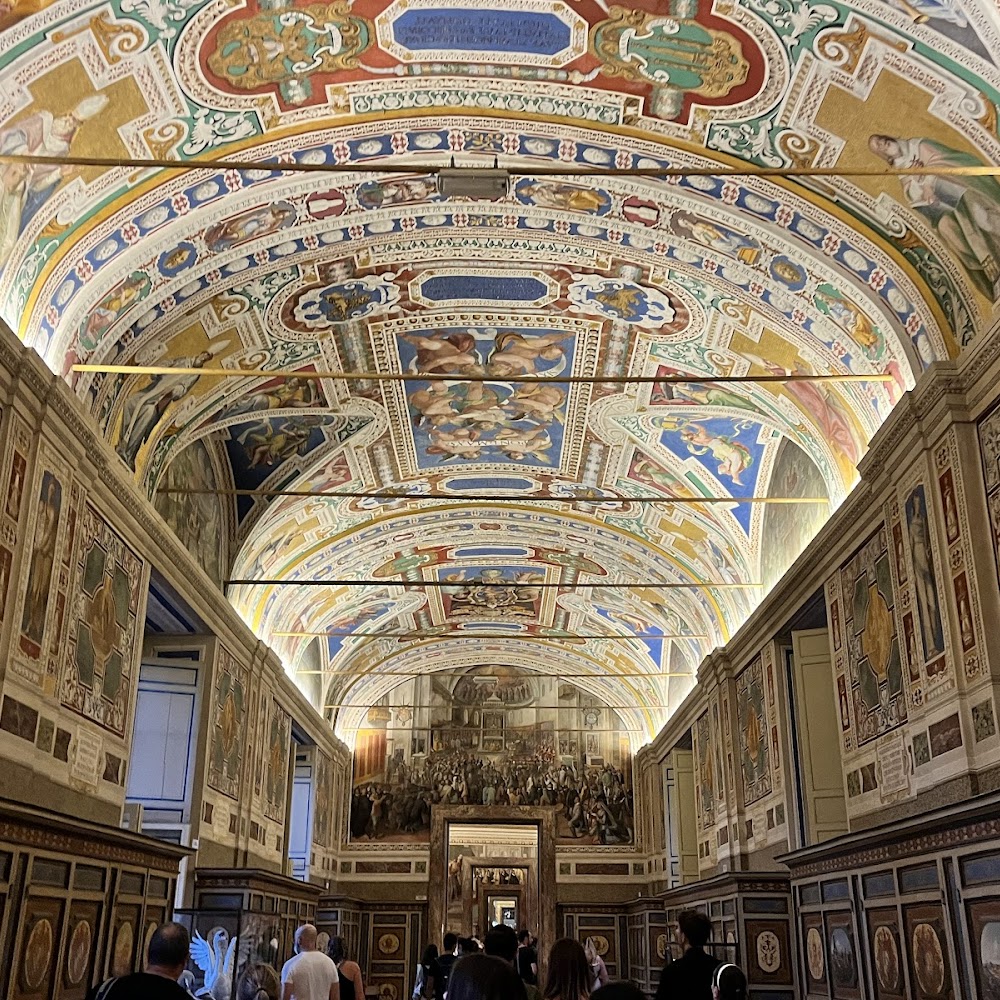
Essential experiences: Colosseum with underground access, Vatican Museums ending at Sistine Chapel, Pantheon, Trevi Fountain, and eating authentic carbonara or cacio e pepe. Don't skip: aperitivo culture, exploring Trastevere neighborhood, and climbing St. Peter's dome for city views.
What's the best time to visit Rome?
April-May and September-October offer the best weather and fewer crowds. Avoid July-August (extreme heat, many restaurants closed) and peak Easter week (massive crowds). Winter is mild but rainy. Spring has perfect weather but book accommodations well ahead.
Travel Tips forRome
Metro vs Walking Strategy
Rome's historic center is compact - walk between Pantheon, Trevi Fountain, Spanish Steps, and Piazza Navona. Use Metro Line B for Colosseum area, Line A for Vatican. Buy 3-day Roma Pass for unlimited transport plus site discounts.
Dining Like a Local
Never order cappuccino after 11am or with meals. Lunch is 1-2pm, dinner starts at 8pm. Many restaurants close 3-6pm. Aperitivo (6-8pm) includes free snacks with drinks. Always check for coperto (cover charge) on menus.
Avoiding Tourist Traps
Restaurants near major monuments are overpriced. Eat where you see Romans eating. Pay at bar first for coffee (half the price of table service). Buy water bottles from supermarkets, not tourist shops. Free wifi at McDonald's and major piazzas.
Pickpocket Prevention
Keep valuables secure on crowded buses, near Trevi Fountain, and Vatican area. Avoid groups approaching with clipboards or 'friendship bracelets'. Be cautious of seemingly helpful strangers near tourist sites. Emergency number: 112.
Dress Code Requirements
Churches require covered shoulders and knees - carry a light scarf. Wear comfortable walking shoes with good grip for cobblestones. Many upscale restaurants have dress codes. Pack layers as Roman weather can change quickly.
Essential Info
Card accepted everywhere. Keep some cash for small cafes, markets, and tips. ATMs widely available but check foreign transaction fees.
Not mandatory. Round up bills or leave 5-10% for good service. Tip taxi drivers 1-2 euros. Coperto (cover charge) is standard, not a tip.
Vodafone or TIM prepaid SIM at airport, or Airalo eSIM for data-only
More Options inRome
Places that didn't make the main itinerary but are worth knowing about.
More Restaurants
More Activities
Shopping
Planning a full Italy trip?
Our Italy itineraries cover Rome and more — with multi-city routes, transit guides, and full budget breakdowns.
Related Itineraries
Ready to plan yourRome trip?
Get this 4-day itinerary in your Yopki trip planner — customize, collaborate, and export to PDF.