

5-Day Tokyo Itinerary: From Ancient Temples to Neon Streets (2026)
Tokyo is a city where 1,000-year-old temples sit next to robot cafes, and the best ramen comes from a vending machine. This 5-day guide takes you through each iconic neighborhood, from the electric chaos of Shibuya to the traditional streets of Asakusa.
Day-by-Day Itinerary
Start your Tokyo adventure in the heart of modern Japanese culture, where millions cross the world's busiest intersection and teenagers define global fashion trends. This is Tokyo at its most energetic and colorful.
Pro tip: Download Google Translate with camera feature - invaluable for reading menus and signs.
Route Map
Budget Breakdown
Estimated cost per person for 5 days. Includes accommodation, all meals, local transport, activities, and miscellaneous expenses. Does not include international flights or travel insurance.
| Category | Daily | Total |
|---|---|---|
| accommodation | $80 | $320 |
| food | $46 | $228 |
| transport | $6 | $31 |
| activities | $25 | $125 |
| misc | $15 | $75 |
| Total | $172 | $779 |
* Budget tier: mid-range. Prices in USD per person.
Money-saving tips:
- Buy a 72-hour Tokyo Metro pass (¥1,500) for unlimited subway travel
- Eat lunch at department store restaurant floors (depachika) for high-quality, affordable sets
- Convenience store meals are excellent and cost ¥300-800
- Many temples and parks are free - focus expensive activities on 1-2 highlights
- Happy hour drinks at hotel bars cost the same as regular bars but higher quality
See detailed Japan budget guide with calculator →
Daily costs, tipping, and trip calculator
When to Go
Cherry blossom season (March-May) and fall colors (October-November) with comfortable temperatures
Extremely hot, humid summers with temperatures reaching 35°C/95°F and heavy rainfall
Neighborhood Guide
Get oriented before you arrive — what each area feels like and how to get around.
Shibuya
excellent walkabilityPure kinetic energy with neon signs, massive crowds, and the constant hum of urban life. This is Tokyo's Times Square - overwhelming but exhilarating.
Known for: World's busiest pedestrian crossing, youth culture, department stores, and nightlife
Local tip: Locals avoid Shibuya Crossing during rush hour (7-9am, 5-7pm) - visit mid-morning for the full experience without the chaos
Transit: Shibuya Station (JR Yamanote, Tokyo Metro)
Best time: evening
Not stroller-friendly
Harajuku
excellent walkabilityKawaii culture meets street fashion in a riot of colors, crepe stands, and cosplay. Every step reveals another subculture.
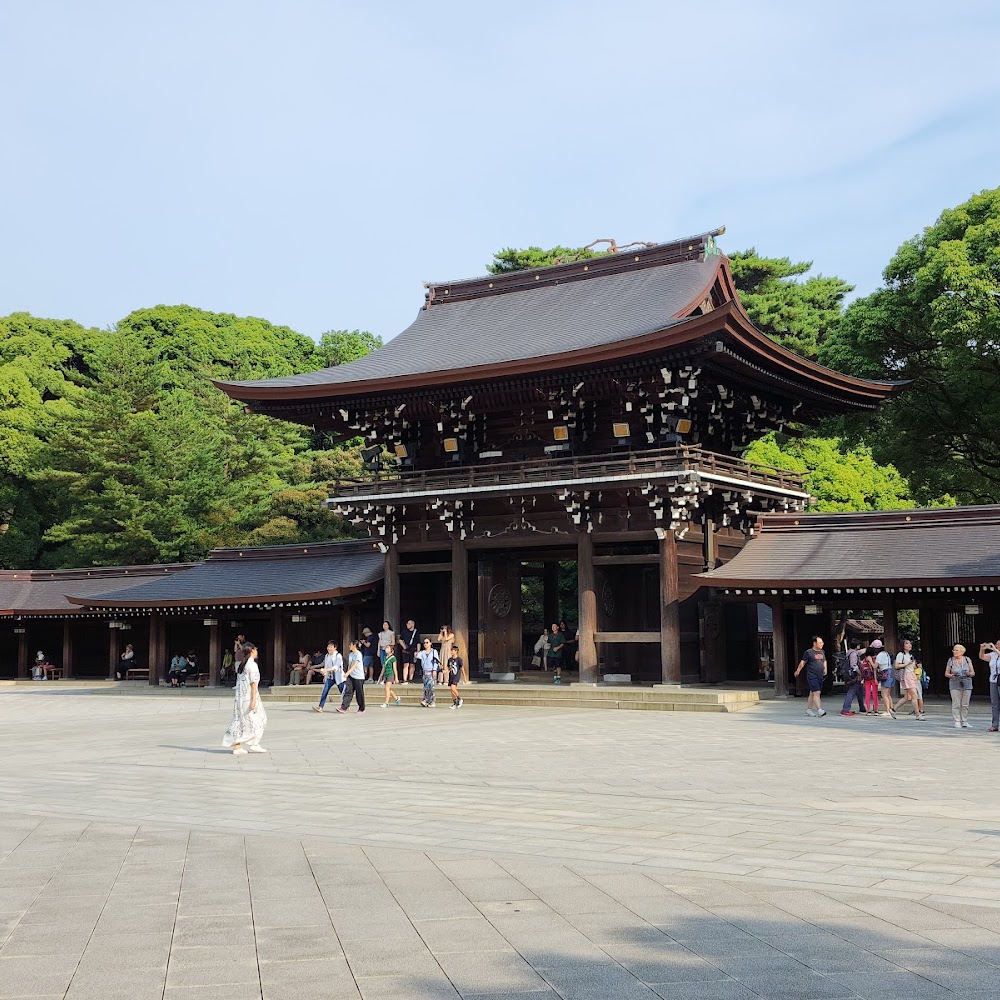
Known for: Takeshita Street, youth fashion, crepes, cosplay, and Meiji Shrine
Local tip: Locals shop on the quieter Cat Street (Ura-Harajuku) for higher quality vintage and independent designers
Transit: Harajuku Station (JR Yamanote)
Best time: afternoon
Not stroller-friendly
Asakusa
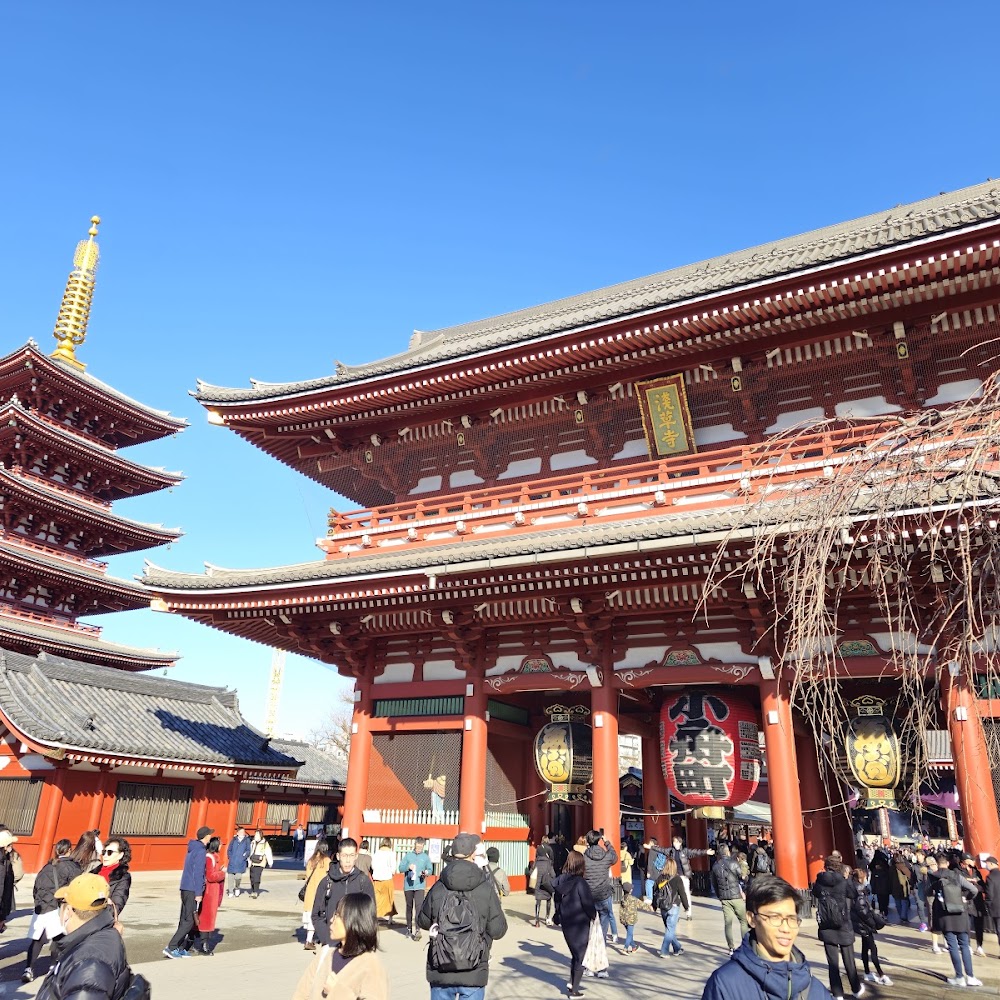
excellent walkabilityStep into old Tokyo with traditional wooden buildings, incense from ancient temples, and the constant click of cameras at Sensoji.
Known for: Sensoji Temple, traditional crafts, tempura, and historic atmosphere
Local tip: Visit early morning (before 9am) to experience Sensoji Temple with fewer crowds and see monks performing morning prayers
Transit: Asakusa Station (Tokyo Metro Ginza Line, Toei Asakusa Line)
Best time: morning
Ginza
excellent walkabilitySophisticated elegance with wide boulevards, luxury flagships, and the quiet confidence of money. This is where Tokyo dresses up.
Known for: Luxury shopping, department stores, high-end dining, and art galleries
Local tip: Many luxury stores offer tax-free shopping and personal shopping services for tourists - don't be shy about asking
Transit: Ginza Station (Tokyo Metro)
Best time: afternoon
Akihabara
excellent walkabilitySensory overload of electronic beeps, anime music, and the excited chatter of otaku culture. Every building seems to glow with screens.
Known for: Electronics, anime goods, maid cafes, and otaku culture
Local tip: Best electronics deals are on the upper floors of smaller buildings - ground floors are tourist-priced
Transit: Akihabara Station (JR Yamanote, JR Keihin-Tohoku)
Best time: afternoon
Not stroller-friendly
Shinjuku
good walkabilityOrganized chaos with skyscrapers, neon signs in every direction, and tiny alleyways hiding 6-seat bars. Tokyo's energy concentrated into one district.
Known for: Nightlife, skyscrapers, department stores, Golden Gai, and Memory Lane
Local tip: Golden Gai bars often charge cover fees (¥500-2000) - this is normal, not a tourist scam
Transit: Shinjuku Station (multiple JR and Metro lines)
Best time: evening
Not stroller-friendly
Roppongi
excellent walkabilityInternational sophistication meets contemporary art and late-night entertainment. More English speakers and expensive cocktails than elsewhere.
Known for: Contemporary art museums, international dining, nightlife, and expat community
Local tip: Many restaurants here cater to international tastes - go elsewhere for authentic Japanese food
Transit: Roppongi Station (Tokyo Metro Hibiya Line)
Best time: afternoon
What to Eat inTokyo
Eating etiquette
- •Slurp your noodles - it's encouraged and shows appreciation
- •Don't stick chopsticks upright in rice (funeral association)
- •Say 'itadakimasu' before eating, 'gochisousama' after
- •Don't pass food chopstick to chopstick
- •At sushi counters, eat with hands or chopsticks - both acceptable
Breakfast
Convenience store breakfast is excellent - onigiri, coffee, pastries. Traditional Japanese breakfast includes grilled fish, rice, miso soup, and pickles. Most business hotels include basic breakfast buffet.
Lunch
Lunch sets (teishoku) offer best value 11:30am-2pm. Department store restaurant floors (8-14F typically) have quality options. Standing ramen shops are fast and cheap.
Dinner
Dinner starts early (6-7pm) for traditional places, later (7-9pm) for izakayas. Reservations essential for popular spots. Many places don't accept credit cards.
Dishes you can't miss
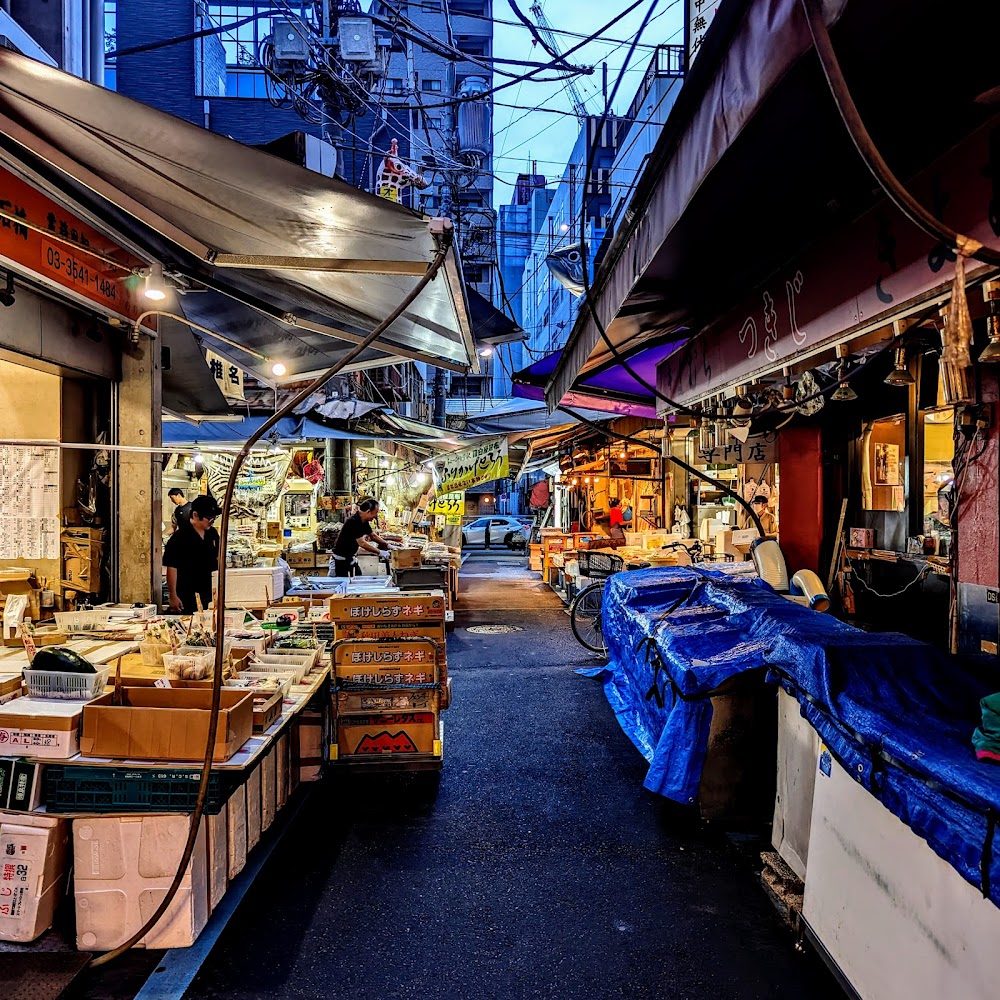
Freshest fish at 7am when the market workers eat
Joyato Sushi (Tsukiji) · $20-25
Rich pork bone broth that defines Tokyo ramen
Ichiran (multiple locations) · $8-12
Light, crispy tempura at a 140-year-old restaurant
Daikokuya (Asakusa) · $15-20
Grilled chicken skewers in tiny traditional stalls
Memory Lane (Shinjuku) · $15-25
Perfectly breaded pork cutlet since 1927
Ginza Bairin · $12-18
Premium Japanese beef that melts in your mouth
Any department store restaurant floor · $40-80
Street food highlights
Daily Walking Distances
Packing List
Essential for all public transport and many stores
Many places don't accept cards, especially small restaurants
Camera translation feature works on menus and signs
You'll walk 15,000+ steps per day on varied surfaces
Heavy map/translation app use drains batteries quickly
Temple dress codes and air conditioning in summer
Many temples, restaurants, and homes require shoe removal
Skip These
Save your time and money — here's what to skip and what to do instead.
Excellent parks but consume 2 full days of a 5-day trip. Same Disney experience available elsewhere in the world.
→ Instead:Spend those 2 days exploring unique Tokyo neighborhoods like Shimokitazawa, Daikanyama, or take a day trip to Nikko temples
Temple fatigue is real. After Sensoji and Meiji Shrine, additional temples offer diminishing returns for short visits.
→ Instead:Focus on neighborhoods, food experiences, and modern culture that's unique to Tokyo
Expensive views that you can get better (and cheaper) from free observation decks in government buildings or department stores.
→ Instead:Tokyo Metropolitan Government Building free observation decks or Mori Tower with the art museum
Hotel dining in Tokyo often lacks the authentic local experience and costs 2-3x neighborhood restaurants.
→ Instead:Mix hotel breakfasts with local ramen shops, department store restaurant floors, and izakayas
Frequently Asked Questions
Is 5 days enough for Tokyo?
Yes, 5 days gives you a solid introduction to Tokyo's main districts and experiences. You can cover iconic neighborhoods like Shibuya, Asakusa, Ginza, and experience temples, modern culture, and amazing food. However, you'll barely scratch the surface - Tokyo could easily fill 2-3 weeks. You'll miss day trips to Mount Fuji, Nikko, and many fascinating neighborhoods like Shimokitazawa or Daikanyama.
Where should I stay in Tokyo?
Shibuya and Shinjuku offer the best access to major sites and nightlife, with excellent train connections. Ginza is upscale and central but expensive. Asakusa provides traditional atmosphere but fewer dining options. Avoid staying in Narita area unless you have an early flight - it's 1+ hour to central Tokyo.
How much does 5 days in Tokyo cost?
Budget travelers can manage on $50-70/day (hostels, konbini meals, free attractions). Mid-range travelers should budget $120-180/day (business hotels, mix of restaurants, paid attractions). Luxury travelers will spend $300+/day (high-end hotels, omakase dinners, private tours). Tokyo is expensive but there are ways to save on food and transport.
What should I not miss in Tokyo?
Don't miss Shibuya Crossing for the urban energy, Sensoji Temple for traditional culture, Tsukiji Outer Market for incredible sushi breakfast, and at least one neighborhood food crawl through izakayas. The contrast between ancient temples and neon districts is what makes Tokyo special.
What's the best time to visit Tokyo?
March-May (cherry blossom season) and October-November (fall colors) offer the best weather and most beautiful scenery. Spring can be crowded and expensive. Summer (June-August) is hot, humid, and has a rainy season. Winter is mild but fewer daylight hours.
Travel Tips forTokyo
Get a Suica or Pasmo IC card immediately
These rechargeable cards work on all trains, subways, buses, and even convenience stores. Much easier than buying individual tickets. Load ¥3,000-5,000 to start.
Learn basic bowing and train etiquette
Bow slightly when greeting. On trains, don't eat smelly food, talk on phone, or play music. Give up priority seats to elderly, pregnant, or disabled passengers.
Japan is still largely cash-based
Many restaurants and shops don't accept cards. Withdraw cash from 7-Eleven ATMs (accept foreign cards). Always carry ¥10,000-20,000 in cash.
No tipping culture
Tipping can be considered rude. Service charge is never expected at restaurants, taxis, or hotels. Just pay the bill amount exactly.
Tokyo is extremely safe
You can walk alone at night almost anywhere. Crime rates are very low. Biggest risks are getting lost in the subway system or missing the last train (around midnight).
Download Google Translate with camera function
Point your camera at Japanese text and get instant translations. Essential for menus, signs, and train stations. Works offline too.
Essential Info
Cash is king in Tokyo. Many places don't accept cards. Use 7-Eleven ATMs for foreign card withdrawals. IC cards (Suica/Pasmo) work for transport and convenience stores.
No tipping expected anywhere. Can be considered rude. Service charges are included in bills where applicable.
eSIM from Airalo or physical SIM from Mobal. Pocket WiFi rental from airport also popular for groups.
More Options inTokyo
Places that didn't make the main itinerary but are worth knowing about.
More Restaurants
More Activities
Shopping
Bars & Nightlife
Planning a full Japan trip?
Our Japan itineraries cover Tokyo and more — with multi-city routes, transit guides, and full budget breakdowns.
Related Itineraries
Ready to plan yourTokyo trip?
Get this 5-day itinerary in your Yopki trip planner — customize, collaborate, and export to PDF.