
10 Day Spain Itinerary
Experience Spain's three greatest cities in 10 perfectly paced days. From Madrid's world-class museums to Barcelona's architectural wonders and Seville's flamenco soul, this itinerary balances iconic sights with authentic Spanish experiences.
Day-by-Day Itinerary
Route Map
Budget Breakdown
Estimated cost per person for 10 days. Includes accommodation, all meals, local transport, activities, and miscellaneous expenses. Does not include international flights or travel insurance.
| Category | Daily | Total |
|---|---|---|
| accommodation | $85 | $765 |
| food | $65 | $658 |
| transport | $30 | $299 |
| activities | $27 | $267 |
| misc | $15 | $150 |
| Total | $222 | $2139 |
* Budget tier: mid-range. Prices in USD per person.
Money-saving tips:
- Buy a 10-ride metro card in Madrid and Barcelona for better rates
- Many museums offer free hours - Prado is free Mon-Sat 6-8pm, Sun 5-7pm
- Lunch menus (menú del día) offer 3 courses for €12-18, much cheaper than dinner
- Supermarket chain Mercadona has excellent prepared foods and Spanish wines
- Book AVE train tickets 60 days in advance for up to 40% discounts
When to Go
Perfect weather (20-25°C), fewer crowds, manageable prices, all attractions open
Extreme heat (35-40°C), packed tourist sites, highest prices, many locals on holiday
Neighborhood Guide
Get oriented before you arrive — what each area feels like and how to get around.
Centro
excellent walkabilityThe heartbeat of Madrid pulses through narrow cobblestone streets where every corner café spills with animated conversation and cigarette smoke. It's beautifully chaotic — a maze of medieval streets crammed with modern life where you'll hear everything from flamenco guitar to office workers arguing about football.
Known for: Historic plazas, tapas bars, and the iconic Puerta del Sol
Local tip: Madrileños actually avoid Sol during the day — they meet at the smaller plazas like Plaza de Santa Ana for vermouth at 1pm
Transit: Sol station - Lines 1, 2, 3 Metro + Cercanías
Best time: evening
Not stroller-friendly
Retiro
excellent walkabilityElegantly refined with wide tree-lined avenues and the calming presence of the massive park. The air feels different here — cleaner, quieter, with the gentle hum of families strolling and street musicians playing classical pieces.
Known for: Retiro Park and proximity to the Prado Museum
Local tip: Locals bring their own chairs to the park on Sundays and set up elaborate picnics — you can rent chairs from vendors for €2
Transit: Retiro station - Line 2 Metro
Best time: morning
Eixample
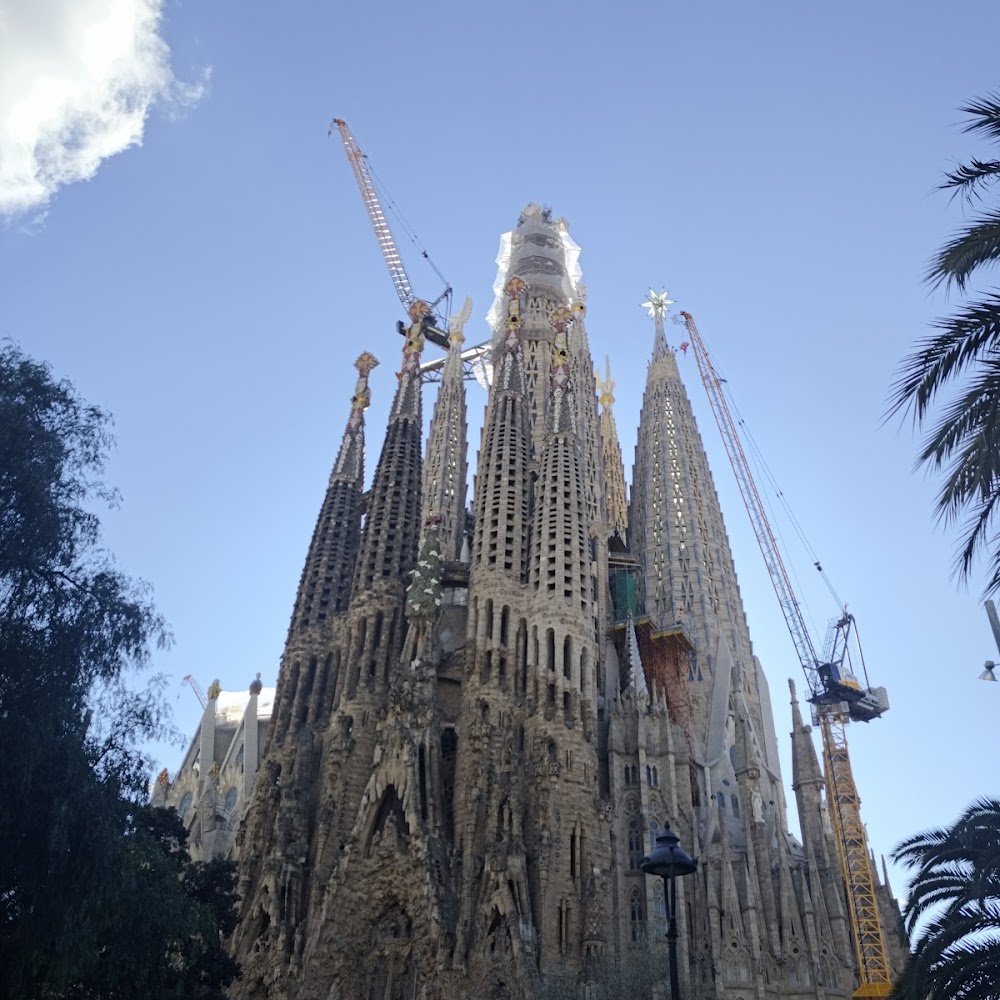
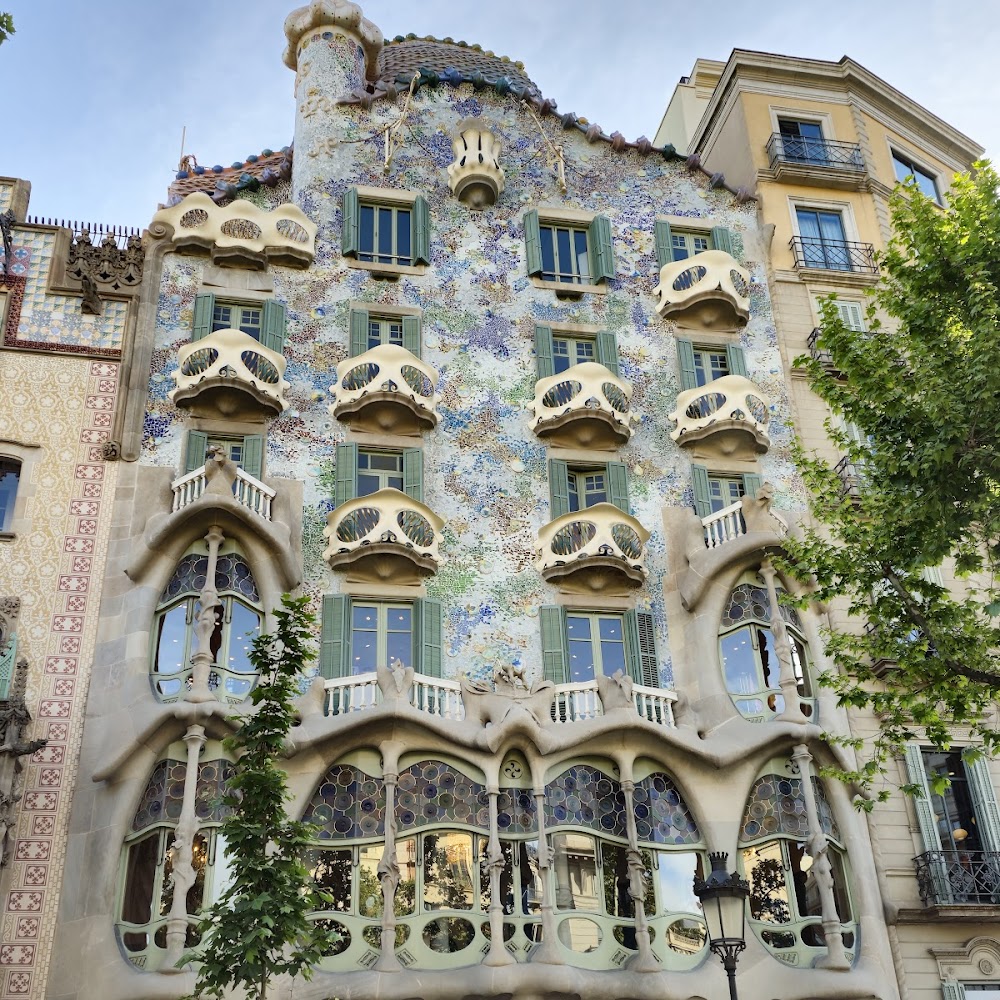
excellent walkabilityGeometric precision meets artistic chaos in these perfectly planned blocks where Gaudí's wild imagination erupts from orderly streets. The modernist buildings create a rhythm as you walk, each corner revealing another architectural surprise that makes you stop mid-conversation.
Known for: Sagrada Familia and modernist architecture
Local tip: Look up at the building corners — Eixample has the most beautiful chamfered corners with intricate details that tourists never notice
Transit: Sagrada Familia - Lines 2, 5 Metro
Best time: morning
Ciutat Vella
good walkabilityMedieval meets hedonistic in this labyrinth where Gothic shadows hide trendy bars and ancient walls frame modern street art. The energy shifts from spiritual quiet in hidden plazas to the electric buzz of Las Ramblas — it's Barcelona's split personality in stone and sound.
Known for: Las Ramblas, Gothic Quarter, and beach access
Local tip: Catalans never eat at restaurants on Las Ramblas — duck into the parallel streets like Carrer de Petritxol for real local food
Transit: Liceu - Line 3 Metro
Best time: afternoon
Not stroller-friendly
Centro Histórico
good walkabilityOrange blossoms perfume narrow streets where horse-drawn carriages clip-clop past 500-year-old walls. The stones seem to exhale history and the afternoon heat makes everything feel dreamlike and slow, punctuated by the sudden dramatic flamenco that spills from hidden courtyards.
Known for: Cathedral, Alcázar, and authentic flamenco venues
Local tip: Sevillanos take their evening paseo (stroll) around the Cathedral at sunset — join them for the best light and atmosphere
Transit: Archivo de Indias - Line 1 Metro
Best time: evening
Not stroller-friendly
What to Eat inSpain
Madrid
Eating etiquette
- •Never eat standing at the bar after 9pm — sit at a table
- •Small tip (€1-2) only for exceptional service
- •Share tapas plates — ordering individual portions marks you as foreign
Breakfast
Madrileños grab coffee and a tostada standing at the bar counter. Order 'café con leche y tostada con tomate' — never cappuccino
Lunch
Menú del día (€12-18) between 1:30-4pm is the best value. Look for places packed with office workers, not tourists
Dinner
Dinner starts at 9:30pm earliest. Book ahead for weekends. Many places don't take reservations — arrive early and wait with a drink
Dishes you can't miss
Madrid's signature chickpea stew served in three courses — it's the city's soul on a plate
Lhardy or Casa Carola · €22-28
Broken eggs over potatoes invented here — looks simple but technique is everything
Casa Lucio · €18-22
Street food highlights
Barcelona
Eating etiquette
- •Speak Spanish, not Catalan, as a tourist — locals appreciate the effort but won't expect perfection
- •Pa amb tomàquet (bread with tomato) comes before every meal — rub the tomato yourself
- •Don't order paella for dinner — it's a lunch dish
Breakfast
Quick café amb llet and maybe a croissant. Catalans don't do big breakfasts — save your appetite for lunch
Lunch
Menú del migdia (€15-25) from 1-4pm. Best value in Gràcia or Poble Sec, away from tourist areas
Dinner
Dinner at 9pm minimum. Make reservations by calling, not apps. Expect to wait — it's part of the experience
Dishes you can't miss
Right on the beach with perfect socarrat (crispy bottom) — tourist location but authentic technique
Xiringuito Escribà · €18-24
The original recipe from 1966 — every other version is an imitation
Bar Tomás · €6-8
Street food highlights
Seville
Eating etiquette
- •Sevillanos eat dinner after 10pm — don't look for restaurants before then
- •Flamenco dinner shows are tourist traps — eat first, then see authentic flamenco separately
- •Always order fino sherry with tapas — it's the traditional pairing
Breakfast
Tostada con aceite (bread with olive oil) and café solo. Simple, quick, perfect with Seville's liquid gold olive oil
Lunch
Seek shade and gazpacho during hot months. Many places close 4-8pm — plan accordingly
Dinner
Late dinner culture is strongest here. Restaurants don't even open until 8:30pm. Reservations essential in spring during peak season
Dishes you can't miss
Seville's liquid salvation in summer heat — each place guards their secret recipe
Eslava or Bar Las Teresas · €8-12
Mixed fried fish at Spain's oldest tapas bar (1670) — they still chalk your bill on the bar
El Rinconcillo · €15-20
Street food highlights
Getting Between Cities
How to book: Book on Renfe.com 62 days ahead for best prices, or buy at Atocha station machines (English available). Print tickets or use Renfe app
Platform: Departs from Madrid Atocha — arrive 30 minutes early. Platform announced 15 minutes before departure. Look for 'AVE' signs, not regular trains
Luggage: Large bags go in overhead racks at car ends. No weight limit but must fit in compartments. No luggage check required
Pro tip: Left side (A seats) for countryside views. Car 1 is quietest, avoid car 8 (cafe car noise)
How to book: Book on Renfe.com or at Barcelona Sants station. Buy Promo tickets 62 days ahead for 60% savings
Platform: Departs Barcelona Sants — largest station, follow 'Larga Distancia' signs. Security check required for AVE trains
Luggage: Same as Madrid-Barcelona route. Consider train over flight — no luggage restrictions and city-center to city-center
Pro tip: Right side after Madrid stop for views of olive groves and Andalusian countryside. Bring snacks — cafe car is expensive
Daily Walking Distances
Packing List
You'll walk 6-8km daily on cobblestones and uneven surfaces
Essential for train tickets, museum bookings, and navigation
Required for entering cathedrals and covers shoulders in conservative Seville
Madrid and Barcelona have excellent public fountains, saves €2-3 daily
Las Ramblas and Madrid Metro are pickpocket hotspots
English is limited outside tourist areas, especially in Seville
Andalusian sun is intense, even in winter, and lots of outdoor walking
Spanish weather changes quickly, especially in northern cities
Spaniards dress up for dinner, especially for flamenco shows
Many tapas bars don't accept cards, need exact change
Long train rides and Spanish cities are loud
Required for train travel and hotel check-ins
European plugs type C/F, different from UK/US
Rich Spanish food and olive oil can upset foreign stomachs
Skip These
Save your time and money — here's what to skip and what to do instead.
Overpriced (€60-80), mediocre food, and performers who phone it in for tourists who don't know better
→ Instead:See authentic flamenco at Casa de la Memoria in Seville (€18) or Tablao de Carmen in Barcelona, eat dinner separately at local restaurants
You're in Spain — why eat American chain food when you could have the world's best jamón ibérico?
→ Instead:Eat at century-old establishments like El Rinconcillo in Seville or Casa Botín in Madrid for real history and better prices
€15 cocktails with mediocre views when better panoramas exist for free
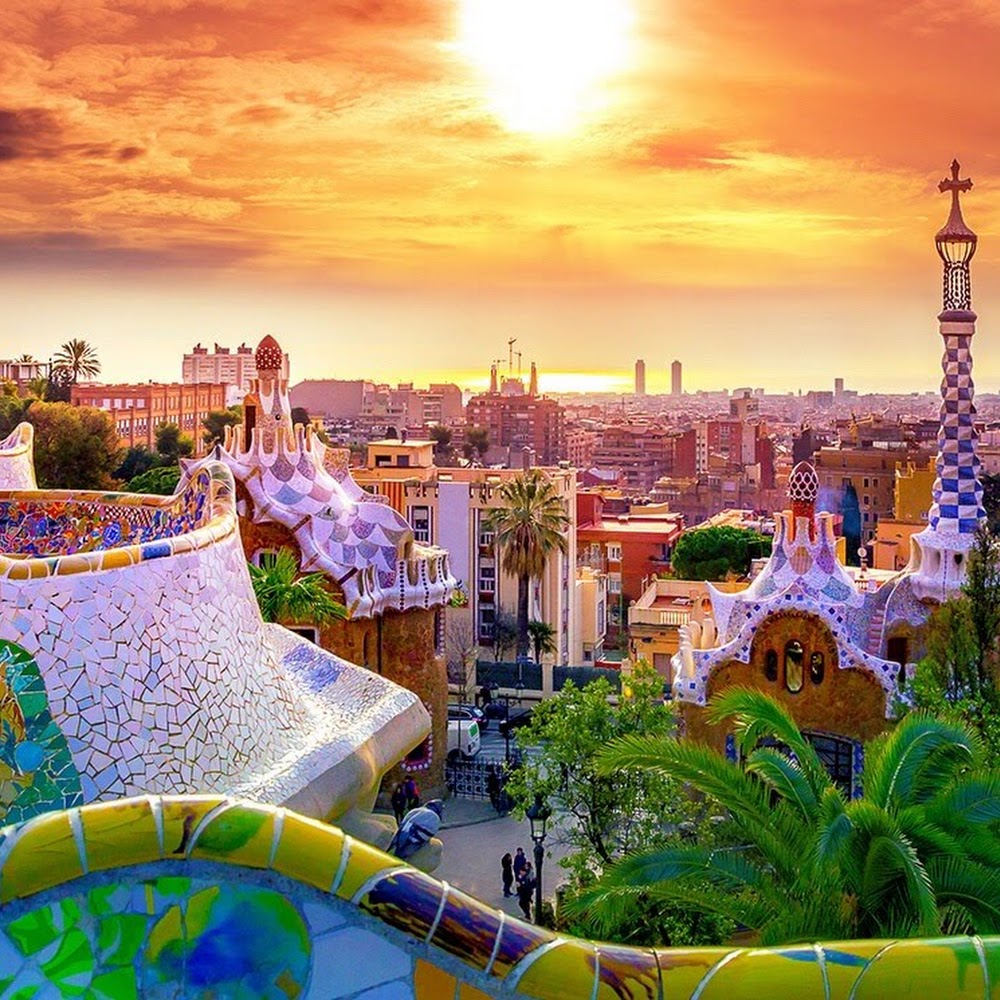
→ Instead:Go to Círculo de Bellas Artes rooftop in Madrid (€4 entry) or free viewpoints like Park Güell terraces in Barcelona
€25-30 to sit in traffic when Spanish cities are designed for walking and have excellent public transport
→ Instead:Buy a 10-ride Metro card in each city and walk — you'll see more, spend less, and get authentic experiences
Frequently Asked Questions
Is 10 days enough for Spain?
Yes, 10 days allows you to see the highlights of 3 major cities (Madrid, Barcelona, Seville) with 3-4 nights each. You'll experience Spain's art, architecture, food culture, and regional diversity without rushing. For a more relaxed pace or to add smaller cities like Granada or Toledo, consider 14 days.
How much does 10 days in Spain cost?
Budget travelers can expect $1,200-1,500 total, mid-range travelers $1,800-2,400, and luxury travelers $3,000+. This includes accommodation, meals, transport, and activities. The biggest expenses are hotels ($60-120/night) and high-speed train tickets ($80-120 between cities).
What is the best month to visit Spain?
April-May and September-October offer the best combination of pleasant weather (20-25°C), fewer crowds, and reasonable prices. Avoid July-August when temperatures can reach 40°C and tourist sites are packed. Winter (Dec-Feb) is mild but some attractions have reduced hours.
Do I need a visa for Spain?
US, UK, Canada, and Australia citizens need no visa for stays under 90 days within any 180-day period. EU citizens can stay indefinitely. Your passport must be valid for at least 3 months beyond your planned departure. No vaccinations required.
How do I get around Spain?
High-speed AVE trains connect major cities efficiently (Madrid-Barcelona 2.5hrs, Madrid-Seville 2.5hrs). Within cities, use metro systems in Madrid and Barcelona. Seville is walkable with occasional buses. Book train tickets in advance for significant discounts.
What should I pack for Spain?
Comfortable walking shoes (lots of cobblestones), layers for temperature changes, and a light jacket even in summer (air conditioning can be strong). For religious sites, bring something to cover shoulders and knees. Electrical adapter (Type C/F) needed for US devices.
Travel Tips forSpain
Embrace Spanish meal times
Lunch is 2-4pm, dinner 9-11pm. Restaurants that serve dinner at 6pm are tourist traps. Many shops close 2-5pm for siesta. Plan activities around these rhythms rather than fighting them.
Use cash for small purchases
Many tapas bars, markets, and small shops prefer cash. ATMs are everywhere and offer good exchange rates. Tip 5-10% at restaurants only if service was exceptional - tipping isn't expected like in the US.
Book train tickets early
AVE high-speed trains offer up to 40% discounts when booked 60+ days in advance. The Turista class is comfortable and much cheaper than Preferente. Download the Renfe app for easy booking.
Order like a local
Share multiple tapas rather than ordering individual mains. Try regional specialties: jamón ibérico everywhere, paella in Barcelona (but only at lunch), gazpacho in Seville. Avoid tourist menu translations - point at what others are eating.
Watch for pickpockets
Tourist areas like Las Ramblas, metro stations, and crowded markets attract pickpockets. Keep valuables in front pockets or a money belt. The 'helpful stranger' offering directions while an accomplice picks your pocket is common.
Learn basic Spanish phrases
Even basic Spanish opens doors and shows respect. 'Disculpe' (excuse me) and 'Gracias' (thank you) go far. Many younger Spaniards speak English, but older generations in smaller cities may not.
Essential Info
Euro (€). Cards widely accepted but carry cash for small bars, markets, tips. ATMs everywhere with good rates.
Not obligatory. Round up bills or leave 5-10% for exceptional service. Taxi drivers don't expect tips.
Orange Holiday Europe eSIM (€39.99 for 20GB, 30 days) or Vodafone Traveller SIM at airport
More Options inSpain
Places that didn't make the main itinerary but are worth knowing about.
More Activities
More Restaurants
Shopping
Bars & Nightlife
Cafes & Coffee
Explore Each City
Want to spend more time in a specific city? Check out our city-level deep-dive guides.
Related Itineraries
Ready to plan yourSpain trip?
Get this 10-day itinerary in your Yopki trip planner — customize, collaborate, and export to PDF.