

7 Day Spain Itinerary
Experience Spain's three iconic cities in one week. From Madrid's world-class museums to Seville's flamenco culture and Barcelona's stunning architecture, this itinerary balances must-see sights with authentic local experiences.
Day-by-Day Itinerary
Route Map
Budget Breakdown
Estimated cost per person for 7 days. Includes accommodation, all meals, local transport, activities, and miscellaneous expenses. Does not include international flights or travel insurance.
| Category | Daily | Total |
|---|---|---|
| accommodation | $80 | $560 |
| food | $45 | $315 |
| transport | $25 | $175 |
| activities | $20 | $140 |
| misc | $15 | $105 |
| Total | $185 | $1295 |
* Budget tier: mid-range. Prices in USD per person.
Money-saving tips:
- Many museums offer free entry in final 2 hours on weekdays
- Lunch menus (menú del día) cost €12-15 vs €25+ for dinner at same restaurants
- Buy 10-ride metro cards in Madrid and Barcelona for 20% savings
- Book AVE train tickets 2+ weeks ahead for significant discounts
- Skip hotel breakfast (€10-15) for local café breakfast (€5-8)
When to Go
Perfect weather (18-25°C), fewer crowds, shoulder season prices
Extreme heat (35°C+), crowded attractions, siesta closures
Neighborhood Guide
Get oriented before you arrive — what each area feels like and how to get around.
Sol & Centro
excellent walkabilityThe heartbeat pounds beneath your feet as you weave through crowds of locals clutching café cortados and tourists spinning in circles with maps. Every corner reveals a centuries-old building now housing a modern shop, creating this beautiful collision of old Madrid with today's hustle.
Known for: Puerta del Sol, Plaza Mayor, and Madrid's main shopping streets
Local tip: Duck into the covered markets like Mercado de San Miguel at 11am when vendors are setting up - they'll often let you sample jamón and cheese for free
Transit: Sol station (Lines 1, 2, 3) - the absolute center of Madrid's metro system
Best time: morning
Art Triangle (Prado-Reina Sofia area)
excellent walkabilityMuseum fatigue mingles with artistic inspiration as you move between world-class galleries. The tree-lined boulevards feel grand and important, like you're walking through the pages of an art history textbook that somehow became real.
Known for: Prado Museum, Reina Sofia, Thyssen-Bornemisza museums
Local tip: Get the Paseo del Arte ticket for €32 covering all three museums, but locals know to hit Prado at 6pm for just €3 in the last 2 hours
Transit: Atocha station (Lines 1, Cercanías) or Banco de España (Line 2)
Best time: morning
Retiro & Jerónimos
excellent walkabilityJoggers zip past elderly men feeding pigeons while children shriek with joy at the puppet shows. This green oasis feels like Madrid's living room - where the city comes to breathe and remember that life isn't all metro schedules and tapas rushes.
Known for: Retiro Park, Crystal Palace, peaceful green spaces
Local tip: Bring a beer from the Carrefour Express nearby and join locals for impromptu picnics - it's completely legal and normal
Transit: Retiro station (Line 2) or Ibiza (Line 9)
Best time: anytime
Santa Cruz
good walkabilityOrange blossoms perfume narrow cobblestone alleys so tight you can touch both walls at once. Every turn reveals a hidden plaza with a fountain, and the clip-clop of horse carriages echoes off ancient walls that have witnessed eight centuries of secrets.
Known for: Historic Jewish quarter, narrow medieval streets, traditional courtyards
Local tip: Follow the sound of running water - it always leads to a hidden courtyard where locals escape the heat
Transit: Puerta de Jerez (Line 1) or walk from Cathedral area
Best time: morning
Not stroller-friendly
Cathedral District
excellent walkabilityThe massive Gothic cathedral dominates everything, casting long shadows over bustling plazas where carriage horses stomp impatiently. Tourist energy mixes with the solemnity of pilgrims, while street performers compete with church bells for attention.
Known for: Seville Cathedral, Giralda tower, Real Alcázar
Local tip: Buy your Alcázar tickets online for specific time slots - locals book weeks ahead, especially during orange blossom season
Transit: Archivo de Indias (T1 tram) or Puerta de Jerez metro
Best time: morning
Eixample
excellent walkabilityWide boulevards stretch endlessly in perfect grids, interrupted by Gaudí's impossible architecture that makes you question reality. Modernist buildings lean over sidewalks where locals sip vermut at outdoor tables, completely unfazed by the architectural circus surrounding them.
Known for: Gaudí masterpieces, modernist architecture, Passeig de Gràcia shopping
Local tip: Casa Batlló and Casa Milà offer 'Magic Nights' visits after hours - fewer crowds and dramatic lighting that locals actually attend
Transit: Passeig de Gràcia (Lines 2, 3, 4) - major metro hub
Best time: morning
Gothic Quarter
good walkabilityMedieval walls hide trendy bars where Roman foundations peek through glass floors. Students with laptops claim tables in plazas that haven't changed in 500 years, while the shadows of Gothic spires shift across stone streets that echo with skateboard wheels and flamenco guitar.
Known for: Medieval architecture, Roman ruins, Barcelona Cathedral, nightlife
Local tip: Head to Plaça Reial at sunset for aperitiu hour - locals gather for cheap drinks before dinner starts at 10pm
Transit: Jaume I (Line 4) or Liceu (Line 3)
Best time: afternoon
Not stroller-friendly
What to Eat inSpain
Madrid
Eating etiquette
- •Stand at the bar for tapas - sitting doubles the price
- •Never eat dinner before 9:30pm or you'll dine alone
- •Leave olive pits and napkins on the floor - it shows the bar is popular
Breakfast
Café con leche and a tostada at the bar counter. Locals never sit down for breakfast - grab it standing up between 7-9am at any neighborhood bar.
Lunch
Menu del día (lunch menu) from 1:30-4pm offers 3 courses plus wine for €12-18. Look for places packed with office workers in suits, not tourists.
Dinner
Dinner starts at 9:30pm earliest. Book ahead for restaurants, but tapas bars are first-come-first-served. Order small plates to share - never a full meal per person.
Dishes you can't miss
Madrid's signature chickpea stew served in three courses - the ultimate winter comfort food
Malacatín or La Bola · €22-28
Tiny bar that's perfected garlic shrimp since 1906 - locals line up 3 deep at the bar
Casa del Abuelo near Sol · €8-10
Broken eggs over crispy potatoes - simple perfection that Madrileños crave for weekend brunch
La Sanabresa · €12-15
Street food highlights
Seville
Eating etiquette
- •Order fino sherry with seafood, manzanilla with everything else
- •Share all tapas plates - ordering individual portions marks you as a tourist
- •Lunch is sacred 2-4pm - nothing else happens during these hours
Breakfast
Tostada con tomate (toast with grated tomato) and café con leche. Skip hotel breakfast and join locals at neighborhood bars from 8-10am.
Lunch
Follow the 'ruta de tapas' - order one tapa and drink at each bar, then move on. Locals never stay at one place for a full meal.
Dinner
Even later than Madrid - 10pm is normal. Summer terraces don't fill up until 11pm when the heat finally breaks.
Dishes you can't miss
Perfectly fried small fish - the dish that made Seville famous across Andalusia
El Rinconcillo (oldest bar in Seville) · €8-12
Spinach and chickpeas dish that locals order religiously during Lent and beyond
Bar Las Teresas · €6-8
Pork and ham roll that originated here - crispy outside, melting inside
Casa Morales · €10-14
Street food highlights
Barcelona
Eating etiquette
- •Mix Catalan and Spanish - locals are proud of both cultures
- •Share patatas bravas but never share pa amb tomàquet - it's personal
- •Learn 'Bon profit' instead of 'Buen provecho'
Breakfast
Pa amb tomàquet (bread with tomato) is religion here. Order it with jamón ibérico and café amb llet at neighborhood bars, not tourist cafés.
Lunch
Menu del día includes wine but portions are huge - perfect for sharing between two people if you ask nicely.
Dinner
Slightly earlier than southern Spain - 9pm is acceptable. Book terraces for sunset views, but locals know the best food is in tiny interior places.
Dishes you can't miss
Oldest paella restaurant in Barcelona - locals argue it's better than Valencia's
Can Solé (Barceloneta) · €18-25 per person
Potato bombs with spicy sauce invented in this exact bar in Barceloneta
La Bombeta bar · €3-4 each
Catalonia's answer to crème brûlée, invented centuries before the French version
Els Quatre Gats · €6-8
Street food highlights
Getting Between Cities
How to book: Buy at Atocha station ticket machines (touch English flag) or Renfe app. Book 24-48 hours ahead for best prices.
Platform: Platform announced 15 minutes before departure. Take escalator to upper level platforms. Board from any car - seats are assigned.
Luggage: Place large bags in overhead racks or space behind last row of seats. No weight restrictions unlike airlines.
Pro tip: Right side windows for countryside views, left side approaching Seville for glimpse of Cathedral
How to book: Book directly with airlines or Skyscanner. Airport bus A2 connects Seville center to airport in 35 minutes for €4.
Platform: Seville airport is tiny - arrive 90 minutes early maximum. Barcelona El Prat: take Aerobus A1 to city center (30 minutes, €5.90)
Luggage: Ryanair charges for everything - pack light. Vueling includes small carry-on free.
Pro tip: Left side windows for Mediterranean coast views approaching Barcelona
Daily Walking Distances
Packing List
Cobblestone streets in Seville and Gothic Quarter are slippery when wet
Required for entering Spanish cathedrals and useful for evening terraces
Heavy navigation use between museums and neighborhoods drains batteries fast
Free refill fountains throughout all three cities, saves €2-3 per bottle
Spanish buildings aren't well-heated and evening terrace dining gets chilly
Many tapas bars and local markets don't accept cards, especially for small purchases
Spanish sun is intense year-round, plus reduces squinting in photos
Tapas culture involves shared plates and standing at crowded bars
Pickpockets target tourists in crowded areas like Las Ramblas and Puerta del Sol
GPS works poorly in narrow Gothic Quarter streets and saves roaming charges
Extensive walking on uneven surfaces causes hotspots even in good shoes
Spanish weather changes quickly and you'll be outdoors extensively
English less common outside tourist centers, especially in traditional tapas bars
Skip These
Save your time and money — here's what to skip and what to do instead.
Overpriced tourist trap with aggressive street vendors and pickpockets. The 'authentic' atmosphere disappeared decades ago.
→ Instead:Walk down Passeig de Gràcia instead for real Catalan city life plus stunning modernist architecture
Watered-down performances with overpriced mediocre food. Real flamenco doesn't happen during dinner service.
→ Instead:Catch authentic shows at Casa de la Guitarra in Seville (€18, no food required) or tablao bars after 11pm
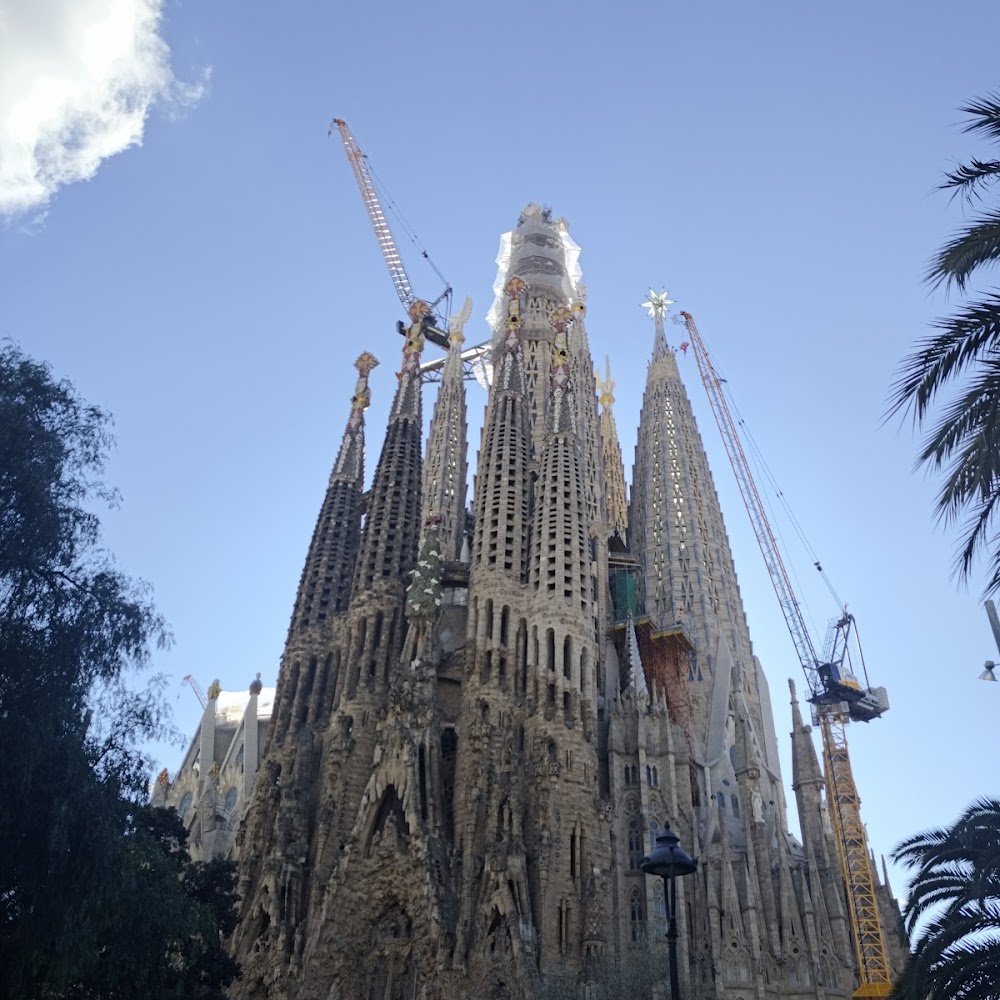
€26 to see construction scaffolding and concrete. The exterior is the masterpiece - interior won't be finished for decades.
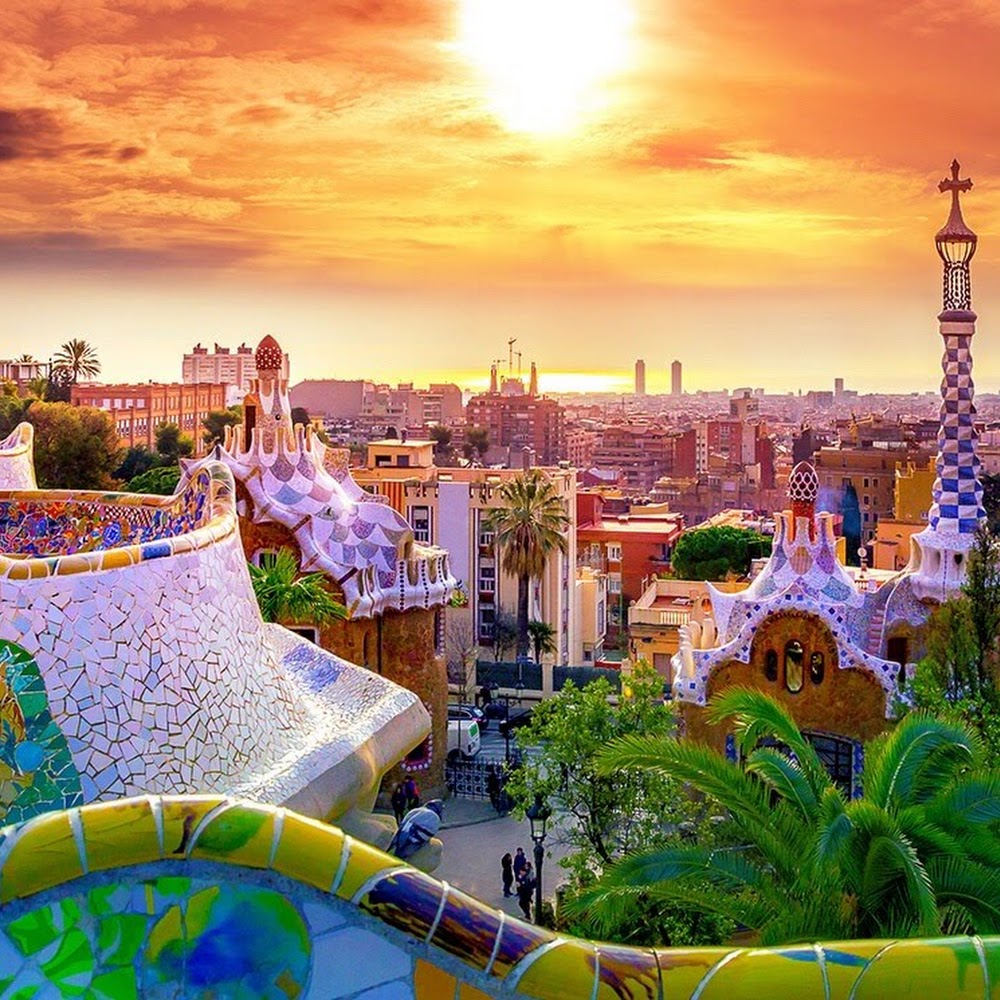
→ Instead:Admire Gaudí's completed vision at Park Güell or Casa Batlló where you can see his actual finished work
Rushed 3-hour visit to see tourist shops selling Made-in-China 'medieval' swords. The travel time isn't worth it.
→ Instead:Explore Madrid's Royal Palace and Armory for authentic Spanish royal history without the bus tour crowds
Frequently Asked Questions
Is 7 days enough for Spain?
Yes, 7 days allows you to experience Spain's three main highlights: Madrid's world-class museums, Seville's Moorish architecture and flamenco culture, and Barcelona's unique Gaudí modernism. You'll get a solid taste of Spanish culture, food, and history, though you'll want to return for more regions like Valencia, Granada, or the Basque Country.
How much does 7 days in Spain cost?
Budget travelers can manage on $75-90/day ($525-630 total), mid-range travelers should expect $150-200/day ($1050-1400 total), and luxury travelers will spend $300+/day ($2100+ total). Major costs are accommodation (€60-120/night), dining (€25-50/day), and intercity transport (€65-80 between cities).
What is the best month to visit Spain?
April-May and September-October offer the best combination of pleasant weather (18-25°C), fewer crowds, and reasonable prices. Summer (July-August) is hot and crowded, especially in Seville which can reach 40°C. Winter is mild but some attractions have reduced hours.
Do I need a visa for Spain?
US, UK, Canada, and Australia citizens can visit Spain visa-free for up to 90 days with just a passport. EU citizens can stay indefinitely. Your passport must be valid for at least 6 months beyond your travel dates. No special vaccinations required.
Is it better to fly or take the train between Spanish cities?
For Madrid-Barcelona, the AVE high-speed train (3 hours) is more convenient than flying when you factor in airport time. For Madrid-Seville, both train (2h 45min) and flight (1h 15min + airport time) work well. Train stations are city-center while airports require additional transfer time.
What should I eat in Spain?
Must-try dishes include jamón ibérico and manchego cheese, paella (best at lunch), gazpacho in Andalusia, pintxos in the north, and churros con chocolate. Spanish dining happens late: lunch at 2-3pm, dinner at 9-10pm. Tapas culture means small plates shared with drinks.
Travel Tips forSpain
Spanish dining schedule
Lunch happens 2-3pm, dinner 9-10pm. Many restaurants close 4-7pm for siesta. Tapas are meant for sharing over drinks, not as a full meal replacement.
Menu del día savings
Lunch menus (menú del día) offer 3-course meals with wine for €12-15, often at restaurants that charge €25+ for dinner. Available weekdays 1-4pm.
Book AVE trains in advance
Spanish high-speed trains offer significant discounts when booked 2+ weeks ahead. Madrid-Barcelona can drop from €130 to €45 with advance booking.
Siesta is real
Many shops and attractions close 2-5pm, especially in smaller cities. Plan museum visits for mornings or late afternoons to avoid disappointment.
Pickpocket awareness
Tourist areas in Madrid, Barcelona, and Seville have pickpocket activity. Keep valuables in front pockets or money belt, especially on metro and in crowded markets.
Book popular attractions ahead
Alhambra, Sagrada Familia, and Seville Alcázar sell out daily. Book 1-2 weeks in advance to avoid disappointment, especially during peak season.
Essential Info
Euro (€) widely accepted on cards. ATMs everywhere with good exchange rates. Carry cash for small tapas bars and markets.
Round up bills or leave 5-10% at restaurants. No tipping expected at bars for drinks. Taxi drivers appreciate rounding up to nearest euro.
Orange or Vodafone prepaid SIM (€15-20 for 1 month), or Airalo eSIM for visitors
More Options inSpain
Places that didn't make the main itinerary but are worth knowing about.
More Activities
More Restaurants
Shopping
Bars & Nightlife
Cafes & Coffee
Explore Each City
Want to spend more time in a specific city? Check out our city-level deep-dive guides.
Related Itineraries
Ready to plan yourSpain trip?
Get this 7-day itinerary in your Yopki trip planner — customize, collaborate, and export to PDF.