
10 Day Thailand Itinerary
From Bangkok's golden temples to Chiang Mai's mountain culture and Phuket's stunning beaches, this 10-day Thailand itinerary balances must-see sights with local experiences. Perfect for first-time visitors seeking culture, food, and relaxation.
Day-by-Day Itinerary
Route Map
Budget Breakdown
Estimated cost per person for 10 days. Includes accommodation, all meals, local transport, activities, and miscellaneous expenses. Does not include international flights or travel insurance.
| Category | Daily | Total |
|---|---|---|
| accommodation | $34 | $340 |
| food | $25 | $250 |
| transport | $35 | $350 |
| activities | $22 | $220 |
| misc | $10 | $100 |
| Total | $126 | $1260 |
* Budget tier: mid-range. Prices in USD per person.
Money-saving tips:
- Eat at local restaurants and street food stalls - often better and 1/3 the price of tourist restaurants
- Use public transport in Bangkok (BTS/MRT) instead of taxis - saves 60-70% on transport costs
- Book domestic flights in advance - can save 30-50% vs last-minute booking
- Stay in Old City areas of Bangkok and Chiang Mai - walking distance to attractions saves transport money
- Negotiate songthaew (red trucks) prices in Chiang Mai before getting in - should be 30-50฿ for short trips
When to Go
Cool, dry season with comfortable temperatures and minimal rainfall
Hot season followed by rainy season with heavy downpours and high humidity
Neighborhood Guide
Get oriented before you arrive — what each area feels like and how to get around.
Rattanakosin Island (Historic Bangkok)
good walkabilityThe air is thick with incense and reverence as saffron-robed monks glide past crumbling royal walls. Every corner whispers centuries of Thai history while tuk-tuks weave through crowds of pilgrims and selfie-stick wielding tourists.
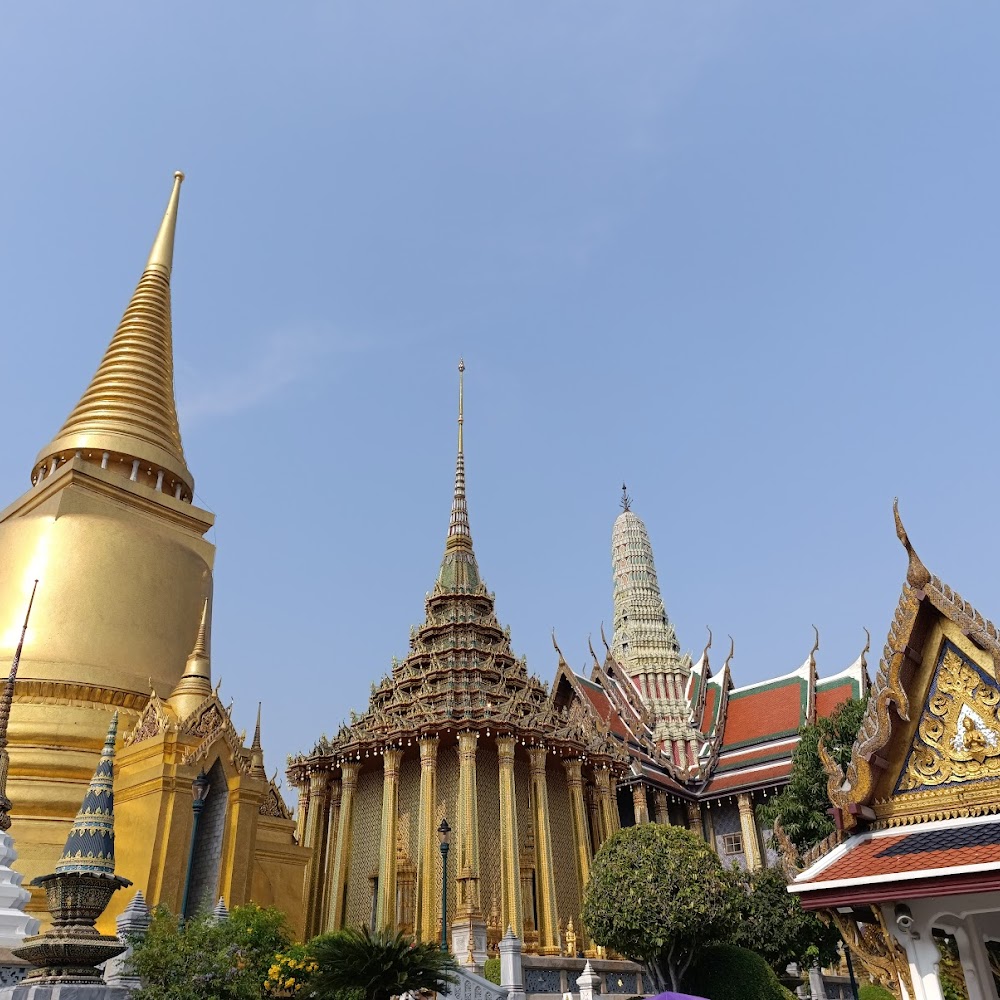
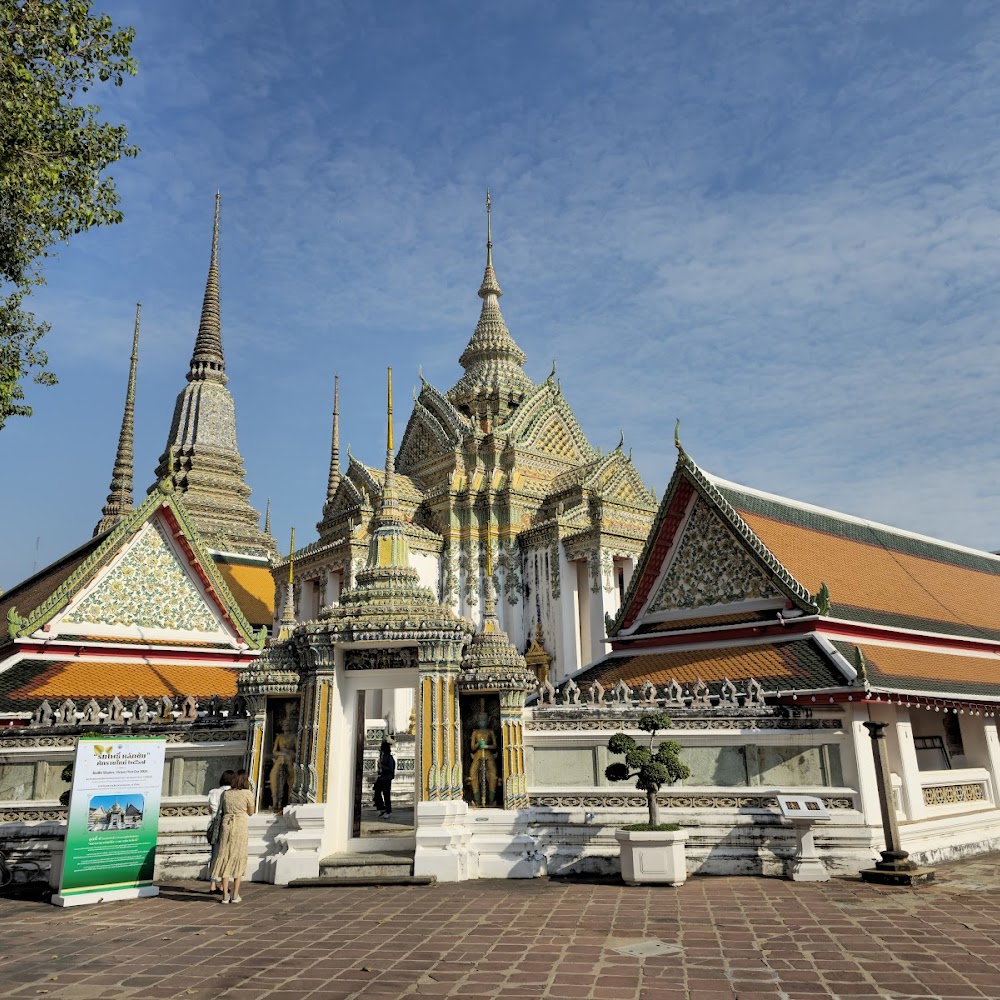
Known for: Grand Palace, Wat Pho temple, and the heart of old Bangkok
Local tip: Visit temples at 6 AM when locals come to make merit offerings - it's peaceful and you'll witness authentic Buddhist rituals
Transit: Saphan Taksin BTS then express boat to Tha Maharaj pier
Best time: morning
Not stroller-friendly
Chatuchak Weekend Market
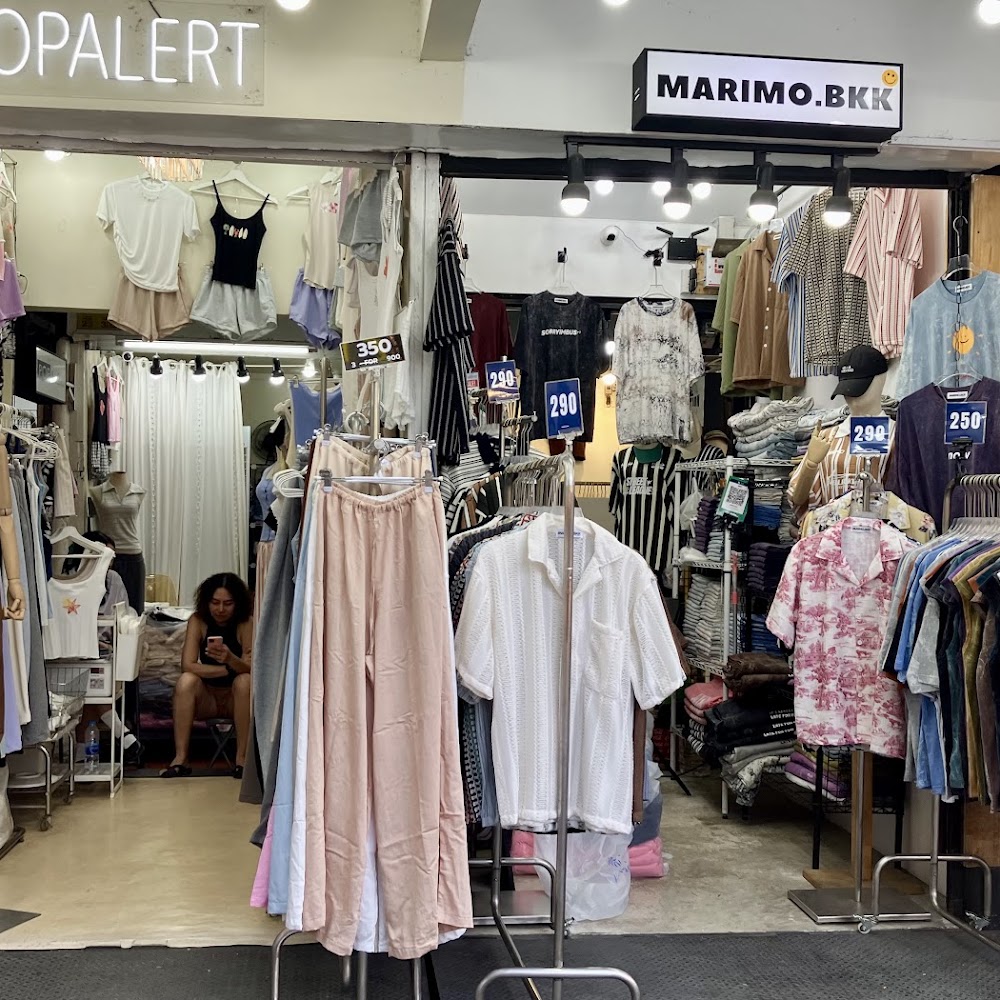
excellent walkabilityA labyrinthine sensory overload where the smell of grilling satay mingles with vintage leather and blooming orchids. The energy is electric but can feel claustrophobic as 200,000 people navigate narrow aisles hunting for treasures.
Known for: World's largest weekend market with 15,000 stalls
Local tip: Thai locals shop sections 2-6 for clothing bargains and always eat at the food court on Kamphaeng Phet Road side - it's cheaper than market food
Transit: Chatuchak Park MRT or Mo Chit BTS
Best time: morning
Not stroller-friendly
Nimman (Nimmanhaemin Road)
excellent walkabilityHipster coffee shops and boutique hotels line tree-shaded streets where university students on scooters zip past artisanal ice cream parlors. It feels like Bangkok's trendy districts but with mountain air and a decidedly more relaxed pace.
Known for: Trendy cafes, boutique shopping, and Chiang Mai University area
Local tip: Locals hang out at Think Park in the evenings - it's an outdoor food court with craft beer and live music that tourists rarely discover
Transit: Red songthaew from Old City (30 baht) or Grab
Best time: evening
Phuket Old Town
excellent walkabilityPastel-colored Sino-Portuguese shophouses create Instagram-perfect backdrops while the aroma of Hokkien mee drifts from family-run restaurants. It's charming but can feel like a beautifully preserved museum rather than a living neighborhood.
Known for: Historic architecture, street art, and Peranakan culture
Local tip: Local Chinese-Thai families still live upstairs in the shophouses - buy coffee or tea from ground floor shops and you'll often chat with third-generation residents
Transit: Blue songthaew from beaches or local bus from Phuket Town
Best time: morning
What to Eat inThailand
Bangkok
Eating etiquette
- •Never tip at street food stalls
- •Use spoon in right hand, fork in left to push food
- •Don't stick chopsticks upright in rice
- •It's normal to share dishes family-style
Breakfast
Locals eat jok (rice porridge) from 6-9 AM at shophouse stalls. Look for places with lines of office workers grabbing takeaway in plastic bags.
Lunch
Follow the 11:30 AM office worker rush to food courts in malls or street stalls near BTS stations. Lunch sets cost 60-80 baht and portions are generous.
Dinner
Dinner starts early at 6 PM. No reservations needed at most local places. Order multiple dishes to share and eat with steamed rice.
Dishes you can't miss
Tiny bowls of intensely flavored broth - locals eat 5-6 bowls in one sitting
Victory Monument boat noodle alley · $1-2 per bowl
Made fresh to order - specify spice level or you'll get Thai-level heat
Any street cart with mortar and pestle · $2-3
Street food highlights
Chiang Mai
Eating etiquette
- •Northern Thai style is to eat sticky rice with hands
- •Larb (meat salad) is eaten with raw vegetables as wraps
- •Share everything family-style
- •Locals often eat sitting on floor mats
Breakfast
Khao soi for breakfast is common - locals eat this curry noodle soup any time of day at shophouse restaurants from 7 AM.
Lunch
University area around CMU has cheap, authentic food courts. Look for places packed with students for best value and flavor.
Dinner
Dinner often includes som tam, sticky rice, and grilled meats. Eating outdoors on plastic stools is normal and preferred.
Dishes you can't miss
Coconut curry noodles with crispy noodles on top - this shop has perfected the recipe for 30 years
Khao Soi Mae Sai near Chiang Mai University · $2-3
Herby, spicy pork sausage that's unique to northern Thailand
Warorot Market · $3-4
Street food highlights
Phuket
Eating etiquette
- •Hokkien mee is eaten with chopsticks
- •Fresh seafood is often eaten with fingers
- •Lime juice is squeezed on almost everything
- •Sharing dishes is expected
Breakfast
Dim sum and Chinese tea from 7-10 AM at Chinese restaurants. Locals read newspapers and take their time.
Lunch
Avoid beachside restaurants at lunch - head to Phuket Town for authentic food at 1/3 the price of beach restaurants.
Dinner
Fresh seafood dinners start around 6 PM. Pick your fish/crab from ice displays and specify cooking method.
Dishes you can't miss
Yellow noodles in rich pork and prawn broth - a Phuket specialty rarely found elsewhere in Thailand
Mee Ton Poe restaurant, Old Town · $4-5
Fresh mud crab in curry sauce - this waterfront restaurant sources directly from local fishermen
Kan Eang @ Pier, Chalong · $15-20
Street food highlights
Getting Between Cities
How to book: Book online via airline websites or use Agoda/Expedia. Check-in opens 24 hours before. Arrive at Don Mueang (Nok Air) or Suvarnabhumi (Thai Airways) 1.5 hours early.
Platform: DMK is smaller and easier to navigate. BKK has more food options. Both have free WiFi.
Luggage: 20kg checked bag included on most tickets. Keep travel documents and valuables in carry-on.
Pro tip: Left side of plane for mountain views approaching Chiang Mai
How to book: Book direct with airlines for best prices. AirAsia often has promotions. Mobile boarding passes accepted.
Platform: Chiang Mai airport is small - arrive 1 hour early. Phuket airport is larger with two terminals.
Luggage: AirAsia charges extra for checked bags. Other airlines include 20kg. Airport security is strict about liquids.
Pro tip: Right side windows show Andaman Sea and islands on approach to Phuket
Daily Walking Distances
Packing List
Bangkok and Phuket can have sudden tropical downpours even in dry season
Long pants and covered shoulders required for Grand Palace and Wat Pho - strictly enforced
Phi Phi Islands are marine protected areas - chemical sunscreens harm coral reefs
You'll walk 4-6km daily on uneven temple grounds and market floors
Chiang Mai mountains and Phuket beaches have mosquitoes year-round
Thailand uses multiple plug types - hotels don't always provide adapters
Essential for Phi Phi Islands boat trip and potential rain in Bangkok
Street food, tuk-tuks, and temples often require exact change
Air conditioning is freezing in malls/restaurants and useful for temple visits
Help your stomach adjust to new foods and street food bacteria
Beach days and sudden rain - hotel towels aren't always available at beaches
Easy to remove at temples and essential for beach days
Long sightseeing days drain phone batteries quickly in heat
Skip These
Save your time and money — here's what to skip and what to do instead.
Overcrowded, polluted water, aggressive touts, and overpriced everything - it's become a tourist trap
→ Instead:Stay in Kata or Karon Beach instead - cleaner water, better restaurants, and more authentic Thai atmosphere
Damnoen Saduak is 90% tourists buying overpriced trinkets from vendors who no longer actually live there
→ Instead:Visit Chatuchak Weekend Market instead - real locals shop there and prices are genuine
Tigers are sedated and it supports unethical wildlife tourism - the animals are not naturally calm
→ Instead:Visit Elephant Nature Park for ethical elephant encounters or take the Doi Suthep temple hike for better mountain views
It's just a street of drunk backpackers eating Western food - nothing authentically Thai about it anymore
→ Instead:Experience real Bangkok nightlife in Thonglor or explore the night markets in Saphan Phut for local culture
Frequently Asked Questions
Is 10 days enough for Thailand?
Ten days gives you a solid introduction to Thailand's highlights - Bangkok's temples and culture, northern mountain culture in Chiang Mai, and southern beaches. You'll get a taste of each region without feeling rushed, though you could easily spend months exploring more deeply.
How much does 10 days in Thailand cost?
Budget travelers can expect $40-60/day ($400-600 total), mid-range travelers $80-120/day ($800-1200), and luxury travelers $200+/day ($2000+). This includes accommodation, food, transport, and activities. Street food and local transport keep costs low.
What is the best month to visit Thailand?
November through March is ideal - cool, dry weather with temperatures around 26-28°C. Avoid May through September (rainy season) when heavy downpours can disrupt outdoor activities. December-February is peak season with higher prices but perfect weather.
Do I need a visa for Thailand?
US, UK, EU, Canadian, Australian, and most Western passport holders get 30 days visa-free (60 days if arriving by air as of 2024). Ensure your passport is valid for 6+ months and have proof of onward travel. Extensions possible for 30 days at immigration offices.
Is Thailand safe for solo travelers?
Thailand is very safe for solo travelers, including women. Use common sense precautions: avoid isolated areas at night, watch drinks, use registered taxis/Grab, and dress modestly at temples. The tourism infrastructure is well-developed and locals are generally helpful.
What should I pack for Thailand?
Light, breathable clothing, comfortable walking shoes, sandals, rain jacket, sunscreen, insect repellent, and modest temple attire (covering shoulders/knees). Pack light - cheap laundry services available everywhere. Don't forget universal adapter and portable charger.
Travel Tips forThailand
ATMs widely available, carry some cash
ATMs everywhere with English menus. Withdraw from purple Siam Commercial Bank ATMs for lowest fees (220฿ per transaction). Always carry cash - street food, tuk-tuks, and temples often don't accept cards. Notify your bank before traveling.
Use Grab app instead of flagging taxis
Download Grab (Southeast Asian Uber) for reliable, upfront-priced transport. In Bangkok, BTS Skytrain and MRT subway are fastest during traffic. In Chiang Mai, negotiate songthaew (red truck) prices before boarding - typically 30-50฿ for short trips.
Temple dress code is strictly enforced
Cover shoulders and knees at all temples. Carry a sarong or light pants. Remove shoes before entering temple buildings. Don't point feet toward Buddha images. Small donation (20-50฿) appreciated but not required. Women cannot touch monks directly.
Street food is safe and delicious
Eat where locals eat and food is cooked fresh. Avoid pre-cooked food sitting under heat lamps. 'Mai ped' means not spicy. Try regional specialties: pad thai in Bangkok, khao soi in Chiang Mai, seafood in Phuket. Bottled water recommended.
Common scams to avoid
Tuk-tuk drivers offering 20฿ city tours (leads to gem shops), closed temple scams, and jet ski damage scams in Phuket. Always use meters in official taxis or use Grab. Negotiate prices before services. Keep copies of passport and important documents.
Respect local customs and monarchy
Never criticize the royal family (illegal). Stand during national anthem in cinemas. Remove hats in temples. Use both hands when receiving business cards. Smile and stay calm - anger causes loss of face. Learn basic Thai phrases - locals appreciate the effort.
Essential Info
Thai Baht (฿). Cards accepted at hotels, restaurants, malls. Cash needed for street food, transport, temples. ATMs charge 220฿ fee per transaction.
Not expected but appreciated. Round up for taxis, 10% for good restaurant service, 100-200฿ for spa treatments, 20-50฿ for helpful hotel staff.
AIS or TrueMove prepaid SIM at airport (300-500฿ for tourist packages with data)
More Options inThailand
Places that didn't make the main itinerary but are worth knowing about.
More Activities
More Restaurants
Shopping
Bars & Nightlife
Cafes & Coffee
Explore Each City
Want to spend more time in a specific city? Check out our city-level deep-dive guides.
Related Itineraries
Ready to plan yourThailand trip?
Get this 10-day itinerary in your Yopki trip planner — customize, collaborate, and export to PDF.