
7 Day Thailand Itinerary
From Bangkok's golden temples and legendary street food to Koh Phi Phi's crystal-clear waters and limestone cliffs, this week-long journey captures Thailand's essential experiences. Perfect for first-time visitors seeking culture, adventure, and beach time.
Day-by-Day Itinerary
Route Map
Budget Breakdown
Estimated cost per person for 7 days. Includes accommodation, all meals, local transport, activities, and miscellaneous expenses. Does not include international flights or travel insurance.
| Category | Daily | Total |
|---|---|---|
| accommodation | $32 | $224 |
| food | $34 | $238 |
| transport | $31 | $217 |
| activities | $15 | $105 |
| misc | $8 | $56 |
| Total | $120 | $840 |
* Budget tier: mid-range. Prices in USD per person.
Money-saving tips:
- Eat at food courts and street stalls - authentic and cheap (฿80-150 vs ฿400+ at tourist restaurants)
- Book domestic flights 2-3 weeks ahead for 40% savings over last-minute prices
- Use BTS/MRT in Bangkok instead of taxis - faster and ฿15-60 vs ฿100-300
- Stay in Khao San area Bangkok for budget accommodation with character
- Book island tours directly from local shops, not hotel concierge (30% markup)
When to Go
Cool, dry season with perfect beach weather and clear skies
Monsoon season with heavy rainfall and rough seas affecting boats
Neighborhood Guide
Get oriented before you arrive — what each area feels like and how to get around.
Rattanakosin Island (Old City)
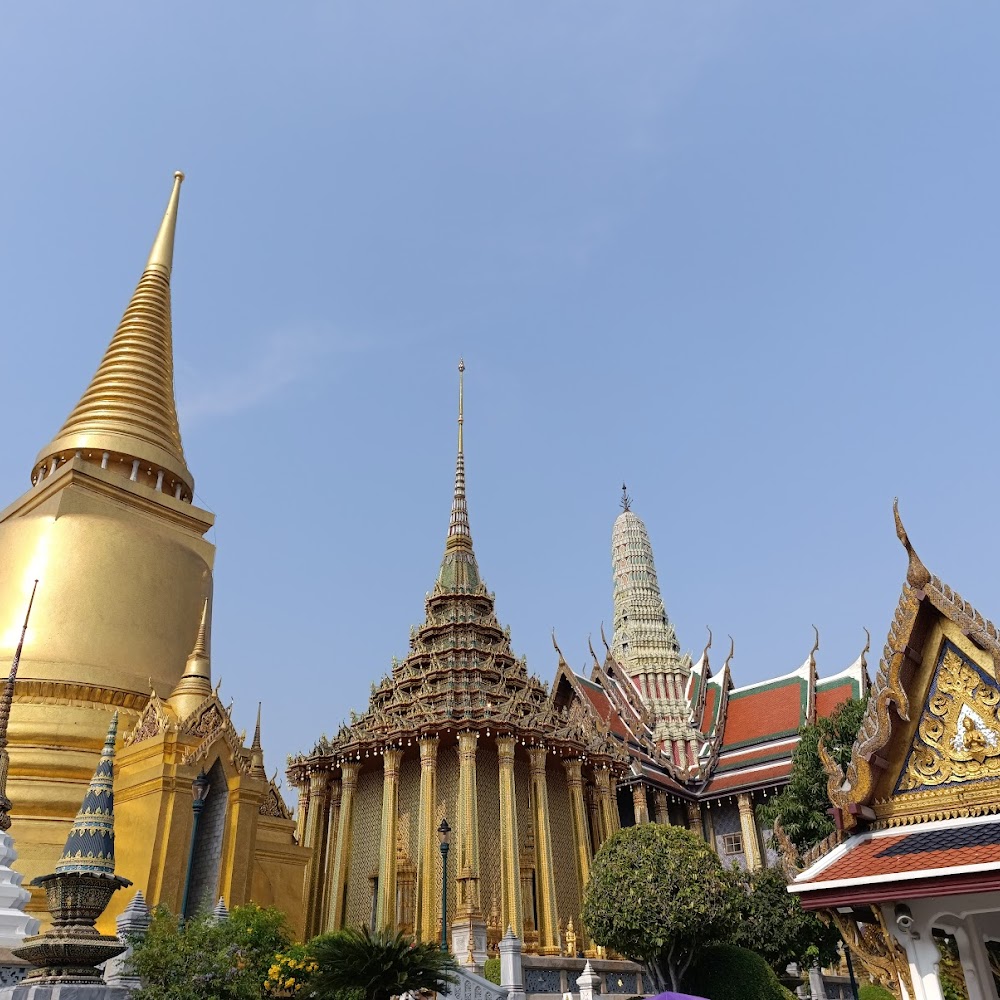
good walkabilityThe air thick with incense and history, every corner echoes with temple bells while tuk-tuks weave between ancient walls and modern pilgrims. It feels like walking through Thailand's living memory, where the sacred and chaotic blend seamlessly.
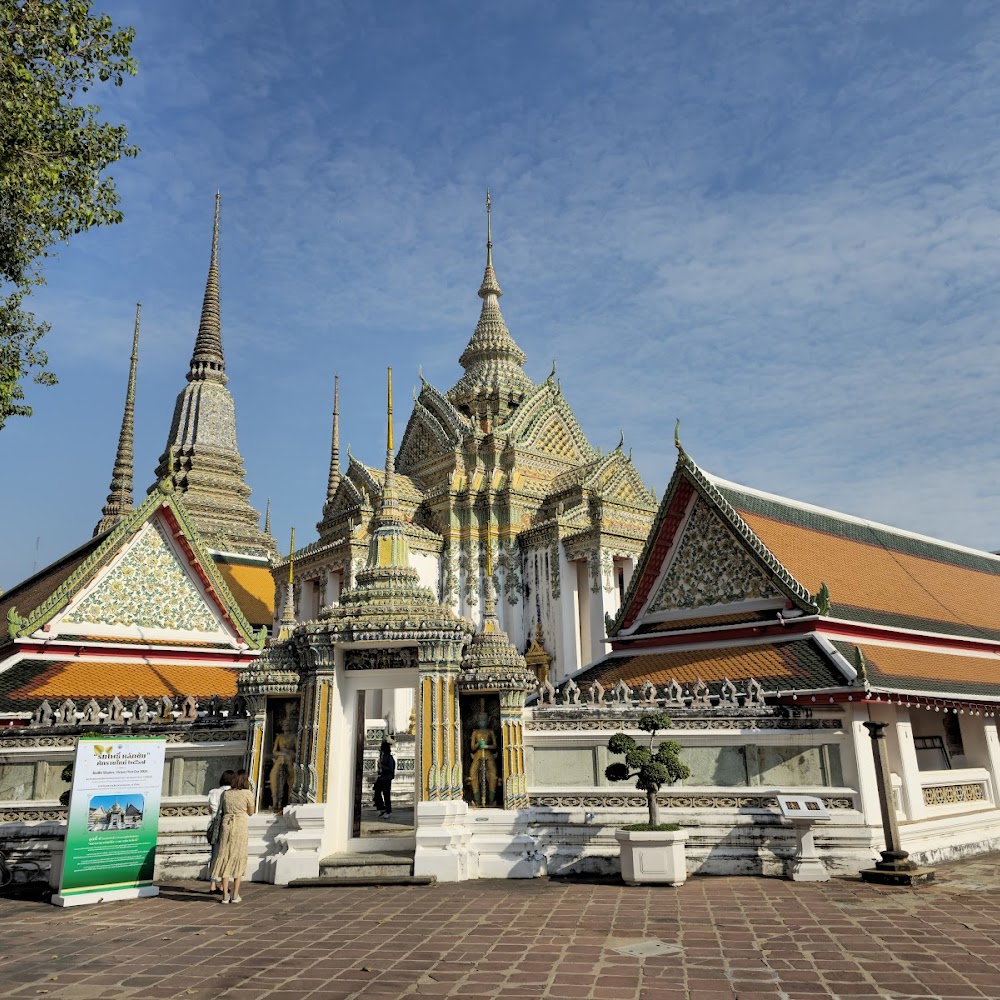
Known for: Grand Palace, Wat Pho, Wat Arun, and the birth of modern Thailand
Local tip: Visit temples at 6 AM when monks are chanting - it's free, peaceful, and you'll see actual worship instead of tourist photos
Transit: Saphan Taksin BTS + express boat to Tha Chang Pier
Best time: early morning
Not stroller-friendly
Chinatown (Yaowarat)
excellent walkabilityNeon signs flicker over narrow alleys where gold shops gleam next to street carts sizzling with pork belly. The energy is electric after dark when office workers flood in for the city's best late-night eats.
Known for: Street food paradise, gold trading, traditional Chinese medicine
Local tip: Locals eat here after 8 PM - that's when the best vendors set up and prices drop as they compete for dinner crowds
Transit: Hua Lamphong MRT or Saphan Phut on Blue Line
Best time: evening
Not stroller-friendly
Thonburi Canal District
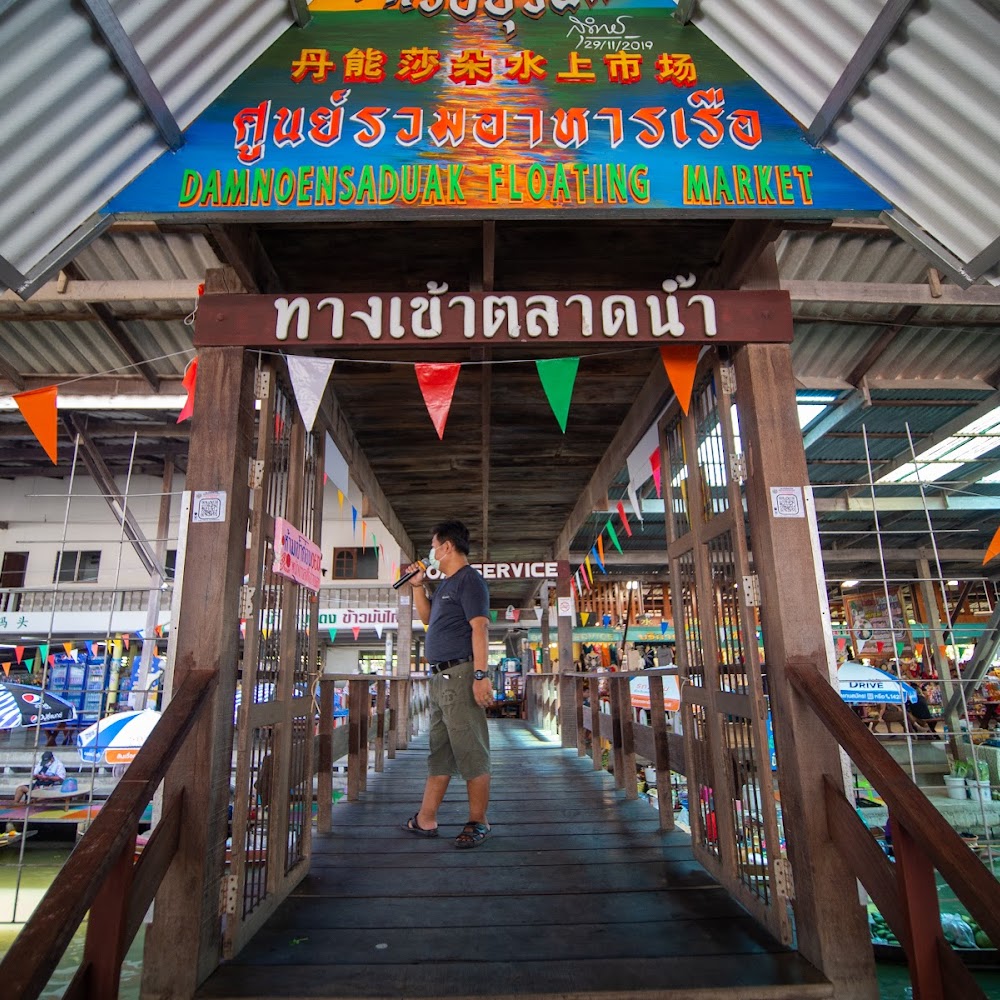
poor walkabilityWooden houses on stilts reflect in murky canals while longtail boats navigate between floating vendors and temple spires. It feels like old Bangkok - humid, authentic, and refreshingly unhurried.
Known for: Floating markets, traditional canal life, Wat Arun temple
Local tip: Take the public longtail boats (8 baht) instead of tourist boats - same route, authentic experience, and locals will point out hidden temples
Transit: Wang Thonglang BTS + longtail boat from Saphan Taksin
Best time: morning
Not stroller-friendly
Siam & Pratunam
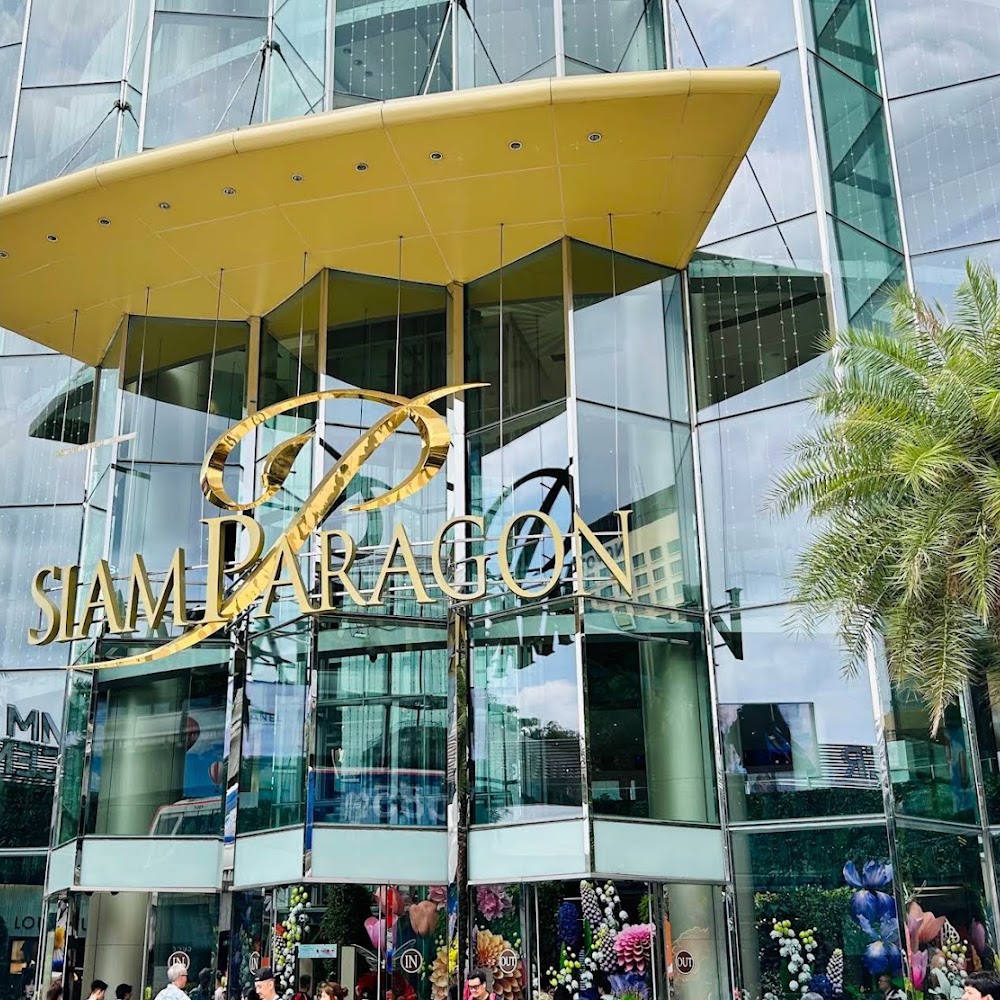
excellent walkabilityGlass towers soar above street-level chaos where Hermès neighbors 20-baht noodle stalls. The contrast is jarring but quintessentially Bangkok - luxury and grit existing in perfect, air-conditioned harmony.
Known for: Shopping malls, street fashion, rooftop bars, modern Thai culture
Local tip: Eat in mall food courts - they're where office workers go for quality, cheap meals with AC. MBK food court has the best variety.
Transit: Siam BTS (interchange of Sukhumvit and Silom lines)
Best time: afternoon
Tonsai Village
excellent walkabilityNarrow concrete paths wind between reggae bars and dive shops while fire shows light up the beach at night. It pulses with backpacker energy - young, loud, and unapologetically hedonistic.
Known for: Nightlife, budget accommodations, diving tours, fire shows
Local tip: Buy snacks and water from 7-Eleven before island hopping tours - boat vendors charge 5x the price for the same items
Transit: Tonsai Pier (main arrival point)
Best time: evening
Not stroller-friendly
Long Beach (Laem Tong)
good walkabilityPowder-soft sand stretches between jungle-covered cliffs while luxury resorts hide behind coconut palms. It's Phi Phi's quiet side - still tropical paradise but with room to breathe.
Known for: Pristine beaches, luxury resorts, snorkeling, sunset views
Local tip: Walk to the far northern end where a hidden trail leads to a tiny secluded cove that most tourists never find
Transit: Longtail boat from Tonsai Village (15 minutes)
Best time: morning
Not stroller-friendly
What to Eat inThailand
Bangkok
Eating etiquette
- •Use fork to push food onto spoon - never eat with the fork
- •Share dishes family-style, order 1 dish per person plus rice
- •Slurp noodle soup - it shows appreciation
- •Don't stick chopsticks upright in rice
Breakfast
Locals eat rice porridge (jok) or noodle soup from 6-8 AM at street carts near BTS stations. Sweet coffee with condensed milk is standard.
Lunch
Follow office workers to air-conditioned food courts in malls (11:30 AM-1 PM). Pay 40-60 baht for restaurant-quality dishes. Avoid tourist areas during lunch rush.
Dinner
Street food comes alive after 6 PM when vendors wheel out fresh ingredients. Locals eat late (8-10 PM) and linger. No reservations needed for street stalls.
Dishes you can't miss
Tiny bowls of intensely flavored beef broth - locals order 5-6 bowls
Victory Monument street stalls · $1-2 per bowl
Using premium Alphonso mangoes and coconut cream - the gold standard
Mae Varee Fruit Shop (near Chong Nonsi BTS) · $3-4
Made by actual Northeastern immigrants, not tourist versions
Isaan restaurants in Huai Khwang · $2-3
Street food highlights
Koh Phi Phi
Eating etiquette
- •Prices are inflated - everything is imported by boat
- •Seafood is caught locally but still expensive due to demand
- •Tipping 10% is expected at sit-down restaurants
- •Bargain politely at beachside vendors
Breakfast
Most guesthouses include basic Thai breakfast (rice soup, coffee). Western breakfast costs 3x mainland prices but portions are huge for sharing.
Lunch
Eat at local workers' spots behind main strip - same food, half the price. Look for places with no English menu and plastic chairs.
Dinner
Beachfront dining is overpriced but atmospheric. Book sunset tables early. Local places serve until 11 PM, tourist places close earlier.
Dishes you can't miss
Caught that morning, grilled with garlic and lime - island perfection
Local fishing family restaurants in Tonsai · $8-12
Using Andaman Sea blue swimmers and island-grown herbs
Anna Restaurant (locals' choice) · $6-8
Street food highlights
Getting Between Cities
How to book: Book online through 12go.asia or buy at Khao San Road agencies. For flights, book direct with Bangkok Airways or Nok Air to Krabi, then ferry.
Platform: Southern Bus Terminal is far from city - take BTS to Bang Sue then taxi. For flights, DMK airport is closer than Suvarnabhumi for Phi Phi connections.
Luggage: Ferry luggage goes on top deck - waterproof your bags. Weight limits strict on small planes to Krabi.
Pro tip: Bus: choose upper deck for views. Ferry: sit in middle for less seasickness, right side for better island views approaching Phi Phi.
How to book: Buy from travel agencies on Walking Street in Tonsai Village. Book 1-2 days ahead during high season.
Platform: First ferry to Krabi leaves 8:30 AM - arrive pier 30 minutes early. Airport transfers from Krabi pier take 45 minutes.
Luggage: Keep essentials in day pack - checked bags go straight through but you won't access them until Bangkok.
Pro tip: Ferry: left side gives better views leaving Phi Phi. Flight: window seat for Andaman Sea and Bangkok approach views.
Daily Walking Distances
Packing List
Thai sun is brutal, regular sunscreen kills coral around Phi Phi
Sharp coral and sea urchins around Phi Phi beaches, essential for safe snorkeling
Bangkok canals and Phi Phi jungle areas have aggressive mosquitos
Sudden tropical downpours, especially around floating markets and boat trips
Essential for boat trips between islands and canal tours in Bangkok
Long pants and covered shoulders required for Grand Palace and major temples
Constantly removing shoes for temples, need secure ones for boats
Limited charging options during long boat trips and island hopping
Ferry to Phi Phi can be rough, longtail boats in Bangkok choppy
Beach days and humid Bangkok weather - regular towels never dry
Dehydration risk high in tropical heat, tap water not drinkable
For island hopping tours where bags get splashed constantly
Street food vendors and longtail boats rarely have change for large notes
Skip These
Save your time and money — here's what to skip and what to do instead.
Completely tourist trap - vendors speak only English, prices 5x local markets, mostly souvenir junk
→ Instead:Amphawa Floating Market on weekends - real locals shopping, authentic food, half the tourists
Closed indefinitely for coral restoration, when open it's packed with day-trippers and coral is dead
→ Instead:Bamboo Island has better snorkeling and fewer crowds, or hidden coves on Phi Phi Leh's north side
Overwhelmingly huge, mostly mass-produced goods from China, unbearably hot and crowded
→ Instead:Train Night Market Ratchada for better food and local vibe, or Saphan Phut for authentic wholesale prices
Overpriced Western food, aggressive touts, fake everything - real Bangkok exists elsewhere
→ Instead:RCA for actual Thai nightlife or Thonglor for upscale bars where locals actually go
Steep, dangerous trail for mediocre views, often closed due to accidents
→ Instead:Take longtail boat around the island for better photo angles and see hidden beaches accessible only by water
Frequently Asked Questions
Is 7 days enough for Thailand?
Yes, 7 days allows you to experience Bangkok's temples and street food plus 3 days on beautiful islands like Phi Phi. You'll get a solid taste of Thai culture and beaches, though you'll want to return for more regions like Chiang Mai or Phuket.
How much does 7 days in Thailand cost?
Budget around $840 for mid-range travel including accommodation ($32/day), food ($34/day), transport ($31/day), and activities ($15/day). Budget travelers can do it for $500-600 by staying in hostels and eating only street food, while luxury travelers might spend $1500+.
What is the best month to visit Thailand?
November through March is ideal - cool, dry weather perfect for both cities and beaches. Avoid May-October monsoon season when heavy rains can cancel boat trips to islands. February-March is peak season with highest prices but perfect weather.
Do I need a visa for Thailand?
US, UK, EU, Canadian, and Australian citizens get 30-day visa exemption for tourism (60 days as of 2024). Just need passport valid 6+ months. No advance visa required for short visits. Bring proof of onward travel if asked.
Is Thailand safe for solo travelers?
Thailand is very safe for solo travelers with well-developed tourist infrastructure. Bangkok and island areas are particularly solo-friendly with many hostels and tour groups. Standard precautions apply: don't leave drinks unattended, watch for taxi scams at airports, and avoid unlicensed tours.
What should I pack for Thailand?
Lightweight, breathable clothing plus one outfit that covers shoulders/knees for temples. Reef-safe sunscreen, insect repellent, quick-dry swimwear, and comfortable walking shoes. Bring sarong for temple visits and beach cover-up. Rain jacket if visiting May-October.
Travel Tips forThailand
Cash is king, but cards work
Bring cash for street food, markets, and small vendors. ATMs are everywhere with reasonable fees (฿220 per withdrawal). Notify bank of travel. Credit cards accepted at hotels, restaurants, and malls but often with 3% surcharge.
Master Bangkok's BTS/MRT system
Buy a Rabbit card at any BTS station for seamless travel. BTS Skytrain covers most tourist areas. Grab (like Uber) is reliable and cheaper than taxis. Always insist on taxi meter or agree on price upfront.
Temple etiquette matters
Cover shoulders and knees at all temples. Remove shoes before entering buildings. Never point feet toward Buddha images. Don't touch people's heads or point with feet. Wai greeting (palms together) shows respect.
Street food is safe and amazing
Look for stalls with high turnover and locals eating. Avoid pre-cut fruit sitting out. Ask for 'mai pet' (not spicy) if you can't handle heat. Carry tissues - napkins aren't always provided.
Common scams to avoid
Grand Palace 'closed today' scam leads to gem shop tour. Tuk-tuk rides to 'special temple' end at overpriced shops. Meter taxis may claim broken meter near tourist spots. Trust your instincts and walk away from pushy sellers.
Stay connected and hydrated
Get SIM card at airport (AIS or DTAC ฿300) for unlimited data. Drink bottled water or use filtered water. Carry electrolyte packets for hot weather. Free WiFi widely available in hotels, malls, and cafes.
Essential Info
Thai Baht (฿). Cards widely accepted but bring cash for street food, markets, tips. ATMs charge ฿220 fee but widely available. Exchange at bank counters for better rates than airport.
Tipping not required but appreciated. Round up taxi fares. ฿20-100 for good restaurant service. ฿50-100/day for hotel housekeeping. No tipping at street food stalls or markets.
AIS or DTAC at airport (฿300 for 15GB/month). eSIM options: Airalo Thailand plan from $4.50
More Options inThailand
Places that didn't make the main itinerary but are worth knowing about.
More Activities
More Restaurants
Shopping
Bars & Nightlife
Cafes & Coffee
Explore Each City
Want to spend more time in a specific city? Check out our city-level deep-dive guides.
Related Itineraries
Ready to plan yourThailand trip?
Get this 7-day itinerary in your Yopki trip planner — customize, collaborate, and export to PDF.