
2-Day Tokyo Itinerary: Temples to Neon (2026)
Two days in Tokyo means choosing between tradition and modernity—or better yet, experiencing both. This itinerary takes you from ancient Asakusa temples to the neon chaos of Shibuya, with the best ramen stops and transit hacks along the way.
Day-by-Day Itinerary
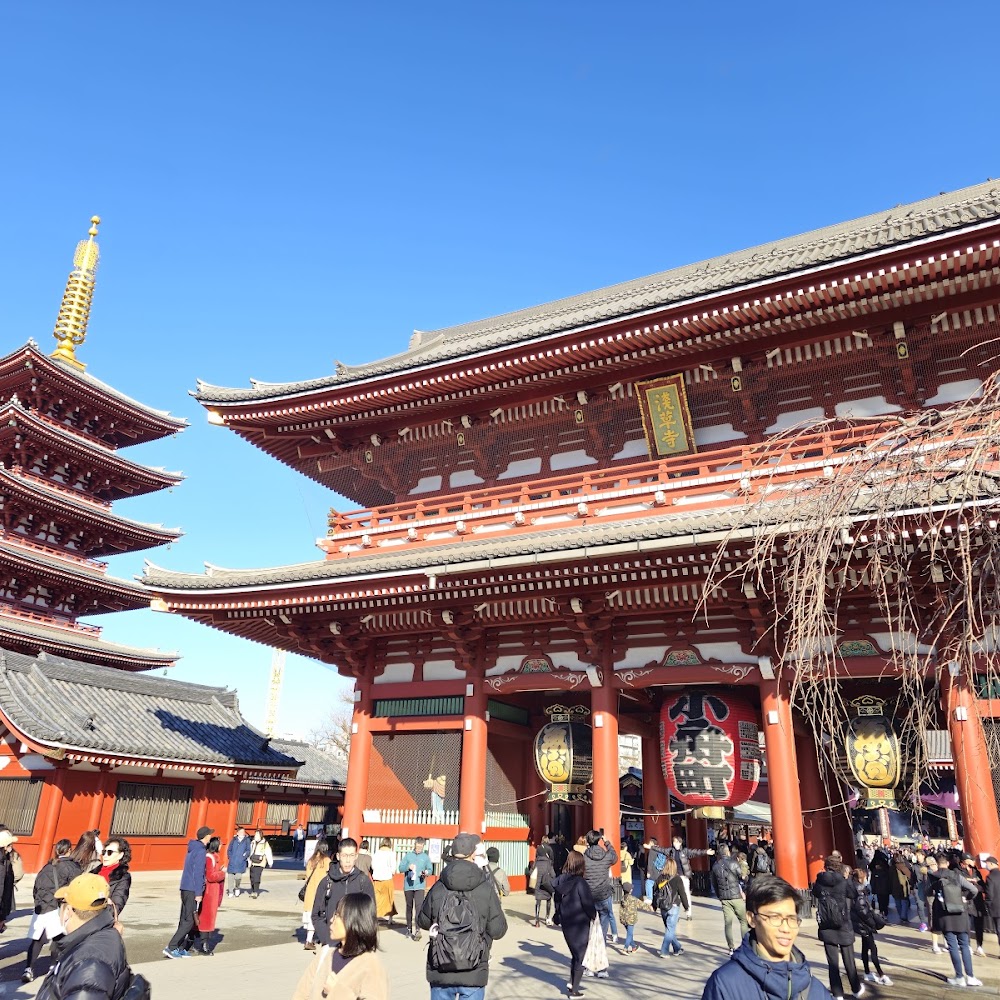
Start with Tokyo's oldest temple, explore traditional crafts on Nakamise Street, then dive into world-class museums and authentic izakaya culture. This day balances ancient traditions with local dining—exactly what Tokyo does best.
Pro tip: Download Google Translate app with camera feature—point it at menus for instant translation. Most temple etiquette: bow before entering, don't touch artifacts.
Route Map
Budget Breakdown
Estimated cost per person for 2 days. Includes accommodation, all meals, local transport, activities, and miscellaneous expenses. Does not include international flights or travel insurance.
| Category | Daily | Total |
|---|---|---|
| accommodation | $80 | $160 |
| food | $77 | $154 |
| transport | $4 | $8 |
| activities | $15 | $30 |
| misc | $20 | $40 |
| Total | $196 | $392 |
* Budget tier: mid-range. Prices in USD per person.
Money-saving tips:
- Get a 72-hour Tokyo Metro pass (¥1,500) instead of individual tickets
- Eat lunch sets (teishoku) at 11:30am for best value—same dinner for half price
- Convenience store meals are excellent quality and cheap (¥300-500)
- Many temples and shrines are free—save paid admissions for 1-2 must-sees
- Department store basement food courts offer high-end takeaway at reasonable prices
See detailed Japan budget guide with calculator →
Daily costs, tipping, and trip calculator
When to Go
Cherry blossom season (March-May) and autumn colors (October-November) offer perfect weather and stunning scenery
Hot, humid summers with temperatures over 30°C and heavy rainfall during rainy season
Neighborhood Guide
Get oriented before you arrive — what each area feels like and how to get around.
Asakusa
excellent walkabilityTraditional Tokyo at its most authentic—narrow streets lined with artisan shops, the smell of incense from ancient temples, and locals who still wear kimono for daily errands. Feels like stepping back 100 years.
Known for: Senso-ji Temple (Tokyo's oldest), Nakamise shopping street, traditional crafts, and old-school izakayas
Local tip: Visit Kappabashi Street (kitchen tool district) where Tokyo's chefs buy their knives and plastic food displays
Transit: Asakusa Station (multiple lines)
Best time: early morning
Shibuya
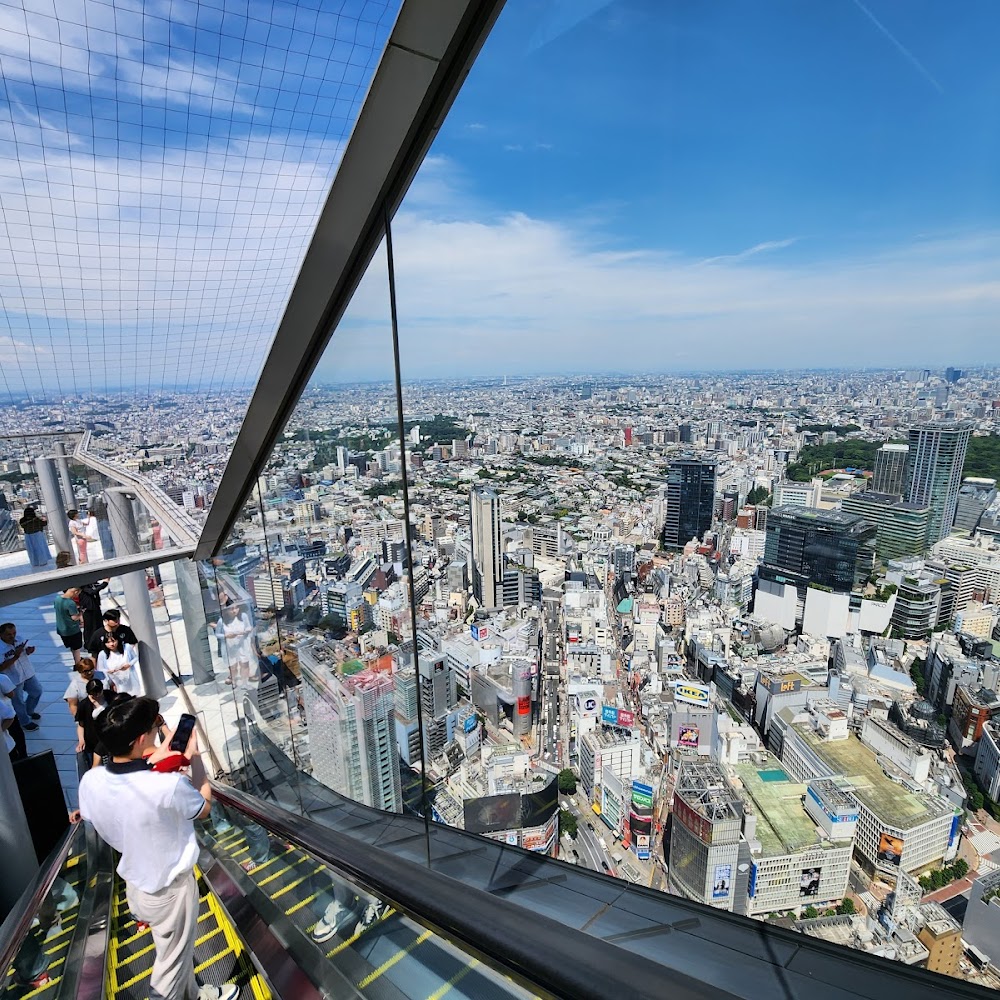
excellent walkabilityControlled chaos—neon signs, crowds moving with military precision, and the constant hum of energy. Every stereotype of modern Tokyo condensed into a few city blocks.
Known for: The famous crossing, youth fashion, nightlife, and people-watching
Local tip: The best view of the crossing is from the Starbucks in Tsutaya building, second floor—but good luck getting a window seat
Transit: Shibuya Station (JR Yamanote Line hub)
Best time: evening
Not stroller-friendly
Ueno
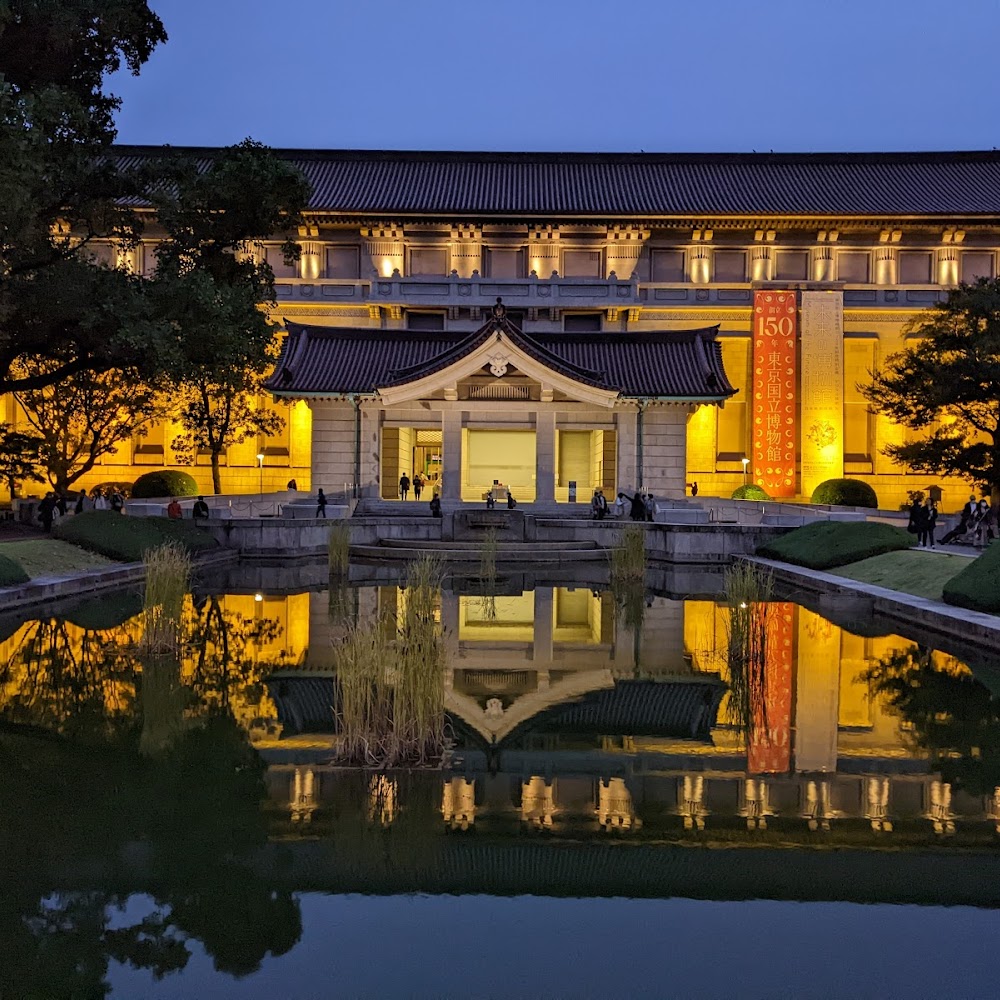
excellent walkabilityMuseum district meets cherry blossom central—wide tree-lined paths, families having picnics, and the intellectual heart of Tokyo. More relaxed pace than downtown.
Known for: Tokyo National Museum, Ueno Park, zoo, and spring cherry blossoms
Local tip: Ameyoko Market (under the train tracks) sells everything from vintage clothes to dried squid—great for random discoveries
Transit: Ueno Station (JR hub)
Best time: morning
Harajuku
good walkabilityTeenage dreams made physical—rainbow hair, cosplay costumes on regular Tuesday afternoons, and shops selling things you didn't know existed. Equal parts fascinating and overwhelming.
Known for: Takeshita Street fashion, youth culture, crepes, and kawaii everything
Local tip: Cat Street (parallel to Takeshita) has higher-end vintage and designer shops with fewer crowds
Transit: Harajuku Station (JR Yamanote Line)
Best time: afternoon
Not stroller-friendly
Akihabara
good walkabilityElectronics wonderland meets anime obsession—8-story buildings packed with gadgets, manga, and collectibles. The spiritual home of otaku culture, surprisingly welcoming to curious outsiders.
Known for: Electronics shopping, anime culture, manga cafes, and vintage video games
Local tip: Don Quijote stays open 24/7 and sells the weirdest stuff—perfect for late-night souvenir hunting
Transit: Akihabara Station (JR Yamanote Line)
Best time: afternoon
Not stroller-friendly
Ginza
excellent walkabilityTokyo's answer to Fifth Avenue—immaculate sidewalks, luxury flagship stores, and people-watching that feels like a fashion show. Even window shopping here feels like an event.
Known for: Luxury shopping, department store food courts (depachika), upscale dining, and cocktail bars
Local tip: Department store basement food courts offer the same quality as expensive restaurants at half the price—perfect for fancy takeaway
Transit: Ginza Station (multiple subway lines)
Best time: evening
What to Eat inTokyo
Eating etiquette
- •Slurp ramen and soba noodles—it's expected and shows appreciation
- •Don't stick chopsticks upright in rice (funeral symbol)
- •Say 'itadakimasu' before eating, 'gochisosama' after finishing
- •Don't walk and eat on the street—find a place to stand or sit
Breakfast
Convenience store breakfast is excellent—onigiri rice balls, sandwiches, and hot coffee. Traditional breakfast is rice, miso soup, and grilled fish, but most hotels serve Western options.
Lunch
Lunch sets (teishoku) at 11:30am offer incredible value—same quality as dinner for half the price. Popular places have lines by noon.
Dinner
Early dinner (6-7pm) is traditional, but izakayas serve until late. Many small restaurants only have counter seating for 6-8 people. Reservations help but not always necessary.
Dishes you can't miss
Rich pork bone broth that's Tokyo's signature comfort food
Ippudo or Ichiran chains · $8-12
Chef's choice lets you experience seasonal fish at peak quality
Any counter-service sushi bar · $50-150
Grilled chicken skewers with beer—perfect introduction to drinking culture
Local izakayas in Asakusa · $15-25
Light, crispy batter that highlights ingredient quality
Daikokuya (oldest tempura restaurant) · $25-40
Tokyo's weird pancake dish—love it or hate it, but uniquely local
Tsukishima district · $12-18
Fish-shaped pastry filled with sweet red bean—perfect snack food
Street vendors near temples · $2-3
Street food highlights
Daily Walking Distances
Packing List
Essential for all public transport and many vending machines
Google Translate camera feature is crucial for menus and signs
Many restaurants and small shops still cash-only
Will walk 15,000+ steps daily, plus lots of stairs in stations
Heavy phone use for translation, maps, and photos
Sudden rain is common, umbrellas available everywhere but bulky
Skip These
Save your time and money — here's what to skip and what to do instead.
Overhyped tourist trap that's more circus than cultural experience—loud, expensive (¥10,000), and focused on foreign tourists rather than authentic Japanese entertainment
→ Instead:Visit a local izakaya in Golden Gai district for authentic Japanese nightlife and conversation with locals
Extremely expensive (¥3,000+), long lines, and the view isn't dramatically better than free alternatives
→ Instead:Shibuya Sky offers equally good views for less money, or visit Tokyo Metropolitan Building observation decks in Shinjuku (free)
Moved to Toyosu in 2018, now requires advance lottery system, and you wake up at 3am to watch fish get sold
→ Instead:Visit Tsukiji Outer Market for incredible sushi breakfast and street food without the tourist circus
Expensive novelty (¥2,000+ cover charges) that wears thin after 20 minutes—more Instagram prop than meaningful experience
→ Instead:Spend time in a traditional kissaten (coffee shop) for authentic Tokyo cafe culture
Frequently Asked Questions
Is 2 days enough for Tokyo?
No, but it's enough for a solid taste. You can cover 2-3 major neighborhoods, experience temple culture, try authentic ramen, and see the famous crossing. You'll miss: day trips to Mt. Fuji, deeper food exploration, shopping districts like Harajuku properly, and the full breadth of Tokyo's 23 distinct wards. Consider it a preview that will make you want to return.
Where should I stay in Tokyo?
Shibuya or Shinjuku for first-timers—both have excellent train connections and nightlife. Asakusa offers traditional atmosphere but fewer late-night options. Avoid: Narita airport area (too far), Akasaka (business district, dead at night), anywhere requiring more than 2 train transfers to reach Yamanote Line.
How much does 2 days in Tokyo cost?
Budget: $250 total (hostels, convenience store meals, free temples). Mid-range: $400 total (business hotels, mix of cheap and nice meals, paid attractions). Splurge: $800+ (luxury hotels, omakase dinners, private experiences). Transportation is cheap—food and accommodation drive the difference.
What should I not miss in Tokyo?
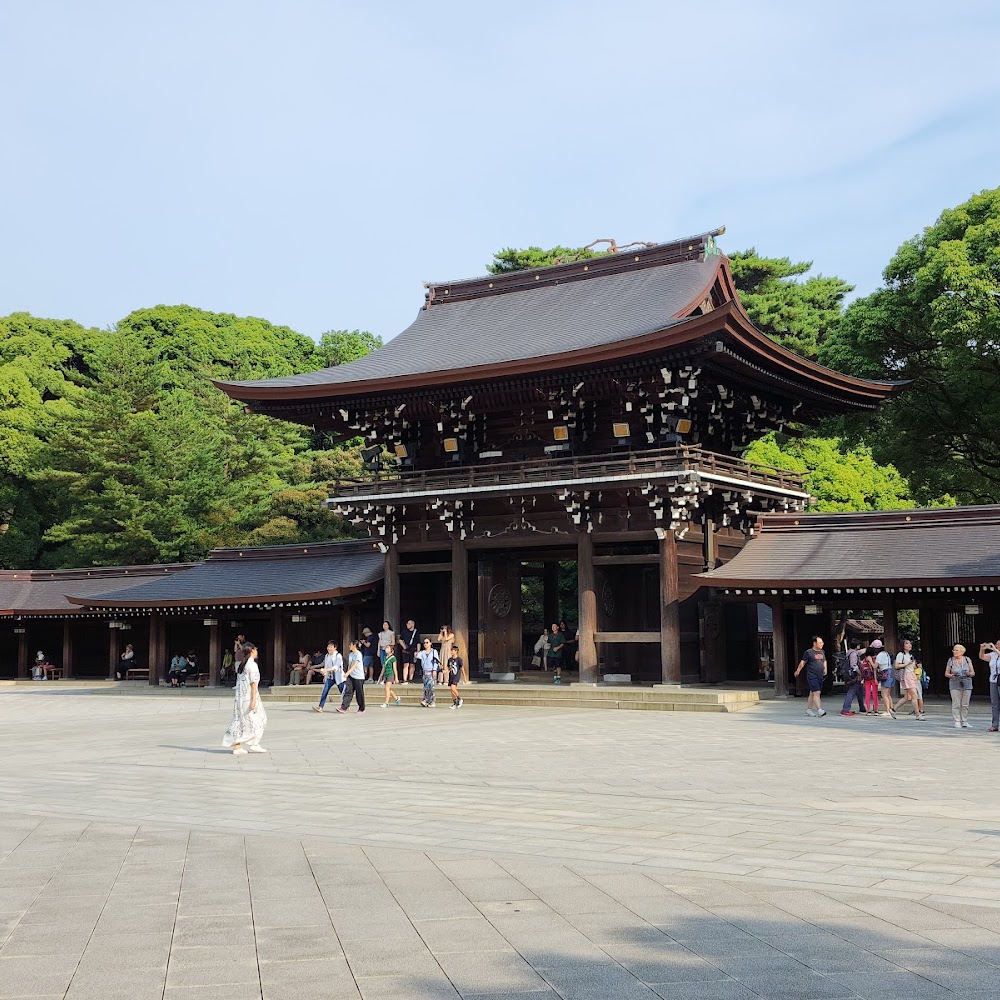
Shibuya Crossing at sunset, authentic ramen from a vending machine shop, Senso-ji Temple at sunrise, Meiji Shrine's forest, and at least one tiny izakaya bar. These capture Tokyo's essence: organized chaos, incredible food culture, ancient traditions, and intimate human connections.
What's the best time to visit Tokyo?
March-May (cherry blossom season) and October-November (autumn colors) offer perfect weather and stunning scenery. Avoid July-August—it's brutally hot and humid. Winter is underrated: fewer crowds, clear mountain views, and illumination festivals, though some outdoor activities are limited.
Travel Tips forTokyo
Get a 72-hour Metro Pass
Costs ¥1,500 and covers Tokyo Metro lines (not JR). Buy at any station machine with English. Covers most tourist destinations except Shibuya-Harajuku connection which needs JR Yamanote Line.
Cash is Still King
Many restaurants, especially ramen shops, only take cash. 7-Eleven ATMs accept foreign cards with no fees. Withdraw ¥20,000+ at once since you'll use it faster than expected.
Eat Lunch Early
Popular ramen shops and lunch sets are cheapest at 11:30am-12:30pm. After 1pm, you'll wait longer and pay more. Evening 'lunch menus' don't exist in Tokyo.
Master the Bow
Slight bow when saying thank you, deeper bow at temples. Don't tip anyone—it's considered insulting. Slurp your ramen loudly—it shows appreciation and cools the noodles.
Rush Hour is Brutal
7:30-9:30am and 5:30-7:30pm trains are packed beyond belief. Plan museum visits during these times, save transportation for off-peak hours when possible.
Download Google Translate
Camera feature translates menus instantly. Most helpful app for solo travelers. Point camera at train signs, restaurant menus, or street signs for real-time translation.
Essential Info
Cash preferred at small restaurants and shops. Credit cards accepted at department stores and hotels. 7-Eleven ATMs are your best friend for cash withdrawal.
No tipping anywhere—restaurants, taxis, hotels. It's considered rude and will be refused. Service charges are built into prices.
eSIM through Airalo or physical SIM at airport. Pocket WiFi rental at Narita/Haneda airports also excellent option.
More Options inTokyo
Places that didn't make the main itinerary but are worth knowing about.
More Restaurants
More Activities
Shopping
Bars & Nightlife
Planning a full Japan trip?
Our Japan itineraries cover Tokyo and more — with multi-city routes, transit guides, and full budget breakdowns.
Related Itineraries
Ready to plan yourTokyo trip?
Get this 2-day itinerary in your Yopki trip planner — customize, collaborate, and export to PDF.