
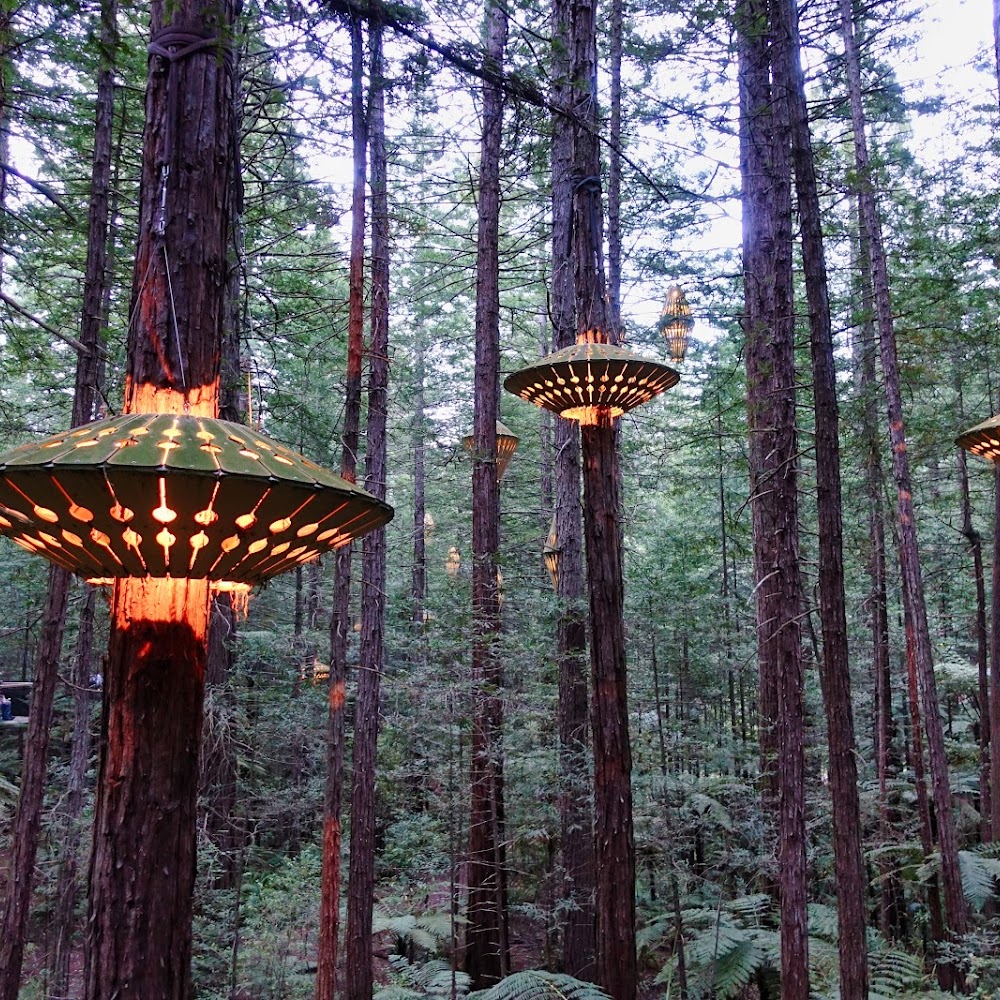


10 Day New Zealand Itinerary
Experience New Zealand's stunning landscapes from Auckland's harbors to Queenstown's adventure capital. This 10-day itinerary covers geothermal wonders in Rotorua, scenic drives, and world-class hiking with practical logistics for first-time visitors.
Day-by-Day Itinerary
Route Map
Budget Breakdown
Estimated cost per person for 10 days. Includes accommodation, all meals, local transport, activities, and miscellaneous expenses. Does not include international flights or travel insurance.
| Category | Daily | Total |
|---|---|---|
| accommodation | $115 | $1150 |
| food | $95 | $950 |
| transport | $40 | $400 |
| activities | $85 | $850 |
| misc | $20 | $200 |
| Total | $355 | $3550 |
* Budget tier: mid-range. Prices in USD per person.
Money-saving tips:
- Cook some meals in accommodation kitchens to save $30-40 per day
- Book car rentals 1-2 weeks ahead for 20-30% savings
- Buy groceries at New World or Countdown supermarkets instead of tourist shops
- Many hiking trails and beaches are completely free
- Happy hour at restaurants typically 3-6pm with 25% off food and drinks
When to Go
Autumn offers mild weather, fewer crowds, and stunning golden colors in Central Otago
Winter brings cold temperatures, shorter days, and some high-altitude road closures
Neighborhood Guide
Get oriented before you arrive — what each area feels like and how to get around.
Auckland CBD
excellent walkabilityGlass towers meet harbor breezes with a constant hum of construction and coffee culture. The streets pulse with suited professionals rushing between meetings while tourists crane their necks at the Sky Tower looming overhead.
Known for: Sky Tower, harbor views, business district
Local tip: Take the free City Circuit bus instead of walking everywhere - it connects all the main attractions and locals use it religiously
Transit: Britomart Transport Centre - all train lines and major bus routes
Best time: morning
Viaduct Harbour
excellent walkabilityPolished marina energy where expensive yachts bob against a backdrop of waterfront restaurants. It feels like Auckland trying to be Sydney, but the sunset reflections on the water make you forget the pretension.
Known for: Superyachts, waterfront dining, America's Cup history
Local tip: Walk to the end of the pier at sunset - it's free and beats paying $40 for a harbor cruise
Transit: 5-minute walk from Britomart Station
Best time: evening
Rotorua Lakefront
good walkabilitySulfur hangs in the air like nature's own aromatherapy while steam rises from mysterious patches of ground. The lake stretches endlessly blue, making you momentarily forget you're in a geothermal wonderland.
Known for: Lake Rotorua, Government Gardens, geothermal activity
Local tip: The Polynesian Spa has cheaper public pools that locals use - skip the expensive private pools unless it's a special occasion
Transit: Walking distance from city center bus stops
Best time: morning
Queenstown Central
excellent walkabilityAdrenaline and alpine air create an intoxicating mix where every second person seems to be planning their next bungee jump. The Remarkables loom dramatically overhead while backpackers and billionaires mingle in cramped stone streets.
Known for: Adventure tourism hub, dramatic mountain views, nightlife
Local tip: Duck into Searle Lane for actual local coffee spots that aren't tourist traps
Transit: All local bus routes start from Camp Street
Best time: anytime
Not stroller-friendly
Arrowtown Historic District
excellent walkabilityPerfectly preserved gold rush cottages line tree-shaded streets that feel like a movie set. Autumn transforms it into a photographer's dream, but even in other seasons there's a peaceful, almost sacred quality to the historic lanes.
Known for: Gold rush history, autumn colors, heritage buildings
Local tip: Visit the Chinese Settlement behind the main street - most tourists miss this powerful piece of mining history
Transit: 20-minute drive from Queenstown - no public transport
Best time: afternoon
What to Eat inNew Zealand
Auckland
Eating etiquette
- •Tipping is not expected and can feel awkward
- •BYO wine restaurants charge $5-15 corkage
- •Book dinner tables in advance - Aucklanders dine early at 6-7pm
Breakfast
Flat whites and smashed avocado reign supreme. Most cafes serve full breakfast until 11am, then switch to lunch menus. Locals grab coffee and a muffin on-the-go rather than sitting down.
Lunch
Food courts in malls offer incredible Asian variety for $12-18. Avoid CBD restaurants at lunch - they're overpriced for office workers with expense accounts.
Dinner
Book by 5pm for same-day dinner. Most kitchens close by 9pm except in Ponsonby and Parnell. BYOB is common and saves a fortune on wine.
Dishes you can't miss
Auckland's harbor location means the freshest shellfish in New Zealand
The Fish Market at Wynyard Quarter · $28-35
Iconic Kiwi flavor that's honeycomb candy mixed into vanilla - pure childhood nostalgia
$8-12 ·
Street food highlights
Rotorua
Eating etiquette
- •Many restaurants close early (8pm) - this isn't a late dining city
- •Hangi (earth oven) experiences are tourist-focused but culturally significant
- •Local cafes are much better value than hotel restaurants
Breakfast
Hearty breakfasts fuel adventure days. Locals favor bacon and egg pies from bakeries over sit-down cafe meals. Coffee culture is less sophisticated than Auckland.
Lunch
Eat Street food court has the best variety and value. Tourist restaurants near attractions are overpriced - drive 5 minutes to find local spots.
Dinner
Book hangi experiences in advance. Regular restaurants are casual - no need to dress up. Many close Sunday-Monday so check ahead.
Dishes you can't miss
Meat and vegetables cooked underground using geothermal heat - you can't get this anywhere else
Mitai Maori Village · $95-120
Lake Rotorua trout is legendary among fishing enthusiasts - sustainably caught and perfectly fresh
Sabroso Restaurant · $32-38
Street food highlights
Queenstown
Eating etiquette
- •Reservations essential for dinner - book 2-3 days ahead in peak season
- •Many restaurants add 15% surcharge on public holidays
- •Dress codes exist at upmarket places - smart casual minimum
Breakfast
Fuel-up breakfasts before adventure activities. Locals know the best coffee is away from Shotover Street. Big breakfasts cost $18-25 but you'll need the energy.
Lunch
Pub lunches offer the best value and portions. Avoid lakefront restaurants at lunch unless you're celebrating - they're double the price for the same food.
Dinner
Dining is expensive but exceptional. Book sunset tables early. Most fine dining happens 7-9pm. Don't expect to eat cheaply here.
Dishes you can't miss
Central Otago venison with local pinot is the perfect marriage of regional specialties
The Fork and Tap · $38-45
King salmon from Marlborough Sounds - the best salmon in the Southern Hemisphere
Fishbone Bar & Grill · $35-42
Street food highlights
Getting Between Cities
How to book: Book rental cars online in advance - airport pickups are convenient but city locations are cheaper
Platform: Take SH27 route through Matamata (not SH1 direct) - much more scenic
Luggage: Pack snacks and water - limited good food stops between Hamilton and Rotorua
Pro tip: Driver should watch for geothermal steam starting 30km before Rotorua
How to book: Book directly with airlines or use Skyscanner - avoid travel agency markups
Platform: Rotorua Airport is tiny - arrive 1 hour before domestic flights, not earlier
Luggage: Check baggage rules - budget airlines charge extra for checked bags
Pro tip: Right side of plane for Southern Alps views on approach to Queenstown
Daily Walking Distances
Packing List
New Zealand weather changes instantly - you'll need this in all three cities
Lots of walking on uneven surfaces, especially in Rotorua's geothermal areas
Temperature swings from 10-25°C daily, merino wool doesn't retain odors
UV is intense due to ozone hole - you'll burn faster than expected
New Zealand uses unique angled three-pin plugs
Some cafes and markets are cash-only, tips at adventure activities
Hot pools in Rotorua and possible lake activities in Queenstown
Day trips to Milford Sound and adventure activities require hands-free carry
Sandflies in Queenstown and Milford Sound are vicious
Early morning Milford Sound trip and Queenstown evenings get surprisingly cold
Long days out for activities and poor cell coverage drains batteries
Adventure activities may get you wet, regular jeans take forever to dry
Skip These
Save your time and money — here's what to skip and what to do instead.
$225 for 11 seconds of falling - most expensive per-second activity in New Zealand
→ Instead:Take the free elevator to the observation deck and walk up Mount Eden for better city views and save $200
Cheesy tourist show that locals cringe at - sheep shearing isn't authentic Kiwi culture
→ Instead:Visit Te Puia for genuine Maori culture and see real geothermal features that actually matter
$89 for a 25-minute boat ride with more screaming tourists than scenery
→ Instead:Take the TSS Earnslaw steamship for $59 - longer, more peaceful, and you'll actually see the landscape
45-minute queues for a $18 burger that's good but not life-changing
→ Instead:Go to Devil Burger or Winnies for equally good burgers with no wait and $5 less
$180 to walk on a bridge with traffic noise and limited views
→ Instead:Take the $2 ferry to Devonport and climb North Head for panoramic harbor views and historic tunnels
Frequently Asked Questions
Is 10 days enough for New Zealand?
Ten days allows you to see highlights of both North and South Islands, though you'll want to return for more. This itinerary covers Auckland, Rotorua's geothermal wonders, and Queenstown's adventure activities including Milford Sound.
How much does 10 days in New Zealand cost?
Budget around $3,500 USD for mid-range travel including flights, accommodation, food, car rental, and activities. Budget travelers can do it for $2,200, while luxury travelers should budget $6,000+.
What is the best month to visit New Zealand?
March-May (autumn) offers the best combination of mild weather, fewer crowds, and beautiful colors, especially in Central Otago wine country. December-February is peak season with warm weather but higher prices and crowds.
Do I need a visa for New Zealand?
US, UK, Canadian, and EU citizens need only a passport for stays up to 90 days, but must apply for a New Zealand Electronic Travel Authority (NZeTA) and pay the International Visitor Conservation and Tourism Levy online before travel.
Should I rent a car in New Zealand?
Yes for South Island and Rotorua region. Driving is on the left side, roads are generally good but can be narrow and winding. Auckland is walkable with good public transport, but a car opens up wine country and scenic drives.
Is New Zealand expensive?
Yes, New Zealand is expensive compared to most destinations. Expect restaurant meals to cost $25-45, accommodation $80-150 per night, and activities $50-150. Shop at supermarkets and cook some meals to save money.
Travel Tips forNew Zealand
Driving Tips
Drive on the left side and take your time on narrow, winding roads. Many accidents involve tourists unused to the roads. Always carry a GPS or download offline maps as cell service can be spotty in rural areas.
Credit Cards vs Cash
Most places accept credit cards including contactless payments. Carry some cash for small cafes and parking meters. ATMs are widely available in cities but scarce in rural areas.
Maori Culture Respect
When visiting marae (Maori meeting grounds) or cultural sites, follow protocols like removing shoes and not sitting on tables. Learn to pronounce place names correctly - each vowel is pronounced separately.
Pack Layers
Weather can change dramatically throughout the day, especially in mountainous areas. Pack thermal layers, rain jacket, and warm clothing even in summer. UV radiation is intense - use strong sunscreen.
Local Specialties to Try
Don't miss green-lipped mussels, Marlborough sauvignon blanc, Central Otago pinot noir, manuka honey, pavlova, and hokey pokey ice cream. Fish and chips are excellent quality throughout the country.
Outdoor Safety
Always tell someone your plans when hiking. Weather changes rapidly in mountains. Hypothermia is a real risk even in summer. Carry warm clothes, food, and emergency shelter on longer walks.
Essential Info
NZ Dollar (NZD). Credit cards widely accepted. Tip only for exceptional service (10-15%).
Tipping is not expected but appreciated for excellent service. Round up cafe bills or tip 10-15% at restaurants for exceptional service only.
Vodafone or Spark prepaid SIM cards available at airports and shops. Airalo eSIM works well for data.
More Options inNew Zealand
Places that didn't make the main itinerary but are worth knowing about.
More Activities
More Restaurants
Shopping
Bars & Nightlife
Cafes & Coffee
Explore Each City
Want to spend more time in a specific city? Check out our city-level deep-dive guides.
Related Itineraries
Ready to plan yourNew Zealand trip?
Get this 10-day itinerary in your Yopki trip planner — customize, collaborate, and export to PDF.