

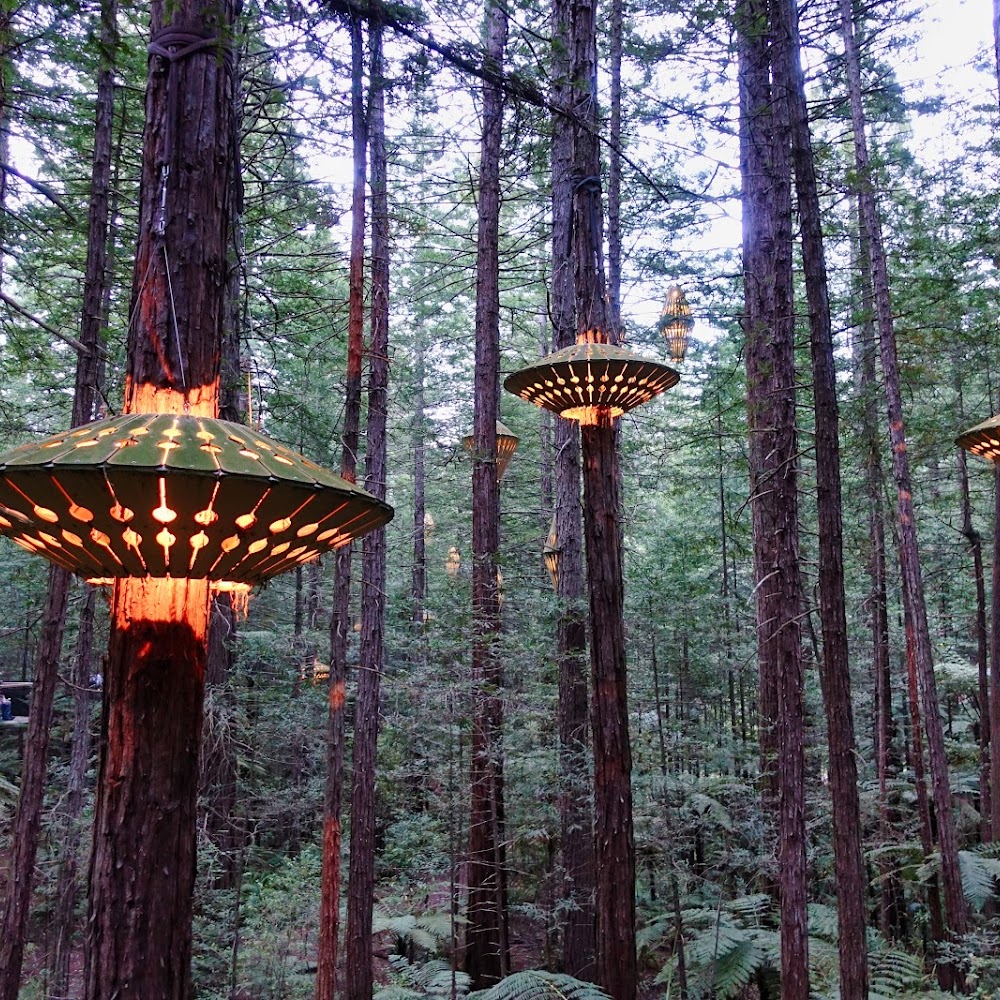


7 Day New Zealand Itinerary
Experience New Zealand's highlights from Auckland's harbor to Queenstown's adventure scene. This week-long journey covers Maori culture in Rotorua, glaciers on the West Coast, and the Southern Alps.
Day-by-Day Itinerary
Route Map
Budget Breakdown
Estimated cost per person for 7 days. Includes accommodation, all meals, local transport, activities, and miscellaneous expenses. Does not include international flights or travel insurance.
| Category | Daily | Total |
|---|---|---|
| accommodation | $120 | $840 |
| food | $75 | $525 |
| transport | $50 | $350 |
| activities | $45 | $315 |
| misc | $20 | $140 |
| Total | $310 | $2170 |
* Budget tier: mid-range. Prices in USD per person.
Money-saving tips:
- Book rental car early for better rates, especially in peak season
- Many walking tracks and natural attractions are free
- Lunch specials at restaurants offer better value than dinner
- Shop at New World or Pak'nSave supermarkets instead of tourist stores
- Free WiFi available at most cafes and all accommodations
When to Go
Autumn offers warm days, fewer crowds, and stable weather perfect for outdoor activities
Winter brings short daylight hours, cold temperatures, and some mountain passes may be closed
Neighborhood Guide
Get oriented before you arrive — what each area feels like and how to get around.
Viaduct Harbour
excellent walkabilitySuperyachts bob gently while seagulls dive for fish scraps between outdoor diners. The salty breeze carries laughter from waterfront bars as couples stroll along wooden boardwalks, feeling like they're in a Mediterranean marina rather than downtown Auckland.
Known for: America's Cup sailing history and upscale waterfront dining
Local tip: Walk to the end of Princes Wharf for free harbor views instead of paying for the Sky Tower observation deck
Transit: Britomart Train Station, 5-minute walk via Commercial Bay
Best time: evening
Parnell
good walkabilityVictorian villas peek through established oak trees while well-dressed locals browse boutique shops in converted colonial buildings. It feels like Auckland's attempt at being European, complete with rose gardens and the kind of quiet wealth that whispers rather than shouts.
Known for: Historic architecture and Auckland Museum proximity
Local tip: Take the free Heritage Trail self-guided walk to see hidden courtyards and gardens most tourists miss
Transit: Parnell Train Station on Eastern Line
Best time: afternoon
Not stroller-friendly
Rotorua Central
excellent walkabilitySulfur steam literally rises from sidewalk cracks while Māori culture pulses through every street corner. The air smells like rotten eggs mixed with pine trees, and you'll see more thermal pools than parking meters in what feels like a frontier town built on a volcano.
Known for: Geothermal activity and Māori cultural experiences
Local tip: Visit Government Gardens early morning when the mist rises dramatically from hot springs for Instagram-worthy shots
Transit: Rotorua i-SITE visitor center is the main transport hub
Best time: morning
Franz Josef Village
excellent walkabilityThis tiny settlement feels like the edge of civilization, surrounded by rainforest so thick you can't see 50 meters ahead. Helicopter rotors thump constantly overhead while muddy hikers emerge from tracks looking like they've conquered the world, which in a way, they have.
Known for: Glacier access and adventure tourism
Local tip: Book helicopter flights for first thing in the morning - weather deteriorates rapidly and afternoon flights often get cancelled
Transit: Franz Josef Glacier Helicopters is the main landmark
Best time: morning
Not stroller-friendly
Queenstown Central
excellent walkabilityAdrenaline junkies in fleece jackets weave between luxury shoppers while buskers play to crowds fueled by Fergburger and craft beer. The Remarkables mountains loom over Lake Wakatipu like sleeping giants, making every street corner feel like a movie set designed to make you book another adventure activity.
Known for: Adventure sports and scenic beauty
Local tip: Walk up to Queenstown Hill Lookout instead of paying for the Skyline Gondola - it's free and less crowded
Transit: Queenstown Central connects all local bus routes
Best time: anytime
What to Eat inNew Zealand
Auckland
Eating etiquette
- •Tipping is not expected but appreciated for exceptional service
- •BYO wine is common at many restaurants - look for 'BYO' signs
- •Casual dress is acceptable almost everywhere
Breakfast
Brunch culture is huge - locals eat late morning (9-11am) with excellent flat whites and avocado toast being standard
Lunch
Food courts in Commercial Bay or Britomart offer variety and value - avoid tourist traps along Queen Street
Dinner
Book ahead for popular spots, especially weekends. Dinner starts around 6-7pm and restaurants often close kitchens by 9pm
Dishes you can't miss
Auckland's harbor location makes these the freshest you'll find anywhere
Depot Eatery · $18-22
Modern take on traditional Māori earth oven cooking
Clooney Restaurant · $38-42
Street food highlights
Rotorua
Eating etiquette
- •Learn basic Māori greetings like 'Kia ora' - it's appreciated
- •Hangi meals are communal experiences - don't rush
- •Remove shoes when entering marae (Māori meeting grounds)
Breakfast
Traditional European-style breakfast with local twists like manuka honey and hokey pokey ice cream
Lunch
Many thermal attractions have cafes - eat there to avoid driving back to town
Dinner
Book cultural dinner shows well in advance - they're popular and often sell out
Dishes you can't miss
Authentic earth oven cooking you can't find anywhere else
Mitai Māori Village · $95-115
Native pepper spice unique to New Zealand
Atticus Finch · $32-38
Street food highlights
Franz Josef
Eating etiquette
- •Book dinner reservations - only a handful of restaurants exist
- •Expect higher prices due to remote location
- •Weather can change plans - be flexible with timing
Breakfast
Hearty breakfasts fuel glacier hikes - eggs, bacon, and strong coffee are standard
Lunch
Pack lunches for day trips - limited options near glacier activities
Dinner
Restaurants fill up quickly with tour groups - book when you arrive in town
Dishes you can't miss
Local West Coast venison with native herbs
Alice May Restaurant · $28-34
Fresh from the Tasman Sea, 20 minutes away
Landing Bar & Restaurant · $26-32
Street food highlights
Queenstown
Eating etiquette
- •Reservations essential at top restaurants
- •Dress code varies - check before going
- •Many restaurants have scenic views - book window seats
Breakfast
Late brunches are popular after adventure activities - fuel up with big portions
Lunch
Grab quick bites between activities - many places offer takeaway for lakefront picnics
Dinner
Fine dining scene is excellent but expensive - book signature restaurants in advance
Dishes you can't miss
From the famous Marlborough region, perfectly prepared
Fishbone Bar & Grill · $36-42
Local lamb with regional wine pairing
The Bunker · $44-52
Street food highlights
Getting Between Cities
How to book: Book online at intercity.co.nz or buy at SkyCity Coach Terminal - online is always cheaper
Platform: Departs from SkyCity Coach Terminal level 3, arrive 15 minutes early for luggage check-in
Luggage: One large bag free, small carry-on allowed, excess bags $5 each
Pro tip: Right side for lake views near Cambridge, front seats have most legroom
How to book: Air New Zealand website, book at least 2 weeks ahead for better prices
Platform: Rotorua Airport is small - arrive 60 minutes early, Christchurch connection usually requires terminal change
Luggage: 23kg checked bag included, glacier gear can be heavy so weigh before leaving
Pro tip: Left side on Christchurch-Hokitika flight for Southern Alps views
How to book: Must book online in advance - this route fills up quickly, especially summer
Platform: Departs from Franz Josef i-SITE, very small terminal with limited facilities
Luggage: Same luggage rules as other InterCity routes, but journey is long so pack entertainment
Pro tip: Right side for lake views approaching Wanaka, left side for mountain views to Queenstown
Daily Walking Distances
Packing List
Essential for Franz Josef glacier walks and Rotorua thermal walks - trails are often muddy
New Zealand temperature swings are dramatic - you'll need warm layers even in summer
West Coast gets 200+ rain days per year, Franz Josef particularly wet
UV is intense due to ozone hole over New Zealand - you'll burn faster than expected
New Zealand uses Type I plugs (angled pins) - different from most countries
West Coast sandflies are vicious, especially around Franz Josef
High humidity and frequent rain means cotton takes forever to dry
Rotorua hot springs and pools - you'll want to soak after hiking
Daily hikes and glacier walks require hands-free storage for layers and snacks
Tap water is excellent everywhere - save money and stay hydrated during activities
Long bus rides and flights between destinations will make your legs swell
Adventure activities drain batteries fast, and some locations have limited power access
Small towns like Franz Josef have limited ATMs and some activities are cash-only
Queenstown can drop to near-freezing even in summer evenings
For hot springs visits and unexpected accommodation situations
Skip These
Save your time and money — here's what to skip and what to do instead.
Overpriced rides that pale in comparison to international theme parks, plus it's far from the city center
→ Instead:Take the Waiheke Island ferry for wine tasting - more uniquely New Zealand and better views
Cheesy sheep show that feels more like tourist theater than authentic farm experience
→ Instead:Visit Rainbow Springs for kiwi bird viewing - you might never see these endangered birds elsewhere
Glacier has retreated so far you can barely see it, and the walk is just to a viewing point 2km away
→ Instead:Pay for a helicopter glacier landing - it's expensive but the only way to actually experience the glacier
$39 for views you can get for free with a 45-minute hike up Queenstown Hill
→ Instead:Hike Ben Lomond Track for panoramic views and actual achievement, or drive to Glenorchy for Lord of the Rings scenery
$225 for 8 seconds of falling when you could do multiple adventure activities in Queenstown for the same price
→ Instead:Save adrenaline activities for Queenstown where bungy jumping was invented and the scenery is spectacular
Frequently Asked Questions
Is 7 days enough for New Zealand?
Seven days allows you to see highlights of both North and South Islands, but you'll need to be selective. This itinerary covers Auckland, Rotorua, glaciers, and Queenstown - the most iconic experiences. For a more relaxed pace, consider focusing on just one island.
How much does 7 days in New Zealand cost?
Budget travelers can expect $150-200 USD per day, mid-range travelers $250-350 USD per day, and luxury travelers $500+ USD per day. Accommodation and activities are the biggest expenses, while food can be reasonable if you mix restaurants with self-catering.
What is the best month to visit New Zealand?
March to May (autumn) offers the best combination of warm weather, fewer crowds, and stable conditions. December to February is peak summer with long days but higher prices and crowds. Avoid July-August unless you're specifically interested in winter sports.
Do I need a visa for New Zealand?
US, UK, EU, and many other passport holders can visit New Zealand visa-free for up to 90 days as tourists. You must have an NZeTA (Electronic Travel Authority) which costs NZ$23 and can be obtained online. Your passport must be valid for at least 3 months beyond your departure date.
Travel Tips forNew Zealand
Rental Car Essential
New Zealand is best explored by car. Book early for better rates and automatic transmission. Drive on the left side and be extra careful on mountain passes and single-lane bridges.
Card Payments Everywhere
New Zealand is largely cashless. Credit and debit cards are accepted everywhere, including small cafes and markets. ATMs are widely available but may charge fees for international cards.
Weather Changes Quickly
Mountain weather can change rapidly. Always carry rain gear and warm clothes, even in summer. Check conditions before hiking and inform someone of your plans for multi-day treks.
Respect Maori Culture
Learn basic Maori greetings like 'kia ora' (hello). Remove shoes when entering marae (meeting grounds) and don't sit on tables as they're considered sacred for food.
Book Peak Season Early
December to February is peak season - book accommodations and activities 2-3 months ahead. Shoulder seasons offer better value and fewer crowds while maintaining good weather.
Essential Info
New Zealand Dollar (NZD). Cards accepted everywhere. No need for much cash except small tips.
Tipping not expected but appreciated for exceptional service. 10-15% at upscale restaurants if service charge not included.
Spark, Vodafone, or 2degrees for local SIM cards. Airalo eSIM for data-only plans
More Options inNew Zealand
Places that didn't make the main itinerary but are worth knowing about.
More Activities
More Restaurants
Shopping
Bars & Nightlife
Cafes & Coffee
Explore Each City
Want to spend more time in a specific city? Check out our city-level deep-dive guides.
Related Itineraries
Ready to plan yourNew Zealand trip?
Get this 7-day itinerary in your Yopki trip planner — customize, collaborate, and export to PDF.