


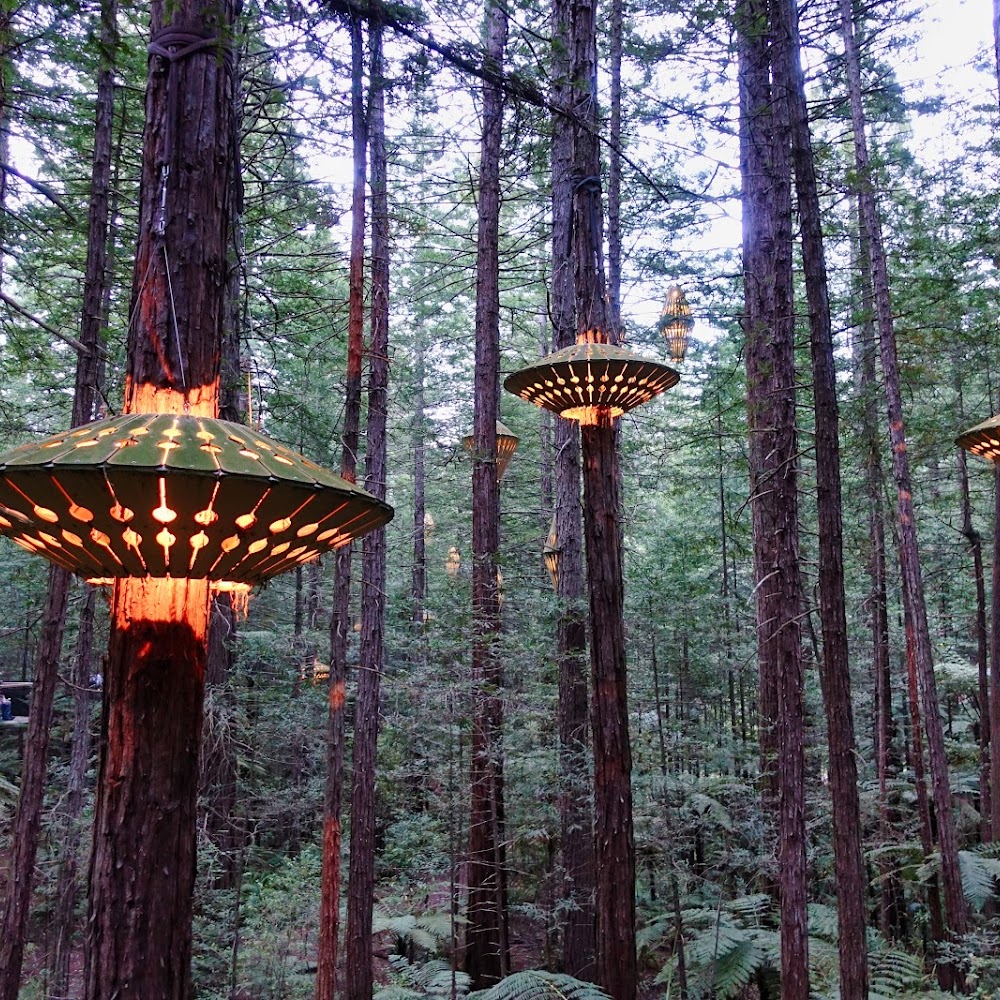

14 Day New Zealand Itinerary
Experience the best of both islands in two weeks - from Auckland's urban energy to Rotorua's geothermal wonders, Wellington's culture, and South Island's dramatic landscapes. This itinerary balances adventure with relaxation, covering fjords, glaciers, and wine country.
Day-by-Day Itinerary
Route Map
Budget Breakdown
Estimated cost per person for 14 days. Includes accommodation, all meals, local transport, activities, and miscellaneous expenses. Does not include international flights or travel insurance.
| Category | Daily | Total |
|---|---|---|
| accommodation | $90 | $1260 |
| food | $55 | $770 |
| transport | $25 | $350 |
| activities | $65 | $910 |
| misc | $15 | $210 |
| Total | $250 | $3500 |
* Budget tier: mid-range. Prices in USD per person.
Money-saving tips:
- Book accommodation with kitchen facilities to save on meals
- Buy wine directly from wineries instead of restaurants for better prices
- Use freedom camping sites between cities to save on accommodation costs
- Book adventure activities as combo packages for significant savings
- Shop at New World or Countdown supermarkets for groceries - avoid tourist shops
When to Go
Summer season with warmest weather, longest days, all activities open, perfect for hiking and outdoor adventures
Winter with snow, cold weather, some mountain passes closed, limited outdoor activities, short daylight hours
Neighborhood Guide
Get oriented before you arrive — what each area feels like and how to get around.
Viaduct Harbour
excellent walkabilityThe sound of rigging clinks against yacht masts while corporate workers sip $20 cocktails at waterfront bars. It feels like money and maritime history colliding in a surprisingly pleasant way.
Known for: America's Cup sailing heritage and upmarket dining
Local tip: Walk to the end of the harbor bridge walkway just before sunset - tourists stop at the restaurants but locals know the best harbor views are another 200m further
Transit: Britomart Train Station (all lines) - 8 minute walk
Best time: afternoon
Ponsonby
excellent walkabilityFormer working-class neighborhood turned hipster haven where vintage stores sit next to $8 coffee shops. You'll hear three different languages in one block and smell fresh bread from French patisseries.
Known for: Vintage shopping and Auckland's best brunch scene
Local tip: Skip Ponsonby Road and explore the side streets like Richmond Road - that's where locals actually live and shop
Transit: Bus routes 020, 030 from city center
Best time: morning
Te Puia Geothermal Park Area
good walkabilityThe air smells like sulfur and the ground literally steams beneath your feet. It's otherworldly and slightly unsettling until you realize you're walking through the earth's natural heating system.
Known for: Pohutu Geyser and traditional Māori culture demonstrations
Local tip: Arrive 30 minutes before opening - you'll have the major geysers to yourself before tour groups arrive
Transit: Rotorua city center - 15 minute drive, no public transport
Best time: morning
Not stroller-friendly
Government Gardens
excellent walkabilityPerfectly manicured English gardens with random steam vents popping up between rose bushes. The contrast between European formality and raw geothermal power feels uniquely New Zealand.
Known for: Rotorua Museum building and formal gardens with geothermal features
Local tip: The thermal foot pools behind the museum are free and locals use them as a quick relaxation spot
Transit: Rotorua city center - walking distance
Best time: anytime
Cuba Street
excellent walkabilityStreet art covers every surface while buskers play jazz between quirky boutiques and record stores. It's organized chaos with a strong coffee aroma that somehow makes perfect sense.
Known for: Alternative shopping, street art, and Wellington's best coffee culture
Local tip: The Bucket Fountain isn't just a tourist photo op - locals actually use it as a meeting point because it's so distinctive
Transit: Lambton Quay bus stops - 5 minute walk
Best time: afternoon
Not stroller-friendly
Oriental Bay
excellent walkabilityWellington's attempt at a beach resort feeling, complete with palm trees that shouldn't survive this far south but somehow do. It's civilized waterfront living with a constant sea breeze.
Known for: Wellington's premier waterfront promenade and apartment living
Local tip: The real swimming spot isn't the main bay - locals go to the small cove at the southern end where it's sheltered from wind
Transit: Courtenay Place - 10 minute walk
Best time: morning
Central City
excellent walkabilityShipping containers converted into colorful shopping pods sit next to ultra-modern buildings. There's a sense of renewal and determination that makes every corner feel like a small victory over adversity.
Known for: Post-earthquake rebuild and the Cardboard Cathedral
Local tip: The best earthquake rebuild story isn't the cathedral - it's the small businesses in the container mall that kept the city's heart beating
Transit: Christchurch Central Station
Best time: afternoon
Lake Tekapo Village
excellent walkabilityImpossibly turquoise water stretches to snow-capped mountains while lupins line the shore in purple waves. It's almost too picture-perfect, like someone enhanced the saturation on reality.
Known for: Church of the Good Shepherd and astronomy tourism
Local tip: The best lake photos aren't from the church - walk 500m south along the shore where you get the mountains reflected without the tourist crowds
Transit: No public transport - rental car or tour bus only
Best time: anytime
Central Queenstown
excellent walkabilityAdrenaline junkies and wine lovers somehow coexist in streets that smell like adventure gear shops and gourmet restaurants. The energy is infectious and slightly overwhelming.
Known for: Adventure tourism capital and luxury tourism
Local tip: The Queenstown Gardens are where locals actually go to escape the tourist madness - it's a 5-minute walk but feels like another world
Transit: Queenstown Airport bus terminus on Camp Street
Best time: afternoon
Not stroller-friendly
Arrowtown
excellent walkabilityGold rush buildings line streets where autumn leaves crunch underfoot and the pace slows to 1860s speed. It feels like stepping into a Western movie set that actually has good coffee.
Known for: Historic gold mining town and autumn colors
Local tip: The Chinese settlement at the edge of town tells the real story - most tourists miss it but it's the most authentic historical site
Transit: 25 minutes drive from Queenstown, bus route available
Best time: afternoon
What to Eat inNew Zealand
Auckland
Eating etiquette
- •BYO wine is common and encouraged - look for 'BYO' signs
- •No tipping expected but 10% appreciated for exceptional service
- •Māori hangi (earth oven) food should be tried with respect for cultural significance
Breakfast
Kiwis take brunch seriously - expect long waits at popular spots after 9am. Flat white coffee culture dominates, and smashed avocado is practically a national dish.
Lunch
Food courts in commercial buildings offer the best value - try the ones in the Britomart area. Asian fusion dominates the scene with excellent Korean and Japanese options under $15.
Dinner
Restaurants open early (5pm) and last orders often by 9pm. Book ahead for weekends. BYOB saves money - corkage is usually $3-5 per bottle.
Dishes you can't miss
Auckland's signature seafood prepared by Josh Emett - the mussels come from local waters
Depot Eatery · $24-28
Traditional earth-oven cooking you can't get anywhere else in the world
Māori Cultural Center · $35-40
New Zealand's national ice cream flavor elevated to art form
Giapo · $8-12
Street food highlights
Rotorua
Eating etiquette
- •Don't comment on the sulfur smell affecting food taste - locals are used to it
- •Traditional hangi meals are ceremonial - arrive on time and stay for the full experience
- •Always ask about the cultural significance of Māori dishes before eating
Breakfast
Hearty breakfasts fuel adventure activities. Many places open at 6am for early tour departures. Manuka honey features heavily in breakfast dishes.
Lunch
Eat at thermal resort cafes - they're surprisingly good and you can often use facilities without paying full entry. Picnic supplies from PAK'nSAVE save money.
Dinner
Book hangi experiences in advance - they're cultural events, not just meals. Regular restaurants close early (8pm last orders) as it's a tourist town.
Dishes you can't miss
Food cooked underground using geothermal heat - you can't experience this cooking method anywhere else
Mitai Māori Village · $45-55
Local honey that's some of the world's most expensive, in New Zealand's national dessert
Atticus Finch · $16-18
Vegetables cooked using natural geothermal springs
Hell's Gate · $22-26
Street food highlights
Wellington
Eating etiquette
- •Coffee culture is serious - don't order cappuccino after 10am
- •Craft beer knowledge is expected - ask servers for recommendations
- •Small plates for sharing are the norm at trendy restaurants
Breakfast
Wellington has the best coffee culture in New Zealand. Locals start early (7am) and finish breakfast by 9am. Expect long queues at popular spots like Mojo or Fidel's.
Lunch
Food trucks at Civic Square offer gourmet options for $10-15. Government workers flood restaurants 12-1pm, so eat earlier or later.
Dinner
Restaurants stay open later than other NZ cities. Cuba Street comes alive at night. Wind affects outdoor dining - always have indoor backup plans.
Dishes you can't miss
Wellington's proximity to Marlborough Sounds means the freshest salmon in the country
Charteris Bay · $32-38
Wellington's craft beer scene is world-class - this brewery leads innovation
Garage Project · $18-22
Seasonal delicacy (Sept-Nov) that New Zealanders obsess over
Sweet Mother's Kitchen · $26-30
Street food highlights
Christchurch
Eating etiquette
- •Support local rebuild efforts by choosing independent restaurants over chains
- •Canterbury lamb is point of pride - always try local meat
- •Many restaurants operate from temporary locations - don't judge by appearances
Breakfast
Rebuilding city means breakfast spots open late (8am) and close early. C1 Espresso with pneumatic food delivery is a must-see experience while eating.
Lunch
Container mall (Re:START) has the best variety and prices. Riverside Market offers gourmet options. Avoid lunch rush (12:30-1:30pm) when limited seating fills up.
Dinner
Dining scene is rapidly evolving post-earthquake. Many top restaurants relocated to suburbs. Book ahead as good spots are limited.
Dishes you can't miss
Canterbury's grass-fed lamb is considered New Zealand's best - this restaurant showcases it perfectly
Inati · $38-45
Food delivered by pneumatic tubes - engineering marvel meets good food
C1 Espresso · $18-22
Local Banks Peninsula salmon that's incredibly fresh
Riverside Market · $28-32
Street food highlights
Lake Tekapo
Eating etiquette
- •Limited dining options mean booking is essential
- •Altitude affects alcohol tolerance - drink water between drinks
- •Support family-run businesses that keep this small town alive
Breakfast
Most accommodations include breakfast. Cafes open late (8:30am) and close early. Stock up on supplies in larger towns.
Lunch
Only a few options exist - Kohan Restaurant for Japanese or Mackenzie's Bar & Grill. Pack picnic lunches for outdoor activities.
Dinner
Book dinner when you arrive - only 3-4 restaurants serve evening meals. Last orders often by 8pm. BYOB saves significantly.
Dishes you can't miss
Local high-country lamb is exceptional quality due to harsh climate conditions
Mackenzie's Bar & Grill · $32-38
Unexpected Japanese excellence in the middle of Canterbury high country
Kohan Restaurant · $28-35
Local honey from the Mackenzie Basin has unique flavor from wild thyme
Tekapo Takeaways · $6-8
Street food highlights
Queenstown
Eating etiquette
- •Tourist prices are inflated - ask locals for real recommendations
- •Wine regions are nearby - try Central Otago Pinot Noir
- •Adventure activities affect appetite - plan accordingly
Breakfast
Early starts for activities mean grab-and-go breakfasts are popular. Quality coffee culture rivals Wellington. Many places open at 6am for adventure tour departures.
Lunch
Avoid Shotover Street tourist traps. Head to Arrowtown for better value and quality. Food trucks offer good options for $12-18.
Dinner
Book well ahead - limited restaurants, huge demand. Prices rival major international cities. BYOB wine from local vineyards saves money and provides better wine.
Dishes you can't miss
Josh Emett's restaurant showcasing local wine with wild game - epitome of Otago cuisine
$45-55 ·
Tourist trap but genuinely good - open late for post-adventure hunger
Fergburger · $12-16
New Zealand flavors combined perfectly
Patagonia Chocolates · $8-10
Street food highlights
Getting Between Cities
How to book: Online at intercity.co.nz or at Auckland Airport/Central bus terminal. Show mobile ticket to driver.
Platform: Auckland departure from 172 Quay Street (near Ferry Building). Arrive 15 minutes early.
Luggage: One large bag free, additional bags $5. Store under bus, keep valuables with you.
Pro tip: Left side for better views of Waikato countryside and Lake Taupo glimpses
How to book: Book online at airnewzealand.co.nz. Mobile boarding passes accepted.
Platform: Rotorua Airport is small - arrive 1 hour before departure. Single terminal.
Luggage: 7kg carry-on included. Checked bags $30 extra but worth it for souvenirs.
Pro tip: Right side for views of Lake Taupo and volcanic plateau on takeoff
How to book: Ferry: interislander.co.nz, book rental car crossing separately. Flight: jetstar.com or airnz.co.nz
Platform: Ferry: Wellington terminal is 5km from city center. Flight: Wellington Airport 20 minutes from city.
Luggage: Ferry: Drive-on with rental car easiest. Flight: Similar airline baggage rules.
Pro tip: Ferry: Upper deck outdoor area through Marlborough Sounds. Flight: Either side good for mountain views.
How to book: Car: Book through major companies at airport. Bus: cookconnection.co.nz - limited schedule.
Platform: Drive: Take State Highway 1 then SH8. Very scenic route. Bus: Departs Christchurch i-SITE.
Luggage: Car essential for exploring area. Bus has limited luggage space.
Pro tip: Driving: Stop at Geraldine and Fairlie for breaks. Bus: Right side for mountain views.
How to book: Continue with same rental car from previous leg
Platform: Via Mount Cook route infinitely more scenic. Direct route faster but boring.
Luggage: Pack lunch and water - limited stops on mountain route
Pro tip: Via Mount Cook: Stop at Pukaki Lookout and Mount Cook Village for photos
Daily Walking Distances
Packing List
New Zealand weather changes rapidly - merino regulates temperature and doesn't smell even after adventure activities
Wellington wind and Milford Sound rain will soak you - locals swear by quality rain gear
14 days includes city walking and nature hikes - you'll walk 6-8km daily
Ozone hole means NZ sun burns faster than you expect, especially at Lake Tekapo altitude
Different plugs than most countries - buy before you arrive as airport prices are inflated
Sandflies in Milford Sound and Queenstown are vicious - locals use strong DEET formulas
Hot springs in Rotorua and potential water activities throughout trip
Tap water excellent everywhere, saves money and reduces waste - many cafes offer free refills
Lake Tekapo stargazing and Milford Sound can be surprisingly cold even in summer
Scenery is genuinely photo-worthy everywhere, and charging opportunities limited in remote areas
Daily adventures from Rotorua geothermal parks to Queenstown activities require hands-free gear carrying
Hot springs in Rotorua, possible lake swimming, and thermal pools throughout
Small towns like Tekapo and some activities prefer cash - ATMs scarce in remote areas
Pharmacies in small towns have limited hours and stock
Long days sightseeing and photography drain batteries - especially important for maps and bookings
Skip These
Save your time and money — here's what to skip and what to do instead.
Overpriced at $32 for views that aren't significantly better than free spots. Crowds make it unpleasant.
→ Instead:Mount Eden (free) gives better 360-degree views and you can actually enjoy them without being herded through gift shops
Dated sheep show that feels like 1980s tourism. $35 to watch sheep tricks locals find embarrassing.
→ Instead:Visit working farms offering authentic experiences like Wingspan Birds of Prey or Hell's Gate for real geothermal experience
Short ride with mediocre views for $8. More historical novelty than actual experience value.
→ Instead:Walk up Mount Victoria for free panoramic views of harbor and city - Lord of the Rings filming location bonus
$115 for 25 minutes of boat spins that induce nausea more than excitement. Tourist trap pricing.
→ Instead:TSS Earnslaw steamship to Walter Peak ($65) gives longer experience with genuine history and better scenery
$59 to learn about Antarctica while you're in New Zealand. Artificial experiences when real nature surrounds you.
→ Instead:Spend extra time in actual nature at Banks Peninsula or Akaroa - see real penguins in natural habitat for less money
Frequently Asked Questions
Is 14 days enough for New Zealand?
Yes, 14 days allows you to see highlights of both North and South Islands with good pace. You'll cover Auckland, Rotorua, Wellington, Christchurch, Lake Tekapo, and Queenstown with time for major activities without rushing. Consider 10 days for one island only or 21 days to see more remote areas.
How much does 14 days in New Zealand cost?
Budget $2500-3500 USD per person for mid-range travel including accommodation, meals, rental car, activities, and flights between islands. Budget travelers can manage $1800-2200 while luxury travelers should budget $4500-6000. Adventure activities and dining are the biggest expenses.
What is the best month to visit New Zealand?
December through March is peak season with warmest weather and longest days, perfect for hiking and outdoor activities. April-May and September-November offer good weather with fewer crowds and lower prices. Avoid June-August unless you want skiing - it's cold and many activities close.
Do I need a visa for New Zealand?
US, UK, EU, Canadian, and Australian citizens can visit visa-free for up to 90 days with valid passport (must be valid for 3 months beyond departure). You need to apply for NZeTA (electronic travel authority) online before arrival - costs NZ$23 online. Most other nationalities need tourist visa.
Is it better to drive or fly between islands?
You must take the ferry or fly between islands - no bridge connects them. The Interislander ferry (3.5 hours) is scenic and allows you to bring rental car. Flying takes 1.5 hours but means new car rental. Ferry is recommended for the experience unless you're short on time.
What should I pack for New Zealand?
Pack layers for changeable weather - fleece, rain jacket, warm clothes even in summer. Comfortable hiking boots essential. Bring insect repellent for sandflies. Sun hat and sunscreen critical due to strong UV. Power adapter needed (Type I plugs). Consider bringing warm sleepwear for cold nights.
Travel Tips forNew Zealand
Driving in New Zealand
Drive on the left side. Roads are narrow and winding - allow extra time. One-lane bridges are common - give way to traffic coming uphill. Rental cars don't include GPS - download offline maps. Fuel stations close early in small towns.
ATMs and Cards
Visa and Mastercard widely accepted. Carry some cash for small towns and markets. ATMs available in all cities. Notify bank of travel to avoid card blocks. Tipping not expected but 10% appreciated for excellent service. Prices include GST tax.
Maori Culture Respect
Remove shoes when entering marae (meeting grounds). Don't sit on tables - food surfaces are sacred. Don't touch anyone's head. Learn basic greetings: 'Kia ora' (hello), 'Ka kite ano' (goodbye). Show respect during cultural performances - no talking or photos unless permitted.
Outdoor Safety
Weather changes rapidly in mountains - always carry warm and rain gear. Tell someone your hiking plans. Sandflies are vicious - bring strong insect repellent. UV is extremely strong - wear sunscreen and hat. Rivers can flood quickly - check conditions before crossing.
Local Specialties to Try
Green-lipped mussels, Marlborough sauvignon blanc, Central Otago pinot noir, hokey pokey ice cream, pavlova, L&P soft drink, meat pies, fish and chips, hangi (earth oven cooking), flat white coffee. Avoid tourist restaurants - ask locals for recommendations.
Best Apps and Resources
Download Maps.me for offline maps. Campermate app shows dump stations and facilities. MetService for accurate weather. Book accommodation ahead in summer. Pick up visitor guides at i-SITE centers. Free WiFi available in most cafes and all accommodations.
Essential Info
NZ dollar widely accepted via card. Carry cash for markets and small towns. ATMs plentiful in cities.
No tipping culture. Service charges not added. Round up for excellent service but not expected.
Vodafone or Spark prepaid SIM cards available at airports and stores. eSIM options through Airalo or local providers.
More Options inNew Zealand
Places that didn't make the main itinerary but are worth knowing about.
More Activities
More Restaurants
Shopping
Bars & Nightlife
Cafes & Coffee
Explore Each City
Want to spend more time in a specific city? Check out our city-level deep-dive guides.
Related Itineraries
Ready to plan yourNew Zealand trip?
Get this 14-day itinerary in your Yopki trip planner — customize, collaborate, and export to PDF.